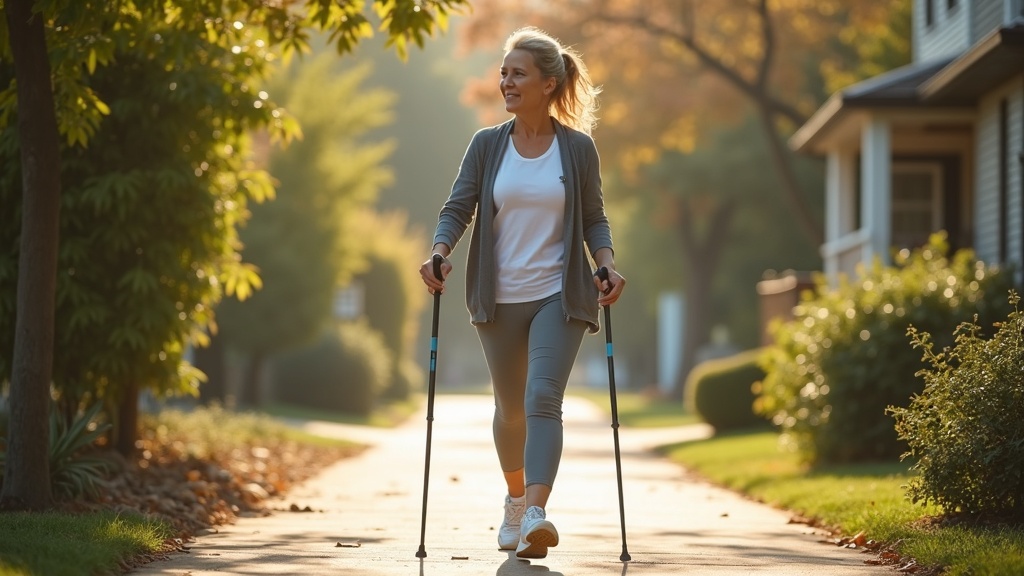
The Transformative Power of Walking for Healthier Aging

In a world filled with high-impact workouts and intense gym sessions, the simple act of walking often gets overshadowed. Yet, this low-impact exercise is packed with substantial health benefits, particularly for individuals as they age. Regular walking can boost physical capability, enhance emotional well-being, and significantly lower the risk of chronic diseases, making it an essential component of healthy aging. By understanding the value of walking, you can embrace this straightforward yet powerful activity as part of your daily routine.
As we grow older, preserving mobility and overall health becomes increasingly vital. Walking not only promotes better physical function but also serves as a gateway to maintaining independence and enhancing quality of life. Given its accessibility, almost everyone can incorporate walking into their lifestyle, which is why it is imperative to rethink its role as more than just a casual activity.
Understanding the Fundamentals of Walking as Exercise
Walking is much more than putting one foot in front of the other; it’s a form of exercise that, when done regularly, offers significant health benefits. This moderate aerobic activity raises your heart rate, improves circulation, and increases lung capacity. Studies consistently show that individuals who engage in regular walking experience improved cardiovascular health and strength, leading to a longer, more active life.
Moreover, walking can be tailored to fit your personal fitness level and lifestyle, making it an incredibly adaptable form of exercise. Whether you stroll leisurely in your neighborhood, hike scenic trails, or take brisk walks in a park, each step counts toward your health. This versatility is crucial, especially for older adults who may face mobility challenges.
This video explores various walking techniques and their benefits, particularly for older adults. By showcasing different styles, it provides insight into how small adjustments can make a big difference. Understanding these techniques can enhance your walking experience, ensuring you get the most out of each outing and avoiding potential injury.
The Emotional Benefits: Walking for Mental Well-Being
Beyond physical advantages, walking also plays a crucial role in mental health. Engaging in regular walking can reduce symptoms of anxiety and depression, enhancing emotional resilience. The rhythmic nature of walking, combined with the natural outdoor environment, promotes relaxation and encourages mindfulness, which can be deeply therapeutic.
Additionally, walking in social settings, such as walking groups or community events, fosters connections and combats feelings of isolation that can sometimes accompany aging. These social interactions are essential for emotional well-being, reinforcing the idea that walking is as much about mental health as it is about physical fitness.
This video delves into the mental health benefits gained from regular walking exercises. It highlights how movement fosters a positive mindset and outlines strategies to integrate walking into one’s daily routine thoughtfully. Recognizing these emotional gains is key to reinforcing the habit of walking as a sustainable wellness strategy.
Safety Considerations: Ensuring a Safe Walking Environment
While walking is generally safe, it's essential to consider certain factors to maximize benefits and minimize risks. Choosing the right footwear, being aware of your surroundings, and selecting appropriate walking paths can ensure a safer experience. Walking surfaces that are flat and well-maintained reduce the chance of slips and falls, which can be particularly concerning for older adults.
Additionally, it’s essential to listen to your body. If you experience pain or discomfort, adjusting your pace or route may be necessary. Staying hydrated, walking with a companion, and recognizing your limits are also crucial components of maintaining a safe and pleasant walking experience.
Integrating Walking into Your Daily Routine
Making walking a habitual part of your day doesn’t have to be a daunting task. Simple changes, like taking the stairs instead of the elevator, parking further from your destination, or setting aside time for a post-dinner stroll, can dramatically increase your daily activity levels. Setting small, achievable goals can also motivate you to start and maintain a walking routine.
Creating a walking schedule that fits seamlessly into your life helps to ensure consistency. Engaging with friends or family for walks can also add joy and accountability, transforming this healthy habit into an enjoyable activity you look forward to rather than a chore.
- Start with short distances and gradually increase.
- Incorporate walking meetings or catch-ups.
- Use technology like pedometers or fitness apps for tracking.
- Explore different local parks to keep walks fresh and exciting.
The Hidden Benefits of Incorporating Walking into Your Routine

Walking is often seen as a simple and low-impact exercise, but its benefits—especially for those aging—are profound and multifaceted. As we age, the potential for muscle degradation, reduced lung capacity, and joint stiffness increases, making it imperative to find a form of exercise that is both manageable and effective. Walking not only preserves physical function but also enhances mental wellbeing, making it a crucial aspect of a holistic approach to health.
Understanding the intricate relationship between walking and overall health is essential. Contrary to dismissive perceptions, walking can significantly reduce the risk of chronic illnesses, improve mood, and even foster social connections. Each step contributes to a richer quality of life, underscoring the importance of making walking a priority in daily routines.
-
Enhances Cardiovascular Health
Regular walking strengthens the heart, lowers blood pressure, and improves circulation. These benefits significantly lower the risk of cardiovascular diseases, which can be particularly concerning as we age.
By integrating brisk walking into your schedule, you can make a meaningful impact on your heart health without the strain often associated with more intense workouts.
-
Boosts Mental Clarity
A daily walk can sharpen your cognitive functions. Studies suggest that moderate exercises, like walking, stimulate the production of endorphins, leading to improved mood and cognitive performance.
For seniors, maintaining mental acuity is crucial in combating conditions like dementia or Alzheimer’s. Walking can be a simple yet effective tool for enhancing brain health.
-
Social Interaction Opportunities
Walking doesn’t have to be a solo endeavor. Group walks or walking clubs can foster social connections, which are vital for emotional wellbeing. Interacting with others while engaging in a beneficial activity can help alleviate feelings of loneliness.
This video highlights how combining walking with social engagement can enhance your experience. Observing others share their walking journeys can inspire you to seek companionship on your walks.
Building a routine that includes social walks can lead to sustained motivation, making it easier to stick to your fitness goals while enjoying the company of others.
-
Promotes Weight Management
Walking is an effective way to burn calories and manage weight. Its low-impact nature makes it accessible for many, ensuring that it is a sustainable activity for long-term weight control.
Regular walks can complement dietary choices, promoting a healthier lifestyle without the pressure of intense fitness regimes.
-
Reduces Stress and Anxiety
Engaging in regular physical activity like walking helps lower cortisol levels, the hormone related to stress. The rhythmic nature of walking has a calming effect that can be particularly beneficial for emotional health.
A mindful walk can also be a moment of reflection, allowing you to disengage from daily stressors and find mental clarity.
-
Improves Joint Functionality
Walking helps maintain joint health by promoting lubrication and flexibility, crucial for those with arthritis or similar conditions. Gentle movement is essential in keeping joints nourished and functional.
This video illustrates the importance of maintaining joint flexibility through walking. Observing the exercises highlighted can provide practical tips for incorporating mobility into your routine.
As arthritis becomes a concern for many aging adults, understanding how to keep joints moving can foster independence and ease in daily life.
-
Encourages Better Sleep
Incorporating regular walking can enhance sleep quality, a critical aspect of overall health. Physical activity helps to regulate the sleep-wake cycle, making it easier to fall asleep and stay asleep.
For older adults who often struggle with sleep disturbances, walking can serve as a natural and effective remedy.
-
Fosters a Sense of Community
Taking walks in public spaces or parks can foster a sense of community and connection to your environment. Engaging with others in these settings can enhance feelings of belonging and improve mental health.
Whether joining community walking events or simply interacting with fellow walkers, this element can greatly enhance the enjoyment of the activity.
| Benefit | Impact on Health | Long-Term Effects |
|---|---|---|
| Cardiovascular Health | Strengthens heart, lowers blood pressure | Reduces risk of heart disease |
| Mental Clarity | Boosts cognitive function | Mitigates dementia risks |
| Social Interaction | Facilitates connection with others | Alleviates loneliness |
| Weight Management | Burns calories effectively | Promotes sustainable weight loss |
| Stress Reduction | Lowers cortisol levels | Improves emotional wellbeing |
| Joint Functionality | Maintains joint health | Increases mobility with age |
| Sleep Improvement | Regulates sleep patterns | Enhances overall quality of life |
| Community Engagement | Boosts sense of belonging | Enhances mental health |
Exploring the Hidden Benefits of Walking as Exercise

Walking is often regarded as a basic, even mundane activity, leading many to overlook its profound health benefits, particularly as people age. This misconception can result in missed opportunities for enhancing physical function, mental well-being, and overall longevity. While advice on incorporating walking into one’s routine can seem straightforward—'just put one foot in front of the other'—the reality is that the complexities of individual health needs and lifestyle choices make this guidance far less simple.
Understanding the impact of walking as exercise requires delving into the nuances it presents, from how it fits into a balanced fitness regimen to its unique role in promoting healthy aging. Additionally, many may not realize that not all walking is created equal; factors like pace, duration, and environment can significantly affect health outcomes. As a result, decisions surrounding walking as a form of exercise demand a clearer perspective, one that moves beyond conventional wisdom or simplistic strategies.
To effectively navigate the intricacies of walking for health, it's vital to uncover the common misunderstandings and clarify the long-term consequences of regular walking. This FAQ section will address these critical aspects, helping to illuminate the true value of walking as exercise and empower individuals to make informed choices about their health journeys.
What happens when people underestimate the value of walking in their daily routine?
Many people mistakenly view walking as too low-impact to have significant health benefits, leading to a lack of commitment to this practice. This underestimation can result in missed gains in cardiovascular health, muscle strength, and mental clarity. While high-intensity workouts often gain more attention, studies indicate that regular, brisk walking can yield comparable health improvements. However, individuals who disregard walking may not only miss out on these benefits; they also risk failing to establish a sustainable exercise habit.
Additionally, neglecting walking can lead to an increased likelihood of sedentarism, which is known to exacerbate age-related health issues. Particularly among older adults, insufficient movement can lead to accelerated declines in mobility and independence, increasing their risk of falls and hospitalizations. The misconception that walking isn’t 'real' exercise can thus significantly impact quality of life and longevity.
Recognizing walking's true potential requires reframing how this activity is perceived and integrated into daily life. By honoring walking as a legitimate and effective form of exercise, individuals can establish a more balanced approach to physical activity that promotes long-term health and wellness.
Is brisk walking actually more beneficial than leisurely strolls?
While both brisk and leisurely walking promote health, the intensity level of your walk plays a crucial role in determining which benefits you might reap. Research suggests that brisk walking—typically defined as walking at a pace of around 3 to 4 miles per hour—can offer enhanced cardiovascular benefits, such as lower blood pressure and improved heart health, compared to slower walking paces. However, many people worry that brisk walking is too challenging or potentially unsafe, leading them to opt for a more leisurely approach.
Interestingly, incorporating short bursts of brisk walking into a leisurely stroll—also known as interval walking—can provide the best of both worlds. This method allows individuals to enjoy the social and mental health benefits of walking at a relaxed rate while still gaining the cardiovascular advantages of increased intensity intermittently. For those who may be new to walking or feeling the effects of aging, this approach can be a viable way to transition into more intense exercise gradually.
Ultimately, it’s essential to consider personal comfort and enjoyment in any walking routine. The most beneficial walking regimen is one that encourages consistency and cultivates a positive experience, reinforcing the notion that any walking is better than none.
How does walking impact mental health and cognitive function in older adults?
While the physical benefits of walking are well-documented, its impact on mental health—especially among older adults—is often underestimated. Walking has been shown to reduce symptoms of anxiety and depression, foster a sense of community, and enhance cognitive function. The rhythmic motion of walking can encourage mindfulness and relieve stress, providing a pathway to improved emotional well-being.
Moreover, research suggests that aerobic exercise like walking can lead to neurogenesis, which is the formation of new neurons in the brain, potentially improving cognitive abilities and reducing the risk of dementia. This relationship between physical activity and brain health highlights the importance of prioritizing walking, especially for aging populations who may face cognitive decline.
Additionally, walking in natural environments has been linked to enhanced psychological benefits. Spending time outdoors while walking may amplify mood-boosting effects, combining physical activity with the calming influence of nature. This synergy underscores the idea that walking is not merely a physical exercise; it’s an invaluable practice for nourishing mental and emotional health.
What do most people misunderstand about the safety of walking as an exercise option?
One prevalent misunderstanding about walking is that it is inherently safer than more intense forms of exercise, leading many to neglect the importance of proper technique and preparedness. While walking is low-impact and generally suitable for individuals of all fitness levels, risks can still arise from improper shoes, poor posture, or failing to assess one’s own physical limitations. These factors can lead to discomfort and injury, particularly in older adults or individuals with existing health issues.
Furthermore, the environment in which one walks is pivotal; uneven terrain, poor visibility, or inclement weather can transform a simple walk into a hazardous endeavor. Having a clear understanding of one’s surroundings and potential risks can help prevent injuries associated with falls. Thus, planning safe routes and investing in appropriate footwear are crucial for making walking a sustainable exercise choice.
In essence, understanding the nuanced risks of walking empowers individuals to take proactive measures, ensuring that they can enjoy its many benefits without unnecessary complications. A mindful approach to walking, encompassing awareness of technique and environment, supports a safer and more enjoyable exercise experience.
How does walking contribute to longevity and healthy aging?
The connection between physical activity, including walking, and longevity is well-established in scientific literature. Regular walking has been correlated with a reduced risk of chronic diseases such as heart disease, diabetes, and certain cancers—all of which significantly impact longevity. By incorporating walking into daily routines, individuals may better manage weight, enhance metabolic health, and increase cardiovascular fitness, all of which contribute to a longer, healthier life.
Moreover, walking plays an essential role in maintaining functional mobility, which becomes increasingly critical as individuals age. Maintaining mobility is vital not only for physical health but also for preserving independence and quality of life. Walking regularly can help improve balance, flexibility, and overall strength, combatting age-related declines in physical function.
The key takeaway is that walking serves as a cornerstone of an active lifestyle that promotes both longevity and optimal aging outcomes. Engaging in this simple yet profound activity reinforces a proactive stance toward health, allowing individuals to take charge of their own aging process.
What are the trade-offs associated with replacing walking with more intense forms of exercise?
For those seeking to improve their fitness levels, the inclination might be to replace walking with more intense exercises like running or high-impact aerobics. While higher intensity workouts can offer substantial benefits, they also come with inherent risks, especially for individuals with limited fitness backgrounds or age-related concerns. More demanding activities might lead to a greater likelihood of injuries, such as strains or joint issues, particularly if proper form or rest is neglected.
Additionally, the commitment needed for high-intensity workouts can be discouraging for many to sustain over time. Walking’s accessibility and lower barrier to entry make it a more feasible option for long-term adherence, especially as individuals age or face mobility challenges. Replacing it entirely with more strenuous exercise may undermine the consistent physical activity necessary for optimal health.
Ultimately, it’s essential to recognize that both approaches can play valuable roles within a comprehensive fitness plan. Striking a balance between various types of exercise can provide the benefits of intensity while preserving the accessibility and health advantages of walking. This balanced perspective allows for a more sustainable and enjoyable approach to physical fitness.
How does weather affect outdoor walking routines and what should individuals consider?
Weather conditions can significantly influence one’s walking routine and overall enjoyment of the activity. For many, inclement weather, whether too cold, hot, or rainy, can deter them from walking outdoors, leading to lapses in regular physical activity. However, understanding how to navigate these challenges can make outdoor walking feasible year-round.
For instance, during hot weather, hydration becomes essential; individuals should plan walks for cooler parts of the day and wear breathable clothing to mitigate heat exhaustion. Conversely, cold weather calls for layering and appropriate footwear to prevent slips and maintain comfort. Adapting to these conditions often involves not just attire but also a mindset shift, recognizing that with the right precautions, walking outdoors can remain enjoyable regardless of the season.
Moreover, embracing weather variations can enhance the walking experience. Engaging with nature during different seasons offers unique visual and sensory experiences that can fortify one’s connection to the environment, adding a refreshing aspect to the activity. As such, learning to approach weather challenges positively enhances not only physical benefits but also fosters a deeper appreciation for the routine of walking.
What long-term outcomes can individuals expect from establishing a consistent walking habit?
Establishing a consistent walking routine can yield transformative long-term outcomes that extend far beyond physical fitness. Beyond the immediate health benefits such as improved cardiovascular function and weight management, walking consistently can lead to enhanced emotional resilience, better sleep quality, and improved overall mental health. Many individuals report greater life satisfaction and a sense of accomplishment from setting and achieving realistic walking goals.
Additionally, the social aspect of walking often gets overlooked. Regular walking groups can provide an avenue for building community and fostering social connections, which are crucial for mental well-being and combating loneliness—common issues among older adults. By incorporating walking into one’s lifestyle, individuals may find themselves not only healthier but also more socially engaged and fulfilled.
In the long run, the cumulative effect of regular walking contributes to a robust foundation for healthy aging. The benefits accumulate over time, leading to improved quality of life, greater independence, and resilience against the challenges that often accompany aging. This underscores the importance of viewing walking as a lifelong investment in health and well-being, rather than just a temporary fitness regime.
| Thinking Pattern | Common Trade-offs | Long-term Impact |
|---|---|---|
| Underestimating walking benefits | Missed opportunities for improved health | Increased risk of chronic diseases |
| Prioritizing intensity over consistency | Higher injury risks | Potential lack of sustained activity |
| Navigating environmental challenges | Reduced motivation in poor weather | Inconsistent exercise frequency |
| Discounting mental health benefits | Overlooking emotional resilience | Higher risk of social isolation |
Effective Strategies for Incorporating Walking into Your Routine
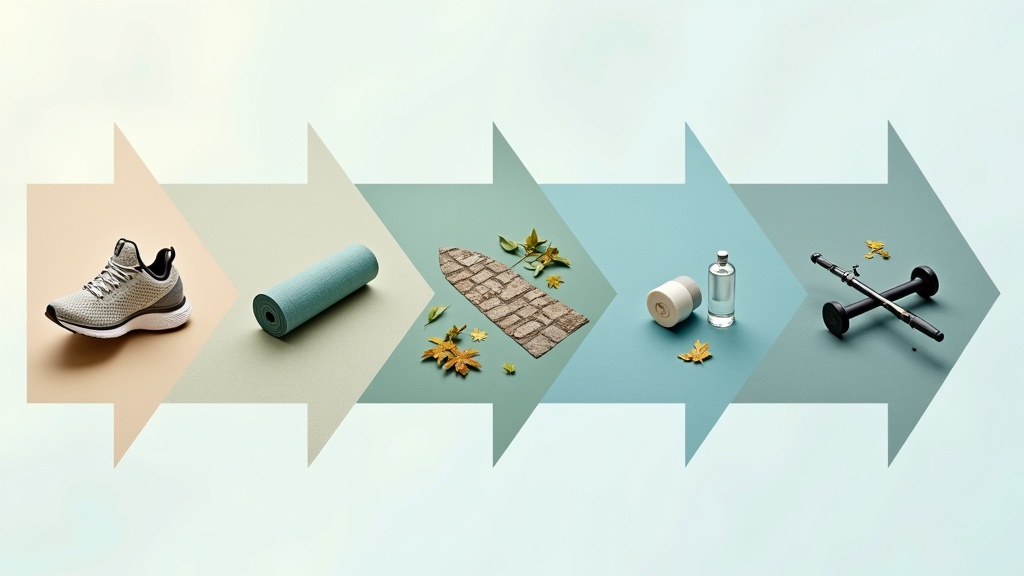
Many people recognize the importance of physical activity but struggle when it comes to integrating walking into their daily lives, particularly as they age. Factors such as busy schedules, lack of motivation, or even uncertainty about how to walk effectively can create barriers. The good news is that overcoming these obstacles can lead to not only enhanced physical health but also improved mental and emotional well-being. Adopting a structured approach helps maximize the benefits of walking, offering a straightforward path to better health for individuals of all ages.
Moreover, understanding the rationale behind effective walking practices is crucial. Proper technique, goal setting, and consistency are key to garnering all the incredible advantages walking can provide, from enhancing cardiovascular health to boosting mental clarity. By addressing these considerations, anyone can integrate walking into their routine in a way that's both enjoyable and sustainable.
1. Set Clear Walking Goals
Establishing clear, achievable goals sets the foundation for a successful walking routine. Just as in any health endeavor, having a defined target encourages commitment and accountability. Consider starting with a specific duration or distance—perhaps a 10-minute walk each day, gradually increasing as you gain confidence and stamina.
Real-world applications of goal setting could include tracking your walks using a journal or a mobile app, which can provide positive reinforcement as you observe your progress. However, be mindful of setting overly ambitious goals that might lead to frustration or burnout. Remember, the goal is to foster a sustainable habit that becomes a positive part of your daily life.
2. Choose the Right Environment
The environment you choose for walking can significantly impact your experience—from motivation level to safety. Opt for well-lit paths, parks, or walking trails, where you can engage with nature and enjoy your surroundings. A pleasant environment can make your walk feel less like a chore and more like a leisurely outing.
Additionally, be aware of potential trade-offs. While hiking on a scenic, challenging trail can be invigorating, it may require more physical effort and preparation than a flat urban path. Balance your desire for adventure with your current physical condition to avoid unnecessary strain or risk of injury.
3. Invest in Quality Footwear
Your choice of footwear plays a crucial role in the effectiveness of your walking routine. Proper walking shoes provide support, cushioning, and stability, which can prevent discomfort and injury. When selecting shoes, look for features such as arch support and a flexible sole tailored specifically for walking.
Be cautious about attempting to save money by wearing old or non-specialized shoes. Poor footwear can lead to blisters, calluses, or even more severe musculoskeletal problems, which could hinder your walking journey. Investing in the right shoes is a step toward ensuring both comfort and longevity in your walking habit.
4. Find a Walking Buddy
Walking with a buddy can enhance the experience by introducing a social element to your routine. A walking partner not only provides motivation but can also make the activity enjoyable, as conversations can help pass the time. Sharing the journey can emotionally uplift both individuals while making fitness feel less solitary.
However, it's vital to choose the right partner. If your walking buddy is too competitive, you may feel pressured to keep pace and lose the enjoyment of the activity. Look for someone with a similar fitness level and a shared goal of improving health through walking for the best experience.
5. Integrate Walking into Daily Life
Finding opportunities to incorporate walking into your daily routine can significantly increase your overall activity level. Consider taking the stairs instead of the elevator, going for short walks during breaks, or parking your car further away from your destination. These small changes can accumulate towards meeting your walking goals without requiring dedicated time in your schedule.
It’s essential to balance the convenience of integrating walking into your life with maintaining quality. Simply walking while distracted may not reap full benefits. Consider walking mindfully, focusing on your breath and surroundings, to enhance stress relief and mental clarity, alongside physical activity.
6. Track and Celebrate Progress
Documenting your successes and milestones is important in maintaining momentum. Use a fitness app, journal, or a simple calendar to track your daily walking distances, times, and how you feel afterward. Celebrating small victories can bolster motivation and encourage you to stick with the program when you see tangible results.
However, avoid the pitfall of comparing your progress with others. Everyone's walking journey is unique, and striving for personal improvement should take precedence. By focusing on your journey and milestones, you establish a healthier relationship with exercise and foster a positive outlook on your walking routine.
This video demonstrates a fun and engaging way to include your walking sessions as part of your daily routine. It showcases various techniques to maintain motivation and to incorporate walking into your regular activities, emphasizing how accessible and rewarding walking can be. By viewing real-life examples, you can visualize how these concepts translate into daily practice, thereby boosting your overall understanding of effective walking habits.
| Strategy | Advantages | Tradeoffs |
|---|---|---|
| Set Clear Goals | Provides motivation and accountability | Risk of frustration if goals are too ambitious |
| Choose the Right Environment | Enhances overall experience and safety | May limit options based on accessibility |
| Invest in Quality Footwear | Prevention of injury and improved comfort | Higher initial cost of specialized shoes |
| Find a Walking Buddy | Increased motivation and social interaction | May require compromise on pace and schedule |
| Integrate Walking into Daily Life | Increases overall activity without dedicated time | May lead to a less focused approach to walking |
| Track and Celebrate Progress | Reinforces motivation and highlights achievements | Potential for unhealthy comparisons with others |
This second video adds depth, showing various walking routines that can fit into even the busiest schedules. It emphasizes the flexibility and versatility of walking as a form of exercise. Understanding how to seamlessly incorporate walking into different aspects of life provides valuable insights that can help you commit and stay on track.
Common Mistakes to Avoid
- Neglecting warm-up and cool-down stretches, leading to injury.
- Walking too fast without building a solid foundation of fitness.
- Forgetting to stay hydrated, risking fatigue and dehydration.
- Setting goals that are unrealistic, resulting in discouragement.
- Overlooking the importance of varied terrain to challenge your body.
- Ignoring the need for rest days, which can lead to burnout.
Evaluating Your Walking Success
Realistically measuring your walking progress involves assessing both short-term achievements and long-term outcomes. Celebrate small victories, such as achieving a consistent routine over a few weeks, while also paying attention to overall changes in your physical and mental well-being. It's important to distinguish between ephemeral results—like a slight increase in distance—and significant health improvements that can manifest over time.
Be cautious of setting unrealistic expectations, especially in pursuit of rapid changes. Recovery, acclimatization to new routines, and gradual improvement are all part of a sustainable journey toward better health through walking. By focusing on the process rather than immediate results, you encourage a lasting appreciation for walking as a beneficial exercise.