
Navigating Protein Requirements as We Age

As we grow older, our bodies undergo significant changes that affect our nutritional needs, particularly our requirements for protein. This critical macronutrient plays a vital role in maintaining muscle mass, supporting immune function, and enhancing recovery from injury or illness. Understanding the factors that drive these increased protein needs is essential for anyone looking to optimize their health and wellness throughout the aging process.
Many people remain unaware that their protein intake should shift as they age, leading to potential deficiencies that can contribute to frailty, decreased mobility, and other health issues. By recognizing how protein impacts various bodily functions, especially in later years, individuals can take practical steps to ensure their dietary choices support a vibrant, active lifestyle as they age.
Understanding Protein's Role in Aging
Protein's significance extends beyond muscle repair; it is fundamental to numerous bodily functions, including hormone production, enzyme activity, and overall cellular health. As we age, factors like hormonal changes, decreased appetite, and altered metabolism can reduce our ability to synthesize and use protein effectively. Consequently, older adults might need to adjust their intake to maintain optimal health.
Research indicates that older adults may require higher amounts of protein compared to younger individuals to stimulate muscle protein synthesis. This means incorporating more protein-rich foods into daily meals becomes crucial for preserving muscle mass, preventing sarcopenia, and promoting recovery from various health challenges.
This informative video highlights the connection between aging and protein requirements, shedding light on why older individuals should pay close attention to their dietary intake. It articulates the physiological changes that enhance protein needs and provides insights on balancing one's diet effectively.
By watching this, viewers will gain a clearer understanding of the scientific principles behind aging and protein, empowering them to make informed dietary choices that can help maintain strength and wellness into later years.
How Much Protein Do You Really Need?
Determining the exact amount of protein needed can vary based on individual health, activity level, and lifestyle. However, general guidelines suggest that older adults strive for a daily protein intake of around 1.2 to 2.0 grams per kilogram of body weight. This adjustment aims to counteract the age-related decline in muscle mass and strength.
For many, this may seem daunting, but it can be accomplished through simple dietary adjustments. Incorporating lean meats, dairy products, legumes, and even fortified plant-based options can facilitate reaching these increased targets effortlessly while still enjoying a balanced diet.
The Best Sources of Protein for Older Adults
When selecting protein sources, it’s important to focus not only on quantity but also on quality. High-quality proteins, which contain all the essential amino acids our bodies require, are preferable. Options like lean poultry, eggs, fish, dairy products, and certain plant-based proteins such as quinoa and legumes should be emphasized.
However, many older adults might find it easier to consume protein supplements such as whey protein shakes if they're struggling to meet their needs through food alone. Understanding which sources offer the best nutritional profiles can help refine dietary choices, ultimately enhancing health outcomes.
This video serves as a guide to identifying protein-rich foods that are particularly suitable for older adults. It showcases practical and delicious options that can be easily incorporated into everyday meals, all while discussing their health benefits.
By understanding how to leverage these protein sources, viewers will be better equipped to make informed choices that enhance their overall nutrition and health as they age.
Tips for Meeting Your Protein Needs
To simplify the process of increasing protein intake, consider these actionable tips:
- Start each meal with a protein-rich food.
- Experiment with protein supplements if whole foods aren't sufficient.
- Use varied cooking methods to enjoy a range of protein sources.
- Plan meals ahead to ensure protein sources are always included.
By incorporating these strategies into daily routines, older adults can ensure they are adequately meeting their protein requirements, thus supporting their overall health. Understanding the importance of protein, coupled with practical tips for integrating more into meals, empowers individuals in their journey toward better health.
Understanding Your Protein Needs as You Age
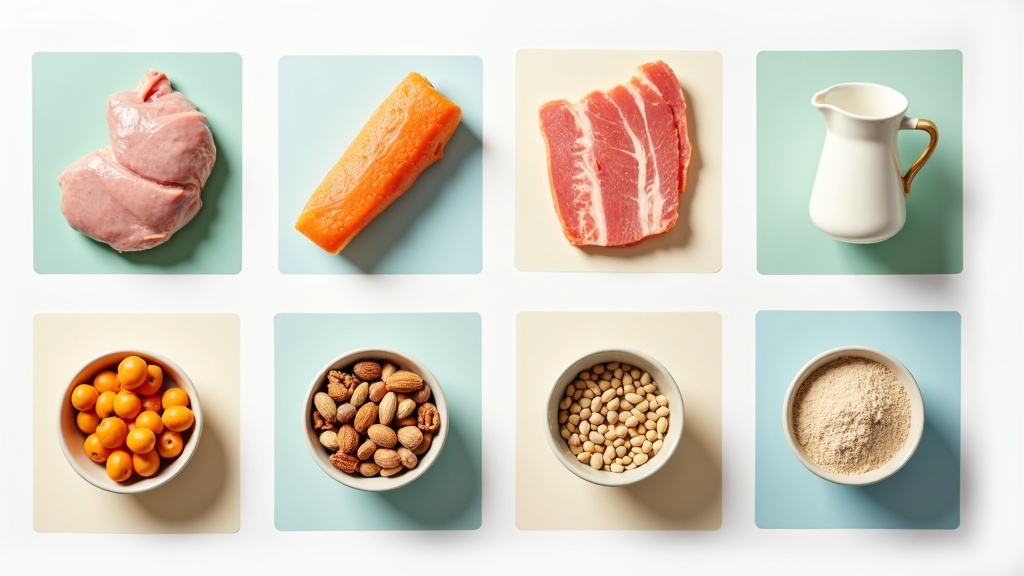
As we age, our bodies undergo a multitude of changes that affect how we process nutrients, particularly protein. Increasing protein intake is essential for preserving muscle mass, enhancing recovery, and maintaining overall health—making this a pressing topic for everyone looking to optimize their well-being as they grow older. Yet, simple approaches to increasing protein levels aren't always sufficient, as factors such as activity levels, overall health, and dietary preferences come into play.
This exploration into protein needs with age reveals a complex landscape worth navigating. By considering not only individual health goals but also the nuances of bioavailability and food sources, we can better align dietary choices with our evolving nutritional demands. Here’s a guide to understanding key insights that can assist you in making informed dietary decisions about protein intake in later life.
-
The Role of Protein in Muscle Preservation
Muscle mass diminishes as we age—a condition known as sarcopenia. Protein intake plays a critical role in muscle preservation and development, making it vital for older adults to adjust their protein consumption accordingly.
Research suggests that a higher protein intake can help counteract muscle loss and improve overall strength, vital for maintaining independence and mobility in later years.
-
Increased Recovery Needs
After age 50, the body's ability to repair and recover from injuries slows down, often necessitating an increase in protein to support healing. Protein not only helps repair tissues but also plays a role in immune function.
By adequately assessing personal recovery needs during healing or post-exercise, individuals can adjust their protein intake to facilitate the body’s natural recovery processes.
-
Importance of Protein Quality
Not all protein sources are created equal, particularly regarding their amino acid profiles. High-quality proteins, such as those from animal sources and certain plant-based options, offer all essential amino acids needed for muscle synthesis and repair.
This video elucidates the difference between animal-based and plant-based proteins, showcasing various food options and their respective amino acid profiles. Understanding these differences is crucial for making effective dietary choices that align with protein needs.
As seen in the video, complete proteins (those containing all essential amino acids) are key in supporting health and muscle maintenance as we age. Choosing the right source can make a significant difference in fulfilling protein requirements.
-
Assessing Individual Protein Requirements
Determining how much protein is necessary varies by individual based on factors including age, activity level, and health status. A general guideline is to increase intake to about 1.2-2.0 grams of protein per kilogram of body weight for older adults, dependent on activity levels.
Consulting with healthcare providers or nutritionists can provide tailored guidance to meet specific dietary needs and optimize health outcomes.
-
Protein Timing
The timing of protein consumption can significantly influence muscle synthesis. Spreading protein intake throughout the day—rather than consuming it all at once—can enhance its benefits, especially for older adults.
Incorporating protein-rich snacks or meals every few hours may help in maximizing anabolic response and overall nutrient absorption.
-
Hydration and Protein Metabolism
Increased protein intake requires adequate hydration, as the body needs sufficient fluids to effectively process the additional protein. This is especially crucial for older adults, who may have decreased thirst perception.
This video highlights the relationship between hydration and protein efficiency, detailing how staying hydrated can enhance amino acid utilization in the body. Recognizing the interplay between these two elements is vital for health optimization.
As showcased, maintaining proper hydration not only aids protein metabolism but also supports overall health. It's a point often overlooked that deserves attention as we focus on improving dietary habits.
-
Plant-Based Protein Sources
For those considering a plant-based diet, understanding how to combine different sources of plant proteins to obtain a complete amino acid profile is essential. Options such as legumes, nuts, seeds, and whole grains can effectively contribute to daily protein needs.
Balancing these sources can also offer additional health benefits, including higher fiber intake and lower levels of saturated fats.
-
Monitoring Changes in Body Composition
Regularly assessing body composition can help you understand how your protein intake is impacting your overall health and fitness. Changes in muscle mass or fat percentage provide valuable insights into the effectiveness of dietary adjustments.
By keeping tabs on these metrics, individuals can make more informed choices regarding nutrition and exercise, promoting healthier aging.
| Focus Area | Insight | Importance |
|---|---|---|
| Muscle Preservation | Enhance protein intake to counteract sarcopenia. | Maintain independence and mobility. |
| Protein Quality | Prioritize high-quality protein sources. | Support muscle synthesis effectively. |
| Individual Needs | Adapt protein intake based on personal factors. | Set realistic and beneficial dietary goals. |
Understanding the Complexities of Protein Needs as We Age

Many individuals grapple with the changing nutritional needs that come with aging, particularly when it comes to protein intake. Despite the common assumption that dietary restrictions may be beneficial in later years, research increasingly indicates that protein requirements actually increase as we age. This misunderstanding stems from a wealth of conflicting advice and misinformation about how our bodies metabolize nutrients differently in our later years. Many believe that simply reducing calorie intake is enough, overlooking the critical role that protein plays in maintaining muscle mass and overall health.
Moreover, making dietary choices in the context of aging involves navigating through a myriad of factors including metabolic rates, activity levels, and health conditions. This complexity leads many to default to simplistic advice about nutrition, which often neglects the nuances of how protein contributes to health as we age. Instead of a one-size-fits-all approach, individuals should consider personalizing their protein intake based on their unique lifestyle and health needs.
Consequently, navigating the intricacies of protein consumption can feel overwhelming. It's essential to recognize that proper guidance and a deeper understanding of protein's role can lead to better health outcomes in aging adults. Let’s delve into some frequently asked questions to clarify these complexities and provide insight into effectively managing protein needs as we grow older.
Why do many people underestimate their protein needs as they get older?
As individuals age, physiological changes—such as decreased muscle mass and changes in metabolism—can alter protein requirements. Yet, many are unaware that maintaining, or even increasing, their protein intake is crucial for fighting the effects of sarcopenia, the age-related loss of muscle tissue. This misconception often leads to inadequate protein consumption, which can exacerbate physical frailty, mobility issues, and overall health decline.
Many people also equate lower activity levels with lower protein needs, mistakenly believing that older adults can thrive on less. This thinking overlooks the fact that, post-50s, maintaining a higher protein intake can help stimulate muscle protein synthesis, thereby counteracting age-related muscle loss. As a result, older adults may not only suffer from diminished muscle strength but may also face long-term consequences such as increased fall risk and loss of independence.
Overall, the misunderstanding about protein needs is a combination of outdated dietary beliefs and a lack of awareness about the benefits of an adequate protein intake, forcing many older adults to suffer needlessly from avoidable health issues.
What happens when older adults don't consume enough protein?
Inadequate protein intake can lead to a number of significant health problems for older adults, the most critical being sarcopenia—often referred to as age-related muscle wasting. When muscle mass decreases, it can lead to reduced strength and stamina, which can hinder daily activities and overall quality of life. This decline inevitably increases vulnerability to injury and illness, making it essential to reevaluate protein consumption as we age.
Additionally, a lack of protein can negatively affect the body’s immune response and wound healing abilities. Protein is vital for producing antibodies, hormones, and enzymes that regulate bodily functions. Without sufficient protein, older adults may find themselves more susceptible to infections and unable to recover from injuries as efficiently as younger individuals, compounding their health challenges and potentially extending hospital stays.
Moreover, low protein intake can impair bone health. Research suggests that increased protein can support calcium absorption and ultimately contribute to more robust bone strength. This correlation underlines the necessity of protein not merely as a muscle increaser but as a comprehensive nutrient that supports overall health in older age.
Is it actually better to focus on high-quality protein sources as we age?
Yes, focusing on high-quality protein sources becomes increasingly vital as we age. High-quality proteins—those that contain all essential amino acids—are more effective in stimulating muscle protein synthesis compared to lower-quality counterparts. These protein sources, which include lean meats, fish, dairy, eggs, and legumes, provide crucial nutrients that can help mitigate the effects of aging.
However, it’s important to stress that not all protein is created equal. While processed protein sources may seem convenient, they often lack the complete amino acid profile that supports muscle growth and repair. Additionally, they may contain detrimental additives or high levels of saturated fats, which can jeopardize heart health, another critical concern for older populations. Therefore, making wise choices about protein sources can significantly impact overall well-being.
Considering the higher requirements for protein as one ages, incorporating a variety of high-quality options into daily meals can maximize protein utilization and benefits. It also fosters a more balanced diet which is essential for maintaining overall health and vitality.
How does this affect long-term health outcomes for older adults?
Inadequate protein intake affects not just immediate muscle health and function, but has far-reaching implications for long-term health outcomes. Research suggests that individuals with higher protein diets tend to have better bone density, reduced fat mass, and improved metabolic health. These benefits collectively contribute to a lower risk of chronic diseases such as type 2 diabetes, osteoporosis, and cardiovascular issues, all prevalent concerns in older adults.
Furthermore, sufficient protein levels can positively influence cognitive health. Emerging studies indicate that higher protein consumption is associated with better cognitive performance, potentially delaying cognitive decline. The connections between diet, muscle health, and brain function highlight how vital protein is for both physical and mental well-being, making it a cornerstone of healthy aging.
In essence, prioritizing adequate protein intake not only boosts physical health but also equips older adults to maintain independence and engage more fully in life, ultimately leading to a better quality of life in their golden years.
What do most people misunderstand about the timing of protein intake?
Many individuals believe that it’s sufficient to focus on daily protein intake without considering distribution throughout the day. Research indicates that spreading protein consumption evenly across meals is optimized for muscle health and synthesis. Failing to do so can lead to inefficiency in the body’s ability to use protein effectively, and thus, the benefits of dietary protein may be significantly diminished.
Moreover, some individuals may prioritize protein only after workouts, neglecting the benefits of pre- and post-meal protein consumption. A steady supply of amino acids is crucial for muscle maintenance, especially for older adults who may need to counteract muscle breakdown more aggressively than their younger counterparts.
Therefore, a common misconception is that merely meeting a daily protein target is adequate; in reality, timing and meal distribution are essential for maximizing the positive impacts of protein on aging bodies.
Why is it essential to adjust protein intake based on changes in physical activity levels?
Physical activity has a synergistic relationship with protein intake; as activity levels wax and wane, so should protein consumption. When older adults become more active—whether through engaged exercise or increased daily movement—their protein needs typically rise to provide the necessary building blocks for muscle repair and synthesis. Conversely, during periods of inactivity, such as illness or recovery from surgery, protein intake should still remain appreciably high to help prevent muscle loss.
If older adults fail to adjust their protein intake alongside changes in activity, they risk exacerbating muscle atrophy and compromising recovery ability. For instance, a sudden increase in physical activity without adequate protein can lead to fatigue and injury, while a decrease in activity should not signal a decrease in protein levels, as it is still needed to preserve muscle mass.
Understanding the nuanced relationship between physical activity and protein needs is essential to optimize health outcomes and maintain strength and mobility, especially in older adults who are navigating changing lifestyle dynamics.
How can older adults balance protein intake with other dietary considerations?
Balancing protein intake with other dietary needs can be a challenge for older adults, especially when considering factors such as caloric restrictions, dietary restrictions related to chronic medical conditions, and the desire for variety in their meals. It is crucial to remember that while protein should be prioritized, it must exist in harmony with essential macronutrients and vitamins. Older adults may sometimes mistakenly cut back on protein in favor of carbohydrates or fats, thinking it will help them maintain energy levels, which can then lead to protein deficiency.
In balancing their diets, older adults should aim to incorporate not only ample protein but also sufficient fruits, vegetables, whole grains, and healthy fats. Recognizing the importance of therefore adopting a holistic approach to nutrition is vital, enabling them to reap the benefits of a well-rounded diet rather than focusing narrowly on a single nutrient.
Sourcing diverse high-protein options, such as beans, quinoa, and Greek yogurt can help meet protein needs while accommodating other dietary considerations. Working with a nutritionist can also provide tailored advice that aligns with individual health goals and preferences, allowing older adults to enjoy their meals without compromising their nutritional intake.
What should older adults look for when choosing protein supplements?
As the demand for protein increases, some older adults may consider supplements to bridge the gap. However, this requires a discerning eye; not all protein supplements are created equal. Many are filled with additives, sugars, and low-quality proteins that do not support health as effectively as whole food sources. That said, high-quality protein powders can be beneficial when used to complement rather than replace whole foods, especially when appetite or chewing difficulty is a concern.
Older adults should prioritize supplements that feature minimal ingredients, with a complete amino acid profile, and ideally those that are derived from whole food sources, such as whey, casein, or plant-based proteins. Additionally, it is crucial to consider dietary restrictions; for example, those who are lactose intolerant would benefit from lactose-free options, while vegan or vegetarian individuals might seek pea, rice, or hemp protein.
It's also essential to consult a healthcare provider before starting any supplement to ensure it aligns with personal health conditions and dietary needs. Ultimately, while protein supplements can be convenient tools for meeting nutritional goals, they should be integrated thoughtfully into an overarching dietary strategy that prioritizes whole, nutrient-dense foods.
Boosting Protein Intake for Better Aging

As we age, many people find it challenging to adjust their diets to meet the increased protein demands of their changing bodies. This is not just a simple oversight; numerous social, emotional, and physiological factors contribute to a decline in overall protein intake in older adults. Many might not fully understand how much their protein needs have changed or feel overwhelmed by conflicting dietary information. Navigating these obstacles is essential, as sufficient protein intake can directly affect muscle health, recovery, and overall vitality—factors critical to maintaining independence and quality of life.
Understanding and implementing effective strategies for increasing protein intake can help bridge the gap between knowledge and action. Proper execution of dietary changes not only enhances physical strength but also supports mental clarity, boosts immune function, and promotes longer-term health. Recognizing the right approach can help you make dietary adjustments easily and maintain an active, engaging lifestyle.
1. Understand Your Protein Needs
To make informed dietary choices, it’s crucial first to grasp your own protein needs. Adults over 65 generally require 1.0 to 1.2 grams of protein per kilogram of body weight, a significant increase compared to younger adults. This rise caters to changes in metabolism, muscle mass loss, and overall recovery needs. Start by calculating your weight in kilograms and multiplying it by the recommended protein intake to find your personalized goal.
For instance, a 70 kg individual should aim for 70 to 84 grams of protein daily. This knowledge can empower you to set realistic dietary goals, which are vital for making sustainable lifestyle changes. If you’re unsure about your protein requirements, consulting with a healthcare professional or a registered dietitian can help clarify your specific needs based on your health and activity level.
2. Diversify Your Protein Sources
With the knowledge of your protein needs in mind, it’s essential to diversify your protein sources. This not only keeps your meals interesting but also ensures you receive a range of essential amino acids and other nutrients. Aim to include both animal-based proteins—such as chicken, fish, eggs, dairy—and plant-based sources like beans, lentils, nuts, and quinoa in your diet.
Balancing different kinds of protein can also help mitigate the risks associated with high consumption of red or processed meats, offering a more holistic approach to nutrition. For example, a salad topped with chickpeas and grilled chicken provides both protein and fiber, contributing to a healthier digestive system. Experimenting with various sources can help you discover new favorite meals while meeting your protein goals for better aging.
3. Incorporate Protein-Rich Snacks
One of the practical challenges of meeting protein needs is integrating it seamlessly into daily meals. Snacking provides an excellent opportunity to boost your protein intake without overhauling your entire diet. Consider opting for snacks that pack a protein punch, such as Greek yogurt, cottage cheese, protein bars, or nuts. These can fill the gaps between meals and prevent long periods without adequate protein.
However, be mindful of caloric and added sugar content in some snack options, as the goal is to enhance your nutrition, not add hidden calories. For instance, pairing apple slices with nut butter not only provides protein but also offers healthy fats and fiber for a more nutritious snack. This simple approach makes achieving your protein goals both manageable and enjoyable.
4. Plan Your Meals
Meal planning is a powerful tool in ensuring that you meet your protein needs consistently. By organizing your meals ahead of time, you can ensure a balanced intake of protein across the day, rather than relying on spontaneous eating, which might lead to inadequate amounts. When planning, consider including a protein source in every meal—this helps spread your intake evenly throughout the day, which is more beneficial than consuming large amounts at once.
For instance, when preparing meals for the week, you might include breakfast smoothies with protein powder or eggs, lunches featuring deli meats or tofu, and dinners with grilled fish or beans. Not only does this method allow you to control what you eat, but it also contributes to broader dietary goals like reducing processed foods or unhealthy fats.
5. Use Supplementation Wisely
For some individuals, meeting protein needs through whole foods can be challenging due to dietary restrictions, personal preferences, or increased activity levels. In such cases, protein supplements—such as powder, bars, or ready-to-drink shakes—can serve as a convenient alternative. However, it’s essential to approach supplementation wisely by selecting high-quality products that contain minimal additives and sugars.
Using supplements should complement a balanced diet, not replace whole food sources. For example, a protein shake can be an excellent post-workout recovery option but should not be the sole source of protein throughout the day. Understanding the role of supplementation and incorporating it thoughtfully can expand your protein options without compromising your health.
6. Monitor and Adjust Over Time
Lastly, it’s crucial to continuously monitor your protein intake and adjust as necessary. Life circumstances, activity levels, and health conditions can change over time, all of which may require you to reassess your protein needs. Consider keeping a food diary for a week to evaluate your intake, making sure you’re consistently hitting your goals.
If you find that you are consistently falling short, it may be time to revisit your meal planning strategies or consult a registered dietitian for personalized advice. Recognizing changes and being responsive to your body’s needs is key to aging gracefully and maintaining well-rounded health.
This TikTok video illustrates practical meal ideas that are high in protein for older adults, showcasing how simple adjustments to your meals can significantly increase protein intake. By visually seeing how easy it can be to enhance nutritional value, viewers are more likely to feel inspired to explore these options themselves.
| Source | Protein Content (per serving) | Other Nutrients |
|---|---|---|
| Chicken Breast (100g) | 31g | Iron, B Vitamins |
| Tofu (100g) | 8g | Calcium, Iron |
| Greek Yogurt (1 cup) | 23g | Calcium, Probiotics |
| Lentils (1 cup, cooked) | 18g | Fiber, Iron |
| Eggs (1 large) | 6g | Vitamin D, Cholesterol |
7. Recognize Common Mistakes
- Relying solely on animal products, neglecting plant-based protein sources.
- Ignoring the importance of protein in snacking routines.
- Forgetting to include protein in every meal, leading to uneven intake.
- Overlooking the nutritional quality of protein supplements.
- Failing to adjust protein needs based on changing lifestyles and health conditions.
8. Realistic Progress Monitoring
As you embark on this journey to optimize protein intake, it’s essential to measure your progress realistically. Consider tracking changes in energy levels, physical fitness, or even shifts in body composition. Setting achievable milestones can help maintain motivation without fostering unrealistic expectations, which can lead to disappointment and disengagement.
Remember that enhancing protein intake and its corresponding benefits are long-term commitments. Short-term fluctuations are natural, so it’s advisable to focus on building a sustainable dietary framework rather than seeking immediate results. Keeping a balanced, positive outlook will ultimately lead to a healthier, stronger you as you age.