
Common Misconceptions About Women’s Bone and Joint Health

Bone and joint health is often overshadowed by other health concerns, leading to a lack of awareness and understanding among women regarding their specific needs. Many women mistakenly believe that conditions like osteoporosis are exclusively hereditary or that they only become problematic in later years. This misconception can lead to a false sense of security, causing women to neglect preventive measures during crucial early years. Understanding the complexities of bone and joint health can empower women to make informed choices that affect their well-being throughout their lives.
Additionally, the intersectionality of bone health with other health conditions, such as menopause and nutritional deficiencies, adds layers of complexity. For instance, while many women are advised about calcium and vitamin D intake, the timing and dosage can often be misunderstood. Misinterpretations of advice can lead to imbalances that are not immediately obvious, yet may significantly affect bone density and overall joint health. This highlights the significance of tailored approaches over one-size-fits-all solutions.
Moreover, societal distractions can shift focus away from the signs of joint issues, causing women to downplay their symptoms until they become severe. Many may believe that pain is simply a part of aging rather than a signal for necessary intervention. These nuanced challenges reveal the importance of comprehending the connections between lifestyle choices and bone health, particularly for women who will face unique risks at various life stages.
Why do many women underestimate the importance of bone health in their younger years?
A common misconception among younger women is that bone health is something to worry about only as they age. While it is true that women face increased risks of osteoporosis as they get older, the foundation for strong bones is built during youth, particularly in the late teenage years and early adulthood. It’s during this period that peak bone mass is achieved, and neglecting bone health can initiate a downward spiral.
This underestimation often leads to poor lifestyle choices such as inadequate calcium intake, sedentary behavior, and avoidance of weight-bearing exercises, all of which are crucial for bone health. Many women may not realize that practices adopted in their 20s can have lasting repercussions, ultimately manifesting as weakness and fractures later in life. The critical period for bone development underscores the importance of establishing healthy habits early, yet the messaging around this is often muted.
Cultural narratives often glamorize youth in ways that obscure health warning signs. Social activities may take precedence over nutritional education, fostering habits that can diminish bone density over time. As this cycle perpetuates, it becomes essential for young women to receive proper education focused on their unique health needs to prioritize long-term bone and joint health.
What do most people misunderstand about the relationship between menopause and bone health?
Menopause is frequently associated with a myriad of health challenges, yet its direct impact on bone health is often overlooked. During menopause, the significant drop in estrogen levels accelerates bone density loss, putting women at a heightened risk for osteoporosis. However, many women are unaware of how their bone health could be deteriorating during this transition, leading to preventable fractures and complications.
The nuance lies in the misconception that hormone therapy (HT) is the only solution to mitigate these effects. While HT can be beneficial for some, it’s not suitable for every woman and often comes with its own set of risks and side effects. This can create a false dichotomy where women feel pressured to choose between various risks without fully understanding the alternatives. Lifestyle modifications and preventive nutrition can be equally crucial interventions that are sometimes overshadowed by the focus on medications.
Furthermore, the narrative that menopause signals the end of vitality overshadows the opportunities for proactive health measures. Education about the importance of continued physical activity, weight-bearing exercises, and optimal nutrition during this phase can empower women to take charge of their bone health in ways that are often dismissed. Understanding this relationship can lead to a more balanced approach to menopause, incorporating awareness of both bone health and overall well-being.
How can dietary choices impact long-term bone and joint health for women?
Nutrition plays a critical role in bone and joint health, yet many women remain unaware of how their daily dietary choices can set the stage for their long-term health. Calcium and vitamin D are often spotlighted in discussions about bone density, but the complexity of nutrition extends far beyond these two nutrients. Dietary choices can significantly influence other factors like inflammation and collagen synthesis, both essential for maintaining healthy joints.
For instance, high-sodium diets can lead to increased calcium excretion, undermining efforts to build strong bones. A diet rich in processed foods can also elevate inflammation, which is a factor in joint pain and deterioration. These hidden complications highlight the importance of a comprehensive understanding of how what you consume directly correlates with physical health beyond the basic nutrient requirements.
Moreover, cultural culinary practices can either support or hinder this nutritional balance. Women should be encouraged to integrate diverse, nutrient-rich foods while understanding their specific needs related to hormonal changes and age. This nuanced approach to diet can empower women to make choices that enhance their bone and joint longevity, cultivating a proactive stance rather than one rooted in reactive measures.
What risks do women face by delaying treatment for joint pain?
Many women may experience joint pain and dismiss it as normal, delaying necessary intervention. This decision can have long-term consequences that make recovery more complex. Over time, untreated joint pain can lead to chronic conditions such as osteoarthritis, which not only diminishes quality of life but may also necessitate surgical intervention later. The common belief that “it will pass” can lead to progressive joint damage if not attended to promptly.
Behavioral adaptations that arise from joint discomfort, such as reduced activity or compensatory movements, can exacerbate the problem. These adaptations might create a cycle of pain that could have been mitigated with early treatment or lifestyle adjustments. The risk of developing muscle weakness and imbalances complicates recovery further, making proactive management essential rather than opting for a wait-and-see approach.
Moreover, there is a psychological dimension to unresolved joint pain that is often underestimated. Chronic pain can lead to anxiety, depression, and social withdrawal, impairing overall well-being. Recognizing the importance of early intervention not only prevents physical deterioration but also supports emotional health, resulting in more comprehensive, effective care for women’s joint health.
Is it actually better to focus on preventive measures for bone health than on treatments later?
Preventive care for bone health is often seen as a more proactive approach, yet many women find themselves gravitating towards reactive treatments once issues arise. This reliance on treatment can overlook the true value of prevention. Engaging in regular weight-bearing exercises, ensuring a balanced diet rich in essential nutrients, and maintaining a healthy lifestyle play crucial roles in fortifying bones before deterioration begins.
Delaying preventive measures in favor of treatment can create a misalignment of health priorities. While medications may seem convenient, they often come with side effects and costs that could be circumvented through proactive strategies. Investing time in preventive care fosters resilience, allowing women to build a robust foundation that mitigates the risk of conditions like osteoporosis.
Furthermore, preventive measures can improve overall quality of life and emotional health. Engaging in strengthening activities not only benefits the bones but can also yield positive mental health outcomes. The societal narrative surrounding aging often suggests a decline, but embracing preventive measures can help shift this mindset, reinforcing the idea that strong bones and joints contribute to an empowering and active aging process.
What are the long-term consequences of ignoring signs of osteoporosis?
Ignoring early signs of osteoporosis can lead to a range of long-term consequences that women might not fully appreciate until they experience a fracture or similar incident. More than just a loss of bone density, untreated osteoporosis increases the risk of serious injuries, resulting in hospitalization or prolonged rehabilitation. This can severely impact a woman's independence and quality of life, making early detection paramount.
The economics of health also play a significant role in the long-term consequences of neglecting osteoporosis. The cumulative costs associated with fractures and related complications can escalate quickly, not only affecting personal finances but also straining healthcare resources. Understanding these economic implications adds another layer to the decision-making process surrounding bone health, favoring early intervention over delayed treatment.
Beyond physical injuries, the psychological toll from the effects of osteoporosis can be profound. Women often face a sense of loss regarding their physical capabilities or autonomy, which can contribute to feelings of depression or anxiety. Addressing bone health proactively can lessen the likelihood of these emotional impacts, fostering a more positive outlook on health as women age.
How do lifestyle factors such as stress and sleep affect bone health in women?
While it may seem unrelated, lifestyle factors such as stress and sleep have profound effects on bone health that are often overlooked. Chronic stress can lead to hormonal imbalances that hinder bone density. For instance, elevated cortisol levels, a result of prolonged stress, have been shown to decrease bone formation and increase the risk of osteoporosis over time. Understanding this connection allows women to see that managing stress is as vital as nutritional choices for maintaining bone health.
Similarly, inadequate sleep can disrupt hormonal regulation and recovery processes, which are crucial for maintaining bone density and joint health. During sleep, the body undergoes essential repair processes, including those necessary for bone health. Chronic sleep deprivation not only increases the risk of osteoporosis but can also compound other health challenges that women face as they age.
Recognizing these lifestyle factors prompts a more holistic approach to bone and joint health. It becomes essential for women to consider broader wellness strategies that include stress management, quality sleep, and balanced nutrition. By prioritizing a balanced lifestyle, women can create a synergistic effect that leads to greater long-term health benefits, reinforcing the interconnectedness of various aspects of well-being.
Empower Your Bone and Joint Health: Key Insights for Women

Understanding bone and joint health is especially critical for women, who face unique challenges, including a higher risk of conditions like osteoporosis and arthritis. As hormonal changes occur throughout different life stages—such as menopause—the importance of proactive measures increases significantly. Simple solutions or quick fixes seldom address the complexity surrounding bone and joint health; therefore, we need to delve deeper into key factors that promote the longevity and strength of these vital structures.
From dietary considerations to lifestyle choices, achieving optimal bone and joint health is a multidimensional journey that requires thoughtful evaluation. The subsequent insights will help you navigate this intricate domain, ensuring you are well-informed before making health decisions that can significantly affect your quality of life.
-
The Role of Calcium and Vitamin D
Calcium is essential for bone density and strength. Women, especially post-menopausal, require more of it to counteract bone loss. Pairing calcium with Vitamin D enhances calcium absorption and bone mineralization.
Sources of calcium include dairy products, leafy greens, and fortified foods. Consider sun exposure or supplements for Vitamin D to maintain optimal levels.
-
Weight-Bearing Exercises
Engaging in weight-bearing activities, such as walking, jogging, or resistance training, promotes bone strength by stimulating bone-forming cells. These exercises also improve balance, reducing the risk of falls and fractures.
Incorporating a variety of exercises can optimize benefits. Aim for at least 30 minutes most days of the week to significantly impact bone health.
-
Understanding Osteoporosis Risks
Recognizing personal risk factors for osteoporosis, like family history, body weight, and lifestyle choices, is crucial. Women are particularly affected by this silent disease, which often goes unnoticed until a fracture occurs.
This video provides a deeper understanding of osteoporosis, discussing how awareness can lead to prevention through lifestyle changes. Recognizing the subtle signs and understanding preventive measures are critical for maintaining bone health.
-
Joint Health and Inflammation
Chronic inflammation can severely impact joint health, with conditions like rheumatoid arthritis being more prevalent in women. Anti-inflammatory diets focused on omega-3 fatty acids, antioxidants, and low-sugar foods can mitigate risks.
Incorporating foods rich in these nutrients, such as fatty fish, nuts, berries, and leafy greens, into your daily meals can have significant benefits.
-
The Importance of Regular Screening
Regular screening for bone density, especially after age 65, is vital. It provides crucial insights into your bone health status and helps initiate preventive actions if needed.
Discuss with your healthcare provider about the recommended timeline for screenings based on personal history and risk factors.
-
Stress Management and Bone Health
Chronic stress can lead to hormonal imbalances that negatively affect bone density. Techniques such as mindfulness, yoga, and deep-breathing exercises can promote relaxation and stabilize stress hormones.
This video discusses how stress impacts bone health, allowing viewers to understand the underlying connections better. Managing stress is a crucial aspect of maintaining overall health, which in turn supports bone and joint integrity.
-
Nutritional Supplements and Natural Remedies
In addition to dietary sources, certain supplements can support bone health, like magnesium and collagen. These nutrients enhance bone structure and density; however, consult a professional before starting any supplementation.
Natural remedies such as turmeric and ginger can also help reduce inflammation, contributing positively to joint health.
-
Building a Support System
Engaging family and friends in your health journey provides emotional support, encouragement, and accountability. Whether it’s group workouts or sharing healthy recipes, community involvement can foster motivation.
Consider joining local health groups or online communities to stay inspired and informed, sharing experiences that strengthen your commitment.
| Strategy | Benefits | Considerations |
|---|---|---|
| Calcium and Vitamin D Intake | Supports bone density | Requires consistent dietary intake and possible supplementation |
| Regular Weight-Bearing Exercise | Strengthens bones and improves balance | Needs commitment to a consistent routine |
| Osteoporosis Awareness | Enhances prevention strategies | Requires understanding personal risks |
| Inflammation Control | Presents a holistic approach to joint health | Buying healthy foods can be more expensive |
| Regular Screening | Assess bone density levels | Need for physician visits |
| Stress Management | Improves hormonal balance | Requires ongoing practice of techniques |
| Supplemental Support | Enhances nutritional intake | Consultation with a healthcare provider is advised |
| Community Engagement | Fosters motivation and accountability | Requires active participation |
Empowering Your Bone and Joint Health Journey
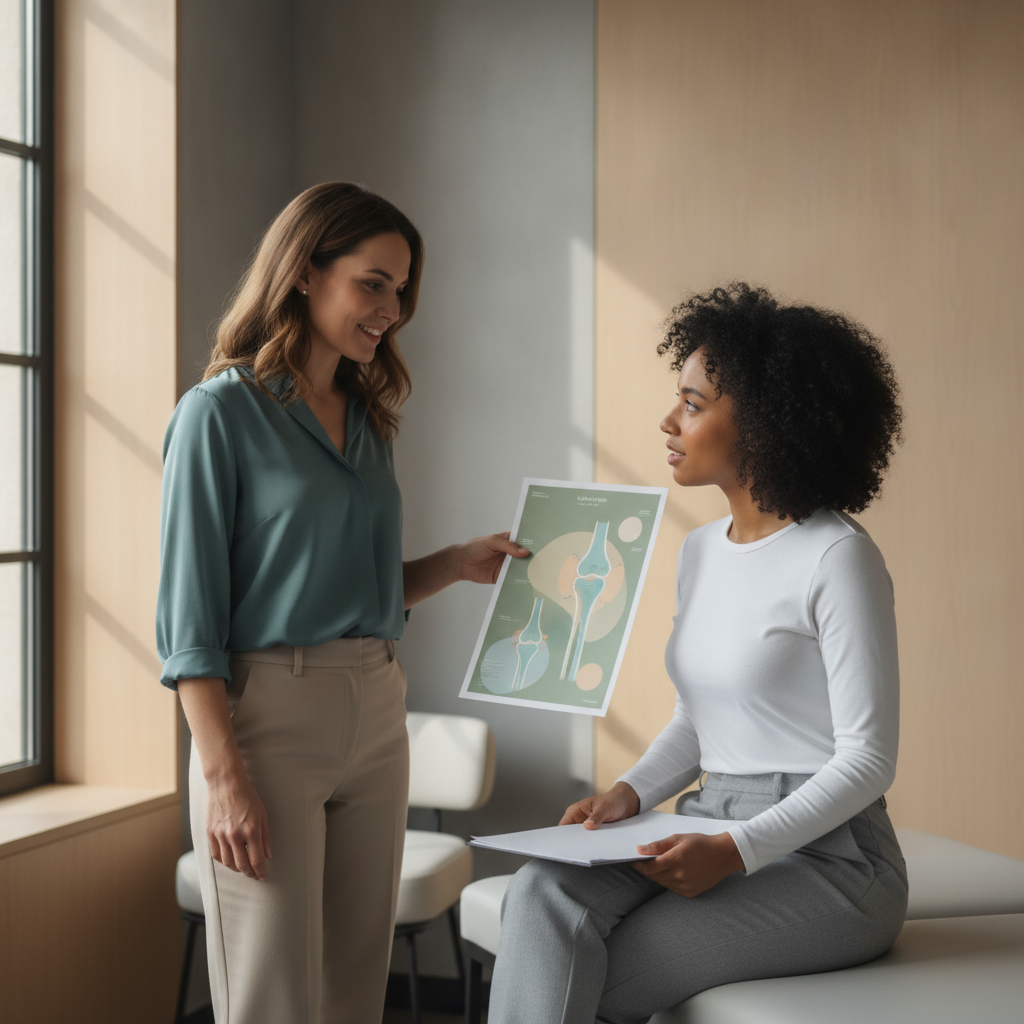
When it comes to maintaining bone and joint health, many individuals, particularly women, find themselves overwhelmed by the sheer amount of information available. From understanding osteoporosis to managing joint conditions, the topics can seem daunting. This confusion often stems from a mix of inadequate personal knowledge, varying medical advice, and the challenge of integrating healthy practices into busy lifestyles. As a result, many women neglect the necessary steps to protect their bone and joint health over the years, which can lead to significant long-term consequences.
Taking intentional action toward improving bone and joint health is paramount, not just for avoiding painful conditions but also for enhancing overall quality of life. Understanding nutritional needs, engaging in the right physical activities, and being aware of your body's signals can significantly impact your bone density and joint mobility. This proactive approach requires not only information but also the motivation to act on it, making it essential to implement effective health strategies in your daily routine.
1. Understanding Osteoporosis: The Silent Epidemic
Osteoporosis often goes unnoticed until a fracture occurs, making it particularly treacherous for women, especially post-menopause. Understanding the nature of osteoporosis is crucial for prevention. This condition involves a gradual decrease in bone density, impacted by factors such as hormonal changes, diet, and lifestyle choices. By raising awareness about your own risk factors—like age, family history, and specific health conditions—you can take proactive steps to mitigate these risks.
Real-world application of this knowledge involves regular bone density screenings, discussion with healthcare professionals about preventive measures, and incorporating weight-bearing exercises into your routine. Mistakes often made in this area include underestimating lifestyle influences and neglecting to address early symptoms. Recognizing the risks and making informed decisions today translates to stronger bones to support you in later years.
2. Nutrition: The Foundation of Bone Health
A well-balanced diet is not just beneficial but essential for maintaining strong bones. Key nutrients such as calcium and vitamin D form the backbone of bone health, facilitating the development and maintenance of bone structure. Calcium-rich foods like dairy, leafy greens, and fortified items should be staples in your diet, while vitamin D helps your body absorb calcium effectively.
However, the challenge often lies in knowing how to diversify your intake. A common pitfall is relying solely on supplements without focusing on whole food sources. Additionally, consider potential tradeoffs between dietary restrictions, such as lactose intolerance or vegan diets, which may limit certain nutrient sources. Engaging a nutritionist specialized in women's health can provide tailored advice, ensuring you're meeting all necessary dietary requirements for optimum bone health.
3. Engaging in Physical Activity
Regular physical activity is crucial for both bone density and joint health, with a focus on incorporating weight-bearing exercises, resistance training, and flexibility activities. Engaging in strength training helps build muscle around joints, providing essential support and stability. However, many women misinterpret 'exercise' as being limited to high-impact activities or lengthy gym sessions; walking, yoga, and even gardening are also effective for maintaining bone health.
It's important to tailor your exercise regime to your current fitness level and any underlying conditions you may have. Missteps often include overdoing it and risking injury or burnout. Instead, think about gradual progress and variety, making your workout enjoyable and sustainable. Listening to your body for signs of strain can prevent setbacks and promote a healthier lifestyle.
4. Hormonal Health: A Key Player
Hormonal fluctuations can have profound effects on your bone and joint health. Estrogen, for instance, plays a vital role in maintaining bone density. During menopause, the decline in estrogen levels can lead to accelerated bone loss. This highlights the importance of hormonal health monitoring and possibly seeking hormone replacement therapy (if recommended by healthcare providers).
Women often neglect to discuss hormonal changes and their repercussions on bone health with their physicians, leading to gaps in understanding personal risk and management strategies. Acknowledging these changes and adjusting lifestyle practices accordingly—such as through nutrition or specific exercises—can help mitigate bone density loss associated with aging. Being proactive here can have lifelong benefits.
5. Listening to Your Body: Joint Care Awareness
Recognizing warning signs in your joints is crucial. Pain, swelling, or reduced mobility can be early indicators of underlying issues such as arthritis or tendonitis. Women, in particular, may dismiss these signs or attribute them to aging, but early intervention can make a significant difference in treatment efficacy and lifestyle adaptation.
Understanding your body's cues promotes a proactive approach to joint health. Mistakes here often include ignoring discomfort until it becomes debilitating, highlighting the need to consult health professionals when changes occur. By addressing these issues early, you can explore treatment options, physical therapy, and modifications to your activities that support joint integrity and function.
6. Stress Management and Mental Wellness
Stress directly impacts physical health, including bone and joint wellness. Chronic stress leads to inflammatory conditions which, over time, can contribute to joint pain and deterioration. Understanding the connection between mental wellness and physical health is vital, especially for holistic care approaches.
Engaging in practices like mindfulness, yoga, or even hobbies that you enjoy can help manage stress levels. Many people underestimate the importance of mental health in their overall wellness journey. Balancing emotional and physical health translates to improved outcomes in tangible aspects of bone and joint health, showing the interconnectedness of body and mind.
This TikTok video encapsulates simple exercises that can support bone and joint health, demonstrating how easy it can be to integrate activity into your daily routine. Visual learning reinforces the importance of maintaining an active lifestyle, highlighting that even short sessions can yield significant long-term benefits.
| Approach | Benefits | Potential Tradeoffs |
|---|---|---|
| Weight-Bearing Exercises | Boost bone density, improve balance | Risk of strain if overexerted |
| Nutrition Focus (Calcium/Vitamin D) | Stronger bones, reduced fracture risk | Possible dietary restrictions can limit sources |
| Hormonal Monitoring | Improved personal risk assessments | May require medical intervention |
| Stress Management | Reduced pain, improved overall well-being | Requires commitment to practice regularly |
This second video reinforces the importance of mental wellness techniques and their direct link to physical health. It emphasizes that every stride taken toward reducing stress can aid in promoting healthier bones and joints, ultimately enhancing your overall health profile.
Common Mistakes to Avoid
- Ignoring early signs of discomfort or pain.
- Over-relying on supplements instead of whole foods.
- Neglecting to adapt exercise routines to personal capacity.
- Failing to seek professional advice about hormonal changes.
- Disregarding the significance of mental health in physical well-being.
Measuring Your Progress
Assessing progress over time is essential for maintaining motivation and understanding the impact of your strategies on bone and joint health. Short-term changes might not be immediately observable, but tracking progress through regular check-ups, bone density screenings, and self-reflection on pain levels and mobility can reveal trends. Keeping a health journal can aid this process, allowing you to document dietary habits, physical activity, and emotional states.
It's important to set realistic, long-term goals rather than aiming for immediate perfection. Instead, consider a gradual journey with milestones to celebrate along the way. This approach not only fosters a sense of accomplishment but helps you remain committed to lifelong health practices. Remember, the journey to optimal bone and joint health is ongoing—patience and consistency are key.