Understanding Skin, Hair, and Beauty Health
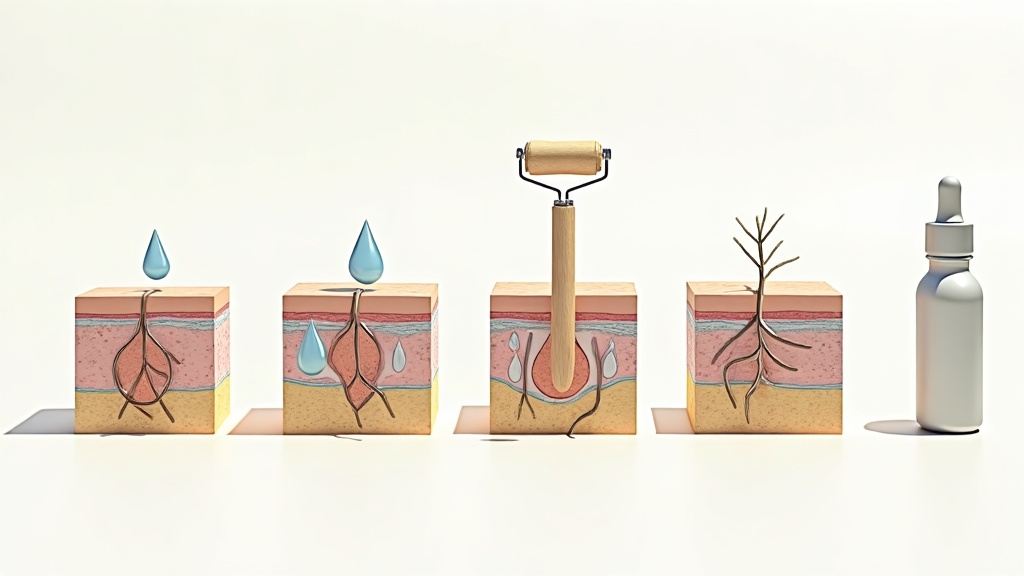
Skin, hair, and beauty treatments are crucial components of overall health and well-being. They aren’t just about aesthetics; these elements reflect our internal health, emotional state, and lifestyle choices. For anyone looking to improve their self-care routine or address specific skin or hair issues, having a solid grasp of the underlying science can make all the difference. With dermatology-informed guidance, individuals can navigate the myriad of products and therapies available, ensuring they make informed decisions that are right for their unique needs.
This subject matters immensely because our skin and hair serve as both protective barriers and a canvas for self-expression. Changes in these areas often indicate shifts in health, stress, or environmental factors, making it essential to understand how to care for them properly. Knowing what ingredients to look for, what treatments are effective, and how lifestyle impacts our beauty routines is key to achieving and maintaining healthy skin and hair.
The Science Behind Skincare
Skincare is a dynamic field grounded in dermatology and biochemistry. Learning about the various skin types—oily, dry, combination, and sensitive—helps tailor care regimens to individual needs. This tailored approach is crucial, as each skin type can react differently to products and treatments. Understanding the properties of ingredients such as acids, antioxidants, and emollients enables informed choices that enhance skin health.
Moreover, the skin acts as a barrier defending against external aggressors. Recognizing its layers and functions informs our choices around hydration, protection, and treatment, emphasizing the need for a comprehensive skincare routine that includes cleansing, moisturizing, and sun protection. When you know what to prioritize, you can better address concerns like acne, aging, and pigmentation.
This video offers a concise overview of different skin types and the most effective ingredients to use for each. It emphasizes the importance of understanding your skin's unique needs, which is crucial for creating a personalized skincare regimen. By visualizing how each product impacts various skin types, viewers can make educated choices that lead to healthier skin over time.
Key Elements of Hair Care
Hair health is similarly multifaceted and influenced by an array of factors, including genetics, diet, and environmental stressors. It's vital to know the different hair types—straight, wavy, curly, and coily—each requiring tailored products and styling techniques. For instance, products that hydrate and nourish may be beneficial for curly hair, while fine hair may require volumizing products that prevent weighing it down.
Additionally, scalp health is often overlooked but is integral to overall hair health. Conditions like dandruff or dryness can severely impact hair growth and appearance. Incorporating regular treatments and understanding the role of pH balance and oil production can enhance both scalp and hair condition, leading to fuller, shinier tresses.
Beauty Treatments: Exploring Options
With the rise of new beauty treatments ranging from professional procedures to at-home products, it can be overwhelming to sift through options. Understanding the pros and cons of various treatments like chemical peels, microneedling, or laser therapies is essential in making informed choices. Each of these methods carries unique benefits, potential side effects, and recovery times that should align with personal goals and lifestyles.
Moreover, the use of natural and organic products in beauty routines has gained traction. While these options can be appealing, it’s crucial to understand what they actually offer versus traditional products. Educating oneself on ingredient efficacy and safety can lead to healthier results while avoiding reactions or disappointments.
This video delves into popular beauty treatments available today, outlining what to expect from them. Viewers gain insight into both the immediate and long-term effects of these treatments, helping them to decide which might align with their beauty goals. By fostering a better understanding of available options, individuals can select treatments that effectively cater to their specific concerns.
Integrating Holistic Approaches
The pursuit of beauty isn’t just about external products; it also involves a holistic approach that considers diet, hydration, and mental health. Nutrition plays a crucial role in maintaining skin elasticity and hair vitality. Incorporating a balanced diet rich in vitamins and minerals can significantly enhance how you look and feel, highlighting the connection between internal health and outer beauty.
Additionally, stress management techniques, such as mindfulness or regular exercise, contribute to overall skin and hair health. Stress can lead to various skin conditions and hair loss, so finding effective ways to manage and reduce stress must be part of any skincare or haircare routine. The synergy between physical and mental well-being is strong, affirming that beauty truly comes from a holistic view of health and wellness.
Essential Strategies for Radiant Skin, Lush Hair, and Timeless Beauty
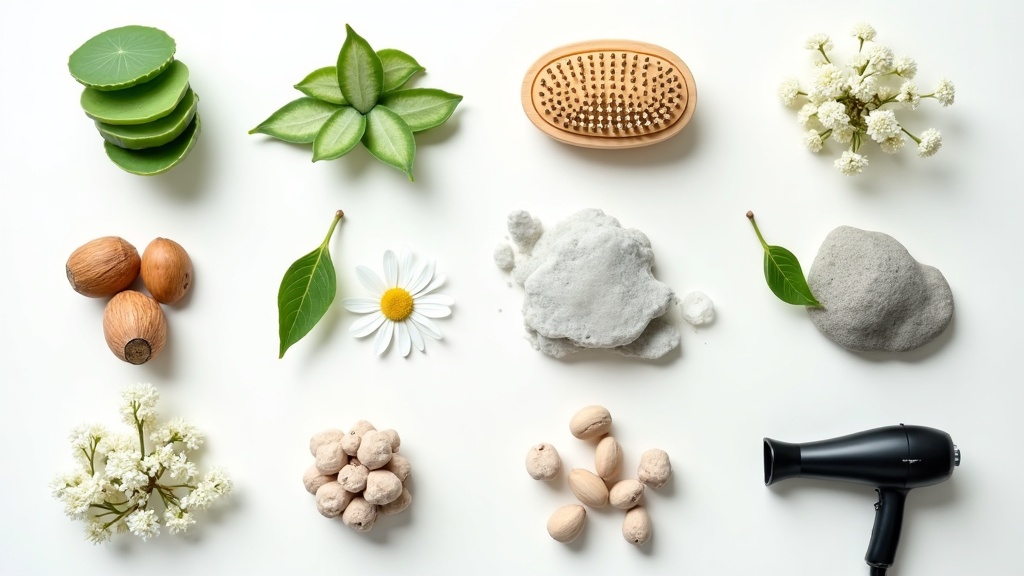
In the world of skin, hair, and beauty, our choices can significantly influence not just appearance, but also overall health. The vast array of products and treatments available nowadays makes it easy to get overwhelmed, yet understanding the right strategies can empower you with the knowledge to make informed decisions. This guide delves into meaningful insights that go beyond surface-level advice, helping you navigate the multifaceted realms of skincare, haircare, and beauty treatments.
Addressing concerns related to skin and hair isn't merely about vanity; it impacts self-esteem and mental well-being. Many people grapple with misinformation and marketing jargon, making it crucial to discern effective approaches that are scientifically backed. As you explore these insights, consider how they relate to your own beauty journey and the wellness considerations that underpin them.
-
Understanding Your Skin Type
Identifying your skin type is foundational to effective skincare. Whether it's oily, dry, combination, or sensitive, each type requires tailored ingredients and products. For instance, oily skin thrives on lightweight, non-comedogenic formulas, while dry skin benefits from rich moisturizers that lock in hydration.
When selecting products, consider how the texture and ingredient composition align with your skin’s needs, unveiling a more radiant complexion while avoiding potential irritations.
-
The Role of Nutrition and Hydration
Your diet plays a vital role in skin health and can be a powerful ally in your beauty routine. Nutrients such as vitamins C and E, omega-3 fatty acids, and antioxidants contribute to glowing skin. Additionally, staying adequately hydrated helps maintain skin elasticity and complexion.
Incorporating these nutrients into your daily meals aids in achieving a balanced and healthy beauty regimen that reflects from within.
-
Skincare Routine: Consistency is Key
Establishing a dedicated skincare routine fosters long-term results. Begin with cleansing, followed by toning, treating, and moisturizing, tailored to your skin’s requirements. Consistency ensures that your skin adapts and thrives under the regimen, revealing gradual improvements.
This video emphasizes the importance of a structured skincare routine, showcasing different steps that cater to various skin types. Visual demonstrations clarify often confusing product applications, reinforcing the significance of technique in achieving desired results. By following through with a consistent routine, your skin can flourish over time.
-
Choosing the Right Haircare Products
Just like skin, hair also has specific needs based on its texture and condition. Whether your hair is straight, wavy, curly, or coily, understanding its unique properties is crucial. Select shampoos and conditioners that are sulfate-free and enriched with essential oils or proteins tailored to fortify your hair.
A targeted haircare regimen not only nourishes your locks but also minimizes damage, making healthy styling a reality.
-
Routine Treatments for Skin and Hair
Regular treatments such as exfoliation, masks, and hair masks can make a significant impact. Exfoliation promotes cellular turnover, allowing fresh skin to emerge, while hydrating masks replenish moisture levels crucial for both skin and hair vitality.
Integrating these treatments into your routine provides a boost for achieving glowing skin and lustrous hair, enhancing your overall beauty profile.
-
Influence of Stress and Sleep on Beauty
Both stress and inadequate sleep can manifest physically, affecting skin texture and hair health. Chronic stress leads to hormonal imbalances, which may precipitate conditions like acne or hair loss. Prioritizing mental wellness and quality sleep can offset these issues.
The video shared here emphasizes the critical connection between mental health, sleep quality, and beauty. By understanding these links, viewers can appreciate how holistic approaches can lead to lasting beauty benefits. Addressing stress management and sleep hygiene can serve as a transformative element in your beauty journey.
-
The Science Behind Anti-Aging
Understanding the science behind aging skin is integral to smart beauty choices. Ingredients like retinoids, hyaluronic acid, and peptides work at the cellular level to diminish the appearance of fine lines and improve elasticity. Recognizing how these ingredients function helps in curating a more effective anti-aging regimen.
Being informed allows you to make better purchasing decisions and harness the power of proven ingredients to maintain youthful skin.
-
Emerging Trends: Natural and Sustainable Options
As beauty enthusiasts increasingly lean toward sustainability, natural and organic products are gaining traction. These options often contain fewer chemicals and are friendlier to both the skin and environment. Knowing how to evaluate these products can direct you toward effective, eco-conscious beauty choices.
By embracing these trends, you can feel confident that your beauty routine aligns with both personal health and broader ethical considerations.
| Strategy | Focus Area | Key Benefit |
|---|---|---|
| Identifying Skin Type | Skin Health | Tailored Products |
| Nutrition and Hydration | Diet | Improved Glow |
| Consistent Skincare Routine | Skincare Regimen | Long-Term Results |
| Choosing Right Haircare Products | Hair Health | Enhances Texture |
| Routine Treatments | Exfoliation and Masks | Boosts Vitality |
| Manage Stress and Sleep | Mental Wellness | Improves Beauty |
| Science of Anti-Aging | Ingredients | Reduces Fine Lines |
| Natural and Sustainable Options | Product Choice | Environmentally Conscious |
Understanding Common Misconceptions in Skin, Hair, and Beauty Care
When it comes to skin, hair, and beauty, many individuals face a myriad of misconceptions that can complicate their decisions. These misunderstandings can stem from overflowing information available online, trends that don’t hold up in scientific scrutiny, or personal anecdotes that may not apply universally. Simple advice often falls short, leaving individuals confused about what really works for their bodies and lifestyles. Since skin and hair care is not one-size-fits-all, recognizing the intricacies of various products and routines is essential for achieving desired results.
Moreover, navigating the complexities of beauty treatments can be daunting. People often assume that expensive products are inherently better or that all-natural ingredients are always the safest. However, the effectiveness of a product can depend on numerous factors, including skin type, allergies, and lifestyle choices. Engaging with this spectrum of knowledge is vital for making informed decisions that truly cater to one’s individual needs.
Ultimately, understanding these nuances can lead to more satisfying results and a healthier perspective on beauty. Rather than relying solely on trends or advice from uninformed sources, diving deeper into the science behind skin, hair, and beauty treatments opens the door to more effective and personalized care.
What do most people misunderstand about the effectiveness of over-the-counter skincare products?
Many individuals believe that price is a strong indicator of product efficacy, leading them to invest in high-end brands under the assumption they will deliver superior results. However, the reality is that many affordable skincare products include clinically proven active ingredients that rival those found in luxury lines. Hence, assessing ingredients rather than price points becomes crucial for those seeking effective solutions.
Moreover, over-the-counter products often target particular skin concerns, but not every formulation will work for every skin type. For instance, a product designed for oily skin may exacerbate dryness for someone with sensitive skin. Understanding one’s skin type, rather than relying on marketing claims, can significantly influence the success of a skincare routine.
Finally, people often expect instant results from these products. In reality, skincare requires time and consistency before observing any notable changes. Immediate satisfaction may lead to product hopping and inconsistent routines, ultimately hindering progress.
Why do many people feel that natural ingredients are always safer for their skin?
The perception that natural ingredients are inherently safer stems from a general distrust of synthetic compounds. Consumers often feel more comfortable applying products containing elements they can recognize, such as plant extracts. However, "natural" does not equate to "non-irritating" or "non-allergenic." For example, many individuals with sensitive skin can react adversely to essential oils, which may be considered “natural” yet highly irritating.
Additionally, the efficacy of natural ingredients can vary significantly. While some plant-based compounds have robust clinical backing, others do not. For instance, tea tree oil has been demonstrated to help with acne, but many other herbal ingredients lack the same level of scientific validation. This can lead to confusion about what truly benefits the skin versus what merely offers anecdotal appeal.
Moreover, the production and sourcing of natural ingredients can sometimes introduce contaminants or allergens, posing risks that consumers might not consider. Understanding the nature of both natural and synthetic options can help demystify safety perceptions and guide more informed choices.
Is it actually better to use multiple skincare products rather than focusing on a minimalist routine?
The debate between multiple products versus a minimalist approach is rife with opinions, yet the effectiveness often hinges on individual skin needs and lifestyles. Some people thrive on multi-step routines that layer various products for specific benefits, such as hydration, exfoliation, and protection. However, this can lead to overloading the skin, potentially resulting in irritation or acne.
On the other hand, a minimalist routine can simplify decision-making and reduce the potential for adverse reactions. For many, focusing on only the essentials—like a cleanser, moisturizer, and sunscreen—can lead to clearer skin and a more sustainable regimen. This does not mean one should adopt an indiscriminately simple approach; understanding one’s unique skin type and needs plays a vital role in determining the best strategy.
Ultimately, the focus should be on effectiveness rather than quantity. A tailored regimen that respects the skin’s natural balance is often more powerful than merely piling on products for the sake of variety.
How does this affect long-term outcomes for hair treatment routines?
Just like skincare, long-term hair care outcomes depend heavily on the routine and products used over time. However, many individuals neglect the importance of consistency, often switching brands or methods too frequently based on short-term results or trendy advice. This can lead to hair becoming sensitized or damaged rather than thriving.
Individuals who adopt a long-term, science-backed hair care routine, incorporating nourishing ingredients and targeted treatments, often find themselves in a better position for maintaining hair health as they age. For instance, regular use of conditioners with keratin can aid in the long-term strength of hair, while over-using harsh clarifying shampoos can lead to dryness and brittleness.
Moreover, understanding the dynamics of hair growth and health can guide better decisions. Factors such as diet, stress, and environmental elements significantly impact the hair’s condition. Taking a holistic view that includes nutrition and lifestyle choices can yield lasting benefits, rather than focusing solely on topical solutions.
What happens when consumers disregard product expiration dates?
Ignoring product expiration dates can have serious implications for both skin and hair health. Many users may not realize that skincare products can degrade over time, leading to altered effectiveness and even the potential to harbor bacteria. This is particularly true for products that contain organic ingredients or are free from preservatives.
Moreover, using expired products can lead to adverse reactions, such as breakouts or irritation. Often, individuals attribute these issues to their skincare routine at large rather than a decline in specific product quality. For example, a moisturizer that has exceeded its shelf life may lose its hydrating capabilities, leaving skin feeling parched.
Overall, maintaining awareness of expiration dates is crucial for ensuring that the desired benefits of skincare products are realized. Regularly cleaning out and replacing outdated products not only adheres to best practices but also keeps individuals attuned to what ingredients are working for them.
Why do many individuals overlook the importance of professional consultations for skin and hair care?
Many individuals opt for self-diagnosis and over-the-counter solutions, underestimating the value of professional advice in achieving optimal results. Consulting a dermatologist or trichologist allows one to receive personalized recommendations that consider individual skin and hair types, conditions, and goals. Yet, a common misconception persists that these consultations are only for severe issues or emergencies.
In reality, proactive consultations can help identify potential concerns before they escalate. For example, early detection of skin abnormalities can lead to better management of conditions like acne or eczema. Furthermore, a professional can offer insights into the most effective ingredients and routines tailored to one’s unique needs, which is particularly valuable in a market inundated with choices.
Additionally, professional consultations can enhance one’s understanding of the science behind skincare and hair treatments. This knowledge can empower individuals to become more discerning consumers who can differentiate between marketing ploys and effective strategies, ultimately leading to better long-term outcomes.
What do consumers commonly misunderstand about the effects of diet on skin health?
Many people often dismiss the connection between diet and skin health, thinking topical treatments alone can resolve issues like acne, dryness, or inflammation. However, the reality is that what is consumed significantly impacts the skin’s appearance and structure. For instance, diets high in sugars and processed foods can exacerbate skin conditions and lead to premature aging.
Conversely, nutrient-rich foods, particularly those rich in antioxidants, omega-3s, and vitamins, have been shown to support skin health. Elements such as leafy greens, fish, nuts, and berries can contribute to a clearer and more radiant complexion. Understanding this relationship adds another layer to skin care, recognizing that beauty truly begins from within.
Additionally, hydration plays a critical role. Many overlook the importance of water consumption in maintaining skin elasticity and hydration levels, often chasing after moisturizers to counteract dehydration. Recognizing that internal hydration supports external skin health can lead to more comprehensive personal care routines that address both dietary choices and topical applications.
How do individual lifestyle factors complicate skincare choices?
When it comes to making decisions around skincare, individual lifestyle factors dramatically influence what may work for one person but not another. Factors such as climate, stress levels, and activity levels can alter skin behavior, impacting everything from oil production to sensitivity. For instance, someone living in a humid environment may require lighter formulations, while those in drier areas might need richer creams.
Moreover, everyday activities, such as exercise and sun exposure, also necessitate adaptable routines. Individuals who spend more time outdoors may need products with robust UV protection and ingredients that combat oxidative stress, while those who prioritize indoor activities might focus on hydration and repair. The misconception that there’s a universal skincare solution can lead individuals astray, causing them to overlook essential lifestyle considerations.
Ultimately, understanding these personalized factors can help individuals curate a skincare routine more adaptive to their lifestyles, leading to more effective outcomes and a heightened sense of confidence.
| Factor | Traditional Thinking | Informed Perspective |
|---|---|---|
| Product Efficacy | High price equals high quality | Ingredient transparency is crucial; efficacy varies |
| Safety of Ingredients | Natural is always safer | Both natural and synthetic can irritate; evaluate per ingredient |
| Routine Complexity | More products mean better results | Focused, simplified routines can be more effective |
| Professional Guidance | Only necessary for severe issues | Proactive consultations yield better preventative care |
| Interior Factors | Topicals alone address skin issues | Diet, hydration, and lifestyle influence skin health significantly |
Mastering Your Skin, Hair, and Beauty Routine
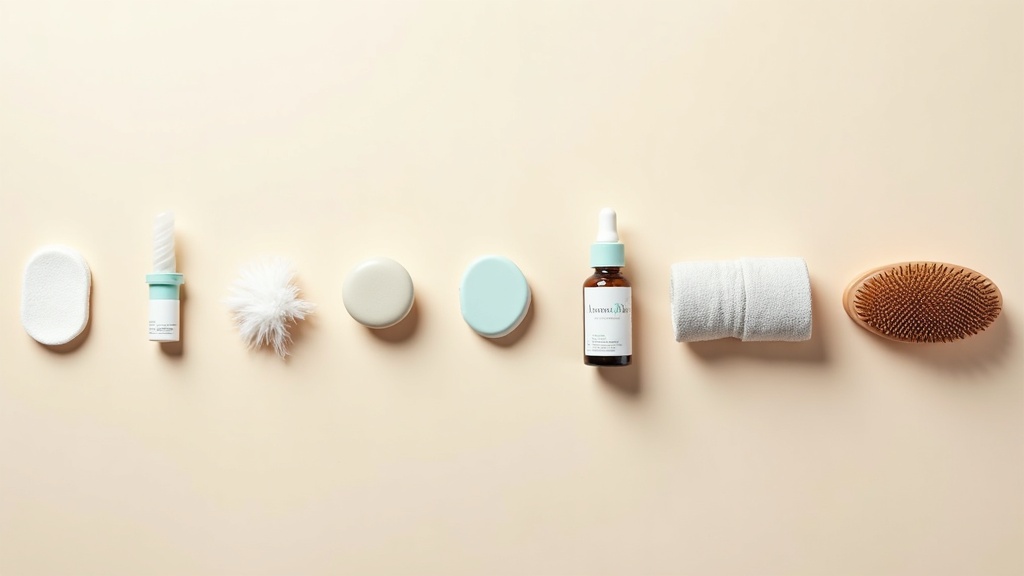
Many individuals find themselves lost in the multifaceted world of skincare, haircare, and beauty treatments. The vast array of products and conflicting information can make it challenging to adopt a consistent and effective routine. Moreover, the pressure from social media and beauty trends can lead to hasty decisions rather than a thoughtful approach grounded in personal needs and skin type. This chaos often results in trial and error, frustration, and, in some cases, compromised skin health or ineffective hair care.
Understanding the scientific basis behind different treatments and routines is essential. Successful skincare and beauty practices hinge on informed, tailored strategies that consider individual skin types, conditions, and goals. Engaging with reliable, research-backed resources can reduce confusion and foster effective routines that not only enhance beauty but also contribute to overall health and confidence.
Identify Your Skin Type
The first step in establishing an effective skincare routine is understanding your skin type. Whether your skin is oily, dry, combination, sensitive, or normal, each type has specific needs. This knowledge is pivotal as it guides product selection and treatment focus. For instance, those with oily skin might benefit from lightweight, oil-free moisturizers, while individuals with dry skin require richer creams that provide hydration.
To determine your skin type, observe how your skin behaves throughout the day. Pay attention to areas that might feel tight or excessively oily. Using skin type quizzes or consulting with a dermatologist can also provide insights. Understanding your skin type empowers you to make informed decisions about products, mitigating the risk of irritation or ineffective treatments and leading to better skin health over time.
Establish a Daily Routine
Once you know your skin type, crafting a daily skincare regimen becomes essential. At a minimum, this should include cleansing, toning, moisturizing, and applying sunscreen. Each step plays a vital role—cleansing removes dirt and oil, toning helps balance the skin's pH, moisturizing hydrates, and sunscreen protects from damaging UV rays.
It's important to note that consistency is key. Skincare is not a one-time effort but a continual process. Missed steps can lead to cumulative negative effects, such as clogged pores or premature aging. Hence, establishing a morning and evening routine that you can easily follow will enhance product efficacy and support long-term skin health.
Incorporate Active Ingredients Wisely
Active ingredients like retinoids, AHAs, BHAs, and vitamin C have proven benefits for various skin concerns. However, their powerful nature can also lead to irritation if not introduced properly. Start with one active ingredient at a time, allowing your skin to acclimate. This method helps avoid overwhelming your skin and lets you gauge how it reacts to each ingredient.
For example, introducing a retinol can improve texture and reduce wrinkles but may cause initial redness or peeling. By monitoring your skin's response, you can adjust frequency and concentration accordingly. Overuse can push skin barriers to their limits, resulting in adverse effects that could set back your skincare progress.
Haircare Tailored to Your Hair Type
Just as with skin, understanding your hair type—whether straight, wavy, curly, or coily—is critical for developing an effective haircare strategy. Each hair type reacts differently to various products and techniques. For example, those with curly hair may benefit from heavier creams and oils that provide definition and moisture, while straight hair might require lighter formulations to avoid weighing it down.
When choosing hair products, look for shampoos and conditioners specifically formulated for your hair type. Avoiding generic products can prevent issues like buildup or increased frizz. Additionally, incorporating treatments that target specific concerns, such as heat protection or hydration, will support healthier hair in the long run.
Skin and Hair Nutrition Connection
The health of your skin and hair is closely linked to your nutrition. A balanced diet rich in vitamins, minerals, and healthy fats can significantly influence your beauty regimen. Omega-3 fatty acids, antioxidants, and vitamins A, C, and E are vital for enhancing skin elasticity, promoting cell turnover, and maintaining healthy hair growth.
Incorporating a variety of colorful fruits and vegetables, lean proteins, and healthy fats into your diet is crucial for optimizing your skin and hair results. Remember, beauty starts from within, and what you consume plays a significant role in how you present yourself to the world. Monitoring your dietary habits will pave the way for an effective internal and external beauty strategy.
This video illustrates various skincare routines tailored to different skin types, demonstrating how a personalized approach can lead to significant improvements. By showcasing step-by-step daily routines, it connects effectively with the core concepts we've covered, reinforcing the importance of tailored practices for achieving desired outcomes in skin health.
| Approach | Pros | Cons |
|---|---|---|
| Generic Products | Convenient access, low cost | May not address specific needs |
| Tailored Regimen | Effective results, personal fit | Higher cost, requires research |
| Consulting Professionals | Expert advice, custom products | Time-consuming, may be expensive |
This video provides additional tips on recognizing specific skin issues and how to elevate your routine accordingly. It stresses the importance of customization and helps viewers better understand the nuances of skincare, offering a deeper exploration into achieving radiant skin tailored to individual needs.
Common Missteps in Skincare and Beauty
- Relying on trends over personal needs
- Neglecting the importance of patch testing
- Skimping on sun protection
- Changing products too frequently
- Ignoring the power of hydration and nutrition
- Waiting too long to seek professional advice
Measuring Your Beauty Progress
Tracking your progress in skin and hair health can be challenging but is necessary for evaluating the effectiveness of your routine. Take before-and-after photos, note changes in your skin’s texture or appearance, and monitor your hair's health over time. It's essential to assess both short-term victories and long-term sustainability.
Avoid comparing your progress to others, as individual results will vary based on genetics, environment, and lifestyle. Instead, focus on personal growth and the gradual improvements you see over time, leading to healthier habits and confidence in your skin, hair, and beauty journey.