Unraveling the Confusion Around Adult Acne
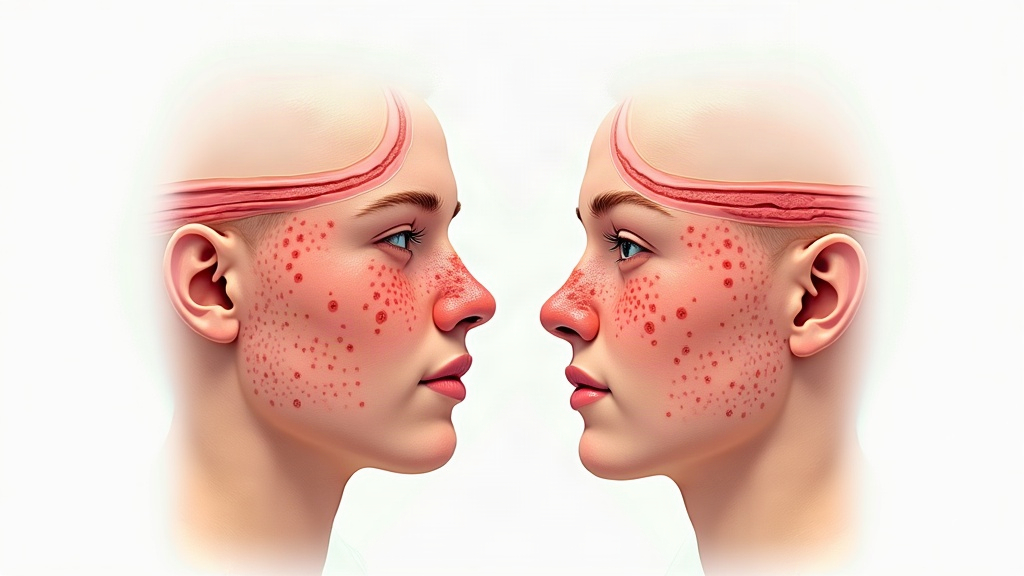
Adult acne is often misunderstood, leading to widespread confusion among those affected. What many fail to recognize is that the underlying causes of adult acne are typically hormonal and inflammatory, contrasting sharply with the comedonal acne frequently experienced during the teenage years. This distinction is crucial not just for treatment, but also for setting realistic expectations about the condition and its management. Adults facing acne often bring a different set of experiences, expectations, and stressors that can complicate both the situation and the solutions.
Deciding on an effective treatment for adult acne can be surprisingly complex. Many adults draw from their teenage experiences with acne, only to find that solutions that once worked are now ineffective. Factors such as hormonal fluctuations, diet, lifestyle choices, and stress levels can significantly influence the skin’s condition. Consequently, navigating recommendations from friends, family, and even online resources can lead to a maze of conflicting advice that does not address their unique needs.
Moreover, many adults may hold misconceptions about adult acne that can lead to frustration and ineffective solutions. For instance, there is often a belief that all acne is the same, or that the same remedies will work across different life stages. In reality, adult acne demands a nuanced approach that considers age, hormonal balance, and even mental well-being. Without understanding these subtleties, individuals may miss the mark entirely in caring for their skin.
Why do many people underestimate the impact of hormonal fluctuations on adult acne?
The relationship between hormonal changes and adult acne is complex and often underestimated. Many adults assume their breakouts result purely from external factors like diet or hygiene and overlook the significant role that hormones play, particularly in women who may experience acne during monthly cycles, pregnancy, or menopause. This misunderstanding can lead to ineffective treatments that do not address the root cause.
When hormone levels fluctuate, they can trigger an increase in oil production in skin glands, leading to clogged pores and breakouts. Understanding this dynamic is crucial, particularly for women. Many fall into the trap of blaming external factors alone, such as skincare practices or lifestyle choices, thereby prolonging the cycle of frustration and suboptimal treatment.
Addressing hormonal issues often requires a multifaceted approach, incorporating factors like stress management, dietary adjustments, and potentially even medical interventions. Embracing the hormonal aspect of acne can empower individuals to seek tailored solutions instead of broad-spectrum remedies that fail to account for their unique physiological landscape.
What do most people misunderstand about the role of diet in adult acne?
Diet often comes under scrutiny in the conversation about acne, yet its role is frequently misunderstood. Many believe that all greasy or sugary foods are culprits, while others defend their indulgences despite ongoing breakouts. In truth, while diet can indeed influence skin health, its effects may not be as direct as many assume. It’s not solely about avoiding certain foods; it’s about identifying how different foods affect your individual body.
Emerging research suggests that foods with a high glycemic index and dairy products may exacerbate acne in some individuals, but these links are not universal. Factors such as gut health and individual nutritional needs play a significant role in overall skin condition. This misunderstanding may lead people to follow fad diets or extreme restrictions, depriving themselves of necessary nutrients, without addressing the genuine triggers of their acne.
To navigate this complexity, individuals are encouraged to adopt a balanced diet rich in whole foods, minimize processed options, and consider keeping a food diary to identify potential triggers. However, it's essential to recognize that while diet can contribute, it often interacts with a web of other factors, including hormones and skincare routines, making a holistic approach vital for seeing improvements.
How does stress contribute to adult acne in ways that are often overlooked?
Stress is often cited as a contributor to various health issues, but its specific impact on skin health, particularly adult acne, can be underestimated. Many think of stress as merely a psychological issue, but it has tangible physiological effects. When stressed, the body produces cortisol, a hormone that can lead to increased oil production in the skin, subsequently resulting in breakouts.
This connection means that stress management is an essential component of treating adult acne. Individuals may find themselves in cycles where stress causes acne, which in turn increases their stress levels as they become self-conscious about their skin. This feedback loop can create a tough situation that requires thoughtful intervention.
Many adults overlook stress reduction techniques in their quest for clear skin. Practices like mindfulness, yoga, or social engagement can diminish stress levels and, consequently, the likelihood of breakouts. Acknowledging stress as a factor in their treatment regimen can help individuals adopt a more comprehensive approach toward managing their skin’s health.
Is it actually better to use harsher products when dealing with adult acne, or can this do more harm than good?
There's a common misconception that harsher treatments, such as strong exfoliants or high-concentration active ingredients, will yield faster results for adult acne. However, this approach often backfires. Aggressive treatments can strip the skin of necessary oils and disrupt its natural barrier, leading to irritation, inflammation, and even more breakouts, a phenomenon often referred to as ‘reactive acne.’
What many fail to realize is that adult acne-prone skin often requires a gentler approach. Instead of relentless scrubbing or overly potent products, a balanced skincare routine combining gentle cleansing, targeted treatments, and moisturizing can be far more effective. A focus on nurturing rather than punishing the skin is essential to reducing inflammation and promoting healing.
Moreover, harsher products can lead to long-term skin damage, such as sensitivity or accelerated aging. Balancing the desire for quick results with the need for proper skin health is a critical decision point for adults facing acne challenges. Understanding this tradeoff can transform one’s approach to skincare into a more sustainable and health-focused journey.
What happens when individuals inadvertently treat adult acne as if it were teenage acne?
Many adults realize that their acne differs from teenage blemishes, yet they may still resort to familiar remedies from their past, believing these solutions will suffice. This overlap often overlooks the hormonal and inflammatory nature of adult acne, leading to frustration when traditional teen-focused treatments do not yield results.
For example, individuals might use products like harsh scrubs or pervasive benzoyl peroxide treatments that worked in adolescence but fail to consider their skin's evolving needs. This misalignment can aggravate existing conditions and complicate healing. Moreover, relying on outdated treatments may lead to missed opportunities to explore more effective, tailored interventions that consider their unique skin type and life stage.
Making the shift from treating skin issues through a lens of past experience to recognizing adult acne as a distinctly different challenge can lead to breakthroughs. Seeking out treatments designed with adult skin in mind opens the door for breakthroughs and insights that can facilitate healing and bring newfound confidence.
How does understanding the long-term implications of adult acne influence treatment choices?
Recognizing the long-term implications of adult acne is crucial but often overlooked in treatment regimens. It’s common for individuals to focus solely on immediate results, neglecting the potential long-term consequences of their choices. For instance, opting for aggressive treatments may provide quick fix solutions at the expense of skin health down the line, such as scarring or increased sensitivity.
Additionally, treating adult acne without regard for long-term skin health can perpetuate a cycle where newer therapies are sought instead of addressing underlying issues like hormonal imbalances or chronic stressors. This short-sightedness can lead to increased frustration, extended treatment times, and higher costs, both financially and emotionally.
Being mindful of long-term outcomes enables individuals to make informed decisions about their acne management. This perspective encourages seeking holistic approaches and solutions that may require patience but lead to enduring benefits. In this journey, understanding that adult acne management may involve more nuanced and proactive strategies can significantly enhance one’s experience and results over time.
What should adults know about the psychological impact of acne they often overlook?
The psychological toll of adult acne is a significant aspect that many people tend to overlook. While physical symptoms are often prioritized, the emotional and mental health implications are equally critical. Adults experiencing ongoing breakouts may suffer from lowered self-esteem, increased anxiety, and depression, which can perpetuate stress and exacerbate skin conditions.
This psychological impact can create a barrier for individuals in social situations or professional settings, leading to avoidance behaviors that can further compound feelings of isolation. The importance of mental well-being cannot be understated—disregarding the emotional effects of acne can lead to further complications, including decreased quality of life.
Recognizing and addressing these psychological impacts is crucial for a comprehensive approach to acne management. It may involve seeking therapeutic techniques, support groups, or self-advocacy strategies, alongside topical treatments. Engaging in open conversations about the emotional burden of acne can foster community and allow for shared experiences that help diminish feelings of isolation. By addressing both the psychological and physical aspects, individuals can pave a more productive path toward healing and acceptance.
| Consideration | Superficial Approach | Comprehensive Approach |
|---|---|---|
| Hormonal Factors | Ignoring hormonal impacts and focusing only on surface treatments. | Addressing underlying hormonal imbalances as part of the treatment plan. |
| Diet and Nutrition | Assuming all dietary modifications are beneficial without personalizing them. | Investigating specific food triggers and their effects on individual skin health. |
| Stress Management | Neglecting stress factors, believing they have no physical impact on the skin. | Incorporating stress relief methods as part of comprehensive skincare. |
| Product Strength | Using strong products in fear of not achieving quick results. | Choosing gentle, nurturing products that maintain skin health while treating acne. |
| Long-term Implications | Focusing solely on immediate results with no regard for long-term skin effects. | Understanding how treatment choices will affect skin health in the long run. |
| Psychological Impact | Focusing solely on physical symptoms, neglecting emotional consequences. | Recognizing and addressing the psychological effects alongside physical treatment. |
Understanding the Distinct Characteristics of Adult Acne

Adult acne presents unique challenges that differentiate it from teen acne, primarily due to its hormonal and inflammatory nature. As we progress into adulthood, different stressors, lifestyle choices, and hormonal fluctuations can contribute to breakouts, often leading to a more persistent and painful experience. This complexity means that addressing adult acne requires a nuanced approach that goes beyond the standard remedies of youth.
Considering the multifaceted causes and treatments of adult acne is essential for effective management. While teen acne can often be attributed to excess oil and clogged pores, adult acne frequently involves hormonal imbalances, stress-related factors, and environmental influences. Understanding these distinctions is key to implementing the right strategies for treatment and prevention.
-
The Role of Hormones in Adult Acne
Hormonal changes—especially fluctuations related to menstrual cycles, pregnancy, or menopause—can trigger acne flare-ups. Understanding how hormonal imbalances influence skin health can empower individuals to seek specific treatments tailored to their unique situations.
Utilizing hormonal treatments, such as oral contraceptives or other medications, may provide relief for those whose acne is deeply linked to hormonal shifts.
-
Inflammation vs. Comedonal Acne
While teen acne is often characterized by non-inflammatory comedones (whiteheads and blackheads), adult acne tends to involve more inflammatory lesions like papules and cysts. This shift can complicate treatment strategies, as anti-inflammatory approaches may be more effective.
Incorporating anti-inflammatory topicals or procedures can significantly improve outcomes for adults suffering from acne.
-
Stress and Its Impact on Acne
Stress is more than just a psychological challenge; it's a physiological trigger for acne development. The body's stress response can increase oil production and inflammation, exacerbating acne conditions. Recognizing the connection between stress and skin health is vital for management.
This video discusses how stress can lead to various skin issues, including adult acne. By understanding the mental health relationship with skin conditions, you can develop better coping mechanisms to mitigate stress-related breakouts.
Implementing stress management techniques and mindfulness practices may serve as complementary strategies in your acne treatment regimen.
-
The Influence of Diet on Skin Health
Dietary choices can have a significant impact on acne severity. For many adults, consuming high-glycemic foods and dairy products can exacerbate inflammation and lead to breakouts. Recognizing which foods may trigger acne flare-ups allows individuals to take a proactive approach.
Incorporating a balanced diet rich in whole foods, omega-3 fatty acids, and antioxidants may support clearer skin.
-
The Importance of Skincare Regimens
Establishing a tailored skincare routine is crucial for managing adult acne effectively. Gentle cleansing, regular exfoliation, and appropriate moisturization are essential in preventing acne breakouts while promoting skin health. A well-structured regimen can make all the difference in treatment outcomes.
Utilizing non-comedogenic products helps to keep pores clear and reduce the likelihood of future breakouts.
-
Identifying Triggers Beyond Hormones
Aside from hormonal influences, various external triggers such as pollution, skincare products, and even certain medications can contribute to adult acne. Understanding and identifying your specific triggers is vital for effective management.
This video illustrates how various lifestyle and environmental factors can lead to adult acne, helping you recognize patterns that may contribute to your skin issues. It's a vital reminder that treating acne often means addressing the whole lifestyle, not just the skin.
By keeping a comprehensive diary tracking breakouts, you can pinpoint and manage these external factors more effectively.
-
Consulting Dermatology Professionals
When over-the-counter solutions fail, consulting a dermatologist can provide a pathway to more effective treatment. Dermatologists can prescribe topical or systemic medications tailored to your specific type of acne, guiding you towards effective solutions.
Building a personalized care plan with a professional can enhance your chances of achieving clear skin.
-
The Psychological Effects of Adult Acne
Acne is not only a physical condition but also a psychological one. Adults experiencing significant acne may face emotional distress, often affecting self-esteem and social situations. Understanding this aspect can emphasize the importance of seeking support and effective treatment.
Addressing the emotional side through therapy or support groups can complement physical treatment, promoting overall well-being.
| Aspect | Teen Acne | Adult Acne |
|---|---|---|
| Primary Causes | Hormonal fluctuations, excess oil | Hormonal imbalances, stress, diet |
| Inflammation Type | Comedonal (whiteheads, blackheads) | Inflammatory (papules, cysts) |
| Stress Impact | Minimal | Significant |
| Typical Age Range | Pre-teens to late teens | 20s and beyond |
| Treatment Focus | Oil control, topical treatments | Hormonal therapy, diet changes, dermatology |
Navigating Adult Acne: Effective Strategies for Management
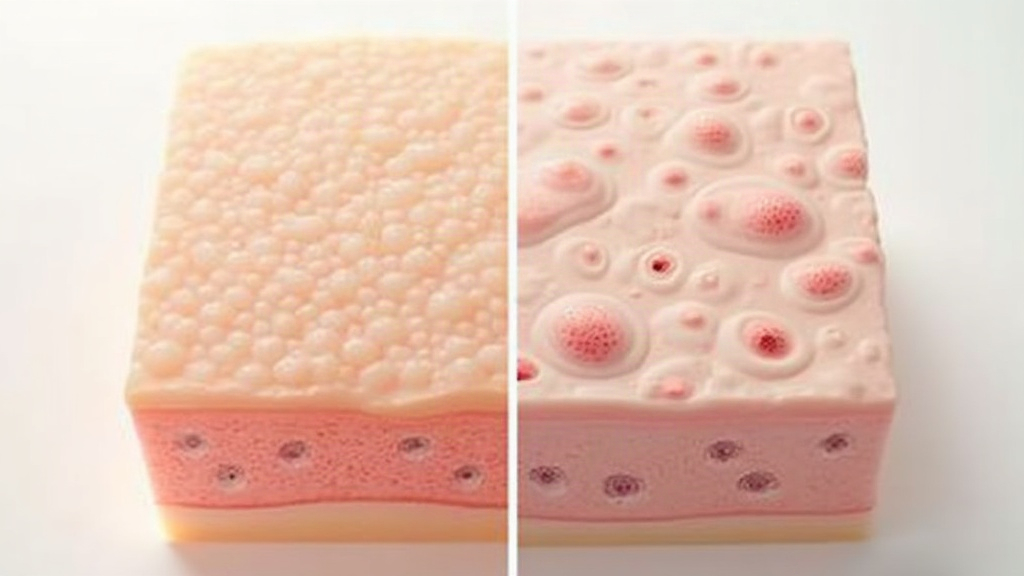
Many adults grappling with acne find themselves frustrated by this unexpected skin condition that often re-emerges after years of clarity. Unlike the acne experienced during adolescence, adult acne often stems from hormonal fluctuations, stress, and inflammation—factors that can be harder to control. The path to effective treatment can be littered with confusion: the extensive product options, varied treatment methods, and the interplay between diet, lifestyle, and skincare can leave individuals feeling overwhelmed. Understanding these nuances is essential for managing this type of acne effectively.
The transition into adulthood comes with its own set of skin challenges, and recognizing that adult acne differs fundamentally from teenage acne is crucial. When treatment strategies are misaligned with the underlying causes, issues often persist or worsen. Therefore, knowing how to identify and address these unique factors can lead to a more successful outcome. Below, we delve into practical steps you can take to manage adult acne intentionally and effectively.
1. Understand Your Acne Triggers
Identifying your specific triggers is foundational in managing adult acne. Unlike the comedonal acne of adolescence, adult acne is frequently hormonal or influenced by stress and lifestyle factors. For instance, women often notice breakouts in conjunction with their menstrual cycle due to hormonal fluctuations. By keeping a journal to track your symptoms in correlation with lifestyle changes—such as stress, sleep patterns, and diet—you can hone in on what exacerbates your skin issues.
Moreover, environmental factors also play a significant role. For example, pollution and exposure to certain skincare ingredients can worsen inflammation. Recognizing these triggers allows you to make informed decisions about skincare products and lifestyle adjustments, ultimately leading to clearer skin.
2. Focus on Inflammation Reduction
Most adult acne is inflammatory, meaning it's vital to prioritize treatments aimed at reducing redness and swelling. Ingredients like salicylic acid and benzoyl peroxide are critical allies in combating acne lesions. However, it’s essential to integrate them thoughtfully; overuse can lead to irritation, which ironically could trigger even more breakouts. Strive for a balanced routine that includes gentle cleansers, targeted treatment serums, and hydrating moisturizers to soothe your skin.
In addition to topical treatments, incorporating anti-inflammatory foods into your diet—such as leafy greens, fatty fish, and nuts—can help reduce overall inflammation within the body. This multifaceted approach targets the core of your acne issues, providing both immediate and long-term benefits.
3. Prioritize Stress Management
Stress is a significant player in adult acne development. During stressful periods, the body releases cortisol, which can lead to increased oil production and, consequently, breakouts. To combat this, consider integrating stress-reducing practices such as mindfulness meditation, yoga, or even regular physical exercise into your routine. These activities help lower stress levels and can have a profound impact on your skin's condition.
Additionally, fostering hobbies that bring you joy or relaxation can be effective in combating stress and its skin repercussions. Whether it’s painting, gardening, or reading, indulging in activities that provide fulfillment is an excellent way to support not only your mental health but also your skin's health.
4. Be Mindful of Skincare Products
Another layer of complexity in tackling adult acne is the variety of skincare products available, many of which can further irritate sensitive adult skin. Opt for non-comedogenic products that won't clog your pores, and pay attention to labels to avoid harsh irritants. Be wary of multi-functional products; while convenient, they can often contain ingredients that exacerbate breakouts.
Consider establishing a minimalist skincare routine focused on adhesion to quality over quantity. This means a gentle cleanser, a targeted treatment, and a suitable moisturizer. Navigating the skincare aisle can be overwhelming, but focusing on products tailored for sensitive, inflamed skin will help mitigate risks and promote a clearer complexion.
5. Consult Healthcare Professionals
If over-the-counter products and lifestyle changes fail to yield results, seeking guidance from a dermatologist becomes imperative. A professional can provide insights into your skin type, hormonal imbalances, or underlying health issues that could contribute to your adult acne, and recommend suitable prescription treatments such as retinoids or hormonal therapies.
Moreover, collaborating with a registered dietitian may be beneficial as they can help identify dietary choices aggravating your skin condition. Working alongside professionals provides tailored, expert-driven interventions that can lead to a clearer understanding of your skin health.
6. Maintain Consistent Care and Patience
Consistency is paramount when managing adult acne; it’s essential not to switch products too frequently or expect overnight results. Give your skin fair time—typically about 6 to 8 weeks—to react to a new product or treatment plan. Abrupt changes can disturb your skin further and exacerbate acne flare-ups.
Track your progress diligently, noting any improvements or adverse reactions. A methodical approach ensures that you’re not only observing the changes in your skin health but can also analyze the effectiveness of your current regimen. Patience, combined with intentional action, can make a considerable difference in achieving the skin clarity you desire.
This video walks you through the essentials of skincare for adult acne and illustrates the importance of understanding your specific triggers. By visualizing the product application process and the rationale behind each step, you can strengthen your daily routine and witness more effective outcomes.
| Approach | Pros | Cons |
|---|---|---|
| Topical Treatments | Non-invasive, accessible, immediate application | May cause irritation, need for consistent use |
| Dietary Changes | Improves skin health from within, promotes overall wellness | Requires lifestyle adjustment, gradual results |
| Stress Management | Reduces overall skin inflammation, enhances well-being | May take time to see benefits, requires commitment |
| Professional Consultation | Personalized treatment, expert guidance | May involve costs, potential wait times |
The table above lays out the pros and cons of different approaches to managing adult acne. This comparison offers clarity, providing a visual representation of what you might expect from each path, helping you make informed choices about your acne management plan.
In this second video, further insights on advanced treatment options are provided, covering professional treatments such as chemical peels and light therapy. Understanding these options expands your toolkit and might guide discussions with your dermatologist about the best course of action for your skin.
Common Mistakes in Managing Adult Acne
- Relying solely on one type of treatment without assessing its effectiveness.
- Neglecting to track progress, which can lead to a trial-and-error approach.
- Over-treating the skin with harsh products that cause irritation.
- Focusing too much on short-term results instead of long-term skin health.
- Ignoring the broader impacts of diet and lifestyle on skin conditions.
Evaluating Your Success with Skin Health
To gauge the effectiveness of your acne management strategies, employ realistic benchmarks. Measure progress through visible changes in your skin's texture and the frequency of breakouts rather than seeking idealized perfection. Additionally, consider how you feel emotionally and physically as your skin improves—this holistic approach often leads to a more rewarding experience.
Lastly, embrace the journey. It can take time to cultivate a clear complexion, so permit yourself grace during this process. With ongoing commitment to consistent care and acknowledging both short-term and long-term outcomes, achieving healthier skin becomes much more attainable.