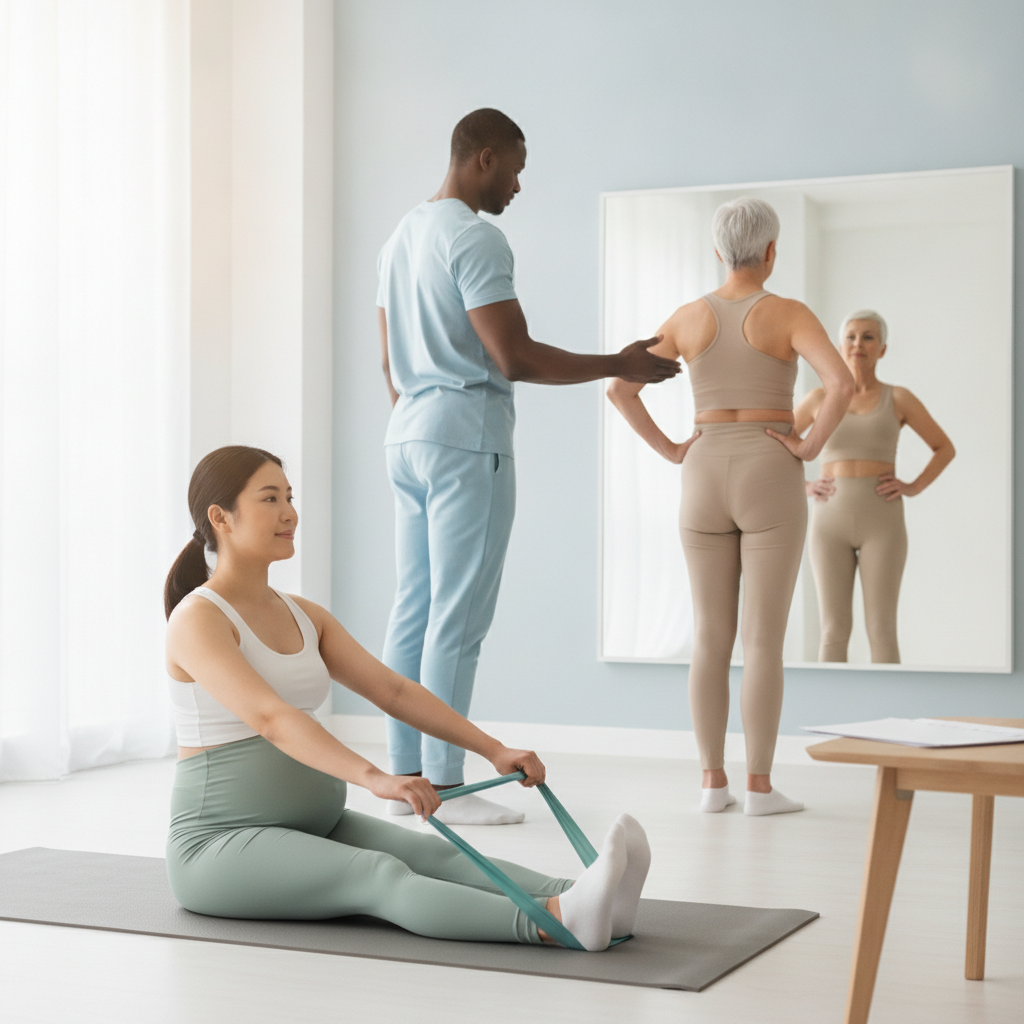
Understanding Fitness for Diverse Populations

Engaging in physical activity is a fundamental component of maintaining health and wellness, yet the needs and abilities of individuals can vary significantly. Whether it’s navigating the complexities of pregnancy workouts, accommodating the aging body, or supporting beginners and those reintroducing themselves to exercise, understanding fitness for special populations is crucial. This awareness not only fosters inclusivity but also empowers individuals to take charge of their own health journeys.
Many people are uncertain about where to start or how to modify exercises to suit various life stages and physical limitations. This topic encompasses tailored workout guidance and essential modifications needed across different demographics. By exploring fitness strategies designed specifically for these diverse groups, we can dispel myths, enhance confidence, and ultimately promote overall well-being.
Importance of Tailored Workouts
Not all workouts are created equal; what works for one person may not be suitable for another. Tailored exercise programs acknowledge the unique challenges faced by different populations. For instance, pregnant individuals require modifications to ensure both safety and comfort, while older adults may need low-impact routines that promote mobility without risking injury. Understanding these distinctions is key to fostering a successful exercise journey.
Moreover, building a workout plan specifically designed for special populations can significantly enhance motivation and adherence. When individuals see that their unique needs are being addressed, they are more likely to stay engaged and consistent with their fitness routines. Tailored approaches lead to sustainable habits and long-term health benefits.
This video delves into the principles of customized workout programs for special populations, highlighting key strategies to enhance safety and effectiveness. It illustrates real-world applications and modifications tailored for various demographics, thereby enriching your understanding of diverse fitness needs.
Common Misconceptions About Fitness Modifications
Many individuals believe that they cannot exercise effectively due to age, pregnancy, or previous inactivity. This mindset can hinder progress and discourage participation. It's important to understand that everyone can engage in physical activity, and that the right modifications are what differentiate a safe and rewarding experience from a challenging or risky one.
Another misconception is the idea that traditional exercises are universally applicable. Exercises like squats or planks may not be conducive for everyone, particularly for those with physical limitations or specific health conditions. By addressing these misconceptions, we can promote an inclusive approach to fitness that empowers everyone to find suitable activities.
This informative video addresses prevalent myths surrounding exercise for special populations and emphasizes empowering perspectives. It provides clear examples of modifications and adaptations, which help demystify the process and equip viewers with knowledge to support their own fitness journeys.
Fostering a Supportive Environment
A positive and supportive environment can significantly influence fitness outcomes for special populations. It is essential to cultivate spaces—be it in fitness studios or community settings—where individuals feel welcome and encouraged to participate. Supportive communities foster connections that enhance motivation and collaboration, making it easier to navigate challenges.
Additionally, having access to professional guidance can be a game changer. Personal trainers, coaches, and healthcare providers who understand the nuances of fitness for special populations can offer invaluable insights that empower individuals to work toward their goals safely. This emphasis on professional support augments the benefits of an inclusive ecosystem.
Practical Steps for Implementation
Implementing fitness strategies for diverse populations begins with understanding their specific needs. Here are several practical steps to consider:
- Conducting assessments to identify individual capabilities and limitations.
- Creating adaptable workout plans that align with personal goals and health conditions.
- Providing ongoing education about fitness modifications and safety protocols.
- Encouraging open communication within support networks; share successes and challenges.
- Fostering a culture of inclusivity that celebrates diversity in fitness journeys.
By taking these steps, everyone—regardless of their starting point—can be encouraged to embrace fitness as a transformative aspect of their lives. The emphasis should be on individual growth and celebrating every step of the journey, further enhancing the benefits associated with regular physical activity.
Insights for Tailoring Fitness to Special Populations

Understanding how to tailor fitness programs for special populations such as pregnant individuals, older adults, beginners, and those returning to exercise is essential. Each group faces unique physiological and psychological challenges that can influence their engagement in fitness activities. A one-size-fits-all approach can lead to either inadequate support or even potential harm, making it crucial to consider the specific needs of these populations.
When creating fitness plans, it’s vital to evaluate individual limitations and abilities while cultivating an inclusive and motivating environment. The following insights provide actionable strategies for enhancing fitness accessibility for these diverse groups, underscoring the importance of personalized workout programs that promote safety and effectiveness.
-
Emphasize Safety and Comfort
Ensuring safety is paramount, especially for populations with pre-existing conditions or during delicate phases such as pregnancy. It’s important to evaluate any medical concerns and tailor workouts accordingly to avoid injury.
Comfort also plays a key role. For pregnant individuals and older adults, this might include modifications to ensure exercises do not provoke discomfort or exacerbate existing conditions.
-
Incorporate Balance and Coordination Activities
For older adults, adding routines that enhance balance and coordination can reduce fall risk. This is particularly important because falls are a leading cause of injury in this demographic.
Exercises such as tai chi or yoga can be beneficial while promoting overall body awareness and stability.
-
Train Your Body and Mind for Pregnancy
Finding the right approach to fitness during pregnancy can help maintain energy levels and prepare for childbirth. This includes focusing on strength, flexibility, and relaxation techniques.
This video provides actionable tips on how to align physical activities with mental wellness during pregnancy. It emphasizes the dual focus on physical comfort and mental preparedness, enabling expectant mothers to engage confidently in their fitness journey.
By applying these strategies, pregnant individuals can embrace exercise as a tool to facilitate a healthy pregnancy, as well as to bolster mental health during this significant life transition.
-
Utilize Functional Fitness Movements
For beginners and older adults, engaging in functional fitness can enhance daily living activities. Movements that mimic real-life tasks, such as squatting or reaching, can significantly improve quality of life.
These fitness routines should focus on core strength and stability, which are foundational for performing everyday activities safely.
-
Encourage Gradual Progression
In any fitness program, especially for those returning to exercise, it's crucial to promote gradual progression. This allows individuals' bodies to adapt, reducing the risk of injury and enhancing motivation.
Recognizing personal limits and providing clear guidelines for increasing intensity or duration can foster long-term commitment to fitness.
-
3 Beginner-Friendly Exercises for Your First Trimester
Starting strong is key when embarking on a fitness journey, especially for those in their first trimester of pregnancy. Exercises should be gentle yet effective, focusing on both strength and stability without overwhelming the body.
This informative video showcases beginner-friendly exercises tailored for expectant mothers in their first trimester. By following these examples, users can understand how to maintain their fitness with safety in mind.
The connection between physical activity and emotional well-being is highlighted here, establishing the importance of exercise not only for physical health but also for mental balance as they embark on this new chapter.
-
Foster a Supportive Community
Creating an inclusive and supportive environment can significantly enhance adherence to fitness programs for special populations. Exercise groups or classes that encourage social interaction are beneficial.
Community support can provide accountability and comfort, helping individuals feel less isolated as they work toward their fitness goals.
| Focus Area | Detail | Target Population |
|---|---|---|
| Safety and Comfort | Adapting workouts to eliminate risk and discomfort | Pregnant individuals, older adults |
| Balance Activities | Incorporating exercises that promote stability | Older adults |
| Functional Movements | Focusing on real-life movements to enhance daily living | Beginners, older adults |
| Gradual Progression | Encouraging incremental increases in activity | Beginners, those returning to exercise |
| Community Support | Building a network for encouragement and accountability | All special populations |
Understanding the Nuances of Fitness for Special Populations

Fitness for special populations encompasses a variety of scenarios, including pregnancy, older adulthood, and beginner or returning exercisers. While the intention may be clear—enhancing health and wellness—the pathways to achieving this can often be shrouded in ambiguity. Many people assume that a one-size-fits-all approach will suffice; however, the complexity of individual needs and circumstances makes this belief misleading. Each group has unique requirements and potential challenges that mean tailored guidance is essential for real progress.
This complexity arises from the nuanced differences in physiological responses to exercise influenced by various factors such as hormonal fluctuations in pregnancy, age-related strength and flexibility changes, and varying levels of prior physical activity experience. Moreover, societal norms and the plethora of advice available can contribute to confusion. People may find themselves overwhelmed by conflicting recommendations, leading to hesitancy or misguided choices that can hinder their fitness journey.
The implications of inadequate advice can extend far beyond simple dissatisfaction with one's workout routine. For those considering or embarking on a fitness journey, understanding the specific challenges and pathways relevant to their categorization is essential for long-term success and well-being. Insightful and informed decision-making empowers individuals to navigate their unique fitness journeys more effectively.
Why do many people overlook the importance of consulting a healthcare professional before beginning an exercise program during pregnancy?
Many expectant mothers often presume that fitness during pregnancy is as straightforward as engaging in any recommended physical activity. However, ignoring the importance of consulting a healthcare professional can lead to injuries or complications, both physically and emotionally. It is crucial to remember that pregnancy alters a woman's body significantly—hormones, posture, and energy levels fluctuate, thus introducing challenges that can vary greatly from person to person.
Additionally, potential underlying health issues, such as gestational diabetes or hypertension, may require specific modifications to an exercise plan. This is where a healthcare professional can evaluate individual circumstances and provide tailored advice that is safe and beneficial. Misunderstandings around this consultation often stem from a desire to fit in with general advice that may not consider an individual's unique health landscape.
Ultimately, the engagement of healthcare professionals ensures a balanced approach to fitness during pregnancy, allowing women to benefit both physically and mentally while ensuring they do not overexert themselves or inadvertently harm themselves or their developing child.
What happens when older adults follow fitness trends without tailored modifications?
Many older adults may see the latest fitness trends and feel compelled to join in, believing that these trends will keep them engaged and healthy. However, jumping into these often high-intensity workouts without modifications can lead to more injuries than benefits. Aging bodies come with factors like decreased bone density, joint stiffness, and slower recovery rates, which make the adoption of trend-driven routines exceptionally risky.
Additionally, some popular workouts may neglect the specific needs of older populations, such as balance training aimed at preventing falls or strength training focused on maintaining functional fitness. Consequently, without tailored modifications, older adults may find themselves either discouraged from continuing their fitness journey or left dealing with acute injuries and chronic pain that sidelined them for longer periods.
In essence, blindly following trends can backfire. Older adults are encouraged to seek personalized programs that prioritize safety and health, focusing on gradual progression and holistic well-being instead of short-lived fads.
Is it actually better to start with high-intensity workouts for beginners returning to exercise?
The misconception that beginners should dive into high-intensity workouts to see fast results is prevalent but often misleading. Starting with intense routines can lead to quick fatigue, increased risk of injury, and feelings of failure when individuals cannot keep up. For those returning to exercise after a long break, a gradual approach that focuses on building a fitness foundation is essential.
Many people mistakenly equate intensity with effectiveness; however, research indicates that consistency and progressive overload in combination with adequate recovery lead to better long-term outcomes. This means that starting with gentle, manageable workouts can build confidence, ensure proper form, and enhance motivation as individuals gradually acclimate back to fitness.
Thus, understanding the importance of starting slow can help beginners avoid unnecessary setbacks while still achieving their long-term fitness goals in a safe and fulfilling manner.
What do most people misunderstand about the exercise needs of pregnant women?
A common misconception about exercise during pregnancy is that all vigorous activity should be avoided. While it is true that certain high-risk conditions exist, most healthy pregnant women can and should engage in regular exercise, tailored to their current fitness levels and adjusting as needed throughout pregnancy. Understanding these dynamic needs can often be counterintuitive, leading to confusion and misinformation.
Pregnancy can be seen as a time when women should “take it easy,” but research suggests that maintaining a moderate exercise regimen can improve birth outcomes and maternal mental health. However, misconceptions can deter women from recognizing the variety of safe exercise options available, including walking, swimming, and prenatal yoga, all of which can adapt to each trimester’s challenges.
Therefore, it is vital for pregnant women to consult professionals who can navigate their unique circumstances and provide assurance about the safety and benefits of staying active, enabling informed choices throughout their pregnancy.
How does returning to exercise after a long hiatus affect motivation and mindset?
Returning to exercise can be daunting. Many individuals grapple with mental obstacles such as self-doubt and the fear of failure, leading to hidden challenges that can obstruct their journey to fitness. This psychological barrier often stems from unrealistic societal standards regarding fitness and body image, which can demotivate individuals as they may not see immediate results or struggle to regain previous abilities.
Moreover, overdosing on motivation from external sources—like social media trends—can exacerbate feelings of inadequacy, creating a perception that one must meet these often unattainable standards or be deemed unworthy. It’s essential to recognize that the mindset during this transition period is critical; favorable outcomes require an understanding of the need for patience, consistency, and incremental progress.
This understanding can lead to a healthier relationship with exercise, one that focuses on personal growth rather than competition with others. By nurturing a growth mindset and setting realistic, individual goals, those returning to fitness can cultivate enduring motivation and ultimately align their efforts with long-term health benefits.
What are the hidden challenges faced by older adults when engaging in new fitness programs?
Many older adults seeking new fitness programs face challenges that may not be immediately evident. One of the most significant obstacles is the perception of their physical capabilities, often colored by ageist assumptions or prior negative experiences with exercise. Consequently, this can lead to self-limiting beliefs about what they can or cannot do, which may ultimately prevent them from exploring potentially enjoyable activities.
Moreover, societal expectations can negatively influence the willingness to try new programs. Older adults might feel out of place in gym environments typically filled with younger individuals, leading to feelings of discomfort or exclusion. This apprehension may prevent them from fully engaging in programs designed to help them improve mobility, strength, and balance.
Being aware of these challenges is crucial to combat the barriers that may undermine their efforts. Encouraging supportive environments, fostering community among participants, and emphasizing inclusivity in fitness programming can help older adults overcome these hurdles, creating a foundation for sustainable engagement in physical activity.
What happens when beginners disregard their body's signals during workouts?
Listening to one’s body is critical, especially for beginners who are often eager to push themselves and quickly reach fitness goals. Many individuals, filled with enthusiasm, may ignore signals of fatigue, discomfort, or even pain, believing that powering through will yield better results. However, this can lead to overtraining and, ultimately, injuries that might set them back significantly.
Furthermore, disregarding bodily signals can cultivate an unhealthy mindset where the focus shifts solely to performance at the expense of overall well-being. This mindset may bring about adverse mental outcomes such as burnout or resentment toward the workout process and can lead beginners to develop a negative relationship with exercise altogether.
It is essential for beginners to cultivate awareness of their body's cues—tuning into what feel right for them. Recognizing pain versus discomfort and understanding the difference between challenging oneself versus overexertion will not only enhance their experience but contribute to a healthier and more sustainable approach to fitness over the long term.
Is it true that women who are pregnant can exercise without restrictions?
The narrative that pregnant women can exercise without restrictions is not wholly accurate. While many healthy pregnant individuals can engage in a variety of physical activities, it is essential to recognize that not all exercises suit every woman’s unique situation. Health conditions, stage of pregnancy, and prior fitness levels significantly influence what is considered safe and beneficial.
This leads to an important reality check: even well-meaning advice about 'safe' exercises may not fully account for individual health variability. Many women might be discouraged from participating in certain activities or might attempt exercises inappropriate for their condition, stemming from a lack of personal guidance. This is why personalized recommendations are paramount in establishing exercise programs that ensure safety while maximizing physical and emotional well-being.
Thus, pregnant women are encouraged to consult with healthcare providers, who can offer tailored recommendations based on a woman’s medical history and fitness status. This personalized approach allows women to navigate their exercise journey with confidence while maintaining their health during this significant time in their lives.
Practical Strategies for Fitness in Unique Populations
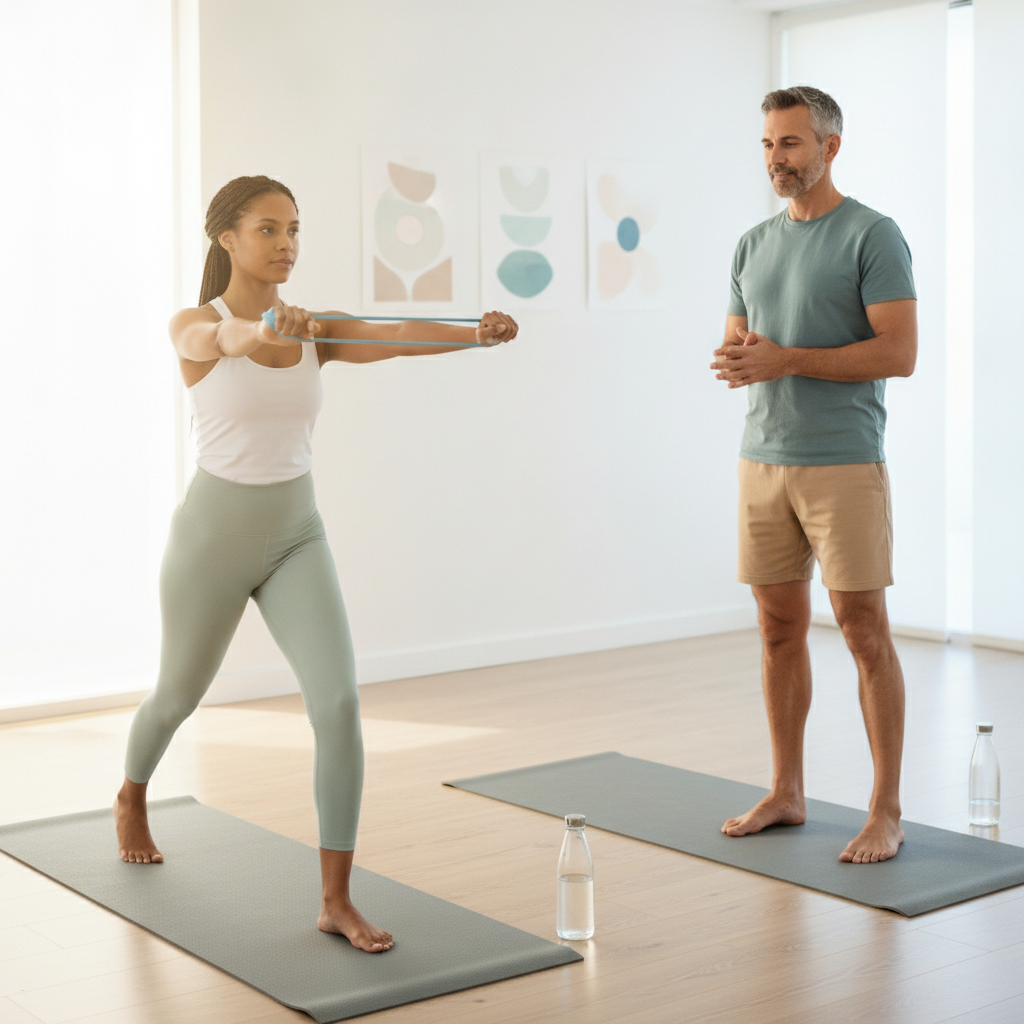
Many individuals who belong to special populations—such as pregnant women, seniors, beginners, or those returning to exercise—often face psychological barriers and confusion that can hinder their fitness journey. A prevalent issue is the lack of tailored workout guidance specific to their needs. This uncertainty becomes a major obstacle, making it difficult for them to know where to start or how to maintain consistency. Physical limitations, varying energy levels, and changing body conditions can add further complexity to already daunting fitness goals.
Executing an effective workout plan that caters to special populations is critical not just for physical fitness but for overall emotional and mental well-being. Correct execution of these tailored strategies can lead to significant health improvements, such as enhanced mobility, increased strength, and overall life satisfaction. Understanding how to approach fitness safely and effectively is key to unlocking these benefits and achieving long-term wellness.
1. Adopting a Safe Approach to Exercise During Pregnancy
When it comes to exercising during pregnancy, ensuring safety is the priority. Physical changes can affect balance, flexibility, and overall energy levels, which makes a cautious, individualized exercise approach crucial. Low-impact activities like walking, swimming, or prenatal yoga can be beneficial and safe throughout most of the pregnancy journey. Each exercise should emphasize stability and make allowances for any discomfort the future mother might experience.
It’s essential to avoid high-intensity workouts that may elevate the heart rate excessively or the risk of injury. Consultations with healthcare providers to personalize a fitness plan can help mitigate risks and ensure both mother and baby are healthy. Ultimately, this measured approach helps maintain physical well-being and fosters a positive mindset during this transformative stage.
2. Strength Training for Older Adults: Build Muscle Safely
Engaging in strength training as an older adult can significantly enhance muscle strength, improve bone density, and boost overall health. However, many seniors mistakenly believe they should avoid lifting weights to prevent injury. In reality, with the right guidance, weight training can be incredibly beneficial. Exercises using resistance bands, light dumbbells, or even body-weight exercises should be considered, focusing on proper form rather than heavy weights.
Real-world application of strength training may include integrating exercises that promote balance to reduce the risk of falls—one of the primary concerns among older adults. A balanced routine incorporating both strength and flexibility can lead to a more robust and functional everyday life. Consistency and gradual progression are key, so older adults should aim to strength train two days a week, allowing for adequate recovery between sessions.
3. Starting Off Right: Initiatives for Beginners
For many beginners, the initial steps into fitness can feel overwhelming. The multitude of options and often conflicting advice can lead to confusion regarding where to start. A smart approach is to begin with short, manageable workouts that incorporate both cardiovascular and strength-building elements. A combination of brisk walking and body-weight exercises, like squats and push-ups, can create a foundational fitness routine.
Additionally, committing to fitness principles, like consistency over intensity, is vital in establishing a long-term workout habit. Beginners should focus on developing a routine that they can enjoy and sustain rather than attempting extreme workouts that could lead to burnout or injury. Over time, as confidence and fitness levels rise, they can gradually introduce more complexity to their routines.
4. Returning to Exercise: Finding Your Rhythm Again
For individuals returning to exercise after a hiatus—be it due to injury, life changes, or other reasons—the journey can feel daunting. Fostering patience and being kind to oneself is crucial. Starting slowly and acknowledging physical limitations while building back to a pre-break level of fitness is part of the process. Gentle activities like walking, cycling, or water aerobics can be excellent starting points.
Realigning one's mindset to set realistic goals is essential since progress is often not linear. Keeping a log of workouts can help track progress and maintenance can lead to renewed motivation. Reintegrating exercise into daily life can effectively improve physical health and emotional resilience, fostering a stronger, more active lifestyle in the long run.
5. Considerations for Individuals with Chronic Conditions
For those with chronic conditions, the approach to fitness requires meticulous planning and flexibility. It’s essential to consult with healthcare providers to ensure that chosen activities do not exacerbate underlying health issues. Fortunately, many chronic conditions can benefit from tailored physical activity; for instance, low-impact aerobics can be highly effective for those with arthritis.
Understanding personal body signals, such as pain levels and fatigue, can guide individuals in adjusting workout intensity. Integrating regular, controlled exercise can potentially alleviate symptoms and promote an improved quality of life. Realizing that regular activity matters more than the intensity can help individuals feel empowered amidst their conditions.
6. The Power of Community: Joining Supportive Groups
Finding a fitness community or joining support groups can be crucial for special populations, including new mothers, older adults, or those returning to fitness. The camaraderie and shared experiences help create a sense of belonging. Workouts in small, inclusive classes focused on the specific needs of participants—such as prenatal fitness or senior exercise—foster an encouraging atmosphere.
Having accountability through others can dramatically increase adherence to fitness goals. Additionally, learning collectively in a safe environment may reduce anxiety about exercising. The collective motivation aids in the attainment of personal fitness milestones, thereby boosting confidence and reinforcing the commitment to a healthy lifestyle.
This TikTok video demonstrates effective low-impact exercises for pregnant women. It connects directly to the topic by showcasing practical approaches that can be easily incorporated into a fitness regime. It reinforces understanding by visualizing safe movements that expectant mothers can perform, highlighting approaches tailored to their unique needs.
| Population | Recommended Approach | Common Pitfalls |
|---|---|---|
| Pregnant Women | Engage in low-impact activities. | High-intensity exercises that may pose risks. |
| Older Adults | Incorporate strength training with proper form. | Avoiding strength training due to fear of injury. |
| Beginners | Start with manageable workouts. | Attempting high-intensity workouts prematurely. |
| Chronic Condition Sufferers | Choose exercises that suit personal capabilities. | Overexerting and ignoring body signals. |
This second TikTok video provides additional insights into fitness practices for older adults, featuring exercises aimed at improving strength and balance. This perspective is vital, as it emphasizes practical implementation of techniques that seniors can adopt to enhance their everyday functioning, further breaking down barriers to engaging in fitness.
Common Mistakes to Avoid in Special Populations Fitness
- Neglecting to consult healthcare professionals before starting an exercise program.
- Focusing too intensely on immediate results instead of gradual progress.
- Forgetting to listen to the body's signals, leading to injury.
- Attempting to perform workouts designed for the general population over individualized routines.
- Overcomplicating fitness plans instead of keeping them simple and approachable.
Tracking Progress in Unique Populations
Measuring progress realistically is essential in any fitness journey, especially for those in special populations. Establish baseline metrics that are tangible and relevant—this might be the number of minutes exercised or the number of sets completed. Rather than comparing themselves to others, individuals should focus on their personal improvements.
Long-term outcomes can often take time to manifest, and it’s important to cultivate patience. Celebrate small milestones—whether it’s completing a workout consistently for a month or increasing exercise duration. These small victories can enhance motivation while avoiding unrealistic expectations about immediate transformation.