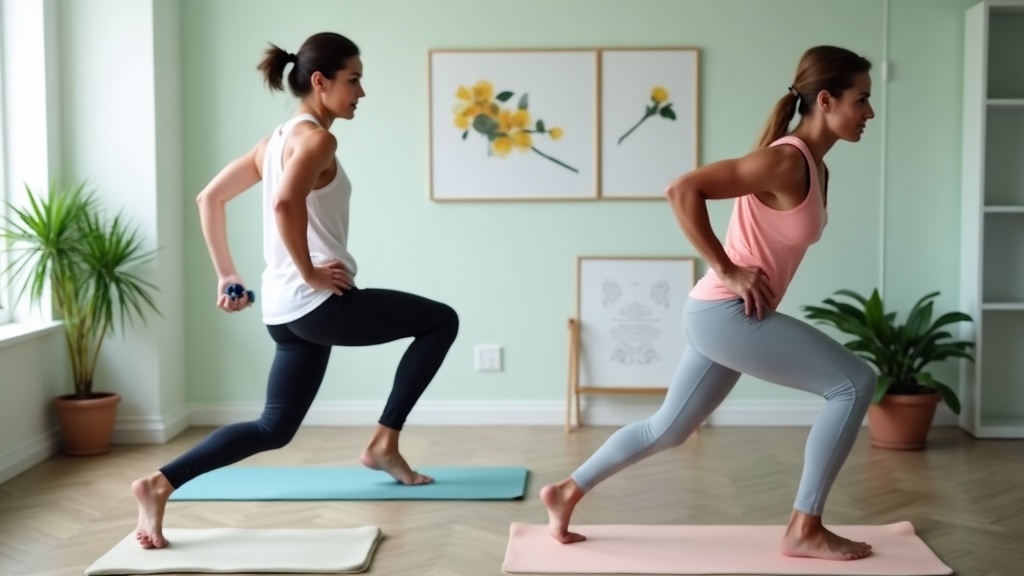
Understanding the Nuances Between Compound and Isolation Exercises

The debate surrounding compound versus isolation exercises is both nuanced and multifaceted, often leading to misunderstandings among fitness enthusiasts. Many people assume that one category is superior to the other, when the reality is that both serve distinct roles in a well-rounded fitness program. This complexity is compounded by varying individual goals—whether for strength, aesthetics, or rehabilitation—which require careful consideration in exercise selection.
Deciding when to apply compound exercises, which engage multiple muscle groups, versus isolation exercises, targeting specific muscles, is not as straightforward as it may seem. The effectiveness of each type can greatly depend on personal fitness levels, injury history, and overall workout goals. For instance, a beginner may benefit more from compound lifts for establishing a foundational strength, whereas an athlete rehabbing an injury might find isolation exercises more beneficial for specific muscle recovery.
Simple advice like "do more compound exercises for strength" misses the mark for those aiming to attain balanced physical development or address specific training needs. Therefore, understanding the right context for each type of exercise can sharply influence progress and overall fitness outcomes.
What do most people misunderstand about the benefits of compound exercises?
Many individuals mistakenly believe that compound exercises, like squats and deadlifts, are the end-all, be-all for anyone seeking strength and development. While compound movements are excellent for engaging multiple muscle groups and promoting functional strength, they may not be suitable for everyone, especially beginners or those with specific injuries. This misunderstanding can lead to discouragement as some may struggle to perform these exercises correctly without proper guidance, risking injuries in the process.
In addition, people often overlook the fact that while compound exercises can build overall strength, they may inadvertently neglect smaller muscle groups that can still play crucial roles in overall fitness and injury prevention. It's essential to recognize that a balanced approach, integrating both compound and isolation exercises, can yield much better results in the long run.
Moreover, while compound movements are often viewed as more effective, they can be more complex and taxing on the body, requiring good form, technique, and extensive recovery. Many novices dive into intensive compound training and may not realize the importance of properly conditioning their bodies with simpler exercises first, which can lead to setbacks.
How do trade-offs between strength and aesthetics play into exercise selection?
The trade-offs between strength and aesthetics are often misunderstood, leading many to focus predominantly on one while neglecting the other. Compound exercises are widely celebrated for their ability to build functional strength, which is essential for overall fitness and performance in sports. However, those seeking to develop specific muscle groups for aesthetic purposes might find that isolation exercises provide better targeting and engagement of those areas, such as biceps curls for arm definition.
This creates a dilemma: should one prioritize compound movements to gain strength and power, or should one dig into isolation exercises to sculpt specific areas? The answer is not black and white; achieving an ideal balance often requires a tailored approach based on individual goals. A bodybuilder, for example, might focus heavily on isolation exercises to fine-tune muscle shapes and sizes, whereas a powerlifter would lean towards compounds to maximize their lifts in competition settings.
Understanding these trade-offs allows individuals to tailor their training to meet their own unique aspirations, enhancing both strength and aesthetic appeal. To truly maximize potential, one must consider the specific attributes desired while maintaining a holistic perspective on fitness that includes both types of exercises.
Why do so many people overlook isolation exercises?
A common misconception surrounding isolation exercises is that they are only beneficial for bodybuilders or those with very particular aesthetic goals. This perspective often leads to neglecting vital exercises that can play a key role in overall fitness and injury prevention. Many athletes and fitness enthusiasts may prioritize compound movements due to their performance-driven nature, believing they yield superior results without recognizing the significance of muscle balance.
Ignoring isolation exercises can have several consequences, such as imbalances in strength or potential susceptibility to injuries. For instance, if a person primarily focuses on compound movements that work large muscle groups, the smaller stabilizing muscles might not receive sufficient attention. This can undermine long-term progress and lead to overuse injuries.
By broadening their understanding and appreciation of isolation exercises, individuals can enhance their training programs to develop well-rounded strength and avoid any pitfalls accompanying a one-dimensional focus. Thus, both aspects—compound and isolation—are crucial for achieving comprehensive fitness goals.
Is it actually better to focus solely on compound movements for beginners?
While it may seem logical to recommend that beginners focus exclusively on compound movements to build foundational strength, this approach can be misleading. Newcomers to fitness may lack the necessary motor control, muscle awareness, and technique to perform compound lifts safely and effectively, thereby increasing the risk of injury or discouragement from potential early struggles.
Instead, incorporating isolation exercises can prove invaluable for beginners. They offer an opportunity to learn muscle engagement, train specific muscle groups, and develop the required strength pathways before moving on to more complex compound lifts. This gradual approach can help instill confidence and create a more robust base of strength.
Furthermore, effective programming for beginners should address muscle imbalances or weaknesses, which are often more easily corrected with isolation exercises. As such, a well-rounded program that includes both types of exercises ensures safety and empowers beginners to progress steadily in their fitness journeys.
What happens when athletes neglect auxiliary isolation movements in their training?
When athletes exclusively prioritize compound movements, they run the risk of neglecting auxiliary isolation movements that are vital for maintaining proper muscle balance and joint stability. This oversight can lead to functional deficits in performance and increased injury risk. Relying solely on compounds may create strengths but can neglect certain weaknesses, ultimately limiting an athlete’s full potential.
By omitting isolation movements, athletes may unintentionally develop imbalances. For instance, a powerlifter who focuses primarily on the squat, bench press, and deadlift may excel in these lifts but could find themself compensating in ways that create inefficiencies or promote injuries. Introducing specific isolation movements—like rear delt flyes or calf raises—can help address these weaknesses and enhance overall athletic performance.
Moreover, neglecting isolation exercises can lead to missed opportunities for muscle hypertrophy, specifically in smaller muscle groups that play essential roles in stabilizing larger movements. The key takeaway here is that incorporating a variety of exercises, including isolation movements, allows athletes to build a comprehensive foundation that will support their chosen sports and performance goals.
How does one determine the right balance between compound and isolation exercises?
Finding the right balance between compound and isolation exercises is not a one-size-fits-all proposition; it largely depends on individual goals, fitness levels, and even time constraints. A person who aims for muscle hypertrophy may prioritize isolation work in specific training cycles, while a strength athlete might devote more time to compounds. Crafting a well-rounded program requires careful consideration of these factors.
Individuals should start with a self-assessment—taking into account their current strength levels, fitness objectives, and areas needing improvement. An initial focus on compound movements might be beneficial to build foundational strength, but gradually introducing isolation exercises throughout the program can keep the body balanced and engaged. Auditing goals on a regular basis allows for adjustments that reflect the evolving needs and ambitions of the individual.
Additionally, working with a knowledgeable trainer or coach can provide invaluable perspective and guidance. They can craft tailored programs that effectively incorporate both compound and isolation movements, ensure proper form, and help adapt routines as progress is made. The right balance evolves over time based on personal experience, results, and changing goals.
How does neglecting one form of exercise ultimately affect long-term fitness results?
Choosing to neglect either compound or isolation exercises can create significant long-term repercussions on fitness outcomes. For instance, individuals who focus solely on isolation may develop noticeable imbalances in strength and muscularity, lacking the functional capacity that compound lifts can offer. Conversely, an overemphasis on compound exercises can lead to underdeveloped areas and weaknesses, increasing injury susceptibility and limiting performance in athletic activities.
Long-term fitness is not merely about maximized strength or aesthetics; it’s about developing a resilient and adaptable physique. By integrating both forms of exercise into training regimens, individuals are more likely to experience holistic results that promote not only muscle growth and strength but also robust health and physical capabilities.
Ultimately, neglecting to achieve balance can create plateauing, stagnation, and even potential burnout, triggering a cycle of frustration in one’s fitness journey. Recognizing the importance of both exercise types fosters a more sustainable and progressive approach to long-term health and fitness objectives.
Navigating Between Compound and Isolation Exercises for Optimal Gains

Understanding when to use compound versus isolation exercises is essential for tailoring an effective fitness regimen that aligns with your goals, whether they focus on strength, aesthetics, or overall fitness. While both types of movements have their benefits, knowing how to strike the right balance between them can greatly enhance your training outcomes. Many individuals mistakenly lean towards one type, inadvertently neglecting the complementary advantages the other offers, which can impact their fitness journey.
This topic matters not only for athletes and bodybuilders but also for anyone looking to optimize their workout efficiency. Each type of exercise serves unique purposes, and selecting the right approach can improve muscle hypertrophy, functional strength, and injury prevention. With informed decisions, you can create a more diverse fitness program that maximizes your physical capacity and aesthetic appeal.
-
Understanding the Basics
Compound exercises involve multiple muscle groups and joints, allowing for more significant weight lifting and overall strength development. Examples include squats, deadlifts, and bench presses. These movements not only build muscle but also enhance coordination and balance.
On the other hand, isolation exercises focus on a single joint and muscle group, like bicep curls or tricep extensions. They are crucial for targeting specific areas, which can be helpful for aesthetic goals or rehabilitation purposes.
-
Goals: Strength vs. Aesthetics
When your primary goal is strength-building, compound exercises serve as the backbone of your training. They offer a higher return on investment in terms of the weight you can lift and the number of muscles activated simultaneously.
However, for aesthetic purposes, isolation exercises can help sculpt specific areas and promote balanced muscle growth. This dual approach ensures that you not only gain strength but also develop a physique that meets your visual goals.
-
Efficiency in Workouts
For those with limited time, compound exercises are often more efficient since they work multiple muscle groups at once. This can lead to a more vigorous workout in a shorter period, which is particularly rejuvenating for those balancing busy schedules.
This video offers a clear demonstration of compound exercises in action and highlights their effectiveness. It emphasizes how these movements can maximize workout efficiency, ultimately leading to higher engagement and better results.
By incorporating compound exercises into your regimen, you can experience significant gains in a shorter time frame, which is essential for those striving for efficiency in their training routines.
-
Preventing Injury
Integrating isolation exercises into your training can also play a vital role in injury prevention. Strengthening smaller muscles around major joints, like shoulders and knees, through isolation work helps stabilize these areas during heavy compound lifts.
The combination of both types allows for a more holistic approach to training, proactively addressing imbalances that might lead to injury.
-
Training for Functional Strength
Compound movements mimic everyday activities, enhancing functional strength needed for daily tasks. They are particularly advantageous for sports performance and improving athletic ability, translating directly to real-world applications.
In contrast, isolation exercises can offer supplemental benefits by allowing for targeted muscle development that contributes to improved performance in compound lifts, creating a synergistic effect between the two.
-
Customization of Workouts
Your fitness program should cater to your individual needs, which means choosing the right mix of compound and isolation exercises. Consider factors like body type, past injuries, and overall fitness goals.
This video illustrates personalized training approaches that incorporate both compound and isolation exercises. It emphasizes how tailoring your workouts according to specific goals can enhance adherence and enjoyment.
Personalization helps maintain motivation and ensures a balanced approach to developing strength and aesthetics, fostering lasting results in your fitness journey.
-
Progress Tracking
It’s crucial to track progress for both compound and isolation exercises. This not only keeps you motivated but also allows you to identify which areas may need more focus or adjustment in your training regimen.
By monitoring your performance across both exercise types, you can intelligently adjust your workout strategy, ensuring continual adaptation and challenge.
-
Implementing a Balanced Routine
Creating a balanced routine that integrates both compound and isolation exercises can lead to superior results. A well-rounded program enables overall muscle growth, better muscle engagement, and prepares your body for increased intensity workouts.
This harmony between the two types can help prevent plateaus by addressing weaknesses and reinforcing strengths in your training cycle.
| Exercise Type | Key Benefits | Best For | Limitations |
|---|---|---|---|
| Compound Exercises | Efficient, builds functional strength, engages multiple muscle groups | Strength training, functional fitness, balanced muscle development | May overlook specific muscle targeting; requires technique to avoid injury |
| Isolation Exercises | Targets specific muscles, improves muscle definition | Aesthetic focus, rehabilitation, muscle imbalances | Less efficient for building overall strength; limited engagement of multiple muscles |
Strategically Balancing Your Workout: Compound and Isolation Exercises

Navigating the realm of fitness can be overwhelmingly complex, especially when it comes to selecting the right exercises for your specific goals. Many individuals struggle with understanding when to incorporate compound exercises—those that engage multiple muscle groups—and isolation exercises, which target specific muscles. Common barriers to effective execution can include a lack of clarity about the unique benefits of each type and confusion over how they fit together in a cohesive training program. Properly balancing these two kinds of exercises is essential, as it not only optimizes strength gains but also enhances aesthetic outcomes and overall functional fitness.
Furthermore, each type of exercise serves distinct roles in a workout regimen. For example, while compound movements like squats and deadlifts are efficient for building overall strength and muscle mass, isolation exercises such as bicep curls and leg extensions play a critical role in refining specific areas, promoting muscular symmetry and preventing imbalances. Recognizing the synergy and trade-offs between these approaches can dramatically improve your results and provide a stronger foundation for your fitness journey.
Understanding Compound Exercises
Compound exercises are multi-joint movements that engage several muscle groups at once. This not only allows for greater muscle activation but also encourages functional movements that mirror everyday activities. By incorporating compound movements into your programs, you're not just building strength; you're cultivating stability and coordination, which translate into better performance in both sports and day-to-day activities.
However, some people may lean too heavily on compound lifts, inadvertently neglecting muscle groups that require more focused work. Without isolation exercises, you risk developing muscle imbalances that can lead to injury or hinder overall progress. Therefore, understanding when and how to include if it appropriately can enhance your training outcomes significantly.
The Role of Isolation Exercises
Isolation exercises are designed to target a specific muscle group, making them essential for fine-tuning your physique and preventing muscular deficits. Whether it’s enhancing shoulder definition with lateral raises or improving leg aesthetics through leg curls, these exercises are crucial for sculpting and developing muscles that compound exercises may overlook.
While isolation work can be incredibly beneficial, over-relying on these exercises without adequate compound movements can restrict strength gains. Since isolation exercises do not recruit multiple muscle groups synergistically, some may find their functional strength lacking in real-life scenarios or competitive sports. Thus, achieving the right balance is crucial for maintaining both strength and aesthetics.
Creating a Balanced Workout Plan
The foundation of an effective workout plan should include a healthy mix of both compound and isolation exercises. Start your sessions with compound exercises, as these require more energy and focus, paving the way for better performance. Ideally, aim for 60-80% of your workout volume to consist of compound movements and reserve the remaining 20-40% for isolation work.
For example, a structured upper-body workout could include bench presses and rows as compound lifts, followed by bicep curls and tricep kickbacks as isolation exercises. This structure allows you to maximize muscle engagement while also targeting specific areas of the body that need development.
Assessing Your Goals and Current Fitness Level
Before diving into a mixed routine, it's vital to assess your personal fitness goals. Are you aiming for significant strength gains, improved endurance, or enhanced muscle definition? Each goal may require a different approach to the compound-isolation balance. For instance, powerlifters may prioritize compound lifts to build max strength, while bodybuilders might focus more heavily on isolation exercises for targeted muscle development.
Your current fitness level also plays a crucial role in determining this balance. Beginners may benefit from more compound movements to build a solid strength foundation, whereas those with more experience may turn to isolation exercises to sculpt and define their musculature. Overall, personal assessment is key to tailoring a workout plan that resonates with your unique goals.
Integrating Compound and Isolation Exercises for Progress
One practical way to ensure continuity in your workouts is to structure your training days to focus on different muscle groups, typically referred to as a split routine. For instance, you could dedicate one day to upper body compound workouts combined with isolation days that focus solely on arms or shoulders. This not only fosters recovery but also allows for increased intensity and volume for each muscle group.
Additionally, rotating through different compound exercises every few weeks can help keep workouts exciting and prevent adaptation, further challenging your muscles. Make sure to incorporate your isolation work strategically during these sessions to address weak areas and maintain overall muscular balance.
Listening to Your Body: Adapt and Modify
Every body responds uniquely to exercise programs. It’s critical to listen to your physical responses when integrating both compound and isolation exercises. Signs of fatigue, excessive soreness, or discomfort in certain areas may indicate that your current balance needs modification. For instance, if you find that fatigue is affecting your performance in compound lifts, it may be beneficial to reduce the overall volume of isolation work or modify your exercise selection.
Be vigilant in monitoring your recovery periods. Insufficient recovery may lead to overtraining, diminishing the effectiveness of both compound and isolation exercises. Ultimately, how you adjust your workout plan should reflect not just your physical fitness but also your mental state and well-being throughout your journey.
This video illustrates a practical approach to combining compound and isolation exercises in a workout routine. By showcasing real exercises, it provides a visual context that makes the previously discussed concepts of balance much clearer. Understanding these applications can amplify your workouts and help you apply the discussed strategies effectively.
| Feature | Compound Exercises | Isolation Exercises |
|---|---|---|
| Muscle Engagement | Engages multiple muscle groups | Targets specific muscles |
| Caloric Burn | Generally higher | Generally lower |
| Functional Strength | Improves overall functional performance | Better for muscle definition |
| Injury Risk | Higher if performed incorrectly | Lower in comparison |
This video adds an additional layer of understanding by highlighting combinations of exercises that effectively demonstrate the discussed concepts. It reinforces how integrating both compound and isolation exercises can enhance overall fitness, helping to clarify the strategic balance necessary for achieving optimal results.
Recognizing Common Mistakes
- Neglecting warm-ups before compound lifts, increasing risk of injury.
- Overloading isolation exercises without mastering form, leading to ineffective workouts.
- Failing to track progress, which can hinder motivation and goal setting.
- Using too many isolation exercises in one session, leading to energy drain.
- Ignoring body signals that indicate fatigue or the need for recovery.
Evaluating Your Success
To assess your progress realistically, consider both short- and long-term outcomes tailored to your specific goals. For strength-based outcomes, monitor key lifts and track your maximum capacity over time. In contrast, for aesthetics, take pictures and measurements regularly to provide visual context to your progress.
Also, avoid setting unrealistic expectations that may lead to disappointment. Understand that building strength, muscle definition, or performance takes time and dedication. Maintaining an open, adaptive mindset toward your fitness journey will help you accurately evaluate success while celebrating small victories along the way.