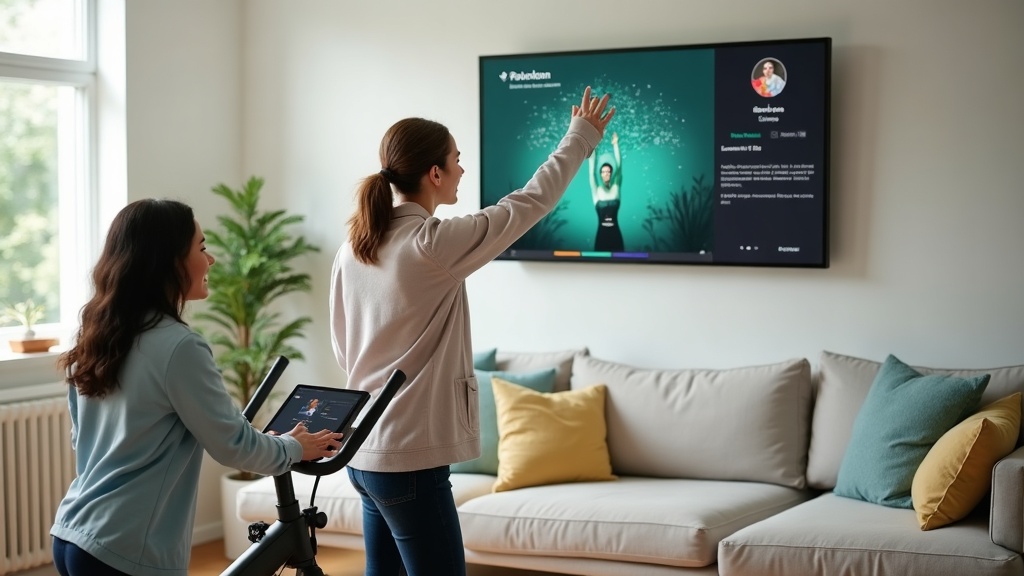
Understanding the Nuances of Connected Fitness Platforms

The realm of connected fitness is rapidly evolving, bringing with it a host of options for consumers to consider. This variety can lead to confusion, particularly regarding the choice between different platforms like Peloton, Tonal, and Mirror. Each of these systems offers unique features, content types, and pricing structures that can significantly impact user experience and fitness results. Misunderstandings often arise when individuals equate one platform's popularity with performance, neglecting to assess personal health goals and preferences.
Decision-making complexities are compounded by marketing strategies that emphasize certain aspects of each platform while downplaying others. For instance, a platform may boast an extensive library of classes but fail to mention the potential limitations in user interactivity or community engagement. It's vital to delve deeper than surface claims to truly understand which connected fitness option may align best with one's lifestyle and aspirations.
In this increasingly digital fitness landscape, simple advice like “go with the most popular option” falls flat. Factors such as engagement, long-term commitment, and tailored fitness solutions play critical roles in determining what works best for an individual. As users explore these connected platforms, they must face important choices that require thoughtful analysis rather than impulse buying.
What do most people misunderstand about the content quality across connected fitness platforms?
One common misconception is that all content is created equal within connected fitness platforms. While platforms like Peloton and Tonal often highlight their vast libraries, the quality and type of content can vary significantly. Users may believe that having access to numerous classes means a richer experience; however, the depth of instruction and the engagement level of trainers can differ widely. Some platforms may provide visually appealing workouts but lack thorough coaching cues or modifications for different fitness levels, which can be crucial for users looking to improve their form and technique.
Moreover, live classes versus on-demand options present another layer of complexity. Many users prefer the motivation of live classes, yet they might overlook the benefits of on-demand content, which allows for flexibility and self-paced learning. This is especially relevant for busy individuals who struggle to fit workouts into a rigid schedule. The balance of content type, accessibility, and quality should be a key consideration, as the effectiveness of workouts often diminishes if users cannot find classes that resonate with them personally.
To understand content quality, it's essential to evaluate not just the number of available sessions but also the focus and mastery of topics by trainers. High-quality content will engage users not only physically but also mentally, providing insights into the "why" behind the exercises. Therefore, judging platforms solely on quantity can lead to dissatisfaction in the long run.
How does user experience impact long-term commitment to a fitness platform?
User experience is the linchpin for sustained engagement within connected fitness platforms. An appealing interface, seamless navigation, and easy access to metrics and progress tracking can significantly influence a user's motivation to continue. If a platform feels intuitive and rewarding to use, individuals are more likely to integrate their chosen fitness regimen into daily habits. Conversely, if users face technical glitches, cumbersome navigation, or difficulty finding preferred classes, their propensity to abandon the platform increase exponentially.
Additionally, community features play a substantial role in maintaining motivation. Platforms that foster a sense of belonging or camaraderie often have users who stick around longer. Features such as leaderboards, challenges, or social media integration can create friendly competition and support systems. For many, fitness is not just about the physical; having a community can provide crucial emotional connections and accountability, which are invaluable for long-term commitment.
Ultimately, the user experience must align with personal expectations and needs. If a platform doesn’t adapt or evolve to enhance the user experience, even the most beautifully designed content may not hold user interest over time. Therefore, it’s essential to invest time in exploring each option to assess how each platform resonates with one's preferences and lifestyle requirements.
What are the hidden costs associated with connected fitness subscriptions?
While monthly subscription fees for connected fitness platforms can appear manageable, many users overlook hidden costs that can pile on unexpectedly. For example, while a platform may entice users with a low introductory price, additional fees for premium classes, access to exclusive workshops, or personalized training sessions can add substantial financial burden over time. It’s vital to read the fine print and comprehend what is included in the initial subscription versus what costs may arise later.
Hardware costs can also pose significant hidden expenses. Some platforms necessitate investing in specialized equipment—like the high-priced treadmills or bikes associated with brands like Peloton or Tonal. Users need to fact-check local availability, warranty conditions, and whether maintenance fees are included or stand as additional expenses. Hence, weighing the cumulative investment into the connected fitness ecosystem is essential before making a commitment.
Lastly, the potential for increased purchase patterns based on the fitness platform’s marketing strategies should not be underestimated. Many brands aim to create upselling opportunities through gear, nutritional programs, or accessories designed to enhance the workout experience. Without careful monitoring of expenditures, users might wind up investing far more than anticipated. Being proactive about understanding these hidden costs can save users from financial strain in their fitness journey.
Why is personalized content important for fitness success?
Personalized content is key to sustaining engagement and achieving fitness goals on connected platforms. A one-size-fits-all approach often fails to motivate participants, especially as individuals have vastly different fitness backgrounds, preferences, and objectives. For instance, a beginner who is primarily focused on weight loss may struggle with an aggressive strength program aimed at advanced fitness enthusiasts. Having a platform that offers tailored workout paths considering individual goals can establish a stronger foundation for success.
As technology evolves, some connected fitness platforms utilize algorithms and data analysis to provide customized workout suggestions based on user performance and feedback. This adaptability enhances outcomes by challenging users appropriately without overwhelming them. When participants feel their workouts are designed specifically to fit their journey, they tend to remain more committed and invested in their progress, leading to improved results over time.
However, choosing a platform that recognizes the importance of personalized content often requires due diligence. It is not merely about having personalization options but rather how effectively the platform implements these features in practical terms. Therefore, prospective users should inquire about tailored workout plans and the ability to adjust them and assess how each platform allows flexibility to modify routines as their health and fitness needs fluctuate.
Is it actually better to invest in all-in-one systems rather than individual apps or devices?
The allure of all-in-one connected fitness systems is compelling, as they promise a comprehensive solution for varied workouts and preferences. However, this approach may not necessarily translate into better results or experience for every user. All-in-one systems often come with a higher entry cost but may lack the particular depth or specialization that dedicated apps or devices provide in their niche. For example, while some platforms like the Mirror offer a breadth of class types, users might find that specialized apps provide more effective training methods for specific goals, such as weightlifting or yoga.
Moreover, in an industry that is rapidly innovating, individual devices or applications may offer newer trends or styles more quickly than comprehensive systems that try to cover all bases. Relying on a single system might lead to stagnation in one's fitness journey, especially if the platform fails to continuously refresh its content or innovate based on user feedback. Diversifying fitness resources allows users to stay adept and engaged, exploring new techniques and regimes that might better serve their evolving interests.
Ultimately, the decision to choose an all-in-one system versus standalone options should be grounded in personal fitness goals and preferences. While an all-in-one solution might simplify the user experience, exploring a variety of specialized offerings could enhance engagement and ultimately lead to better health outcomes. Each approach has its merits, but understanding individual needs is critical in making the right choice.
What consequences arise from misjudging platform suitability for personal goals?
Making a choice without a thorough assessment of how well a connected fitness platform aligns with personal fitness goals can lead to several damaging outcomes. Most importantly, users may face disappointment with their lack of progress or motivation, which can stem from using a platform ill-suited to their needs. For instance, someone interested in high-intensity interval training may find less satisfaction in a platform primarily focused on yoga or meditation, leading to cognitive dissonance regarding their fitness journey.
Moreover, prematurely committing to an unsuitable platform can divert financial resources away from options that could provide better support, undermining long-term fitness success. Often users find themselves locked into contracts or subscription services that fail to meet their needs, leading to frustration and potential loss of confidence in fitness altogether. This scenario presents a significant risk, as motivation can be derailed when users perceive a lack of alignment between their aspirations and their daily routines.
Finally, the consequences can extend beyond mere disappointment. Continuous struggle to adapt to a platform can lead to injuries due to incorrect form or excessive boredom, resulting in decreased overall physical activity. Prioritizing a careful evaluation of how well platforms fit personal goals is essential for maximizing fitness potential. Only then can users truly enjoy the benefits of connected fitness and realize effective, lasting transformation over time.
How do compatibility and integration with other health tools influence effectiveness?
As technology continues to buttress the fitness landscape, compatibility with other health tools presents a crucial component influencing the overall effectiveness of a connected fitness platform. Users increasingly rely on metrics and data from wearables such as fitness trackers and smartwatches. If a fitness platform can seamlessly integrate these data points, it enhances the user experience, promoting informed decisions that drive improved performance and outcomes.
Conversely, platforms that do not interface smoothly with existing health devices or apps may restrict users from seeing a comprehensive overview of their fitness journeys. Fragmented data can impede personal insights and yield incomplete tracking, ultimately leading to slower progress. Users must think critically about how well potential platforms will work within their unique ecosystem of health tools to ensure they harness the full benefits of technology.
Additionally, users should consider how integration with nutrition tracking apps or wellness programs might enable a more holistic approach to health. Successful fitness isn't merely about exercise; it's also about understanding dietary choices, rest, and recovery. Platforms that offer collaborative features with other health tools create an ecosystem that better supports comprehensive wellness and achievements. Therefore, evaluating interoperability alongside fitness goals is essential when selecting a connected fitness platform.
Evaluating Key Factors in Connected Fitness Platforms

Connected fitness platforms have revolutionized the way individuals engage with their fitness routines, offering tailored experiences that blend technology with physical activity. This growing trend encompasses a range of equipment such as Peloton, Tonal, Mirror, and others, making the evaluation process essential for potential users. Each platform brings unique features, pricing structures, and content quality, demanding that users think carefully about their decisions.
Simple answers often fall short in capturing the complexity of these systems. As these platforms continue to evolve, understanding their strengths and weaknesses becomes fundamental to making informed choices. You'll want to look beyond mere advertisements to consider how these products align with your personal health objectives and lifestyle preferences.
-
Cost vs. Value
The price of connected fitness devices can vary widely, from hundreds to thousands of dollars. While initial costs are a primary concern, it’s crucial to evaluate the long-term value, including subscription fees for content and classes.
For instance, Peloton’s monthly subscription adds to its overall cost but provides an excellent variety of classes. Consider what’s available with the subscription and whether it justifies the upfront purchase.
-
Content Quality
The quality of workout content is pivotal in maintaining user engagement. Look for platforms that offer high-production-value classes led by experienced trainers, as well as diverse workout types. This variety can strongly affect your motivation and adherence to a workout routine.
Evaluate whether the platform provides live classes, on-demand options, and diverse formats like strength training, cycling, or yoga. Such factors can enrich your fitness journey.
-
User Experience
A seamless user experience is essential for enjoying your workouts. Navigation should be intuitive, whether accessing classes via mobile or on a smart screen. Look out for user feedback on how easily they can navigate and find workouts.
This video contrasts different user interfaces of popular platforms, providing insights into their navigational ease. Visual demonstrations of what to expect can make the evaluation process less abstract and help potential users visualize their experiences.
Understanding a platform’s user experience can help alleviate frustration and foster a more enjoyable fitness journey, integral for maintaining long-term engagement.
-
Community Engagement
A thriving community can significantly enhance motivation. Platforms with social features encourage users to connect with friends, participate in challenges, and share achievements. This interactive aspect can help you stay committed and inspired.
Inquire about community support, such as forums, group challenges, or social media interactions, as these elements can turn solitary workouts into shared experiences.
-
Progress Tracking and Analytics
Data-driven feedback is invaluable for assessing your fitness journey. Look for platforms that provide detailed metrics and insights into your performance, such as heart rate, calories burned, or progression tracking over time.
These features aid in tailoring specific goals and can reinforce a sense of achievement as you see measurable progress.
-
Hardware Versatility
While some platforms focus on a single piece of equipment, others offer a broader range of connected devices. Evaluate how well the hardware performs and whether it supports multiple modes of exercise or is specialized.
This video reviews equipment versatility among different platforms, illustrating how multipurpose machines can maximize your investment. It emphasizes the importance of flexibility in training routines, which can cater to varied fitness levels and preferences.
Choosing versatile hardware can enhance your training options and keep your routine fresh and engaging, making it easier to stick to your goals.
-
Integration with Other Apps
For those who rely on fitness apps for tracking a holistic health journey, integration capabilities are paramount. Look for platforms compatible with popular health apps, allowing for seamless data syncing across devices.
Compatibility can streamline your fitness tracking process and provide a more cohesive health overview, enhancing your understanding of progress across all activities.
-
Customer Support and Warranty
Lastly, assess the level of customer support available and any warranty options that come with the device. Support can be vital in resolving issues quickly and efficiently.
Investigating warranty terms can provide peace of mind regarding your investment, ensuring you’re supported in case of hardware malfunctions or issues.
| Platform | Cost | Content Quality | User Experience | Community Engagement |
|---|---|---|---|---|
| Peloton | High | Excellent | Intuitive | Strong |
| Tonal | Premium | High | Streamlined | Moderate |
| Mirror | Moderate | Good | User-Friendly | Emerging |
| Other Platforms | Varies | Depends on Studio | Varies | Varies |
Mastering Your Connected Fitness Experience

Navigating the world of connected fitness platforms can be a daunting task for many individuals. While the allure of innovative technology and vast libraries of workout content is enticing, people often struggle to make informed decisions on which platform suits their unique fitness needs best. Confusion arises not only from the myriad of options available—Peloton, Tonal, Mirror, and others—but also from varying costs, content quality, and user experiences that can be difficult to disentangle without firsthand insight.
Accurate execution in selecting and utilizing a connected fitness platform is crucial. Understanding how to leverage these systems to their fullest potential can enhance your physical, mental, and emotional well-being. Moreover, the wrong choice can lead to frustration, wasted resources, and unmet fitness goals. By grasping the key components of each platform, you’ll pave the way for a more effective and enjoyable fitness journey.
Assess Your Goals and Fitness Level
Before diving into the vast pool of connected fitness options, take a moment to assess your personal fitness goals. Are you looking to build strength, improve cardiovascular endurance, or enhance flexibility? Perhaps you're keen on social interaction through competitive classes? Understanding these goals will help you gauge which platform offers the best-suited programs for your aspirations.
Your current fitness level also plays a pivotal role in this decision-making process. Some platforms offer advanced workouts that may not be suitable for beginners, while others provide scalable options that adjust to your capabilities. Failure to accurately appraise your goals and fitness level can lead to choosing a platform that is either too steep a challenge or lacking in sufficient engagement for your needs.
Evaluate the Content Quality
Once you've discerned your goals and fitness level, move on to evaluating the content quality of potential platforms. Look for features such as the diversity of workout types, the qualifications of trainers, and the range of class times available. High-quality content is not just about the number of workouts but also the expertise of instructors, the production values of classes, and the extent to which workouts are tailored for different skill levels.
Consider User Experience and Community Engagement
Beyond workout content, the user experience of each platform can profoundly influence your overall satisfaction. How intuitive is the user interface? Are there features that enhance your workout experience, such as tracking progress, setting goals, or community challenges? Social interaction can be a game changer for many users. Platforms that foster community, through leaderboards, group challenges, or social media integration, can significantly enhance motivation and accountability.
Inadequate user experience can lead to frustration that may hinder your commitment to using the platform consistently. Invest time in understanding the user feedback on community engagement and interface satisfaction to consider this vital aspect effectively.
Analyze Cost Versus Value
Cost is often a determining factor when selecting a connected fitness platform. The price models vary widely, from upfront equipment costs to monthly subscriptions. While it's easy to be swayed by lower costs, it’s critical to analyze the value you receive in return. Some platforms may appear expensive upfront but offer robust libraries and ongoing new content that justifies the investment in the long run. Others might have less variety or fewer updates, making them less cost-effective over time.
Make sure to calculate the total costs associated with the platform you're considering, including maintenance of equipment and any additional fees. Choosing purely based on price may set you up for dissatisfaction if the service doesn’t meet your corresponding value expectations.
Explore Trial Offers and Community Feedback
Every connected fitness platform worth its salt should offer some form of trial, whether it’s a limited-time subscription or a demo class. Take advantage of these opportunities to test the waters before committing fully. Not only does this allow you to assess the platform and instructors firsthand, but it also gives you a sense of its community atmosphere.
In addition to trial offers, delve into community feedback across social media platforms and dedicated forums. Real-world user experiences can highlight pros, cons, and hidden gems you might not notice from surface-level research. Skipping this step may lead you to make a choice based solely on marketing rather than genuine usability, which can stall your fitness journey.
Commit to Regular Use and Adaptation
Finally, committing to regular use of your chosen fitness platform is vital for reaping the most benefits. A failure to consistently engage with your workouts can lead to a decline in motivation and the desired fitness outcomes. Frame your routine around the platform you chose while being open to adapting as your fitness needs evolve. As you progress, you might require new challenges or different types of workouts that your current platform may or may not provide.
In the dilemma of sticking with what you know versus exploring new avenues, remember that flexibility in your fitness journey is paramount. Regularly reviewing how your platform supports your evolving goals can help you stay proactive in your fitness strategy and ensure long-term success.
This TikTok video showcases various connected fitness platforms in action, highlighting user testimonials and workout experiences. It connects to the topic by providing a visual sense of community interaction and the diverse formats of workouts. Watching real users engaging with these platforms can enhance your understanding and help solidify your choice.
| Platform | Initial Cost | Monthly Subscription | Content Quality | Community Engagement |
|---|---|---|---|---|
| Peloton | $1,495+ | $44 | High | Strong, with leaderboards |
| Tonal | $2,995 | $49 | Premium | Moderate |
| Mirror | $1,495 | $39 | High | Fostering |
This second TikTok video provides insights into diverse workout routines across platforms. It also demonstrates how different user communities interact, fostering a sense of camaraderie and support. This added perspective can prove invaluable as you consider which platform offers not only workouts but a supportive community experience.
Common Mistakes to Avoid
- Choosing a platform based on flashy marketing without research.
- Neglecting to assess personal fitness needs and preferences.
- Failing to explore trial options before committing.
- Ignoring user reviews or community feedback.
- Focusing solely on cost without evaluating content quality and features.
- Underestimating the importance of community support and motivation.
Measuring Your Progress
Setting realistic benchmarks is essential for measuring your progress on a connected fitness platform. While it’s tempting to set lofty goals, remember that fitness is a journey, and long-term sustainability is vital. Instead of fixating on short-term outcomes, such as immediate weight loss, place value on developing habits that will lead to lasting change. Engage with features that help you track your activity over time, such as leaderboards, progress charts, or personal best achievements.
Lastly, don’t forget to recalibrate your expectations based on your schedule and physical response to exercises. Flexibility in approach and goals will keep you motivated and on the right path to health and wellness.