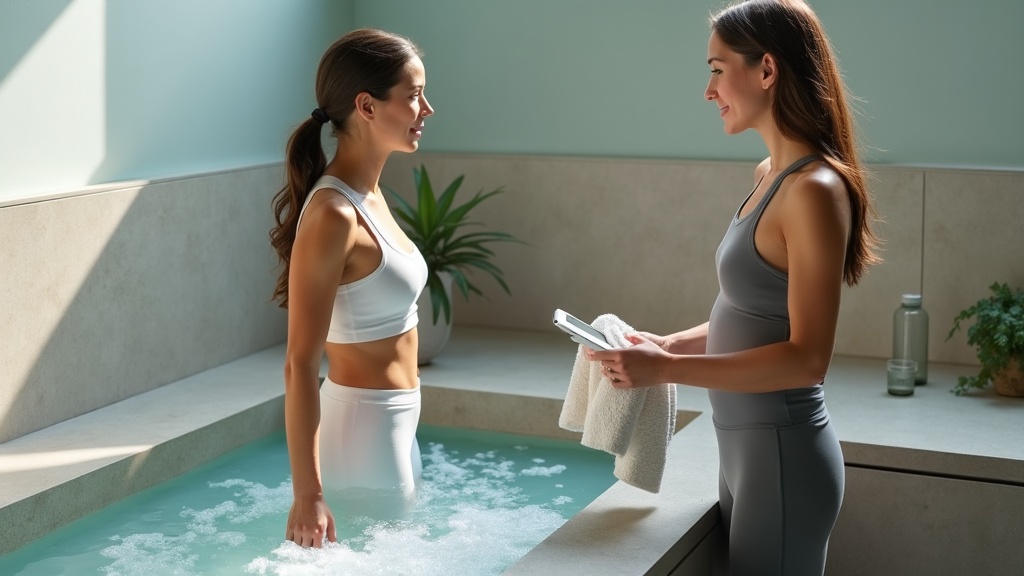
Understanding the Misconceptions and Complexities of Cold Exposure

The topic of cold exposure, especially through methods like cold plunges and ice baths, is often surrounded by a fog of misconceptions. Many individuals enter these practices with the hope of enhancing recovery, reducing inflammation, or improving overall health, without fully understanding the contextual implications or the breadth of current research. This lack of clarity can lead to hasty decisions that may end up doing more harm than good, particularly if the physiological responses to the cold are not properly recognized.
Decision-making around cold exposure is often fraught with complexities. While some people swear by the effectiveness of cold therapy, others question its supposed benefits, citing potential drawbacks that are easily overlooked. For example, while cold plunges can reduce acute inflammation, they may inadvertently impair muscle adaptation following workouts. Such trade-offs underscore the importance of critical evaluation rather than blind adherence to fitness trends.
Moreover, simple advice can lead to misleading conclusions. It’s common to hear blanket recommendations that advocate for regular ice baths without considering factors like individual health conditions, the type of physical activity performed, or the specific recovery goals of the practitioner. Therefore, a nuanced understanding of this subject is essential for anyone looking to incorporate cold exposure into their fitness or recovery regime.
What do most people misunderstand about the benefits of cold exposure for recovery?
A popular belief is that cold exposure indiscriminately boosts recovery, but this is a simplification. While cold plunges can indeed mitigate immediate inflammation and soreness post-exercise, there is a nuanced trade-off at play. Research indicates that while acute inflammation is reduced, chronic inflammation also plays a vital role in muscle adaptation and growth. Inhibiting the inflammatory response may hinder the body's natural healing processes and muscle-building adaptations. Thus, not all recovery scenarios align with the notion of cold exposure as a cure-all.
Moreover, individual responses to cold exposure can vary significantly. Some athletes may find that it aids their recovery, while others may feel fatigued or less able to perform subsequent workouts effectively. This variance underscores the need for personalized approaches in recovery strategies, rather than one-size-fits-all protocols.
A more informed approach involves considering when to use cold exposure. It may be most effective after highly intense sessions or events, but less advantageous during periods of lower activity when muscle adaptation can yield greater benefits. Understanding these contexts leads to smarter recovery strategies that maximize long-term gains.
How does cold exposure impact long-term athletic performance?
While cold exposure is often lauded for immediate recovery benefits, its long-term implications are less straightforward. Continuous reliance on cold therapy may blunt positive adaptations from resistance training, particularly by impacting muscle hypertrophy, which is crucial for improved athletic performance. Studies show that consistent use of ice baths can lead to diminished gains in maximal strength and muscle size due to the suppression of the body’s natural inflammatory response.
Athletes often aim for a delicate balance between immediate recovery and long-term progress. A substantial body of research suggests that moderate inflammatory responses are necessary for fostering the adaptations that drive muscle growth and performance enhancements. Thus, the frequent use of ice baths could paradoxically lead to reduced athletic performance over time if strategic thinking doesn’t accompany their application.
The variability in how individual athletes respond to cold exposure means that personal experimentation is vital. Some may discover that intermittent cold baths provide the best outcomes, while others may thrive without them. Periodically assessing performance metrics and recovery can guide athletes in determining the most effective approach for their specific needs.
Is it actually better to use ice baths immediately after intense workouts?
Using ice baths directly after intense workouts has become a prevalent practice, but is it always advantageous? While there is empirical evidence supporting short-term relief from muscle soreness, the decision to engage in this practice comes down to understanding the physiological responses involved. Immediately submerging in cold water restricts blood flow, which can accelerate the removal of metabolic waste but may also inhibit the influx of nutrients necessary for muscle repair and growth.
Moreover, the effectiveness of ice baths post-intense workouts can depend on the type of activity performed. Cold exposure may be beneficial after high-intensity training sessions but less so after endurance events. Just as in joint recovery, the body's needs vary depending on the stresses imposed upon it. Relying on cold therapy indiscriminately may yield mixed results, which merit deeper consideration and strategic application.
Additionally, the act of habitually using ice baths could create a physiological dependence, where athletes feel compelled to cold plunge after every workout regardless of the body's contextual needs. This automatic response can lead to stunted recovery processes and may reduce sensitivity to recovery signals, weakening the body’s innate response mechanisms over time.
What are the hidden challenges to regular cold plunge routines?
Although many endorse regular cold plunge routines as beneficial, hidden challenges often lurk beneath the surface. One critical aspect often overlooked is the potential psychological component associated with cold exposure. Regularly enduring extreme cold can induce stress, which may counteract the intended benefits of recovery and lead to adverse effects on an athlete’s mental state.
Additionally, the inverse response from the body can present risks. While extreme cold can initially decrease inflammation, repeated exposure might place stress on the cardiovascular system and compromise heart function, particularly for individuals with pre-existing conditions. The stark reality is that without thorough understanding, the allure of the cold plunge might lead athletes into undue risk territory.
Moreover, not all cold plunge environments are created equal. Variability in water temperature, duration of exposure, and individual health statuses can complicate recovery strategies and outcomes. Thus, a critical eye and careful self-assessment are crucial to ensure that practitioners are deriving real benefits rather than incurring unintended consequences.
Why is individual variability important when considering cold exposure therapies?
The diversity in individual responses to cold exposure therapies cannot be overstated. Factors such as age, body composition, health status, and even psychological resilience all play a significant role in how one reacts to cold treatment. For instance, younger athletes might find ice baths invigorating and beneficial, while older individuals could experience discomfort or even adverse effects due to compromised circulation and temperature regulation.
This variability makes it essential for individuals to perform self-assessments regarding their own recovery needs and responses to therapy. Some may thrive on cold exposure as a regular recovery tool, whereas others might find minimal or even negative outcomes, suggesting that a personalized approach is crucial in determining effectiveness. The one-size-fits-all mindset common in fitness and recovery trends may obscure the importance of individualized practices.
Ultimately, prioritizing individual variability over standardized recommendations allows for more tailored strategies that recognize the unique needs of the body. An ongoing evaluation of one's recovery responses is vital to evolve and adapt practices over time, optimizing the benefits derived from cold plunge therapies.
What happens when cold exposure is misguided or misapplied?
Misguided or misapplied cold exposure can lead to various unintended consequences, ranging from negligible effects to outright detriments to health and performance. For example, using cold baths too frequently without a clear recovery strategy might stifle the body's natural adaptation processes, leading to long-term declines in athletic performance. Additionally, individuals may rush into extreme temperatures without acclimatization, raising risks of cold-related injuries such as frostbite.
A fundamental misunderstanding of the physiological ramifications can also skew expectations. While users may seek immediate relief, over-relying on cold exposure might lead to the paradox of enhanced chronic inflammation and delayed recovery in the absence of proper warm-ups and cool-downs. Such misapplications often stem from a misunderstanding of the body's recovery needs post-exercise.
This misconception often perpetuates the myth that all inflammation is harmful. The reality is that inflammation is a natural and necessary response for healing and adaptation. Therefore, an overemphasis on cold therapy can counteract the very processes that contribute to strength and endurance gains, leading to a cycle of frustration and confusion. Thus, informed decision-making is vital to mitigate these risks and effectively harness the power of cold plunge therapy.
How does the timing of cold exposure influence its effects?
The timing of cold exposure is a critical factor influencing its effects, yet it often goes unrecognized. For instance, immediate use after intense exercise may yield short-term relief but could inhibit the essential recovery processes necessary for muscle repair and growth. Conversely, utilizing cold exposure at strategically chosen times, such as during rest days or prior to competition, can optimize its benefits without adversely affecting muscle adaptation.
Certain studies suggest that using cold therapy several hours after workouts can serve to address inflammation without dampening beneficial adaptations. This approach allows for blood flow to return to muscle tissues, enabling nutrient delivery and metabolic waste removal while still reaping the benefits of cold exposure.
Adjusting the timing of cold exposure according to the physical activity or competition schedule can thus enhance its efficacy. By recognizing specific recovery needs or performance metrics, practitioners can refine their strategies, ensuring that cold exposure acts as a valuable ally rather than a hindrance in their fitness journeys.
Understanding the Benefits and Risks of Cold Plunge Therapy

Cold plunge therapy, which often includes ice baths, has gained significant popularity in fitness and recovery circles. Athletes and wellness enthusiasts alike seek to harness the potential benefits of cold exposure, from reducing inflammation to enhancing recovery post-exercise. However, while the allure of cold therapy is strong, it's essential to recognize that the science surrounding its effectiveness is nuanced. Misunderstanding these complexities may lead to suboptimal practices or even injury.
This listicle delves into crucial insights about cold plunge therapy, addressing both benefits and caveats rooted in research. By understanding these factors, individuals can make informed decisions that optimize their health and recovery strategies while avoiding potential pitfalls associated with improper use.
-
Inflammatory Response
Cold exposure has been shown to modulate the body’s inflammatory response, particularly after intense workouts. The application of cold can temporarily constrict blood vessels, leading to reduced swelling and inflammation in the targeted area.
However, excessive use of cold therapy could potentially delay necessary inflammation that is a crucial part of the healing process, suggesting that timing and balance are key.
-
Muscle Recovery Benefits
Many athletes believe that cold plunges can reduce muscle soreness and expedite recovery. Research shows that immersion in cold water can lower muscle temperature, which may help to prevent muscle damage.
Nevertheless, the timing following intense exercise is critical, as strategies for recovery can significantly influence overall performance.
-
Mindset and Mental Resilience
Participating in regular cold plunges can foster mental resilience, helping individuals push through discomfort. The practice has been linked to improved mental clarity and enhanced mood following exposure.
This video showcases cultures around the world utilizing cold exposure for health benefits, particularly in mental resilience and community practices. It highlights not just the physical but also the psychological advantages that can stem from participating in cold plunge rituals.
Recognizing the mental aspects of cold therapy can be an essential motivator for regular participation, thereby enhancing adherence to wellness routines.
-
Impact on Blood Circulation
Alternating between cold and warm exposure can enhance blood circulation. Cold plunges constrict blood vessels, while subsequent warming promotes re-expansion, facilitating better blood flow to tissues.
This method can help in clearing metabolic waste and improving nutrient delivery, making it an effective strategy for muscle recovery.
-
Potential Risks for Specific Populations
Individuals with certain medical conditions (like Raynaud’s disease or cardiovascular issues) should exercise caution with cold exposure. The body reacts differently to extreme temperatures, and risks of hypothermia or vascular complications can arise.
Consulting a healthcare provider is imperative to determine whether cold plunge therapy is suitable for your personal health circumstances.
-
Duration and Frequency Considerations
The optimal duration and frequency of cold plunges can vary greatly among individuals. While some may benefit from a few minutes at a time, others might require longer exposure to achieve desired effects.
This video emphasizes the chill of ice baths and encourages viewers to embrace the experience. Understanding that cold exposure impacts everyone differently can lead to customized approaches for individual needs.
As viewers see in the video, developing an awareness of personal tolerances helps in tailoring the frequency and duration to optimize recovery without risking adverse effects.
-
Accessibility and Practical Methods
Not everyone has access to a traditional cold plunge tub, leading to various alternative methods. From ice baths in home tubs or simply cold showers, practitioners can effectively implement cold exposure based on their available resources.
Innovative solutions can provide flexibility to incorporate cold therapy into a regular recovery routine, even on a budget.
-
Timing Relative to Exercise
The timing of cold exposure relative to exercise may influence effectiveness. Some studies suggest that cold plunges may diminish the long-term muscle adaptations needed for strength building if done immediately post-exercise.
A mindful approach regarding when to use cold therapy—whether pre- or post-workout—can be beneficial for maximizing muscle growth and recovery.
| Insight | Benefits | Caveats |
|---|---|---|
| Inflammatory Response | Reduces swelling and inflammation | May delay healing if overused |
| Muscle Recovery | May accelerate recovery | Timing is crucial for long-term gains |
| Mental Resilience | Improves mental clarity and mood | Requires consistent practice to see gains |
| Blood Circulation | Enhances nutrient delivery | Not suitable for everyone |
| Risks for Specific Populations | Varied approaches based on individual needs | Requires medical consultation |
| Duration & Frequency | Customized exposure rates | Too much can lead to adverse effects |
| Accessibility | Multiple methods available | Some methods may be less effective |
| Timing of Use | Facilitates effective recovery | Can inhibit muscle growth if not timed correctly |
Implementing Cold Plunge Techniques: Your Step-by-Step Guide

Cold plunges and ice baths are rapidly gaining popularity among athletes and fitness enthusiasts alike. However, while many are eager to jump into the icy water, the actual implementation of these practices can often be confusing or overwhelming. Many struggle with how to effectively incorporate cold exposure into their recovery protocols and may fear the discomfort associated with extreme cold or hold misconceptions about its benefits. Understanding how to properly execute these techniques is essential; incorrect usage can lead to minimal benefits or, in some cases, even harm.
A common barrier is the misunderstanding of the physiological responses initiated by cold exposure. It’s not just about submerging yourself in cold water; the timing, duration, and frequency of cold plunges play a critical role in optimizing recovery and enhancing performance. With the right approach, cold exposure can lead to decreased inflammation, improved muscle recovery, and even a boost in mental resilience. Let’s dive into the effective strategies you need to maximize the benefits of cold plunges and ice baths while avoiding potential pitfalls.
1. Understanding the Purpose of Cold Exposure
Before hopping into the icy abyss, it’s crucial to understand why you’re doing it. Cold exposure can help significantly reduce inflammation and muscle soreness after intense workouts. When you expose your body to cold, the blood vessels constrict, temporarily reducing blood flow to the targeted area. This process is followed by a rebound dilatation when you return to normal temperatures, effectively flushing out toxins and aiding the recovery process.
However, it’s essential to consider the timing of your cold plunge. After high-intensity workouts, about 10–15 minutes in cold water can be beneficial. On the other hand, for light exercise days, prolonged exposure might not be necessary. Finding the right balance is key—it’s about complementing your fitness regimen rather than replacing other recovery methods like proper nutrition and hydration.
2. Choosing the Right Temperature and Duration
The effectiveness of a cold plunge is influenced greatly by temperature and duration. Most recommendations suggest maintaining water temperatures between 50°F to 59°F (10°C to 15°C). Going much colder might lead to vasoconstriction that’s too extreme, which can halt recovery instead of facilitating it.
For duration, studies suggest that keeping your body submerged for about 10 to 15 minutes strikes an optimal balance between effectiveness and safety. If you're new to cold plunges, starting with shorter durations and gradually increasing your time may help your body acclimate better. Remember that excessive exposure or temperatures that are too cold can lead to frostbite or shock—risks worth avoiding.
3. Integrating Cold Plunges into Your Recovery Routine
To make cold plunges part of your recovery routine, consider scheduling them consistently post-workout sessions. For example, if you train in the morning, plan to complete your plunge immediately after your workout as part of your cool-down process. This immediate application maximizes the benefits of the cold.
Consistency is also key to getting accustomed to the experience. Some might find it uncomfortable initially, which is normal. The best course of action is to adapt your body over time. You might also consider alternating cold plunges with warm recovery baths to mix sensations, optimize muscle relaxation, and address any discomfort.
4. Monitoring Your Body’s Response
Being aware of how your body reacts to cold exposure is essential for safety and effectiveness. After a session, pay attention to how your muscles and joints feel—this can guide you in adjusting the frequency and duration of your plunges. If you notice a constant tightness, chronic pain, or discomfort, it might be wise to dial back on the frequency or consult with a healthcare professional.
Additionally, consider keeping a log of your plunges and how you feel afterward. This practice not only helps track your recovery but also allows you to recognize patterns in your performance, reinforcing the connection between cold exposure and its impact on your workouts.
5. Balancing Cold Exposure with Other Recovery Techniques
While cold plunges are beneficial, they should not serve as a standalone recovery method. Combining them with other practices, like active recovery, adequate nutrition, and quality sleep, is essential for comprehensive recovery. Hydration and supporting your immune system through a balanced diet are equally vital, as they ensure your body is prepared to handle the stresses of exercise and the recovery that follows.
Plus, consider physical therapies such as stretching or foam rolling alongside cold plunges to further benefit muscle recovery. Cold exposure can be powerful, but over-relying on it might limit your body's natural recovery processes. Integrating a holistic approach ensures you’re maximizing your overall performance.
6. Debunking Misconceptions About Cold Exposure
Many myths exist surrounding cold exposure; one prevalent misunderstanding is that it should only be used after rigorous workouts. While it’s particularly beneficial after high-intensity training sessions, it can also serve as a tool for mental recovery. Cold exposure can bring a sense of clarity and calmness, making it relevant for low-stress days, long travel, or after mentally demanding activities.
Another misconception is that shorter cold plunges are ineffective. Despite the discomfort, even brief exposure can stimulate recovery and mental resilience. Learn to listen to your body, as individual responses can vary greatly. Assess what duration and frequency works best for you, keeping in mind that each person’s tolerance and response will differ.
This video demonstrates a practical session on how to perform cold plunges effectively. It offers valuable insights into the techniques discussed and highlights the importance of proper execution. By watching this demonstration, you can gain a clearer understanding of how to integrate cold exposure into your routine in a meaningful way.
| Method | Benefits | Considerations |
|---|---|---|
| Cold Plunge | Reduces inflammation and boosts recovery | Requires acclimatization; potential discomfort |
| Contrast Therapy (Cold and Warm) | Improves blood flow and recovery; reduces stiffness | Can be time-consuming; needs facilities |
| Ice Packs or Cold Compresses | Localized treatment; easy to use | Limited to specific areas; less overall body impact |
This additional video offers a closer look at common mistakes people make when attempting cold plunges and how to avoid them. Understanding these pitfalls can provide you with a more profound insight into what makes cold exposure effective, helping you to implement it correctly in your routines.
Common Mistakes to Avoid with Cold Exposure
- Not considering personal comfort and tolerance—forcing yourself into extremes can lead to unnecessary stress.
- Underestimating the power of temperature—overly cold water may hinder recovery rather than enhance it.
- Using cold exposure as a primary recovery method—relying solely on it without incorporating other strategies is a mistake.
- Ignoring your body’s feedback—disregarding signs of discomfort can lead to injury or avoidance in the future.
- Failing to plan timing—using cold exposure at the wrong times can diminish the effectiveness of your workouts.
Evaluating Your Cold Plunge Success
To measure your progress with cold plunges, track not only your physical recovery but also your mental well-being. After several weeks of consistent practice, you should notice less muscle soreness, enhanced performance in subsequent workouts, and an overall feeling of increased mental clarity and resilience.
It’s essential to keep your expectations realistic; recovery is an intricate process that takes time. By evaluating both short-term results, such as immediate pain relief, and long-term outcomes, like consistent performance gains, you can judge how well cold exposure is working for you without falling prey to the desire for instant results.