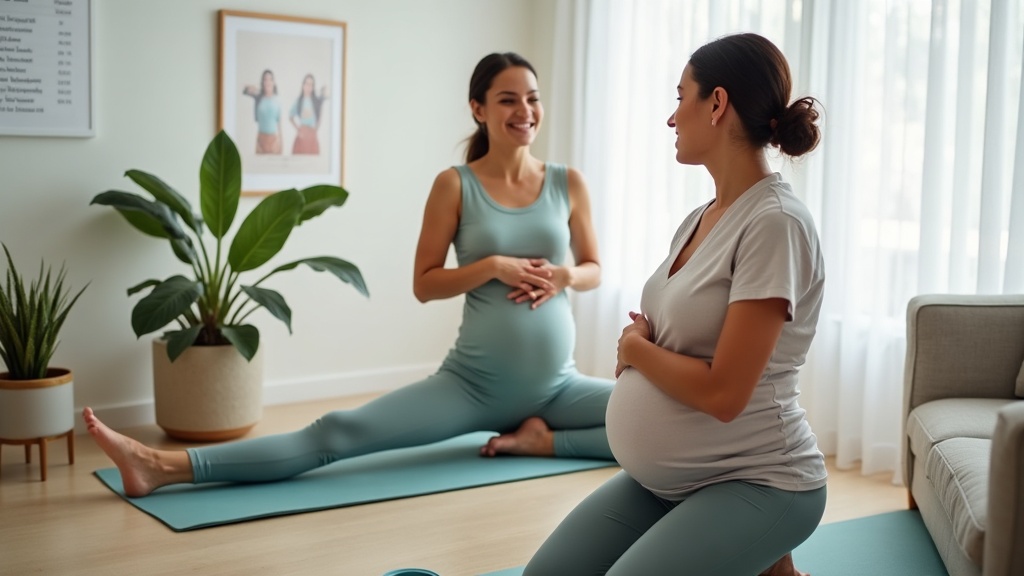
Navigate Safe Workouts Through Your Trimesters

Exercise during pregnancy can be a daunting task for many expectant mothers. The mixed signals from well-meaning friends, family, and online sources often create confusion about what is safe and beneficial. The fear of harming the baby or experiencing discomfort can lead to uncertainty, and some women may struggle to find balance—could they be doing too much or not enough? Understanding the nuances of safe workouts at each trimester is essential for promoting health and well-being during these transformative months.
Moreover, every pregnancy is unique, meaning that a one-size-fits-all approach to exercise simply won’t work. Adequate information about the do’s and don’ts helps significantly. It not only lifts the burden of hesitation but allows women to make informed decisions about their fitness routines. Correct execution and modifications during workouts matter tremendously. They can impact everything from maternal health to the baby’s well-being. Hence, it’s essential to grasp how to adapt your fitness regimen during this critical phase.
First Trimester: Establishing a Strong Foundation
In the first trimester, your body undergoes numerous changes due to hormonal fluctuations. It's crucial to listen to your body during this phase. Activities like walking, swimming, and low-impact aerobics are generally safe and can be beneficial. The goal here is to adapt to your changing body while maintaining a regular exercise routine. Light workouts can help alleviate common early pregnancy symptoms such as fatigue and nausea.
A key reason to engage in exercise during this stage is to build stamina. You might feel more tired than usual—exercising helps combat this lethargy. However, it’s essential to avoid high-impact activities and heavy weightlifting that could strain your body. Instead, focus on gentle movements. This creates a solid foundation for the more demanding physical challenges of later trimesters.
Second Trimester: Staying Active While Making Adjustments
The second trimester is often referred to as the ‘honeymoon phase’ of pregnancy; many women regain their energy levels. However, as your baby grows, your center of gravity shifts, and the body requires modifications in physical activities. Now’s the time to explore strengthening exercises that emphasize the core and pelvic floor. Yoga and pilates can be particularly beneficial, helping to maintain flexibility and relieve back pain.
While it may feel comfortable to increase the intensity of workouts during this trimester, it’s essential to be mindful of your body’s limits. Avoid any exercises that require you to lie flat on your back, as this can inhibit blood flow to the uterus. Choosing the right physical activities during this period promotes better flexibility and endurance, setting you up for smoother labor and recovery.
Third Trimester: Prioritizing Comfort and Ease
As you enter the final stage of pregnancy, your exercise routine will likely require even more modification. While gentle exercises like walking, stretching, and prenatal yoga remain safe, it's crucial to prioritize comfort over exertion. Aim for consistency rather than intensity. You’ll want to focus on maintaining mobility and helping your body prepare for delivery.
It’s important to recognize the signs your body sends. While exercise is beneficial, overexertion can lead to exhaustion or complications. Listen closely to your body. Staying hydrated and avoiding overheated environments will further support your exercise efforts. Practicing breathing techniques and pelvic floor exercises during this trimester not only prepares you for childbirth but also aids in postpartum recovery.
Understanding When to Modify or Stop
Whether you’re in your first, second, or third trimester, knowing when to modify or potentially stop your workout is fundamental. If you experience any concerning symptoms like heavy bleeding, intense cramps, or shortness of breath, consult healthcare providers immediately. Understanding your personal limits is critical. Every woman’s body reacts differently to physical stress, especially during pregnancy.
Monitoring your heart rate and staying within a comfortable range is a prudent approach, particularly as your body changes. As your pregnancy progresses, discuss your exercise routine with your healthcare provider to ensure that your choices are safely tailored to your unique circumstances. Making these adaptable choices can maximize both your fitness level and your baby’s health.
Benefits of Prenatal Classes
Participating in prenatal fitness classes can provide numerous benefits. These classes are designed specifically for pregnant women and focus on safe techniques that promote strength, flexibility, and relaxation. They also create a supportive environment where expectant mothers can share experiences and concerns, fostering community during an often isolating time.
The shared knowledge from qualified instructors can clarify misconceptions, guiding you toward safe practices tailored to your stage of pregnancy. Many classes also introduce breathing techniques and meditation practices—tools that can be invaluable during labor. Engaging with others who are going through the same phase can help make the challenges of pregnancy feel more manageable.
Nutrition and Hydration During Exercise
While physical activity is essential, exercise doesn't function in isolation—it should be complemented by a well-balanced diet. Consuming nutritious foods supports energy levels, which is vital for maintaining an active lifestyle during pregnancy. Focus on protein, fruits, vegetables, and whole grains to fuel both your workouts and overall health.
Hydration plays a significant role as well; drinking plenty of water before, during, and after exercise helps keep your body functioning optimally. Dehydration during workouts can lead to complications, including fatigue and overheating. Understanding the nutritional needs that align with your exercise regimens will optimize your health and fitness during pregnancy.
This video illustrates a safe and effective prenatal workout routine that aligns well with exercises recommended for each trimester. It highlights various modifications that can be applied to ensure comfort and safety as you progress through pregnancy. Visuals enhance understanding and provide practical demonstrations, making it easier to integrate these practices into your routine.
| Trimester | Recommended Activities | Key Adjustments | Signs to Stop |
|---|---|---|---|
| First | Walking, swimming, light aerobics | Focus on low-impact; avoid extremes | Heavy bleeding, sharp pains |
| Second | Yoga, pilates, strength training (light) | Avoid lying flat on the back | Dizziness, shortness of breath |
| Third | Walking, gentle stretching | Prioritize comfort and mobility | Severe fatigue, intense contractions |
This table clarifies the shifting focus of exercise approaches for each trimester, showcasing recommended activities alongside essential adjustments and safety signals. Understanding these differences is key to managing expectations and making informed choices as your pregnancy progresses.
Understanding Safe Workouts Throughout Your Pregnancy Journey

Determining the best exercise regimen during pregnancy is crucial for both physical health and emotional well-being. As your body changes, so do the recommendations and safety protocols governing physical activity. Understanding how to adapt your workouts to each trimester not only enhances your fitness but also supports a healthier pregnancy and delivery. This nuanced approach can help mitigate risks associated with overexertion and ensure a safe environment for both you and your baby.
Simple guidelines may seem sufficient at first glance; however, pregnancy is not a one-size-fits-all journey. Factors like fitness levels, pre-existing conditions, and individual responses to exercise can significantly alter what’s safe and effective. Thus, considering how to tailor workouts according to your stage of pregnancy is essential in fostering a positive exercise experience.
-
First Trimester: Emphasizing Consistency
During the first trimester, your body is adapting rapidly to hormonal changes. Given this, consistency is key. Engage in moderate activities such as walking or swimming, and consider low-impact aerobics or pregnancy-specific exercise classes.
Listening to your body is paramount. Begin incorporating short, frequent workouts to build a habit without overstressing your system.
-
Prioritize Core Strength
Focusing on core stability through targeted exercises helps prepare your body for the changes ahead. Incorporate modified planks and prenatal yoga to strengthen the muscles that will support your growing belly.
Building core strength not only promotes better posture but also may reduce discomfort as your pregnancy progresses.
-
Mid-Trimester: Add Strength Training
The second trimester is characterized by increased energy for most women, making it an excellent time to incorporate strength training. Use light weights to build muscle while keeping movements within a comfortable range.
This video illustrates safe weightlifting techniques suitable for the third trimester, demonstrating how appropriate strength training can enhance muscle endurance and stability during pregnancy. It's essential, as maintaining strength can aid in labor and recovery.
-
Monitor Your Body's Signals
Pay close attention to any signs of discomfort or fatigue. As your belly grows, balance and flexibility may start to change. If you experience any unusual symptoms like dizziness or severe pain, be prepared to adapt or stop certain exercises.
Using a pregnancy-related fitness tracker can also help you assess your activity levels and ensure you're staying within safe limits.
-
Third Trimester: Focus on Low-Impact Activities
As you enter the third trimester, consider shifting your focus to low-impact and restorative exercises such as prenatal yoga, pelvic floor exercises, and gentle stretching. These activities can alleviate discomfort and prepare your body for labor.
Prioritize exercises that enhance flexibility and breathing techniques, crucial for labor support.
-
Benefits of Group Workouts
Joining a pregnancy group class can offer both social interaction and motivation to stay active. Surrounding yourself with other expecting mothers can also provide emotional support.
These classes often focus on safe movements while creating a sense of community that can enhance your overall experience.
- Improves accountability and commitment
- Promotes camaraderie and shared experiences
- Access to professional guidance
-
Hydration and Nutrition: Key Components
Staying hydrated and maintaining balanced nutrition is crucial, especially in the latter stages of pregnancy. Ensure that you're not only fueling your workouts but also supporting your overall health.
Keeping a water bottle handy and preparing nutritious snacks post-workout can enhance recovery and energy levels.
-
Stay Empowered Through Movement
Exercise during pregnancy fosters a sense of autonomy and empowerment over your body during this transformative time. Engage in movements that make you feel strong and confident.
This video emphasizes the necessity of maintaining a consistent exercise regimen during pregnancy. It showcases practical workouts that enhance vitality and well-being, crucial for physical and emotional health.
| Trimester | Focus Areas | Recommended Activities | Key Adjustments |
|---|---|---|---|
| First | Consistency and Core | Walking, swimming, prenatal yoga | Listen to body cues, short sessions |
| Second | Strength Building | Light weight training, moderate cardio | Focus on form; increase intensity gradually |
| Third | Flexibility and Low-Impact | Yoga, stretching, pelvic floor exercises | Emphasize breathing and relaxation techniques |