
Understanding Men's Health: Key Factors and Concerns
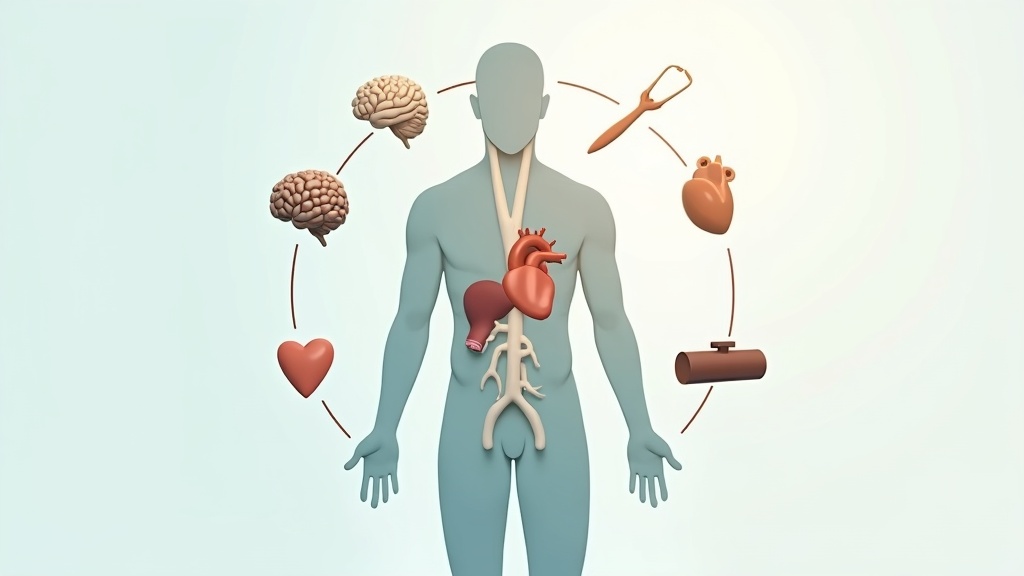
Men's health encompasses a wide range of concerns, from prostate health to cardiovascular risks and mental wellness. As men, understanding these elements is crucial for maintaining not only physical well-being but also emotional and mental balance. The unique health issues faced by men often require a specific approach to prevention and treatment, making it essential to stay informed and proactive.
This knowledge is particularly timely as emerging statistics and research indicate that men are at risk for various preventable health issues. By prioritizing men's health, individuals can reduce the likelihood of severe complications down the line. At Radivive, we aim to provide insights that help men understand their bodies better, allowing them to make informed decisions about their health.
Prostate Health: Understanding the Basics
The prostate gland plays a significant role in men's reproductive health but can also be the center of various health issues, such as benign prostatic hyperplasia and prostate cancer. Awareness of these conditions is vital, as early detection and treatment can greatly enhance outcomes. Routine screenings and discussions with healthcare providers can help men stay on top of their prostate health.
Men often underestimate the importance of prostate health or may feel embarrassed discussing it; however, understanding the risks and signs associated with prostate conditions can empower individuals to seek the help they need. Regular check-ups and knowing what to watch for can make a difference in managing prostate health effectively.
This video provides vital information about prostate health and the common conditions that can affect it. Understanding these issues through a visual medium can help demystify the topic, making it easier for men to relate and respond to their health needs. The insights shared here can motivate viewers to take proactive steps in monitoring and improving their prostate health.
Cardiovascular Health: Why It Matters
A significant concern for men is cardiovascular health, as heart disease remains one of the leading causes of death worldwide. Factors such as high blood pressure, cholesterol, and lifestyle choices play a crucial role in cardiovascular risk. It's essential for men to understand these risks to take necessary precautions and seek regular medical advice.
Education about heart health empowers men to recognize the signs and symptoms of potential heart issues, helping them to act swiftly if necessary. Lifestyle changes, including a balanced diet and regular exercise, can significantly improve cardiovascular outcomes, emphasizing personal responsibility in maintaining one's health.
Mental Well-Being: Recognizing the Signs
Mental health is often overlooked, yet it is a fundamental aspect of overall well-being. Issues like depression and anxiety can affect men differently, and stigma often prevents them from seeking the help they need. Acknowledging the importance of mental health in conjunction with physical health allows for a more balanced approach to wellness.
Fostering an understanding of what mental health looks like and how to address it can lead to improved quality of life. Resources and support networks are crucial for those struggling with mental health challenges, and opening up the conversation around mental wellness should be a priority for individuals and communities alike.
This video explores the nuances of mental health challenges faced by men, shedding light on the signs to watch for and the importance of seeking help. It offers a deeper understanding of emotional health and reinforces the idea that prioritizing mental well-being is just as critical as taking care of physical health.
Addressing Male-Specific Concerns
There are numerous male-specific health concerns that can arise at different stages of life, including erectile dysfunction, low testosterone, and various sexually transmitted infections. Each of these issues can significantly impact a man's quality of life and can indicate underlying health problems that need to be addressed. Awareness and education are key to breaking down the barriers that often surround discussions about these topics.
Men should feel empowered to discuss these issues openly with their healthcare providers. Knowledge about these concerns can lead to early detection and intervention, making a critical difference in treatment outcomes. Additionally, understanding the lifestyle factors that contribute to these conditions can be pivotal in promoting long-term health.
Understanding Critical Aspects of Men's Health

Men's health is a multifaceted issue that transcends mere physical fitness; it encompasses emotional, psychological, and social dimensions that are crucial for overall well-being. As men face unique health challenges—including prostate health, cardiovascular concerns, and mental health issues—it's vital to understand how these factors interplay. Simple answers may provide temporary relief but often lack depth, leaving men vulnerable to greater health risks if not addressed comprehensively.
Navigating men's health involves more than addressing symptoms; it requires a proactive approach to prevention, awareness, and education. By exploring various aspects of men's health, we can empower individuals to take charge of their well-being and engage in informed conversations with healthcare providers. Below are key insights into important topics every man should consider when evaluating his health.
-
Prostate Health Awareness
Prostate health is a pivotal concern for men, particularly as they age. Regular screenings and a basic understanding of prostate function can help mitigate risks associated with prostate cancer. Men should engage in open discussions with their healthcare providers about family history and screening schedules.
Common symptoms such as difficulty urinating or pelvic discomfort should not be overlooked. Awareness and early detection are crucial in effectively managing prostate issues.
-
Cardiovascular Health
Heart health is paramount, especially given that men are at a higher risk for heart disease. Understanding risk factors like high blood pressure and cholesterol can lead to early intervention and lifestyle changes.
Strategies such as adopting a heart-healthy diet, maintaining an active lifestyle, and regular check-ups can significantly reduce cardiovascular risks.
-
Mental and Emotional Well-being
Mental health discusses issues often stigmatized in men, including stress, anxiety, and depression. Recognizing signs of mental distress is the first step toward seeking help and support.
This Instagram video sheds light on how health conversations, though often challenging, are essential for men. It emphasizes the importance of seeking care and discussing sensitive topics with medical professionals. Engaging with these discussions can foster a supportive network, helping men prioritize their mental health alongside their physical health.
-
Regular Health Screenings
Routine health screenings play a crucial role in early detection of potential issues. Men should prioritize visits to healthcare providers for screenings related to diabetes, cholesterol levels, and sexually transmitted infections.
Understanding your body and its needs can lead to a longer, healthier life. It’s never too early to start a conversation about preventive care.
-
Testosterone Levels and Their Impact
Testosterone levels can fluctuate with age, affecting energy levels, mood, and muscle mass. Awareness of symptoms linked to low testosterone, like fatigue or decreased libido, can help men identify potential issues with their hormonal health.
Consulting with a healthcare professional about hormone levels can provide insight into whether treatment or lifestyle changes are necessary.
-
Sexual Health and Function
Addressing sexual health issues is vital, as problems like erectile dysfunction are common but often unspoken. Open discussions with healthcare providers can lead to effective therapies and solutions.
This video highlights the significance of sexual health discussions, bringing attention to advocacy and awareness initiatives. By addressing these concerns, men can reclaim agency over their sexual health and develop healthier sexual relationships.
-
Nutrition and Diet Choices
A balanced diet contributes significantly to overall health, influencing weight management and disease prevention. Men should focus on tailored nutrition advice—incorporating whole grains, lean proteins, and essential vitamins—to support their specific health goals.
Engaging with a nutritionist can clarify food choices that best support individual health needs.
-
Physical Activity and Fitness Regimes
Regular physical activity is essential for maintaining optimal health. Finding enjoyable ways to incorporate movement into daily routines can improve cardiovascular health, boost mood, and enhance overall well-being.
Setting realistic fitness goals can motivate and create a path toward better health. Consider varied activities like strength training, aerobic exercises, or even group sports for a well-rounded approach.
| Health Aspect | Importance | Recommendations |
|---|---|---|
| Prostate Health | Key for older men; early detection is crucial. | Talk to a doctor about screenings. |
| Cardiovascular Health | Leading cause of mortality; preventable through lifestyle. | Regular exercise and healthy eating. |
| Mental Health | Often overlooked; essential for total well-being. | Seek professional help and open conversations. |
| Regular Screenings | Early intervention can save lives. | Annual check-ups are recommended. |
| Testosterone Levels | Impacts mood and physical health. | Consult if symptoms arise. |
| Sexual Health | Directly affects quality of life. | Feel comfortable discussing with a healthcare provider. |
| Nutrition | Foundation for all aspects of health. | Focus on balanced diets; consult a nutritionist. |
| Physical Activity | Crucial for long-term health. | Incorporate movement daily, explore new activities. |
Perhaps You Should Rethink Common Beliefs About Men's Health

Men's health is often clouded by misconceptions and oversimplified advice, leading to poor choices and adverse outcomes. The complexities surrounding issues like prostate health, cardiovascular risks, and mental well-being require a nuanced approach. Many men tend to downplay these issues or attribute their importance solely to age, not realizing that early intervention could lower risks significantly and enhance quality of life. This misconception leads to a cycle of neglect that can have lasting repercussions.
Additionally, the vast amount of information available on health can be overwhelming. With competing narratives about what constitutes a healthy lifestyle, men may find it challenging to discern applicable advice from general recommendations. This dynamic is particularly troubling when it comes to mental health, where stigma often prevents individuals from seeking help until it's too late. Understanding these nuances is essential to making informed health decisions.
Consequently, relying on simple, blanket statements about men's health often fails to acknowledge the unique challenges and trade-offs associated with individual circumstances. By delving deeper into specific topics, men can avoid common miscalculations and make more informed choices that enhance their well-being over time. Below, we've addressed some of the most frequently misunderstood aspects of men's health to bring clarity and insight to these important topics.
Why do many people underestimate the significance of prostate health?
Men often dismiss prostate health concerns as an inevitable part of aging, leading to a troubling laxity in awareness and proactive management. The reality is that prostate issues, such as benign prostatic hyperplasia (BPH) or prostate cancer, can significantly impact a man's quality of life. Many believe that if they aren't experiencing noticeable symptoms, there’s nothing to worry about. This misconception can lead to missed diagnoses or late-stage issues that could have been managed more effectively earlier on.
The trade-off here is that while many men maintain that ignorance is bliss when it comes to their prostate, the long-term consequences can be quite severe. Regular screenings and being in tune with one’s body can catch issues before they become serious. It’s important to understand that the proactive management of prostate health can empower men and could even save lives.
Moreover, the stigma surrounding prostate health discussions contributes to the lack of awareness. Many men feel uncomfortable talking about what they perceive as "taboo" topics. Breaking this silence is essential for creating a culture of openness about health concerns, allowing men to seek help and start discussions with their healthcare providers.
What do most people misunderstand about cardiovascular health in men?
Many men perceive cardiovascular health as an issue primarily affecting older individuals or those with apparent risk factors like obesity. This is a grave misunderstanding. In reality, cardiovascular disease can manifest at any age, and its roots often lie deeply in lifestyle choices made during younger years. Ignoring early signs or neglecting preventive measures only sets the stage for serious complications down the line.
The challenge, therefore, is understanding the complex interplay of genetics, lifestyle, and environment in cardiovascular health. Many believe that just being active is sufficient; however, it’s crucial to look at diet, stress management, and other factors as integral parts of heart health. Not recognizing these contributions puts many men at risk for heart disease without even knowing it until it’s too late.
Ultimately, realizing that cardiovascular health is a lifelong endeavor rather than a concern of later years can alter the course of many men's lives. Regular screenings, balanced nutrition, and lifestyle modifications can thwart potential issues. Debunking this myth is crucial for empowering men to prioritize their heart health from a younger age.
Is it actually better to focus exclusively on physical health rather than mental health?
There’s a pervasive notion that physical prowess directly correlates with overall well-being, which often leads to the dismissal of mental health as a priority. Men frequently equate toughness with physical appearance and performance, placing disproportionate importance on the former at the expense of the latter. Ignoring mental health can have devastating effects, including increased anxiety, depression, and reduced life satisfaction.
The trade-off of favoring physical well-being over mental health is fraught with risks. A strong body can only take one so far; without the balance of emotional and psychological well-being, men may find themselves struggling against mental fatigue that hampers their physical capabilities. The relationship between body and mind goes both ways—neglecting one can lead to deterioration in the other.
Moreover, societal pressure to maintain a façade of invulnerability can prevent men from seeking help when they need it the most. Understanding that mental health is crucial for overall wellness is vital not just for personal health but also for social dynamics and relationships. Finding this balance can lead to a fulfilling life that encompasses both physical and mental strength.
How does neglecting sexual health impact overall health in men?
Many men feel uncomfortable discussing sexual health issues, often viewing them as private matters that do not warrant medical attention unless they manifest visibly. This neglect can have profound implications, as sexual health is a window into overall well-being. Issues such as erectile dysfunction or reduced libido may not seem significant on their own, but they can signal underlying health concerns like cardiovascular disease or diabetes.
From a decision-making perspective, men often struggle with whether to address these concerns immediately or wait until symptoms worsen. The trade-off here lies in the fact that delaying treatment can lead to escalating problems. What starts as a minor issue can evolve into a complex health scenario that not only impacts physical health but also relationships and mental wellness.
What happens when men ignore the importance of regular health screenings?
In today's fast-paced world, many men tend to view routine health check-ups as an unnecessary expenditure, often seeing them as an inconvenience. This mentality often leads to significant underutilization of preventive healthcare services, making it easy for conditions to remain undetected until they evolve into serious health issues. This misconception can turn a manageable concern into a crisis in no time.
The trade-offs involved are clear. By ignoring regular screenings, men risk not only their physical health but also their emotional and financial well-being. Early detection through screenings can catch diseases in their nascent stages when they are far more treatable and less costly. Many men fail to appreciate that they are investing in their future health by participating in these check-ups.
Is it a mistake to ignore lifestyle factors in managing health risks?
There’s a common belief that health is primarily determined by genetics or chance, leading many men to overlook the impact of lifestyle choices on their wellness. Surprisingly, lifestyle factors play a significant role in determining overall health and can heavily influence a man’s risk for conditions like heart disease, diabetes, and various cancers. This oversight often results in compound health risks that could have been mitigated through simple lifestyle changes.
The trade-off becomes evident when men realize that they possess a greater degree of control over their health than they initially assumed. An active lifestyle, a balanced diet, and sufficient sleep can drastically reduce the likelihood of developing serious health conditions. Yet, addressing lifestyle factors requires a commitment that many find difficult to embrace.
What are the long-term consequences of underestimating mental health resources?
In our culture, seeking help for mental health issues can still evoke feelings of shame or weakness among men. This can lead to a dangerous cycle of underutilization of critical resources designed to aid emotional well-being. Many men believe they should “tough it out” instead of reaching out for support, with potentially devastating long-term consequences if this outlook persists.
The trade-off of neglecting mental health resources is a growing crisis that can lead to diminished quality of life, increased stress, and even more severe conditions like depression or anxiety disorders. These problems can escalate, impacting relationships, workplace performance, and overall life satisfaction. Realizing that mental support is a strength rather than a weakness is critical for recovery and personal growth.
How can men win the battle against health misinformation?
With the proliferation of digital platforms, health misinformation has become a pressing issue, particularly for men seeking reliable guidance. Many fall prey to fads or anecdotal advice that lacks scientific backing, which can lead to poor health choices and confusion. This misinformation cycle creates an environment where vital health knowledge is overshadowed by myths, complicating decision-making.
The good news is that understanding how to navigate the landscape of health information is readily achievable. Cultivating a habit of critical thinking allows men to discern credible sources from fallacious ones. It’s essential to rely on reputable medical organizations and to question sensationalized claims that often circulate through social media channels. Ultimately, the trade-off here lies between taking the easy route of following trends and engaging with trusted resources that provide accurate information.
Empowering Your Health Journey as a Man

Understanding and addressing men's health issues can often feel overwhelming. Many find themselves caught in a cycle of procrastination, ambivalence, or simple confusion over how to take actionable steps toward better health. Factors such as societal pressure, lack of accessible resources, and the stigma surrounding male vulnerability can hinder progress. This hesitation not only affects physical health but can also impact mental and emotional well-being, leading to a cascade of unaddressed issues. By breaking down barriers and providing clear solutions, men can better navigate their health concerns with confidence.
Moreover, the importance of addressing these concerns cannot be understated. Misconceptions about male health—like assumptions that certain issues are too trivial or that regular check-ups aren't necessary—can lead to severe long-term consequences. Armed with the right knowledge and tools, men can take charge of their well-being, fostering not just a longer life but a more vibrant, fulfilling one.
1. Understand Your Unique Health Needs
The first step in managing your health effectively is recognizing that men face distinct health challenges that may not be relevant to women. For instance, issues like prostate health and testosterone levels are critical areas of focus. Tailoring your approach to your health based on these unique needs enhances your ability to mitigate risks associated with male-specific conditions.
Real-world application involves routine discussions with healthcare providers about your specific risks and adjusting your health strategies accordingly. Ignoring these conversations can lead to missed opportunities for early intervention, which is crucial for conditions like prostate cancer. Acknowledging that these conversations may feel uncomfortable is part of the process, but the benefits far outweigh the momentary discomfort.
2. Embrace Regular Health Screenings
Proactive health screenings can save lives. Many men delay screenings due to fear or discomfort, but these appointments are critical for early detection of various conditions, including heart disease and diabetes. Screenings such as cholesterol checks, blood pressure monitoring, and prostate exams should be integrated into your yearly health regimen.
Realizing that these screenings are about long-term wellness rather than immediate symptoms can help change your mindset. The tradeoff of a few hours each year could mean maintaining not just better health, but an enhanced quality of life. Avoiding these appointments often leads to late-stage diagnoses when conditions are harder to treat, so make the commitment to prioritize these essential tests.
3. Prioritize Mental Health
While physical health is paramount, mental health is equally important, yet often overlooked. Men may feel societal pressure to appear stoic or resilient, leading to a reluctance to seek help for mental health concerns such as anxiety or depression. Recognizing that these feelings are common and that addressing them is a sign of strength can be transformative.
Strategies for improvement can include mindfulness practices, therapy, and establishing a robust support network of friends and family. Balancing mental and physical health enhances overall well-being. Misunderstanding the importance of mental health can lead to deteriorating physical conditions, fueled by stress and anxiety, thus creating a cycle of issues that compound over time.
4. Optimize Your Nutrition
Nutrition plays a vital role in men's health, affecting everything from heart health to hormone levels. Many men struggle with poor dietary choices, often choosing convenience over nutritional value. Learning to prioritize whole foods—fruits, vegetables, lean proteins, and whole grains—can provide the nutrient density needed for optimal function.
Realistically, this means making small, manageable changes rather than sweeping dietary overhauls. Perhaps start by replacing one processed snack with a healthy option or committing to cooking at home a few times a week. Short-term sacrifices of time or convenience can lead to long-term health benefits, such as increased energy levels and improved mood. Understanding the connection between nutrition and health will drive your choices toward a more balanced diet.
5. Stay Active with Intent
Regular physical activity is essential for men’s health, influencing everything from weight management to cardiovascular function. However, many men struggle with finding a routine that feels sustainable. Integrating physical activity into your daily life does not have to mean long hours at the gym; it can be as straightforward as walking more or engaging in a recreational sport.
Finding an activity that you genuinely enjoy is key to longevity in this habit. The tradeoff between time spent exercising and the health benefits you gain is well worth it; a more active lifestyle enhances both physical and mental health. By setting realistic fitness goals, you can monitor progress and adjust your plan as needed to maintain motivation.
6. Foster Strong Relationships
Strong, supportive relationships can significantly impact a man's health. Connections with family, friends, and community can provide emotional support, accountability, and improved mental health outcomes. However, maintaining these relationships often requires effort and intention, which can sometimes feel burdensome.
Recognizing the importance of these bonds as a source of strength can help motivate you to cultivate them actively. Consider scheduling regular catch-ups, joining clubs, or participating in community service—each is a step toward solidifying these connections. The tradeoff of time invested in nurturing relationships culminates in a far richer, more supported life.
This video showcases a man's journey through understanding his health needs and taking proactive steps to address them. It highlights the importance of engaging with healthcare providers, nurturing relationships, and emphasizes mental health awareness. Watching such journeys can enhance your understanding, illustrating the impact of small changes on overall well-being.
| Approach | Benefits | Potential Downsides |
|---|---|---|
| Regular Screenings | Early detection of health issues, peace of mind | Time commitment, potential anxiety over results |
| Nutritional Changes | Improved physical health, increased energy | Requires planning and time, adjustments to social eating contexts |
| Mental Health Practices | Enhanced emotional well-being, better coping strategies | May feel uncomfortable opening up, relocation of time for self-care |
| Physical Activity | Improved physical fitness, better mood | Requires discipline, can be challenging to start |
The second video highlights practical exercises that can easily be integrated into daily life. It reinforces the idea that health doesn’t have to be an all-or-nothing approach and that incremental improvements can yield significant benefits. By demonstrating real-world application, it emphasizes that commitment to health can fit seamlessly into everyday routines.
Common Mistakes to Avoid
- Ignoring symptoms or red flags that require professional evaluation.
- Underestimating the importance of mental health and neglecting emotional well-being.
- Making drastic dietary changes that are unsustainable in the long term.
- Skipping routine health screenings out of fear or embarrassment.
- Accepting unhealthy weight as a natural part of aging without taking action.
Measuring Your Success
Evaluating your progress in health is not just about numerical indicators; it also involves qualitative assessments. Set realistic, achievable goals and regularly assess whether these are met. This could involve tracking changes in mood, energy levels, and physical fitness rather than solely focusing on weight or lab results.
Understanding that health is a long-term journey will help you avoid unrealistic expectations. Each small change contributes to a broader picture of well-being, fostering resilience and adaptability. Celebrate milestones, no matter how minor, as they are indicative of your commitment to transforming your health outlook.