
Unraveling the Complexities of Body Composition Changes in Men
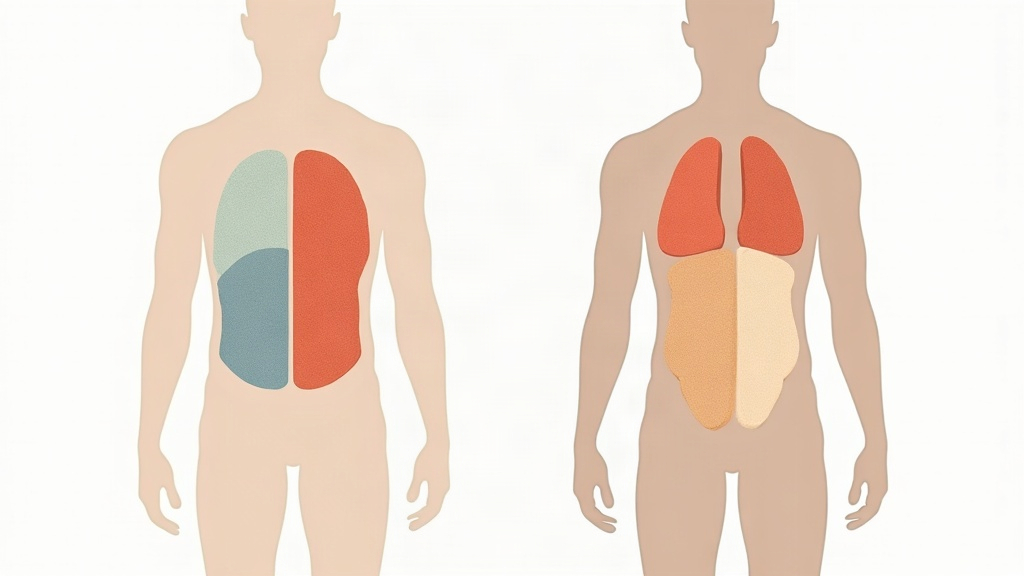
The changes in body composition that men experience as they age are often misperceived and oversimplified. Many assume that as one ages, the inevitable increase in body fat and decline in muscle mass are just natural processes that cannot be influenced. This mindset can lead to missed opportunities for effective training and nutritional tactics tailored to each age group's unique needs. The reality is that body composition shifts are influenced by a variety of factors, including hormonal changes, lifestyle habits, metabolic rate adjustments, and even psychological elements.
Decision-making around training and nutrition often becomes particularly complex as men transition from their 20s through their 60s and beyond. Each decade brings a distinct set of challenges and benefits that require tailored approaches. For instance, what works in one's 30s in terms of diet may not yield the same results in their 40s or 50s. Consequently, relying on one-size-fits-all advice can lead to frustration and ineffectiveness. Awareness of these complexities is crucial for making informed choices that align with one’s goals for health and longevity.
Furthermore, the notion that certain body changes can only be addressed with aggressive interventions is misleading. Embracing strategic, incremental changes in both diet and exercise can provide long-lasting benefits, yet many hesitate or overlook these subtleties. The following FAQs aim to clarify common misconceptions and provide deeper insights into how body composition changes throughout the decades, and more importantly, how to approach these changes effectively.
Why do many people believe aging inevitably leads to weight gain?
Common perceptions link aging directly with weight gain, primarily due to the visible changes many experience after a certain age. However, this oversimplification doesn't consider the multiple contributing factors at play. Changes in metabolism, hormones like testosterone and growth hormone, and lifestyle habits all influence body composition. For example, men often experience a gradual decline in testosterone levels starting in their 30s, affecting muscle mass and fat distribution.
Moreover, many individuals become less physically active as they age, either due to work responsibilities, family commitments, or simply a lack of motivation. This decreased activity level can lead to muscle loss, which in turn can decrease the metabolic rate. With muscle being more metabolically active than fat, this reduction creates a cycle where less calorie expenditure leads to further weight gain, reinforcing the belief that aging directly causes increased body fat.
Understanding that while aging does bring about changes, lifestyle choices are pivotal. With the right combination of strength training, cardiovascular exercise, and a balanced diet, men can actively manage their weight and body composition throughout their lives.
What do most people misunderstand about muscle mass changes in middle age?
One prevalent misunderstanding is that muscle mass loss is a guaranteed outcome of middle age. While it's true that many men begin to lose muscle after their 30s—typically about 3-5% per decade—the severity of this loss can be significantly mitigated through targeted resistance training and proper nutrition. Often, men underestimate the role these factors play, believing instead that muscle loss is simply an unavoidable fate.
Additionally, the focus on cardio at the expense of strength training is a common pitfall. Many think that long-distance running or cycling is sufficient for maintaining health, but without incorporating resistance exercises, they risk losing muscle strength and mass. This is significant not just for maintaining a healthy weight, but for overall functional health, injury prevention, and metabolic health.
It’s also crucial to note the psychological aspect; men may feel discouraged if they see changes in their physique that don’t reflect their efforts. However, understanding the science behind muscle maintenance can empower men to reframe their strategies and stay committed to their fitness routines.
How does hormonal decline impact body composition and weight management for older men?
Hormonal changes, particularly a decline in testosterone, play a profound role in how men’s bodies respond to aging. This decline can lead to increased body fat, particularly around the abdomen, while simultaneously making it more challenging to maintain or gain muscle mass. However, what’s crucial to recognize is that such hormonal shifts do not mean that weight gain is inevitable; rather, they signal a need for adjusted training and nutritional strategies.
Increased body fat coupled with decreased muscle mass can also impact insulin sensitivity, raising the risk of conditions like metabolic syndrome or diabetes. Consequently, it becomes essential to manage body composition proactively through smart lifestyle choices, which may include resistance training, a diet rich in proteins, and health-promoting fats.
Moreover, some men mistakenly believe hormone therapy is the only option for managing these changes. While hormone replacement therapy can be beneficial for some, lifestyle adjustments often yield significant improvements without the need for medical interventions. Understanding the nuanced relationship between hormones and body composition empowers older men to make informed choices that support their health goals.
What happens when people ignore the importance of tailored nutrition as they age?
Ignoring the need for tailored nutrition can lead to several issues, including weight gain, muscle loss, and nutrient deficiencies. Many men adhere to generalized dietary guidelines that they may have followed in their younger years, which may not suffice or could be detrimental in later decades. Age, metabolic changes, and activity levels all affect nutritional needs, necessitating personalized dietary strategies.
Without considering macronutrient distribution, for instance, men may not consume enough protein, which is essential for preserving muscle mass and promoting recovery. The lack of emphasis on micronutrients can also lead to deficiencies that are particularly concerning as one ages. Conditions like osteoporosis and reduced immune function are often exacerbated by inadequate intake of vitamins and minerals, emphasizing the importance of a well-rounded diet.
Moreover, the tendency to overlook hydration can significantly affect overall health and body composition. Many older adults mistakenly think they don't need as much water, leading to dehydration, which not only impacts metabolism but can also diminish exercise performance. Therefore, neglecting tailored nutrition can create a cascade of negative effects that ultimately influence a man's body composition and general well-being.
Is it actually better to prioritize cardio over strength training as you age?
The common belief that cardio is the most effective way to manage weight may lead many to undervalue the importance of strength training as they age. While cardiovascular exercise does promote heart health and calorie burning, it does not yield the same muscle-preserving effects that resistance training does. For older men, prioritizing strength training becomes vital for maintaining muscle mass, improving metabolism, and enhancing functional capabilities.
Engaging in strength training helps stimulate muscle protein synthesis, which counteracts the natural decline in muscle mass associated with aging. Without this, not only does muscle diminish, but the risk of injuries, falls, and other mobility issues increases. Thus, men who adopt a balanced approach that includes both cardio and strength training can achieve better overall results, addressing both body composition and physical function.
Furthermore, there’s a psychological component at play; strength training can enhance confidence and sense of accomplishment, which can influence adherence to an overall fitness routine. Men should recognize that diverse training modalities contribute to holistic health, challenging the notion that cardio alone suffices for fitness as they age.
How does neglecting mental health impact physical body composition changes in men?
One often-overlooked aspect of body composition changes is the interplay between mental health and physical well-being. Stress can lead to elevated levels of the hormone cortisol, which has been linked to increased abdominal fat and overall weight gain. Moreover, mental health issues like depression can decrease motivation to exercise and make poor dietary choices more likely, compounding the challenges associated with aging.
Recognizing and addressing mental health is crucial for men not only to improve quality of life but to support physical health goals. Mental engagement in fitness routines, whether through social support, coaching, or community activities, has been shown to improve adherence and success in maintaining body composition. Equally important is cultivating mindfulness around body image, which can shape motivation and self-care behaviors.
Ignoring the signs of mental strain can lead to a cycle where declining physical health further exacerbates anxiety and depression. Therefore, integrating mental health practices alongside physical health strategies creates a holistic approach to body composition management for aging men.
What long-term consequences arise from overlooking body composition management in the 50s and beyond?
Neglecting body composition management during the 50s and beyond can lead to significant long-term health consequences. Increased body fat and decreased muscle mass not only affect appearance but can also elevate the risk of chronic diseases such as diabetes, heart disease, and hypertension. The cumulative effects of years of poor nutritional choices and inactivity can lead to an urgent need for lifestyle reform, often when it feels most challenging to instigate such changes.
Moreover, the loss of muscle mass can result in mobility issues, increased fall risk, and a decline in overall quality of life. Functional fitness, which is critical for independence in later years, diminishes when physical strength and endurance wane. This makes it imperative to address body composition proactively rather than reactively, ensuring that later years are spent with vitality rather than accommodating limitations.
Interestingly, many men in this age group may overlook the importance of preventive health measures, assuming that it’s too late to make significant changes. However, even small adjustments in diet and exercise can yield transformative results, proving that the pursuit of health and fitness is not confined to youth, but is a lifelong endeavor.
| Decision Factor | Benefits | Trade-offs |
|---|---|---|
| Strength Training Focus | Preserves muscle mass, boosts metabolism | Time commitment, initial discomfort |
| Cardio Emphasis | Improves cardiovascular health, aids weight loss | Potential muscle loss, less metabolic benefit |
| High Protein Diet | Supports muscle maintenance, satiety | Potential costs, dietary restrictions |
| Ignoring Mental Health | Short-term focus on physical goals | Long-term performance decline, increased stress |
| Long-term Commitment to Health | Improved lifelong fitness and mobility | Requires continuous effort, possible plateaus |
Understanding Decade-by-Decade Changes in Men's Body Composition

Body composition in men is not a fixed metric; it evolves over the years due to various factors, including age, hormonal shifts, lifestyle choices, and exercise habits. For men, these changes can often be subtle, yet they hold significant implications for overall health, fitness, and well-being. Recognizing how body composition transforms through different decades allows men to tailor their training and nutrition strategies effectively, ensuring they maintain optimal health and vitality as they age.
Considering that simple one-size-fits-all solutions often overlook individual variances, it becomes imperative to understand the nuanced shifts in body composition. This comprehension can empower men to make informed decisions regarding their physical health, from adjusting workout regimens to refining dietary choices. The following list addresses critical changes in body composition over the decades, highlighting both challenges and strategies to counteract them.
-
Your 20s: The Foundation of Fitness
In their 20s, men often experience peak muscle mass and metabolic rates. This decade is crucial for establishing foundational fitness habits, including strength training and cardiovascular activity. However, many men neglect consistent exercise or adopt unhealthy eating patterns, which can lead to unfavorable body composition changes over time.
To combat potential fat gain, prioritize strength training at least 2-3 times a week while maintaining a well-rounded diet rich in protein, healthy fats, and complex carbohydrates. This approach not only retains muscle mass but also enhances metabolic health.
-
Your 30s: Balancing Work and Wellness
As men enter their 30s, they may notice a gradual decline in testosterone levels and muscle mass. This shift is often exacerbated by increased stress from career responsibilities and family life, leading to decreased physical activity and poor dietary choices. The combination can result in the infamous "dad bod."
To counteract these changes, implement regular high-intensity interval training (HIIT) sessions and focus on a nutrient-dense diet. Staying active not only supports physical health but also enhances mental well-being during this busy decade.
-
Your 40s: Recognizing Metabolic Slowdown
In their 40s, men commonly experience a noticeable slowdown in metabolism, leading to more pronounced fat accumulation, particularly around the abdomen. Hormonal changes can further influence body composition during this period.
This insightful video features Vivek Solanki's journey from fat to fit, underlining the impact of focused training and nutrition. Transformations like his reveal how dedication to a structured plan can counterbalance the effects of aging.
Implementing resistance training multiple times a week and prioritizing protein intake can help mitigate muscle loss and fat gain. Regular fitness assessments can aid in making necessary adjustments.
-
Your 50s: Hormonal Changes and Body Dynamics
Entering the 50s often brings pronounced hormonal changes, including fluctuations in testosterone and growth hormone levels. These can lead to more substantial shifts in body fat distribution and muscle loss, sometimes leading to increased vulnerability to health issues.
Maintaining an active lifestyle is critical during this decade. Incorporating both strength training and cardiovascular work can help maintain muscle mass and cardiovascular health. Regular check-ups with a healthcare provider can offer tailored insights for maintaining optimal body composition.
-
Your 60s: Prioritizing Mobility and Flexibility
As men enter their 60s, mobility and flexibility become increasingly essential. The body may experience natural stiffness and a decline in overall functional strength, demanding more focus on adaptable fitness routines.
Incorporate balance and flexibility exercises, such as yoga or pilates, alongside strength training. Fostering these aspects not only enhances movement efficiency but can prevent injuries and promote a more active lifestyle during retirement.
-
Your 70s and Beyond: Emphasizing Health Over Aesthetics
In their 70s, many men face significant challenges in maintaining body composition due to frailty and overall health concerns. The focus should shift from aesthetics to health, emphasizing functional fitness that supports daily activities.
This video demonstrates a key perspective: focusing on what lies beneath the surface of our body weight. Understanding body composition at this stage can encourage better decision-making regarding health and fitness.
Engaging in low-impact exercises such as walking, swimming, or cycling can assist in maintaining health while minimizing stress on the joints. Embrace flexibility work to improve overall quality of life.
-
The Role of Nutrition Across the Decades
Nutritional needs change over time, making it essential to adapt dietary habits as men age. In the earlier decades, protein intake should be prioritized for muscle maintenance; in later stages, focus may shift to nutrient-rich foods to support overall health.
Whole foods, rich in vitamins and minerals, should be staples, while processed foods and sugars should be minimized. Regular hydration and mindful eating are vital components of a healthy diet as well.
-
Exercise: A Lifelong Commitment
Consistency in exercise is paramount for maintaining a healthy body composition throughout life. Engaging in physical activity not just guards against weight gain, it also enhances mental health and overall well-being.
Incorporate a mix of cardiovascular, strength, and flexibility exercises into weekly routines. Passion for activity can lead to a more vibrant, fulfilling life regardless of age.
| Decade | Key Changes | Strategies |
|---|---|---|
| 20s | Peak muscle mass and metabolism | Strength training, balanced diet |
| 30s | Decline in testosterone, potential weight gain | HIIT, nutrient-dense foods |
| 40s | Metabolic slowdown, hormonal shifts | Resistance training, regular assessments |
| 50s | Increased muscle loss, health focus | Active lifestyle, regular check-ups |
| 60s | Need for mobility and flexibility | Balance exercises, functional fitness |
| 70s+ | Health over aesthetics, frailty risk | Low-impact exercises, hydration |
Take Charge of Your Body Composition Through the Decades

As men progress through their decades, body composition naturally changes due to a combination of aging, hormonal fluctuations, lifestyle choices, and metabolic shifts. Understanding these changes, as well as how to combat their effects, is essential for maintaining optimal health and performance. Many men struggle to act on this information because they may feel overwhelmed by the science or unsure about where to begin. Additionally, societal pressures and misinformation about fitness and nutrition can lead to confusion about the best approaches to maintain a healthy body composition.
Getting it right is crucial not only for physical appearance but also for mental well-being and long-term health. Age-related changes in muscle mass, fat distribution, and metabolic rate can significantly impact energy levels, mood, and overall functionality. By embracing informed strategies about training and nutrition specific to each decade, men can mitigate these challenges and prioritize their health effectively.
Understand the Decade-Specific Changes in Body Composition
In your 20s, your body is a powerhouse of muscle and metabolic efficiency, leading to easy weight management and fast recovery. However, as you transition into your 30s, you may start to notice a gradual decline in muscle mass and an increase in body fat, especially around the abdominal region. Recognizing these natural shifts helps you tailor your fitness and nutrition strategies accordingly. For instance, strength training should be prioritized to maintain muscle mass as testosterone levels—a key hormone for muscle growth—begin to decline.
By the time you reach your 40s, you may need to reassess your calorie intake and adjust your exercise routine to counterbalance hormonal changes and a slower metabolism. Employing compound exercises in your training can stimulate multiple muscle groups, promoting better fat loss and muscle retention. Each decade brings unique challenges, but understanding those challenges allows for proactive adjustments that can keep you in peak physical condition.
Implement a Tailored Strength Training Routine
Strength training is a critical component for maintaining body composition as you age. As muscle mass naturally declines with each decade, incorporating various training methodologies can help counteract this trend. In your 20s and 30s, high-intensity training methods such as circuit training can maximize caloric burn and muscle engagement. Starting in your 40s, focus might shift to heavier compound lifts and progressive overload to ensure muscle retention.
The trade-off here often lies between time commitment and effective results. While more intense and frequent workouts may yield quicker results, the risk of injury also increases. Always prioritize proper form and listen to your body. Investing the time to learn effective strength training strategies can yield significant long-term benefits, as stronger muscles support metabolism and promote better hormonal balance.
Embrace Cardiovascular Exercise Wisely
Cardiovascular training is often misunderstood or underappreciated. While cardiovascular exercise is essential for heart health, it doesn't replace the need for strength training. For younger men, running or high-intensity interval training (HIIT) may provide solid goals for endurance and weight loss. However, by the time you reach your 40s and 50s, consistent but moderate-intensity cardio can be much more beneficial for maintenance without excessive joint strain.
The challenge is balancing cardiovascular exercise with strength training. Many men tend to overdo cardio, inadvertently sacrificing muscle mass. Ensuring a balanced approach that includes steady-state cardio with strength sessions will provide the best overall benefit. Aim for at least several sessions a week that enhance your heart health while complementing your muscle maintenance efforts.
Optimize Nutritional Choices
Your nutrition needs will evolve through each decade as well. In your 20s, a balanced diet rich in whole foods can help fuel your active lifestyle. As you progress into your 30s and beyond, focusing on nutrient density over caloric intake becomes paramount. Incorporating more protein helps with muscle synthesis, while understanding the impact of processed foods can help you avoid unwanted fat gains.
Trade-offs in nutrition often involve the convenience of unhealthy options versus long-term health outcomes. Meal prepping and planning can help you hit your nutritional targets without succumbing to the quick-fix junk food temptation. Investing in a well-rounded dietary framework helps establish sustainable long-term habits benefiting your body composition and overall health.
Stay Mindful of Hormonal Changes
Understanding hormonal fluctuations is vital to managing body composition as you age. For instance, testosterone levels peak in your late teens and early 20s, and then gradually decline. Recognizing the signs of low testosterone, such as increased fatigue or reduced muscle mass, can encourage proactive conversations with healthcare professionals about potential interventions.
Men can often underestimate the impact of hormones on body composition and energy levels. Lifestyle choices, such as stress management and healthy sleep, play critical roles in maintaining hormonal balance. The trade-off might be the immediate comfort of neglecting these aspects versus the longer-term implications of hormonal health on body composition.
Monitor Your Progress Realistically
Tracking body composition changes over time allows you to make informed adjustments to your training and nutrition regimen. Tools like body composition scales or professional assessments provide insights into muscle vs. fat ratios, enabling a more nuanced understanding of your physical changes. However, unrealistic expectations can often lead to disappointment—especially if relying solely on scale weight.
Consider measuring progress through multiple metrics, including strength levels, energy, and overall wellness. When making lifestyle changes, understand that improvements in body composition may not happen overnight. Consistency and patience will yield the best outcomes, ensuring that adjustments are made when necessary rather than succumbing to fleeting frustrations.
This engaging TikTok highlights various strategies for maintaining youthful energy levels, all tied back to your changing body composition as you age. It connects to our overarching topic by emphasizing the importance of proactive lifestyle adaptations tailored to specific decades, shedding light on real-world applications of the principles discussed.
| Strategy | Pros | Cons |
|---|---|---|
| Strength Training | Builds muscle, increases metabolism | Time-intensive, injury risk if not executed properly |
| HIIT | Efficient calorie burn, time-saving | Can lead to burnout; high joint stress |
| Meal Prepping | Encourages healthier choices, cost-effective | Requires discipline and time |
| Cardio | Improves heart health, fat loss | Excessive cardio can hinder muscle growth |
This second TikTok provides an additional perspective on the importance of balance in exercise and nutrition through the decades. It reinforces the commitment needed for sustaining body composition and underscores common pitfalls that men may face during their journey.
Identifying Common Mistakes
- Neglecting strength training in favor of excessive cardio.
- Inconsistent nutrition leading to erratic energy levels.
- Overlooking proper recovery, which can hinder performance.
- Setting unrealistic expectations that lead to disappointment.
- Ignoring mental health aspects that impact motivation.
Evaluating Success Over Time
Measuring success in body composition changes requires realistic assessment. Focus on both short-term and long-term goals, knowing that authentic progress takes time. Acknowledge improvements in strength, stamina, and even mood can be just as important as physical measurements. Avoid setting yourself up for disappointment by failing to recognize those achievements, even when the scale doesn't reflect what you hope.
Creating a baseline for progress—be it through strength metrics, energy levels, or regular assessments—will connect your daily habits to tangible results. Remember, the journey of maintaining a healthy body composition is a marathon, not a sprint; patience and persistence will lead to lasting change.