
Understanding the Complex Relationship Between Anger and Men’s Health
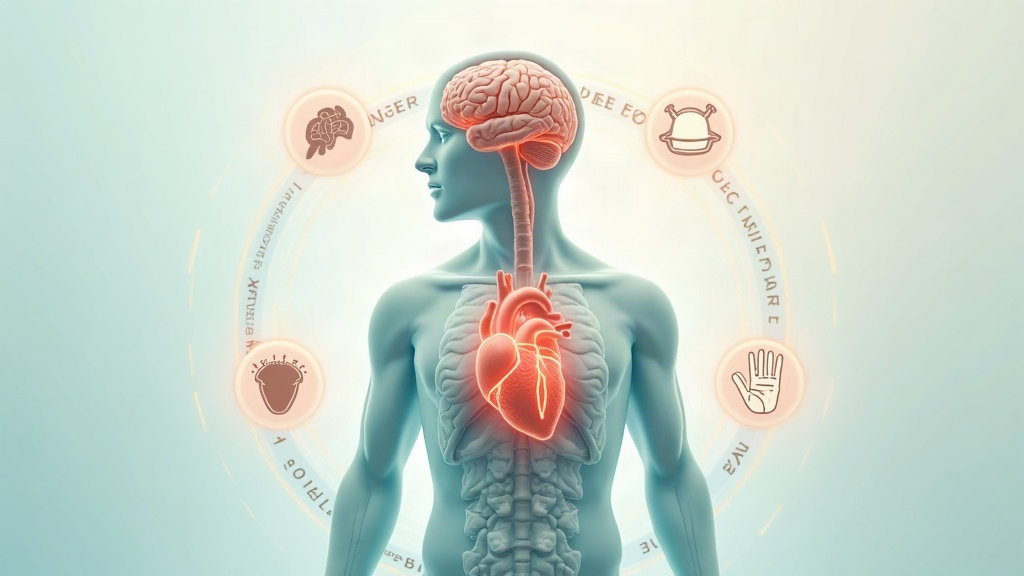
Anger and its impact on men's health is a layered topic often shrouded in misunderstanding. Many assume anger is merely an emotional reaction, overlooking its profound ramifications on both mental and physical health. Society frequently stigmatizes emotional expression, leading men to suppress their anger, which can exacerbate health issues rather than alleviate them. This can create a feedback loop, where chronic anger leads to further emotional turmoil, impacting relationships, career success, and overall quality of life.
Furthermore, navigating anger management requires more than just surface-level coping techniques. Simple advice to "just breathe" or "walk it off" often fails to address the underlying complexities of anger and its causes. The true journey involves understanding the triggers, recognizing the manifestations of anger, and implementing multifaceted strategies tailored to individual circumstances. This can include not just emotional support but also physical activities that can help regulate emotions, highlighting the interconnection between mind and body.
Moreover, many men may not recognize the long-term consequences of unchecked anger. Chronic anger can lead to serious health issues, such as heart disease, high blood pressure, and mental health disorders. Misunderstanding these connections might lead to dismissive attitudes towards managing anger, causing them to overlook potential risks to their health. The challenge lies not only in managing anger but in acknowledging its serious implications on one’s overall well-being.
Why do many men struggle to express their anger healthily?
The societal expectation for men to embody stoicism often leads to a struggle when it comes to expressing anger appropriately. Many men have been conditioned from a young age to repress their emotions, associating vulnerability with weakness. This can cause anger to build up, leading to outbursts or passive-aggressive behavior instead of open communication about feelings. What's crucial is recognizing that expressing anger doesn't have to be destructive; it can be a pathway to healthy discussions and conflict resolution when approached correctly.
This cultural pressure can create confusion for men who feel angry but have internalized the belief that they should not show that anger. They may resort to unhealthy coping mechanisms or even self-sabotage their mental health in an effort to conform to societal norms. When these feelings inevitably surface, they often manifest in ways that are harmful to both themselves and those around them, leading to a continuous cycle of emotional distress.
Healthy expression of anger involves acknowledging it, understanding its origins, and communicating it in constructive ways. This requires self-awareness and emotional intelligence, which can be developed through therapy and supportive conversations. By fostering these skills, men can break the cycle of misunderstanding and manage their emotions more effectively.
What happens when anger is left unaddressed in men?
When anger remains unaddressed, it can lead to a range of adverse outcomes. Chronic anger can contribute to the development of various health risks, including cardiovascular diseases, inflammation, and digestive issues. Research shows that the physiological effects of sustained anger place considerable strain on the body, leading to a plethora of health problems that can shorten life expectancy or diminish quality of life.
Moreover, unresolved anger often translates into interpersonal conflicts. Men may find themselves pushing away friends and family, leading to isolation. The grim reality is that this isolation only compounds mental health issues such as anxiety and depression, which are prevalent among those who struggle with anger management. The cyclical nature of this relationship can be challenging to break without proper guidance and support.
In addition to physical and relational consequences, chronic anger can permanently alter one's perception and response to future situations. Ill-prepared to cope with new challenges, a man may default to anger as a primary response, leading to a snowball effect that exacerbates their emotional state. Thus, proactive anger management is essential for maintaining not just mental health, but overall well-being.
What do most people misunderstand about anger’s role in mental health?
Many misunderstand the concept that anger itself is a negative emotion. In reality, anger is a natural human response that serves the purpose of signaling when something is wrong or unjust. The misunderstanding arises when anger is perceived solely as a destructive emotion rather than as an emotional indicator that requires attention. Hence, the journey of emotional well-being entails not avoiding or suppressing anger, but learning to interpret it effectively.
This misconception leads many men to ignore their feelings, allowing frustrations to simmer beneath the surface. When anger isn’t acknowledged or processed properly, it can turn inward, resulting in self-destructive behaviors or manifesting as anxiety and stress. Understanding that anger can be a critical signal and not inherently negative allows for a shift in perspective, encouraging men to engage with their emotions rather than suppress them.
Furthermore, transforming this misunderstanding into a productive dialogue about emotions can promote more open relationships, as both men and women benefit from understanding anger's role within the context of emotional health. This opens the door for discussions that can lead to healthier coping mechanisms and rebuilding relationships.
How does chronic anger impact physical health over time?
Chronic anger can have a profound impact on physical health, leading to what some experts describe as an "emotional cost" to the body. Extended periods of heightened anger can trigger the body's stress response, leading to harmful outcomes such as elevated blood pressure, weakened immune system, and increased risk of chronic diseases like diabetes and heart disorders. These physical implications can escalate if one's anger is coupled with unhealthy lifestyle choices, such as poor diet and lack of exercise.
Additionally, the toll that anger takes on sleep cannot be overlooked. Stress and anger often contribute to insomnia or disturbances in sleep, which in turn worsen physical health and contribute to a range of additional problems, including cognitive decline and mood fluctuations. The cyclical nature of stress effects essentially furthers the negative consequences associated with chronic anger.
It is not just immediate physical health that is on the line—long-term anger management is essential for overall vitality. Recognizing the signs of chronic anger and integrating strategies like mindfulness, therapy, or physical activity can help mitigate these risks, ultimately improving one's physical health status over time.
Is it actually better to confront someone when angry rather than suppressing feelings?
Confronting someone when feeling angry can indeed offer benefits, provided that it is done in a healthy and constructive manner. Addressing feelings directly with the person involved can lay the groundwork for honest communication, allowing the opportunity for clarification and resolution. However, many struggle with the fine line between productive confrontation and aggressive outburst, which can create collateral damage in relationships if not handled delicately.
The advantage of expressing anger is that it opens up dialogue, giving voice to grievances and enabling collaborative problem-solving. If men learn to express feelings of anger calmly and assertively rather than through aggression, it fosters stronger relationships and understanding. This process can also provide a sense of empowerment, as discussing emotions can alleviate the burden of suppression.
However, it is essential to approach these confrontations thoughtfully. One cannot confront someone in anger without an underlying plan or understanding of how to communicate effectively. Without that preparation, expressing anger can devolve into yelling or personal attacks, further complicating relationships. Therefore, it’s crucial to find effective communication strategies that encourage healthy exchanges rather than destructive patterns.
What are the effective long-term strategies for anger management in men?
Long-term anger management requires a multifaceted approach that emphasizes emotional regulation, self-awareness, and effective communication. Techniques such as mindfulness meditation, yoga, and regular physical exercise can significantly enhance one's ability to process anger constructively. These activities help reduce stress levels and promote a greater understanding of physical responses to anger.
Cognitive-behavioral therapy (CBT) is also an invaluable tool for those struggling with chronic anger. CBT helps individuals identify negative thought patterns and replace them with healthier frames of reference. This not only teaches men to understand the roots of their anger but also aids in developing coping strategies that align with their personal values.
Moreover, building a supportive community can greatly enhance the journey towards better anger management. Engaging with friends, family, or support groups provides a safe space to express feelings and receive encouragement. By sharing experiences, men can learn from one another and recognize that they are not alone in their struggles, facilitating a more profound sense of understanding and mutual support.
How does poor anger management affect relationships?
Poor anger management can significantly erode the quality of relationships, whether with friends, family, or partners. When men struggle to handle their anger, they may either withdraw from interactions or unleash it in harmful ways, both of which can alienate those around them. The fallout from such behavioral patterns often leads to misunderstandings, resentment, and a breakdown of communication, ultimately resulting in fractured relationships.
When anger manifests as aggression, it can create a hostile environment, prompting loved ones to retreat or respond defensively. This not only impacts the individual expressing anger but also those who are affected by it, leading to a cycle of ongoing conflict and emotional distance. Additionally, unresolved anger may lead to a loss of trust, making it difficult for relationships to flourish and sustain themselves.
On the other hand, when men are equipped with tools to manage their anger effectively, they can engage in healthier dialogues, promoting an atmosphere of emotional safety. This healthy engagement can transform relationships, fostering deeper connections and improved understanding among individuals. The key lies in addressing anger not as a weakness but as a natural emotion that needs to be navigated with care and competence.
| Thinking Pattern | Common Misunderstanding | Potential Outcome |
|---|---|---|
| Suppressing Anger | Believing that ignoring anger will make it go away | Increased emotional outbursts and mental health issues |
| Expressing Anger Aggressively | Thinking that aggression will assert dominance or resolve conflicts | Damaged relationships and increased isolation |
| Open Communication | Fearing that discussing anger leads to conflict | Strengthened relationships and better understanding |
Understanding the Impact of Chronic Anger on Men's Health

Chronic anger can significantly influence both the physical and mental health of men, often in ways that are not immediately apparent. Most men might dismiss feelings of anger or frustration as a part of life, but when these emotions become recurrent, the consequences can be profound. Acknowledging these effects is vital, as they can lead to serious health issues ranging from heart disease to mental health disorders. Understanding how to manage and mitigate these challenges is crucial for fostering better overall health.
Moreover, emotional regulation is complex and often underestimated. Simple advice like "just calm down" doesn’t capture the depth of the issue. Chronic anger can stem from unresolved stress, life pressures, or even biological factors. For men, recognizing their anger and its roots is a step toward healthier coping mechanisms and improved well-being. In this exploration, we highlight various insights essential for understanding the underlying issues and management strategies available.
-
The Physiological Effects of Anger
Chronic anger activates the body’s stress response, leading to increased levels of cortisol and adrenaline. This biological reaction can elevate heart rates and blood pressure, which may increase the risk of cardiovascular disease. The body's continuous state of readiness also makes it more susceptible to chronic illnesses.
Understanding these physiological responses helps in recognizing why anger management should be prioritized in a broader health context. Lowering these stress levels can improve not only mental clarity but also heart health.
-
Connections to Mental Health
Chronic anger is often linked to anxiety, depression, and highlights the interconnection between emotional health and physical well-being. Research indicates that men who consistently experience anger may also have weakened immune responses, making them more prone to illness.
Developing a healthy emotional vocabulary and understanding one’s feelings can create pathways for better mental health outcomes. Engaging in therapeutic conversations about anger's roots can be incredibly liberating.
-
Strategies for Anger Management
Effective anger management goes beyond simple coping mechanisms. It includes recognizing triggers, developing proactive communication techniques, and engaging in relaxation practices. Learning to identify patterns and interrupt the cycle of anger enables men to control their emotional responses.
This video emphasizes practical strategies and techniques that men can adopt to pacify their anger. Each experienced demonstration enhances understanding and offers immediate tools to help diffuse rising frustration. The clarity presented helps guide individuals on their emotional journey.
-
The Role of Physical Activity
Regular exercise is a potent tool for regulating emotions, including anger. Engaging in physical activity releases endorphins, which can improve mood and reduce stress. Research suggests that men who incorporate physical fitness into their routines may experience lower levels of anger and irritability.
Exploring various forms of exercise, from martial arts to yoga, can provide not only physical benefits but also emotional relief. It taps into a dual benefit mechanism of improving physical health while simultaneously enhancing mental resilience.
-
Mindfulness and Relaxation Techniques
Practices like meditation, deep breathing, and guided imagery can significantly assist men in managing their anger. These techniques promote emotional regulation and mindfulness, allowing individuals to respond rather than react to anger-inducing situations.
Incorporating mindfulness into daily routines can help men develop emotional awareness. This, in turn, facilitates a constructive dialogue around their feelings, leading to healthier relationships and improved quality of life.
-
Social Support Networks
Establishing healthy relationships with friends, family, or support groups can be a strong counter to the negative effects of chronic anger. These networks encourage open discussions about emotions and provide a sense of belonging, which helps mitigate feelings of isolation that can exacerbate anger.
Support from trusted individuals offers the opportunity to explore the roots of anger in a safe environment. It can also provide accountability in making healthier emotional choices.
This video explores the importance of social connections in managing anger. It provides insight into how conversation and community can be pivotal in transforming angry responses into constructive actions. Understanding the role of social support can bolster initiatives to confront anger more effectively.
-
When to Seek Professional Help
If chronic anger leads to relationship issues or impacts daily functioning, seeking professional help is essential. Therapists and counselors can provide effective strategies tailored to individual needs, promoting healthier emotional expression and conflict resolution.
Recognizing when to reach out for assistance demonstrates strength and commitment to personal health. Professional guidance can offer an impartial perspective that complements self-help efforts.
-
Long-Term Health Implications
Chronic anger can lead to long-term health implications, including hypertension, heart disease, and mental health disorders. Understanding these risks highlights the importance of addressing anger rather than ignoring it.
Myths surrounding masculinity often equate emotional control with weakness; however, acknowledging and managing anger is vital for anyone striving for whole-person wellness. Making proactive health choices can mitigate these risks, ensuring a better quality of life.
| Insight Area | Key Points |
|---|---|
| Physiological Effects | Increased cortisol and adrenaline; risk of cardiovascular disease. |
| Mental Health Connections | Linked to anxiety and depression; impacts immune response. |
| Management Strategies | Trigger identification; proactive communication; relaxation techniques. |
| Physical Activity | Endorphin release; reduced irritability. |
| Mindfulness Techniques | Emotional regulation; proactive responses to anger. |
| Social Support | Encourages open discussions; combats isolation. |
| Professional Help | Essential for unresolved anger; tailored strategies available. |
| Long-Term Implications | Potential for hypertension; importance of proactive health choices. |
Taking Control of Anger for Healthier Living
Understanding and managing anger is complex, especially for men who often face societal pressures to avoid displaying vulnerability. Many individuals find it challenging to address their anger directly, as they may not recognize its impact on their overall well-being. This can lead to confusion surrounding emotional expression and physical health, ultimately preventing meaningful action from being taken.
Moreover, the stigma associated with mental health in men can lead to underreporting of anger-related issues, making it difficult to seek support or find effective coping strategies. Correct execution of anger management techniques is crucial, as neglecting this can exacerbate both mental and physical health conditions, causing long-term harm. By addressing anger head-on and employing tailored coping strategies, individuals can improve their quality of life and emotional regulation.
1. Acknowledge Your Anger
The first step in managing anger is acknowledging its presence. For many men, recognizing when they are angry can be a significant hurdle due to societal expectations to remain stoic. However, repressing anger only leads to greater issues down the line, including increased stress and anxiety. By openly identifying feelings of anger, one not only legitimizes their emotions but also sets the stage for constructive management.
Real-world application involves keeping a daily journal focused on emotional triggers. By tracking occurrences of anger, patterns may emerge that reveal specific stressors or events. Understanding these triggers is essential for developing a strategic approach to manage feelings effectively, promoting healthier responses rather than impulsive reactions.
2. Explore the Roots of Your Anger
Diving deep into the underlying causes of anger can illuminate its origins, whether rooted in past trauma, unresolved conflict, or chronic stress. Understanding where anger stems from allows for a more informed approach to its management. For instance, a man experiencing anger due to workplace stress may find that speaking with a supervisor about workload can help alleviate feelings of frustration.
It’s important to approach this reflection with curiosity rather than self-criticism. Exploring these roots may require time and possibly professional help through therapy. Engaging with counselors or support groups familiar with anger management can facilitate deeper understanding and coping mechanisms, leading to improved emotional health.
3. Develop Healthy Outlets
Channeling anger into productive activities is crucial for preventing destructive behaviors. Physical exercise, such as running or weight training, acts not only as a release for pent-up energy and stress but also enhances overall mental health. Regular exercise produces endorphins, boosting mood and reducing the likelihood of emotional outbursts.
In addition to physical activity, creative outlets such as painting, writing, or music can serve as powerful ways to express and process anger. These activities engage the mind and spirit, allowing for an introspective approach to managing strong emotions. Committing to a routine that incorporates physical or creative expression can be greatly beneficial in recalibrating emotional responses to triggers.
4. Practice Mindfulness and Relaxation Techniques
Mindfulness practices like meditation, yoga, or deep-breathing exercises help ground men in the present moment, diminishing feelings of anger before they escalate. These practices build awareness of one’s thoughts and emotions, making it easier to manage—or even prevent—explosive reactions in tense situations. Furthermore, regular engagement in these techniques fosters a calmer baseline state from which to confront challenges.
Implementing a daily mindfulness routine can transform perspectives, turning reactive tendencies into proactive responses. Gradually integrating these practices into daily life reinforces resilience against stressors, allowing for more deliberate decision-making rather than impulsive responses driven by anger.
5. Seek Professional Support
Sometimes, personal efforts at managing anger can benefit greatly from external support. Therapists specialize in helping individuals understand their emotions, offering tailored strategies for managing anger effectively. By setting therapy goals that focus on anger management, men can work through emotions with a trained professional, reducing feelings of isolation.
Cognitive-behavioral therapy (CBT), in particular, offers actionable frameworks for recognizing detrimental thought patterns and replacing them with healthier responses to anger triggers. This process promotes long-term change, aiding in overall emotional well-being and decreasing the prevalence of anger-driven behaviors.
6. Build a Supportive Network
Creating a strong support system made up of understanding friends, family, or acquaintances is essential in managing anger. Sharing experiences with individuals who can empathize provides emotional validation and constructive feedback, allowing for a deeper understanding of one’s anger. Support groups specifically targeting anger management can also foster a sense of community and understanding.
It’s important to remember that support systems must be nurturing rather than judgmental. Engaging with positive influences encourages men to lean on their network during difficult times, fostering a culture of open dialogue about emotions, thus alleviating the isolation that often accompanies anger.
This video emphasizes the importance of recognizing emotional triggers and how to manage anger through various techniques. By connecting these practices to the topic of men's health, viewers can see actionable steps to improve their emotional wellbeing.
| Technique | Benefits | Challenges |
|---|---|---|
| Acknowledgment | Better understanding of triggers | Facing uncomfortable emotions |
| Root Exploration | Insight into past experiences | Time-consuming process |
| Healthy Outlets | Reduces stress and anger | Requires consistency in practice |
| Mindfulness | Enhances present-moment awareness | May feel intimidating initially |
| Professional Support | Personalized guidance | Accessibility and cost may vary |
| Support Network | Emotional validation and support | Finding the right people can take time |
This second video explores how taking healthy steps toward managing anger not only improves emotional regulation but also positively affects physical health. It provides relatable scenarios that reinforce the importance of managing anger for overall well-being.
Common Mistakes in Anger Management
- Restricting emotional expression entirely, leading to explosive reactions when emotions build up.
- Failing to address the root causes, resulting in temporary solutions rather than lasting change.
- Overlooking the importance of physical health, such as exercise and nutrition, which can exacerbate anger.
- Relying solely on coping mechanisms without understanding feelings, leading to unresolved emotional issues.
- Ignoring the role of a supportive network, which can provide valuable perspectives and encouragement.
Evaluating Your Progress
Measuring progress in anger management can be challenging but is essential for long-term emotional health. Setting realistic goals, such as implementing a mindfulness practice for a set period or reducing the frequency of angry outbursts, makes it easier to track improvements. Evaluating how you feel after implementing specific techniques can provide evidence of their effectiveness.
It's vital to maintain a long-term perspective. Emotional regulation is a continuous process that takes effort and commitment. Understand that change may not be instantaneous, and setbacks can occur. Approaching progress with patience and realistic expectations will ultimately lead to healthier emotional responses and improved overall health.