
What You Might Not Realize About Male Fertility and Lifestyle Choices

Understanding male fertility and its intricate relationship with lifestyle factors can be surprisingly complex. Many people assume that fertility issues solely lie within physical health or genetic predispositions, overlooking the significant impact of daily choices like diet, stress management, and substance use. For instance, a common misconception is that age affects fertility only at the extreme ends of the spectrum, whereas research shows that a man’s lifestyle choices can influence his fertility at any age.
Moreover, the myriad of lifestyle factors can often create a web of confusion when it comes to evaluating their true impact on sperm health. From dietary choices that enhance vitamin intake to the harmful effects of excessive alcohol or vaping, many individuals are left wondering which changes are truly beneficial. It is essential to grasp that seemingly minor adjustments—like improving sleep routines or managing stress levels—often yield significant benefits over time, which further complicates the decision-making process.
Simple advice, such as “eat healthier” or “exercise more,” rarely captures the full picture. Understanding the duality of risks and benefits linked to each choice can empower men to make informed decisions about their reproductive health. It’s not just about what to do; it's about the potential consequences if no action is taken. This nuanced understanding can drive the necessary changes to promote better sperm quality and enhance fertility outcomes.
Why do many people underestimate the importance of nutrition on sperm health?
Nutrition plays a crucial role in sperm health, but it is often overshadowed by more visible lifestyle factors, like smoking or alcohol consumption. Many people don't realize that the vitamins and minerals in their diet directly contribute to sperm motility and morphology. For instance, antioxidants from fruits and vegetables help combat oxidative stress, which can damage sperm. By neglecting nutrition, individuals may inadvertently compromise their fertility without understanding the consequences.
Furthermore, there is a lack of awareness surrounding specific nutrients that are vital for sperm production. Zinc and folic acid, for example, are essential for healthy sperm development. When individuals do not include sufficient amounts of these nutrients in their diets, they might encounter challenges that could have been avoided with a more balanced approach. Balancing protein, healthy fats, and carbohydrates in meals is a holistic approach that many fail to adopt.
This oversight is not just about a diet; it’s about cultivating a lifestyle that supports overall reproductive health. Those who underestimate the importance of nutrition risk not just their fertility but their general health, as poor dietary choices can lead to obesity or metabolic disorders that further complicate reproductive outcomes. This interconnectedness demands a deeper understanding and reevaluation of daily eating habits.
What do most people misunderstand about the impact of exercise on fertility?
While most people acknowledge that some exercise is beneficial, there is a prevalent misunderstanding about how much and what kind is optimal for men aiming to improve fertility. High-intensity workouts can potentially have an adverse effect on sperm quality, alongside excessive training that leads to weight loss and stress on the body. Many fail to recognize that balance is key; moderate, regular exercise promotes healthy sperm production more effectively than sporadic overwhelming workouts.
The connection between testosterone levels and exercise intensity further adds to the confusion. Prolonged periods of intense exercise can deplete testosterone levels, which is counterproductive for sperm production. Thus, men striving to improve fertility must find a sweet spot that encourages physical fitness without overstressing their bodies. This delicate balance is often overlooked as many individuals chase after fitness goals that can misalign with reproductive health.
Moreover, the societal perception of masculinity often places a higher value on aggressive fitness regimes, which can unintentionally mislead men about their health priorities. Advocating for a more integrated perspective on how physical activity affects reproductive health is essential for men seeking to bolster their fertility through exercise. This requires a fundamental shift in how exercise is perceived—moving beyond aesthetics to health benefits that extend to reproductive potential.
What happens when stress management techniques are ignored?
Stress is a silent yet powerful adversary when it comes to male fertility. The physiological impact of chronic stress can wreak havoc on testosterone levels, sperm production, and overall reproductive health. Despite this, many men often prioritize work and personal responsibilities over their mental well-being, inadvertently jeopardizing their fertility. The knowledge gap around stress's tangible effects can contribute significantly to this oversight.
Neglecting proper stress management techniques can lead to a perpetrating cycle. As stress hormones rise, the body's natural responses may hinder reproductive functions. Cortisol, in particular, is known to diminish testosterone levels, ultimately causing adverse effects on sperm health. Ignoring the mental aspect of fertility remains a fundamental misstep that can lead to unanticipated hurdles during conception efforts.
Integrating relaxation techniques—such as mindfulness, meditation, or yoga—into one’s routine can present a simpler solution than many believe. For individuals who might view stress management as a luxury rather than a necessity, it's essential to reframe this mindset. By investing time in personal well-being, men can revitalize both their mental and reproductive health, creating a foundation conducive for fertility. The importance of addressing stress should no longer be marginalized but recognized as integral to achieving optimum fertility.
Is it actually better to eliminate all alcohol consumption for improved fertility?
The relationship between alcohol consumption and male fertility is nuanced. While excessive drinking is undoubtedly harmful, some men are uncertain about whether complete abstinence is necessary for preserving sperm health. The dilemma arises from the conflicting messages surrounding alcohol—some sources suggest moderate consumption as harmless, while others warn against any intake. This lack of clarity can create confusion when trying to gauge risks versus benefits.
Evidence indicates that heavy drinking can reduce testosterone levels, impair sexual function, and negatively affect sperm quality. However, for some men, moderate alcohol consumption may not yield the same drastic consequences. Finding the right balance can be challenging, as genetic predispositions and overall health reflect individual responses to alcohol. Additionally, alcohol might inadvertently become a coping mechanism for stress, highlighting the intertwined relationship between lifestyle choices.
Ultimately, the decision of whether to eliminate alcohol should be personalized. Understanding one’s body and the effects of alcohol is important, as is recognizing when moderation tips towards excess. Encouraging men to regularly assess their habits can help maintain clarity on how their choices influence fertility. Making informed decisions about alcohol consumption can empower men to navigate their health with confidence, possibly leading to better fertility outcomes.
How do environmental exposures impact sperm quality?
The environments in which we live and work often expose individuals to various toxins and chemicals, many of which can significantly impact sperm quality. However, the awareness surrounding environmental pollutants—like pesticides, plastics, and heavy metals—is often insufficient. Many men may believe they are not at risk if they do not work in hazardous industries, but this perspective overlooks everyday exposures that can accumulate over time.
Research suggests that chemical exposure can adversely affect sperm motility and morphology, leading to fertility challenges. For instance, phthalates found in common household products can act as endocrine disruptors, interfering with hormone production. This complexity often results in men being unaware of the cumulative effects such exposures may have on their reproductive health.
Proactively addressing environmental exposures requires vigilance. Reducing reliance on plastic products, opting for organic foods, and promoting a cleaner living environment are actionable steps men can take. Moreover, encouraging awareness initiatives that educate individuals about these environmental risks can promote more informed lifestyle choices for better fertility. By acknowledging and addressing these hidden factors, men enhance their overall well-being and fertility potential.
What missteps do people often make when considering supplements for fertility?
The allure of supplements promising improved fertility can lead many men down a path of misinformation. A common misstep is assuming that any supplement labeled as "fertility-boosting" is genuinely effective without thoroughly researching the ingredients or their potential interactions. This lack of critical evaluation can lead individuals to spend money on products that lack scientific backing.
Another common misconception is that supplements can replace healthy lifestyle choices. While certain vitamins and minerals may aid in sperm production, they should complement—not substitute—important dietary and lifestyle changes. Believing that a quick fix exists can foster complacency towards habits that truly contribute to overall reproductive health. Individuals often overlook the role of well-rounded nutrition and healthy behaviors as foundational to any supplementation's effectiveness.
Additionally, some supplements may have unknown side effects or interact negatively with other medications. It’s crucial for men to consider personal health circumstances when contemplating supplements for fertility. Engaging with healthcare professionals to assess appropriate options and establish a personalized plan can ensure a balanced approach rather than falling victim to trending supplement culture. Increased awareness can lead to better-informed decisions that improve both health and fertility prospects.
How does the timing of sexual activity influence fertility success rates?
Many couples aiming to conceive are often preoccupied with the frequency of sexual activity, yet they may overlook the timing concerning the woman’s ovulation cycle. Misunderstandings about when to engage in intercourse can lead to frustrations, as engaging in sexual activity outside of peak fertility windows often decreases the chances of conception. The science behind sperm and egg availability is crucial yet frequently misunderstood.
Countless studies indicate that the highest probability of conception occurs when intercourse is timed to the days leading up to and including ovulation. Couples often assume that frequent intercourse throughout the month will yield better results, but this is not necessarily effective. Quality over quantity should guide men to assess their timing strategy in relation to ovulation cycles to boost their fertility success rates.
Moreover, it’s crucial to recognize that other factors also come into play, such as stress and overall reproductive health. Anxiety around timing can lead to performance pressure, ultimately diminishing sexual desire or comfort. Therefore, fostering an environment centered on mutual understanding and relaxed intimacy may promote better chances of conception. By prioritizing both timing and emotional health, couples can create a solid foundation for navigating their fertility journey together.
Factors Influencing Male Fertility: Navigating Sperm Health and Lifestyle Choices

Understanding male fertility is more than just a biological computation; it’s a complex interplay of various lifestyle factors that can significantly impact sperm quality and overall reproductive health. As men increasingly seek to optimize their fertility, examining these modifiable components becomes vital. Poor lifestyle choices can lead to suboptimal sperm production, reduced motility, and even DNA fragmentation, making this topic one of paramount importance in today’s health landscape.
Not all men face fertility challenges, but awareness of how daily habits influence sperm health can empower those looking to conceive. Simple answers often overlook the diverse influences of nutrition, exercise, and environmental factors; thus, diving deeper into specific lifestyle adjustments can provide actionable insights. These insights not only enhance individual well-being but also offer prospective parents a greater chance of achieving their reproductive goals.
-
Nutrition: Fueling Sperm Quality
A well-balanced diet rich in antioxidants, vitamins, and minerals can greatly enhance sperm health. Certain foods, such as fruits, vegetables, nuts, and whole grains, contribute to improved sperm motility and morphology.
Additionally, omega-3 fatty acids, found in fish and flaxseeds, are known to support hormonal balance and sperm viability. Making conscious dietary choices can transform one’s reproductive health.
-
Exercise: The Right Balance
Regular physical activity is a double-edged sword; while exercise can enhance testosterone levels and improve circulation, excessive training can lead to hormonal imbalances and reduced sperm production. A moderate exercise routine that combines strength training and aerobic activities is ideal for optimal health.
Staying active doesn't just contribute to a healthy weight; it promotes better stress management, which indirectly supports reproductive health.
-
Sleep: The Unsung Hero
Quality sleep is essential for hormonal regulation and overall fertility. Poor sleep patterns can lead to decreased testosterone levels and impaired sperm quality. Aim for 7-9 hours of quality sleep each night to support optimal reproductive function.
This video highlights the importance of sleep on male fertility, explaining how sleep deprivation can affect testosterone levels and overall sperm health. By recognizing the connection between sleep and fertility, men can take proactive steps to ensure they rest adequately, further enhancing their chances of conception.
-
Avoiding Toxins: Environmental Awareness
Exposure to environmental toxins like pesticides, heavy metals, and plastics can greatly affect sperm quality. Regularly using natural products and ensuring proper ventilation in workspaces can help mitigate exposure to harmful substances.
Be mindful of the items you consume or come into contact with daily; choosing organic foods and being cautious with industrial materials can make a significant difference.
-
Weight Management: A Key Player
Being overweight or underweight can lead to hormonal imbalances that adversely affect sperm production. Achieving and maintaining a healthy weight through diet and exercise enhances overall fertility.
Implementing a sustainable weight-loss or gain strategy can contribute positively to reproductive health, supporting both physical and emotional well-being.
-
Stress Management: Cultivating Mental Well-being
Chronic stress has been shown to impact testosterone levels and sperm production negatively. Practicing stress management techniques—such as meditation, yoga, or mindfulness—can enhance mental health and bolster sperm health.
This engaging video explores various stress management techniques and how effectively managing stress contributes to healthier sperm. It serves as an essential reminder that mental health plays a critical role in physical health and fertility.
-
Limiting Alcohol and Smoking: Making Informed Choices
Both smoking and excessive alcohol consumption are linked to reduced sperm quality and infertility. Limiting these substances can have a direct positive impact on hormonal balance and overall reproductive health.
Even small reductions in consumption can lead to marked improvements in sperm health, highlighting the importance of conscious lifestyle choices.
-
Regular Medical Check-ups: Staying Informed
Routine health screenings can identify underlying issues that may affect fertility, such as hormonal imbalances or infections. Staying proactive about one’s health fosters informed decision-making regarding lifestyle changes that can enhance sperm quality.
Engaging with healthcare providers and discussing reproductive health enables men to build tailored strategies to boost fertility.
| Factor | Impact on Sperm Health | Recommended Action |
|---|---|---|
| Nutrition | Improves motility and morphology | Incorporate antioxidant-rich foods |
| Exercise | Enhances testosterone; too much can be harmful | Aim for a balanced routine |
| Sleep | Supports hormonal balance | Prioritize 7-9 hours of quality sleep |
| Toxin Avoidance | Reduces exposure to harmful substances | Choose natural products; be cautious with materials |
| Weight Management | Affects hormonal regulation | Maintain a healthy weight for reproductive health |
| Stress Management | Improves hormonal levels | Implement techniques like meditation |
| Alcohol and Smoking | Negatively impacts sperm quality | Limit consumption to enhance fertility |
| Medical Check-ups | Identifies underlying fertility issues | Engage in routine health screenings |
Elevating Sperm Quality Through Lifestyle Adjustments
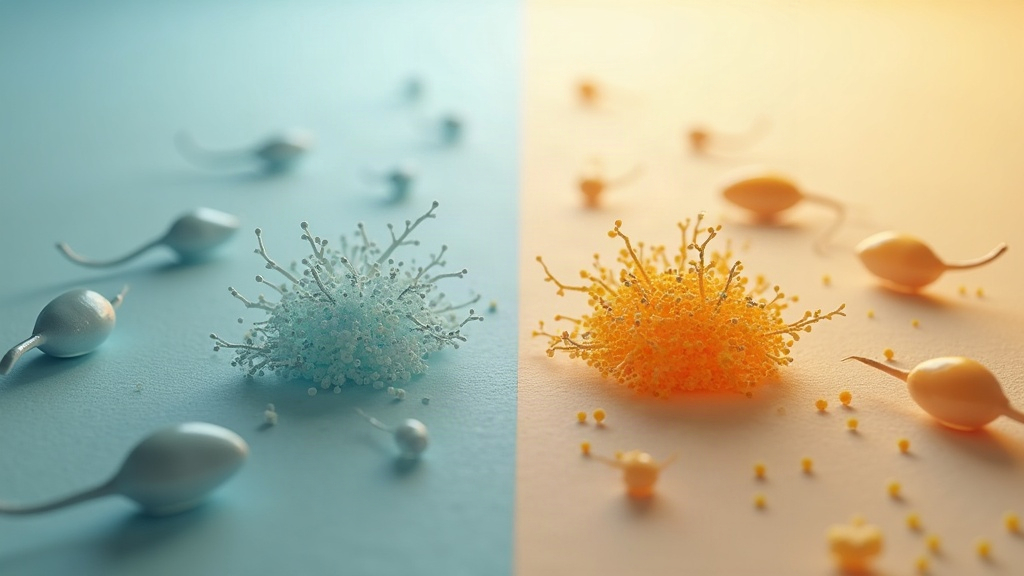
Navigating the complexity of male fertility and sperm health can often feel overwhelming. Many men may struggle to take action due to a variety of reasons, including misinformation, a lack of understanding about how their current habits affect their reproductive health, and the tendency to overlook these issues until they become a pressing concern. Additionally, societal stigmas around male fertility can create barriers, making it challenging to seek help or even discuss these topics candidly. Understanding the importance of these modifiable lifestyle factors and how they significantly impact sperm quality is crucial for anyone looking to optimize their fertility potential.
Executing changes successfully is what truly matters. Poor lifestyle choices can lead to diminished sperm quality and subsequently affect fertility. In contrast, adapting healthy habits can improve not only reproductive health but overall well-being. So, where do we start? Below, we explore key lifestyle factors where actionable changes can lead to improved outcomes for sperm health.
1. Embrace a Balanced Diet
The foundation of good health is often nutrition, and this is no different for sperm quality. Consuming a balanced diet rich in vitamins and minerals—such as zinc, vitamin C, and omega-3 fatty acids—can significantly enhance sperm production and motility. Nutrients play a vital role in sperm development, and deficiencies can lead to lower counts and poor functionality.
Real-world application? Consider incorporating more fresh fruits, vegetables, lean proteins, and whole grains into your meals. However, one must be cautious of fad diets that promise quick fixes. While losing weight can be beneficial for fertility, ensure that any dietary changes are sustainable and not rooted in restriction, which can have adverse effects on hormonal balance and overall health.
2. Get Moving with Regular Exercise
Physical activity is linked to numerous health benefits, including enhanced reproductive health. Regular exercise can help regulate hormone levels, improve circulation, and reduce stress—all of which positively influence sperm production and quality. Additionally, aerobics, strength training, and even simple brisk walking can make a difference.
While the benefits are clear, it’s essential to strike a balance. Over-exercising or engaging in extreme physical strain can lead to a condition known as exercise-induced hypogonadism, negatively impacting testosterone levels and, consequently, sperm production. Aim for a variety of moderate activities, ensuring you allow for adequate recovery and rest.
3. Manage Your Stress Levels
Stress is a well-known fertility blocker, affecting hormone levels and overall reproductive function. High stress can lead to elevated cortisol levels, which negatively affect testosterone production and sperm health. Mindfulness practices, such as meditation or yoga, can greatly assist in reducing anxiety and stress levels.
In a real-world context, assessing your lifestyle for stress triggers and finding constructive ways to tackle them can make a significant difference. However, one must not expect instant results—implementing stress management techniques takes time and consistency. Finding a balance between work, personal life, and relaxation is key to fostering a supportive environment for reproductive health.
4. Limit Alcohol and Tobacco Use
Research indicates that both alcohol and tobacco use can significantly impair sperm quality. Heavy drinking is linked to reduced testosterone and sperm counts, while smoking can cause DNA damage to sperm and lead to poor motility. Making conscious decisions about these substances can yield substantial benefits.
If you currently consume these substances, consider reducing intake or quitting altogether. However, it’s important to approach these lifestyle changes gradually. For instance, rather than going cold turkey on alcohol, aim for moderation and allow yourself time to adapt to new habits that promote healthier choices without feeling deprived.
5. Prioritize Sleep Hygiene
Quality sleep is vital for hormonal balance, and inadequate sleep can disrupt testosterone production and affect sperm quality. Sleep deprivation can lead to increased stress levels and decreased libido, further complicating issues related to fertility. Ensuring you have a regular sleep schedule and a conducive sleep environment can help in optimizing your reproductive health.
In practice, aim for 7-9 hours of restful sleep each night. Simple modifications in your bedtime routine, such as limiting screen time before bed and developing a calming pre-sleep ritual, can greatly improve sleep quality. Understanding that good sleep hygiene contributes not only to reproductive health but also to overall vitality is essential.
6. Be Mindful of Environmental Toxins
Modern living has exposed men to numerous environmental toxins that can adversely affect sperm health, ranging from heavy metals to chemicals found in personal care products. Being vigilant about exposure to these substances—often referred to as endocrine disruptors—can contribute to healthier sperm production.
Take actionable steps by opting for natural products, reducing plastics in food and drink, and advocating for a cleaner environment. Be aware of your surroundings; for example, consider using air purifiers in your home and workplace. While completely eliminating exposure to toxins may not be feasible, making conscious choices can help mitigate their impact on your reproductive health.
This video illustrates practical tips for enhancing sperm health through daily lifestyle improvements. It emphasizes the significance of routine changes and how these adaptations can lead to better outcomes in fertility. By showcasing real actions that can be embedded into one's life, it provides clarity and motivation for those looking to enhance their sperm quality.
| Strategy | Benefits | Trade-offs |
|---|---|---|
| Balanced Diet | Improved nutrition leads to better sperm health. | Requires time to plan and prepare meals. |
| Regular Exercise | Enhances hormone levels and sperm production. | Over-exercising can have counterproductive effects. |
| Stress Management | Reduced cortisol levels promote better testosterone production. | Need for consistent effort to see results. |
| Reduced Alcohol & Tobacco | Improves motility and reduces DNA damage in sperm. | Potential social and lifestyle adjustments required. |
| Quality Sleep | Maintenance of hormonal balance and overall well-being. | May involve adopting new bedtime routines. |
| Minimizing Toxins | Healthier environment leads to improved sperm quality. | Requires vigilance and lifestyle changes. |
This second video offers further insights into the connection between lifestyle choices and fertility. It delves deeper into specific actions individuals can take to protect and enhance their reproductive health. By emphasizing the holistic approach to improving sperm quality, the video reinforces the importance of integrating multiple health strategies into everyday life.
Common Mistakes to Avoid
- Neglecting the importance of routine check-ups: Regular health assessments can catch issues early.
- Only focusing on one factor: Lifestyle modifications should be comprehensive, addressing multiple areas for best results.
- Underestimating the power of small changes: Minor adjustments can build up to significant health benefits over time.
- Giving up too soon: Lifestyle changes take time to reflect on sperm quality and overall health.
- Assuming stress doesn't affect fertility: All aspects of health are interconnected.
Measuring Your Progress
When it comes to assessing the success of your lifestyle adjustments, realistic metrics are essential. Consider tracking changes in your overall health—such as improved energy levels, better mood, or weight management—as precursors to enhanced sperm quality. Long-term progress can often be evaluated through periodic semen analyses or consultations with healthcare providers specializing in reproductive health, which can objectively assess sperm parameters.
Be wary of setting unrealistic expectations. While making positive changes can usher in improvements, results often unfold gradually. Celebrate small victories along the way to maintain motivation and adhere to new habits, forming a sustainable lifestyle that benefits your reproductive health and overall well-being.