
Unveiling the Complexities of Fitness Tech and Gear

When it comes to fitness tech and gear, many people enter the market hoping for straightforward solutions to improve their workouts and overall health. However, the landscape is far more intricate than it appears. Whether you’re considering a new fitness wearable, outfitting a home gym, or selecting the best training app, each choice involves a multitude of factors beyond price and brand. Common misconceptions abound, particularly around the effectiveness of various products and how they truly contribute to fitness outcomes.
Decisions in this realm are often complicated by personal goals, differing fitness levels, and ever-evolving technology. What might be the perfect gadget for one person could turn out to be a waste of money for another. Moreover, as technology evolves, so do the features and benefits, leading to further confusion. Simple advice, such as choosing the latest model or opting for the most popular brand, rarely accounts for the myriad of factors that can influence your individual fitness journey.
As you navigate through the choices available in fitness tech and gear, it's vital to bring a critical eye to your selections. Understanding what to prioritize—whether it’s functionality, ease of use, or long-term value—can make all the difference. The nuances in product features, their impact on performance, and how they align with personal fitness objectives are essential to grasp for achieving success.
What do most people misunderstand about the effectiveness of fitness wearables?
Many users believe that fitness wearables are miracle devices that will automatically enhance their performance. However, the reality is that while wearables offer valuable data—such as heart rate, activity tracking, and sleep patterns—they serve best as tools for self-awareness rather than solutions in themselves. Over-reliance on these devices can lead to frustration, especially if users expect dramatic results without integrating the acquired data into their overall health management.
Furthermore, one common misconception is that more expensive devices provide superior insights. In truth, the user experience and the context of the data are what ultimately define the utility of these wearables. An inexpensive fitness tracker that is easier to use may deliver more actionable insights than a high-end model that becomes cumbersome or confusing. Successful users know how to interpret their data, rather than letting the device dictate their actions.
Lastly, users often fail to comprehend the limitations of their devices. For instance, many wearables have discrepancies in heart rate monitoring, particularly during high-intensity workouts. Understanding these boundaries is crucial. Users can then make more informed decisions about adjusting their training regimens and ensuring they don’t inadvertently overreach based on incorrect data.
How does investing in home gym equipment compare to gym memberships in the long term?
The decision to invest in home gym equipment versus maintaining a gym membership is often clouded by initial cost perceptions. A home gym can appear expensive upfront, prompting many to opt for a monthly gym membership with the assumption that it’s the cheaper choice. However, analyzing the long-term financial implications reveals that memberships can quickly accumulate costs, especially when factoring in annual fees and potential price increases.
Moreover, the appeal of the gym environment can diminish over time. Many find that the convenience of working out at home leads to greater consistency, thereby enhancing fitness results. When you own your equipment, the sunk cost can motivate you to work out more regularly, contrasting with the “out of sight, out of mind” mentality that can accompany a gym membership.
However, it’s essential to consider the type of workouts you prefer. Some people thrive in a social environment where classes are available, or where motivation stems from shared spaces. Balancing personal motivation against the financial considerations is key; understanding this tradeoff can significantly affect your fitness journey's sustainability and enjoyment.
What hidden challenges exist when selecting training apps?
Many users dive into the world of training apps hoping for a one-size-fits-all answer to their fitness needs. However, selecting the right app often involves navigating a landscape filled with hidden challenges. One of the most significant issues arises from the sheer volume of apps available, leading to decision paralysis. Users can easily become overwhelmed, thus missing out on finding the perfect fit for their personal goals and capabilities.
Moreover, many apps promote flashy features such as gamification or community interactions that may distract from their core functionality—effective training plans. Users may find themselves enticed by these bells and whistles but ultimately frustrated when they do not deliver tangible results. Focusing on an app that aligns closely with personal objectives and preferences is crucial for long-term adherence.
Finally, app compatibility with various devices can be an unexpected hurdle. Not all apps function seamlessly across platforms, which can deter users from fully integrating technology into their training. Without proper research, you could invest time or money into an app only to find that it doesn’t sync with your devices, significantly undermining its potential benefits.
Is it actually better to choose multifunctional equipment over specialized gear?
The decision between multifunctional fitness equipment and specialized gear can be quite nuanced and often leads to misunderstanding among fitness enthusiasts. While multifunctional equipment may seem like a cost-effective solution, the tradeoff can sometimes be a lack of focus in training. Specialized gear often provides the targeted support needed to maximize the effectiveness of individual workouts, which can be crucial for achieving specific goals such as building strength or enhancing endurance.
However, the argument for multifunctional equipment often hinges on space limitations and budget constraints. In smaller living situations, multi-use machines may save space while still enabling a broad array of workouts. But, one must weigh this convenience against the risk of compromising on quality or performance. Less is sometimes more; a single high-quality stationary bike might serve better than an all-in-one machine that doesn’t excel at any one function.
Ultimately, the better choice will depend on individual fitness objectives, available space, and budget. Consideration should also be given to how often the equipment will be used and whether it can genuinely aid in achieving long-term fitness goals or simply serve as an attractive, yet underutilized, item in your home.
What long-term impacts do different types of athletic shoes have on performance?
Choosing the right athletic shoes is often less about fashion and more about function, yet many people overlook the long-term effects their footwear can have on performance and overall health. Different types of shoes cater to varying activities—running shoes, cross-trainers, and weightlifting shoes each serve distinct purposes. This specificity is essential, as shoes misaligned with your activities can lead to injuries and hinder performance over time.
A common mistake is prioritizing looks or brand over functionality, leading to unhappiness and poor results. Shoes with insufficient stability or padding for the intended activity can cause discomfort and even long-term damage, turning what started as a fitness journey into a painful ordeal. As a result, investing time in finding expertly designed shoes specific to your needs is crucial for building a sustainable and effective workout routine.
Moreover, foot type plays a significant role in shoe selection. Runners, for instance, with flat arches should consider stability shoes for better support, while those with high arches may require more cushioning. A failure to account for personal body mechanics can lead to lasting issues, further complicating your fitness journey. Therefore, understanding the relationship between shoes and long-term physical health is fundamental to any fitness strategy.
What are the tradeoffs between buying new fitness tech and using existing gear?
When it comes to personal fitness goals, many individuals grapple with the allure of the latest tech versus fully utilizing existing gear. The excitement of new features often tempts consumers to replace functional devices, leading many to buy fitness tech that might not truly enhance their experience or results. This trend can inadvertently lead to clutter and confusion, where users are unsure which device or app is best suited for their needs.
Existing equipment often becomes underutilized simply due to a desire for the 'latest and greatest.' People might overlook how efficient their existing gear can be with the right routine or training approach. However, recognizing the limitations of older technology is critical; users should consider whether their current gear provides the necessary feedback for effective training or if an upgrade is genuinely warranted.
The key is balancing desire with rationality: new gadgets must offer clear improvements in performance tracking, ease of use, or adaptability to truly merit replacement. Evaluating the specific benefits of a new product against the capabilities of existing equipment can lead to wiser purchasing decisions, ensuring each investment genuinely contributes to your fitness journey.
How does the proliferation of fitness technology affect workout motivation?
The impact of fitness technology on workout motivation is multifaceted, with both positive and negative dimensions. Many individuals find that technology—through wearables or fitness apps—creates a tangible sense of accountability, offering reminders and tracking progress that may encourage adherence to workout plans. However, this same technology can also lead to increased pressure and burnout, as users feel compelled to meet data-based goals rather than personal aspirations.
Moreover, the sheer volume of fitness resources can create a paradox of choice, which often results in frustration rather than excitement. The pressure to constantly keep up with trends or the latest workouts can lead to decision fatigue, causing individuals to abandon their routines altogether in search of perfection. Finding the right balance between leveraging technology for motivation and maintaining a realistic view of personal progress is crucial for long-term success.
In addition, social sharing features can foster community engagement, which might serve as added motivation for some. Yet for others, it can induce feelings of inadequacy if their achievements don’t align with what they observe in their social circles. Recognizing how to harness technology positively while mitigating negative feelings is vital for maintaining motivation and achieving fitness goals sustainably.
Key Considerations for Choosing Fitness Tech & Gear

In an age where technology intersects deeply with our daily fitness routines, understanding the landscape of fitness tech and gear becomes essential for anyone looking to enhance their physical health. With various options available, from wearables that track your progress to smart equipment designed for your home gym, choosing the right tech can significantly impact your workout efficiency and overall health outcomes. As you evaluate your options, it’s important to consider not just the surface-level features, but also how these technologies can serve your personal health goals.
Many consumers rush to purchase the latest fitness gadgets without fully understanding their functionalities or how they align with specific fitness needs. Moreover, the rapid evolution of technology adds a layer of complexity; what was cutting-edge a few months ago might already be obsolete. To navigate this landscape effectively, one must assess key factors that influence the choice of fitness tech and gear.
-
Wearable Technology: Tracking vs. Goals
Wearables such as fitness trackers and smartwatches can be invaluable for monitoring heart rate, steps, and even sleep patterns. However, selecting one that aligns with your specific wellness objectives is crucial. Consider:
- What metrics are most relevant to your fitness journey?
- Does the device integrate with other health apps you use?
- Are you looking for basic tracking or advanced analytics?
Understanding these requirements will help you avoid purchasing gadgets that might seem appealing but fail to contribute meaningfully to your fitness regimen.
-
Home Gym Equipment: Space vs. Versatility
As more people invest in home gym setups, evaluating the type of equipment becomes key. Will your choices cater to your fitness goals while optimizing space? Many compact solutions offer multifunctionality, which can maximize limited areas. Key considerations include:
- Size and storage capabilities
- Quality of build and expected durability
- Potential for varied workouts (strength, cardio, etc.)
Make a balanced decision that harmonizes your space, safety, and desired workout outcomes.
-
Modular Gym Equipment: Adaptive Design
With the rise of smart technology, modular gym equipment emerges as a great solution for versatile workouts. Not only is this gear space-efficient, but innovations allow multiple workout styles from a single setup. Explore this:
The video showcases a system that operates off one brain/battery, demonstrating its efficiency and versatility. This innovative concept allows for seamless transitions between different exercise modalities, ultimately contributing to a more engaging workout experience. Such equipment not only saves space but also the need for investment in multiple fitness devices, encouraging a more streamlined approach to achieving fitness goals.
-
App Integration: Beyond Tracking
The best fitness apps do much more than record your workouts—they provide insights, advice, and a sense of community. Consider the compatibility of your wearables with popular platforms. Key aspects include:
- Accessibility and user interface
- Range of available features (e.g., video demonstrations, nutrition tracking)
- Community and social sharing capabilities for motivation
Leveraging such features can take your fitness experience to an interactive level, providing support and motivation throughout your journey.
-
Wearable Recovery Aids: Optimize Your Rest
Recovery is as vital as the workout itself. Many wearables now provide insights into recovery times, stress levels, and sleep quality. Selecting devices that focus on post-workout recovery can make a marked difference. Factors to consider include:
- Functionality for stress monitoring
- Tracking sleep patterns and recovery metrics
- Ease of use for health monitoring during downtime
Prioritizing recovery through technology can lead to improved performance and reduced injury risk, helping you stay active longer.
-
Smart Nutrition Tools: Fuel Effectively
Nutrition apps and smart scales help you keep track of your macro and micronutrient intake, which is crucial for fitness enthusiasts. Investigate tools with features such as:
- Barcode scanning for easy food logging
- Caloric estimation based on various activity levels
- Integration with fitness trackers for comprehensive health insights
By aligning your nutrition with your fitness goals, you can unlock the full potential of your workouts and expedite your progress.
-
Garage Gym Challenges: Finding Balance
Creating a home gym can come with various hurdles, from available space to equipment selection. Navigating these issues effectively is key. To balance functionality, consider:
- Available space constraints
- Multi-purpose equipment options
- Long-term financial investment versus short-term usability
This Instagram video emphasizes the complexity of setting up an efficient garage gym. It underlines the importance of thoughtful planning, providing clarity on common pitfalls and successes.
This footage discusses storage solutions, workspace setup, and avoiding clutter, which are crucial in maintaining a productive workout environment. Ultimately, striking the right balance ensures better adherence to your home fitness routine.
| Category | Key Considerations | Best Use Cases |
|---|---|---|
| Wearables | Tracking metrics aligned with goals | General fitness tracking, health insights |
| Home Gym | Space-efficient, multifunctional equipment | Compact setups for strength and cardio |
| Modular Equipment | Adaptive designs for varied workouts | Versatile routines in limited space |
| Apps | Community and tracking integration | Enhanced motivation and educational resources |
| Recovery Tech | Focus on rest and recuperation | Prevent injury and enhance performance |
| Nutrition Tools | Macronutrient tracking and integrations | Dietary alignment with fitness goals |
| Garage Gym | Balancing needs and resources | Personalized and space-efficient setups |
Mastering Your Fitness Tech: Practical Implementation Steps
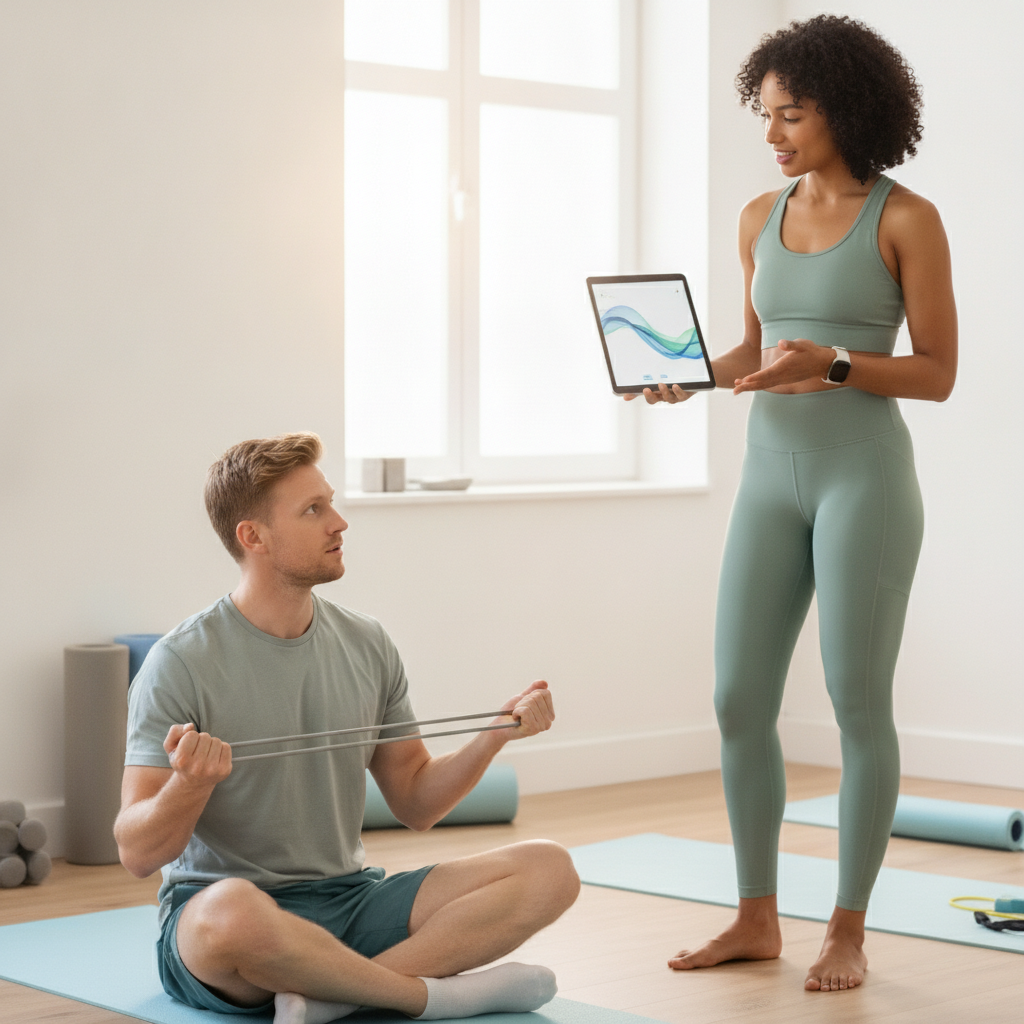
When it comes to integrating fitness technology and gear into your workout routine, many people face unexpected hurdles. The ever-evolving landscape of fitness devices, apps, and gear can feel overwhelming, leading to analysis paralysis. The decision-making process is often complicated by a plethora of choices that range in functionality, price, and compatibility. Furthermore, individuals may find themselves second-guessing their selections, worrying about whether they are investing time and money wisely. Navigating this labyrinth requires a clear understanding of both your unique fitness needs and the specific capabilities that fitness technology offers.
A thoughtful implementation of fitness tech can substantially elevate your workout experience. Failing to understand how to effectively utilize these tools can result in wasted resources and suboptimal outcomes. Thus, the importance of executing your plan correctly cannot be overstated; aligned tech can enhance results, streamline routines, and make your fitness journey more engaging. This guide aims to demystify the implementation of fitness tech and gear, ensuring you make informed choices that allow you to take meaningful action in your health and wellness journey.
Assess Your Fitness Goals
Before diving into the world of fitness technology, it’s crucial to establish a clear set of fitness goals. Are you aiming to lose weight, build muscle, enhance endurance, or improve overall health? By defining your objectives, you position yourself to select the tools that will best support your journey. For instance, a runner focusing on endurance might benefit from a GPS watch, whereas someone aiming to build muscle could consider a strength-training app.
Take some time to reflect on not just superficial goals but also the underlying motivations. This deeper understanding can aid in maintaining focus and commitment over time. Choosing the right fitness tech aligned with your aspirations will streamline your routine while avoiding distractions. Misaligned tools can detract from your journey, so take the time to think critically about your goals.
Research Available Tools and Gear
Once you’ve set your fitness goals, it’s time to delve into research about the various fitness technologies available. Consider factors like functionality, user interface, and compatibility with your existing devices. For example, if you already own a smartphone, look for apps that seamlessly integrate with it. It’s also worth considering broader reviews and personal testimonials—engaging with other users can provide valuable insights into how tech performs in real-world scenarios.
Examine both online sources and communities focused on fitness enthusiasts. Social media and forums can be treasure troves of information, as users frequently share their experiences with specific tech. Spending the time upfront on thorough research can save you from costly mistakes later on, ensuring you choose gear that genuinely adds value to your routine.
Start Simple and Scale Gradually
For those new to fitness tech, starting with a simplistic approach helps ease the transition into technology-enhanced workouts. Consider beginning with a single piece of gear, like a smartwatch or a fitness tracker, and evaluate its impact on your routine. This approach minimizes stress and allows you to grow more comfortable with how tech integrates into your fitness lifestyle.
Once you’ve established a rhythm with one device, consider expanding your toolkit strategically. Adding complexity too quickly can lead to confusion and burnout. Instead, build a layered approach, ensuring each new addition serves a clear purpose and aligns closely with your evolving fitness goals. Ultimately, starting simple fosters a sustainable relationship with technology.
Learn the Features and Utilization of Each Tool
The value of fitness tech is only realized when you fully understand its features and how to utilize them. It’s not enough to simply purchase a gadget; effective usage is crucial. Take the time to navigate through the apps, explore different settings, and engage with the functionalities tailored to your goals. Many manufacturers supply tutorial videos or customer support which can be of great help in getting you started.
In practice, understanding features such as heart rate monitoring, GPS tracking, or data syncing can lead to more informed workouts based on concrete metrics. Learning how to interpret this data will empower you to make adjustments to your routine for improved outcomes. Consider keeping a journal of your experiences, as this can help sharpen your awareness of which features benefit your fitness journey most.
Set Realistic Timelines for Integration
While the allure of rapid improvement can be enticing, setting unrealistic timelines often leads to disappointment. It’s essential to give yourself grace and flexibility as you incorporate fitness tech into your regimen. Establish timelines based on realistic expectations, factoring in your current fitness level as well as familiarization with devices and apps.
Progress requires patience and consistency; maintaining an exercise routine amidst shifting to tech can introduce fluctuations in performance. Mentally preparing for adjustments and allowing adequate time for adaptation will keep you from feeling overwhelmed. Embrace each step of the process as an integral part of your journey rather than a ticking clock.
Monitor and Adjust Your Approach
Mainstream fitness tech provides a wealth of data—such as workout analytics and progress tracking—but it also requires ongoing evaluation. Regularly revisit your goals and the tools you are using. Ask yourself if they continue to meet your needs and align with any changes in your objectives. For instance, when you reach a weight loss goal, your focus might shift to endurance training, requiring different types of tools.
This evaluative approach can help you remain agile, ensuring your fitness tech is always relevant to your current needs. Being too static in your habits can garner stagnation, so embrace your evolving fitness journey with the adaptability that technology affords. This shift will not only keep your mind engaged but also set the stage for new achievements.
This video illustrates different types of fitness tech available today and provides firsthand experiences from actual users. By seeing how various tools have impacted real people's fitness journeys, you can better appreciate the potential benefits and select the technology that resonates with you and your goals.
| Device/App Type | Benefits | Common Pitfalls |
|---|---|---|
| Fitness Trackers | Step tracking, heart rate monitoring | Over-reliance on metrics |
| Smartwatches | Integrated apps, notifications | Complexity for beginners |
| Training Apps | Personalized workouts, flexibility | Content may require subscriptions |
| Home Equipment | Convenience, personalized environment | High initial investment |
| Online Classes | Variety, community support | Lack of personal feedback |
This table clarifies various fitness tech options, emphasizing their advantages alongside potential drawbacks. By weighing these trade-offs, you can better determine which technology matches your fitness strategy without falling into common traps.
This second video offers a unique perspective on user experiences with home gym equipment. It underscores practical tips for maximizing the impact of your investment in fitness tech and how real-world applications can differ from expected outcomes, enriching your understanding of the gear.
Common Mistakes
- Purchasing the most expensive gear without understanding its features.
- Failing to regularly evaluate progress, leading to stagnation.
- Becoming overly reliant on apps or devices, neglecting natural body awareness.
- Ignoring user reviews and testimonials which can provide critical insights.
- Forgetting to adapt goals and tools as fitness levels change.
Measuring Your Progress
To truly gauge the benefits of your fitness tech integration, you need realistic metrics to measure progress—both short-term and long-term. It's essential to differentiate between the two: short-term outcomes might include tracking daily activity levels or weekly workout completion, whereas long-term success could be measured by achieving substantial goals like improved cardiovascular health or weight milestones.
Beyond raw data, incorporate qualitative metrics such as overall happiness and motivation towards fitness. This broader perspective elevates understanding of your progress. Remember, it's not always about perfect performance; concentration on gradual improvements fosters a healthier mindset towards your fitness tech journey. Embrace the process and celebrate small victories—each step counts!