
Understanding the Complexities of Supplements and Beauty Products

The realm of supplements and beauty products is often mired in uncertainty, as many consumers grapple with conflicting information and marketing claims. This creates a landscape where decisions feel overwhelming, and it’s easy to fall prey to common misconceptions or over-simplified advice. For instance, the assumption that all natural ingredients are inherently safe or effective can lead to poor choices that compromise health and beauty goals.
Furthermore, the complexities of ingredient interactions, personal health conditions, and individual skin types further complicate the decision-making process. What works wonders for one person may produce lackluster results for another. In an era where personal health and aesthetics are paramount, understanding these nuances becomes essential. Navigating the diverse categories of supplements and beauty products involves not just understanding ingredients, but recognizing how they align with one’s unique lifestyle and biological makeup.
As a result, simplistic recommendations often fall short, leaving consumers still pondering which products to trust. To truly make informed choices, one must dissect these layers of complexity and comprehend the broader implications of their decisions. This FAQ aims to unravel these intricacies, highlighting common misunderstandings while encouraging a more nuanced approach to health and beauty product selection.
Why do many people overlook potential allergens in beauty products?
Allergic reactions to skincare and beauty products can lead to significant discomfort, yet they are often overlooked by consumers who focus primarily on efficacy or marketing promises. For instance, certain ingredients, such as fragrances and preservatives, are notorious for triggering skin sensitivities. Many individuals mistakenly assume that high-end products are automatically devoid of such irritants, only to discover that they are just as likely to cause reactions as less expensive options.
The trade-off here is stark: consumers need to balance the allure of luxurious brands against the realistic potential for allergic reactions. Often the marketing gloss overshadows essential information, leading users to disregard their own unique skin sensitivities in favor of trending products. This can result in a painful cycle of trial and error that impacts overall skin health.
Moreover, the lack of transparency regarding ingredient sourcing and formulations can further complicate matters. Many consumers do not bother to check the ingredient list or even use patch tests, which can lead to severe repercussions. Proper education about potential allergens and proactive self-checks can help mitigate this issue and promote a safer approach to personal care.
What do most people misunderstand about natural supplements?
There is a prevalent belief that 'natural' equates to 'safe', which can be a dangerous misconception. Consumers often gravitate toward natural supplements, assuming they come with fewer risks. However, many natural ingredients can interact negatively with prescription medications or may not be beneficial when taken without proper guidance. For example, supplements derived from herbal sources such as St. John's Wort can affect the metabolism of various pharmaceuticals, leading to potentially harmful side effects.
The trade-offs here are significant; while natural supplements may appeal due to their perceived lower side effects, the lack of rigorous standardization can introduce variability in potency and safety. Unlike pharmaceutical drugs, which undergo strict clinical trials, many natural products remain unregulated, leaving consumers vulnerable to inconsistent quality.
As a result, understanding the source and scientific backing of natural supplements becomes crucial. Educated choices can help avoid adverse effects while enhancing overall health. Delving deeper into ingredient profiles and their proven effects can aid consumers in recognizing that not all natural products are created equal.
How does the choice of skincare ingredients affect long-term results?
Choosing skincare ingredients often feels like a daunting task, especially with the myriad of options available. Many consumers do not consider how different ingredients work synergistically to affect long-term skin health and appearance. For example, while a product may promise immediate hydration through heavy moisturizing agents, it might lack the antioxidants needed for long-term skin protection and restoration.
This highlights a critical trade-off between instant gratification and sustainable results. Consumers drawn to products with immediate effects might neglect the underlying needs of their skin, leading to issues such as breakouts or premature aging in the future. Recognizing that a holistic approach should encompass not just immediate benefits but long-term care is essential for achieving desired results.
Furthermore, individuals should consider their skin type and how it responds over time to specific formulations. The choice of products should be informed by ongoing assessment rather than initial impressions, fostering a deeper understanding of one's unique skincare needs. This allows for a more thoughtful self-care strategy that prioritizes enduring results over fleeting trends.
Is it actually better to use multiple products for beauty purposes?
The debate over multi-product routines versus streamlined approaches often leads to confusion about optimal skincare regimens. Many believe that layering multiple products enhances results due to the varied functions they offer. However, this approach can complicate things and lead to potential adverse reactions, especially if the products contain conflicting ingredients that may neutralize each other or irritate the skin.
Moreover, the trade-offs of time commitment and complexity must be considered. A lengthy routine can feel burdensome and may discourage consistent application, ultimately undermining the intended benefits. On the flip side, a minimalist approach could simplify daily routines but might not provide targeted solutions for specific skin concerns.
Finding a balance between effectiveness and simplicity is key. Consumers should focus on understanding their skin needs and determining which ingredients are necessary, potentially leading to a more focused and satisfying beauty regime. Strategically choosing versatile products can help address multiple concerns without overwhelming the user.
What happens when users disregard the importance of sun protection in beauty regimens?
Ignoring sun protection is undeniably one of the most common mistakes that can have serious long-term consequences for skin health. Many beauty enthusiasts prioritize cleansing, moisturizing, and makeup without sufficiently incorporating sunscreen into their daily routines. This oversight can lead to accelerated skin aging, increased pigmentation, and a higher risk of skin cancer.
Despite the overwhelming evidence supporting the benefits of sun protection, consumers often underestimate its importance, believing that cosmetic products with SPF are sufficient. However, the reality is that these products may not provide adequate protection when applied in typical quantities. The trade-off here is clear: those who fail to fully embrace sun protection might experience immediate appeal from cosmetic finishes but pay a hefty price in skin health later.
Long-term effects, such as wrinkles and sunspots, become apparent over time, creating a pressing need to educate consumers about the cumulative damage caused by UV exposure. A steadfast commitment to broad-spectrum sun protection can prevent these negative outcomes and contribute to overall skin vitality. Therefore, integrating sunscreen as a non-negotiable step in any beauty regime is essential for maintaining youthful and healthy skin.
How do marketing claims impact consumer decisions regarding beauty products?
Marketing claims often wield significant influence over purchasing behavior, yet many consumers fail to recognize the subtlety behind these statements. Terms like “clinically proven” or “ dermatologist-recommended” can sway potential buyers, creating an illusion of credibility that may not reflect the actual efficacy of a product. This situation is compounded by the lack of regulations surrounding advertising in the beauty industry, which can lead to misleading representations of benefits.
The trade-off here involves weighing the allure of catchy claims against rigorously researched products. Price and marketing appeal can overshadow effectiveness, leading users to invest in products that produce limited results while overlooking those that may be scientifically substantiated. A thoughtful analysis of ingredient lists and actual consumer feedback can help mitigate this issue and cultivate smarter purchasing habits.
Moreover, exposure to targeted advertisements can create an “FOMO” effect, making consumers feel pressured to purchase products under the pretense of relevance to trends rather than suitability. Navigating this landscape requires critical thinking and often a deeper probe into clinical information, ingredient reliability, and user experiences beyond marketing promises.
What are the hidden risks of DIY beauty product creation?
DIY beauty products have gained popularity in recent years, driven by the allure of customization and perceived cost-effectiveness. However, many are unaware of the risks associated with homemade formulations. Common misconceptions include the belief that natural ingredients are inherently safe and that making products at home guarantees higher quality. The reality is that without proper knowledge of ingredient interactions and preservation methods, consumers may put their skin in jeopardy.
The hidden trade-offs involve potential skin irritations, allergic reactions, and contamination risks. Inadequately preserved formulations can become breeding grounds for bacteria and mold, leading to adverse health effects. Thus, while DIY approaches may appear enticing, they require a level of expertise and diligence that many might not possess.
It's crucial for consumers to weigh the benefits of personalization against these hidden risks and consider the wealth of professionally formulated products available that adhere to safety standards. Understanding the science behind beauty formulations can empower consumers to make choices that prioritize safety while still allowing for individual expression.
| Aspect | Multi-Product Approach | Minimalist Approach |
|---|---|---|
| Complexity | Higher due to ingredient interactions and layering | Lower, simplifying routine |
| Effectiveness | Potentially higher but risk of irritation | Effectiveness varies based on needs |
| Satisfaction | Varied; can lead to overwhelming choices | High for those who prefer simplicity |
| Time Investment | High; requires commitment to multiple products | Low; quick routines appeal to busy lifestyles |
| Ingredient Safety | Risk of mixing conflicting ingredients | Lower, easier to maintain safety with fewer products |
Exploring the Intersection of Supplements and Beauty Products
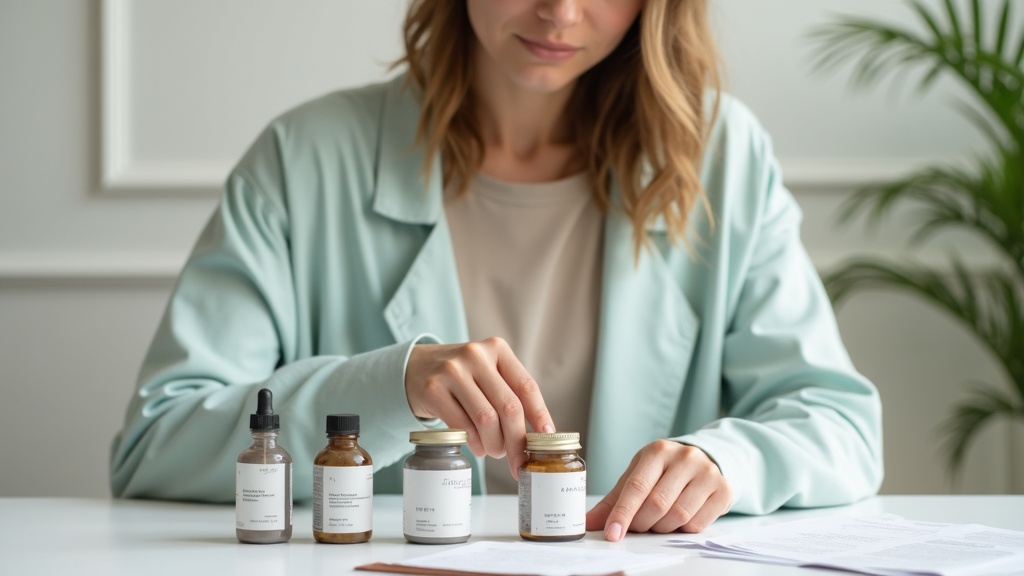
In the world of health and beauty, the interplay between supplements and skincare is more significant than many realize. With the growing emphasis on holistic wellness, understanding how various supplements can enhance beauty regimens is crucial. From vitamins that promote skin health to botanical extracts renowned for their rejuvenating properties, the choices are abundant and often overwhelming.
Before diving into this expansive topic, it's essential to recognize that not all products are created equal. The effectiveness of a supplement can vary widely based on its formulation, bioavailability, and individual health needs. This makes the evaluation of these products and their ingredients not just a matter of preference but a vital part of maintaining one’s health and beauty routine.
As you read through this listicle, consider how the insights shared can guide you towards informed choices that align with your specific beauty goals and overall well-being.
-
Understanding Essential Vitamins for Skin Health
Vitamins like A, C, and E play pivotal roles in skin repair and maintenance. They help combat oxidative stress and promote collagen production, which is crucial for maintaining elasticity and reducing signs of aging. Integrating these vitamins into your diet through supplements can lead to noticeable improvements in skin texture and radiance.
For instance, Vitamin C is not only a powerful antioxidant but also aids in skin brightening and reducing hyperpigmentation. When choosing supplements, look for options that list specific forms – like methylcobalamin for Vitamin B12 – which may enhance absorption and efficacy.
-
The Role of Omega Fatty Acids in Beauty
Omega-3 and omega-6 fatty acids are vital for maintaining skin hydration and overall health. They contribute to the lipid barrier, keeping skin moisturized and supple. A diet rich in these essential fats, potentially supplemented by fish oil or flaxseed oil, can enhance a beauty regimen significantly.
Research suggests that omega fatty acids also have anti-inflammatory properties, making them particularly beneficial for those with sensitive or acne-prone skin. Combining these supplements with topical applications can amplify their benefits.
-
Collagen Supplements: A Popular Beauty Trend
Collagen is often hailed as a beauty savior due to its fundamental role in skin elasticity and firmness. As we age, natural collagen production declines, leading to wrinkles and sagging skin. Supplementing with collagen peptides can help mitigate these effects, providing a straightforward way to support skin structure.
This video illustrates various forms of collagen supplementation and their benefits. It highlights key factors to consider when selecting a collagen product, such as source (bovine, porcine, marine) and hydrolyzed forms for better absorption. Understanding these elements can help you choose a collagen supplement that fits your specific skincare needs and preferences.
-
Herbal and Botanical Extracts for Radiant Skin
Various herbal supplements, like ashwagandha and green tea extract, have emerged as popular options for improving skin health and overall wellness. Ashwagandha is known for its adaptogenic properties, helping to combat stress that can manifest on the skin, while green tea contains potent antioxidants that protect against environmental damage.
When incorporating herbal supplements into your beauty routine, consider the quality and source. Opt for brands that offer transparency about their ingredient sourcing and formulation methods for the best results.
-
The Importance of Probiotics for Skin Health
Probiotics are typically associated with gut health, but their benefits extend to skin health as well. A balanced gut microbiome can positively influence skin conditions, helping to reduce acne and eczema through improved immune function.
Look for supplements that combine a variety of probiotic strains to maximize benefits. Daily incorporation of probiotics, whether through supplements or fermented foods, may enhance your skin's resilience against various conditions.
-
Peptides: The Next Generation of Beauty Supplements
Peptides serve as messengers in the body, playing critical roles in communication between cells. In skincare, they can stimulate collagen production and promote skin healing. As supplements, peptides can be directly connected to treatments for fine lines and wrinkles.
This video discusses various peptide options for skincare, explaining their mechanisms of action and expected outcomes. It emphasizes the importance of product consistency and the potential long-term benefits of incorporating peptide supplements into your daily routine.
-
Minerals That Matter: Zinc and Selenium
Zinc and selenium are trace minerals that play vital roles in skin health. Zinc supports dermatological healing and can help manage acne outbreaks, while selenium acts as a powerful antioxidant, protecting skin cells from oxidative damage.
Supplements containing these minerals can be particularly useful for individuals dealing with skin issues related to nutrient deficiencies. It's beneficial to consult with a healthcare provider to assess individual needs and appropriate dosages.
-
Evaluating Beauty Product Labels
Understanding the ingredients in beauty products is as important as choosing the right supplements. Many beauty products can contain harmful chemicals or synthetic additives that may negate the benefits of any beneficial supplements you've taken.
- Focus on natural and organic ingredients.
- Avoid common irritants and allergens.
- Look for products with clinical evidence backing their claims.
By scrutinizing labels, you can ensure that both your supplements and beauty products work synergistically to promote health and beauty, making informed choices that align with your wellness philosophy.
| Supplement | Primary Benefit | Key Ingredients | Considerations |
|---|---|---|---|
| Collagen | Firmness and elasticity | Hydrolyzed collagen peptides | Source and bioavailability |
| Omega Fatty Acids | Hydration and anti-inflammatory | Fish oil, flaxseed oil | Quality and sourcing |
| Probiotics | Improves skin microbiome | Lactobacillus, Bifidobacterium | Strain variety |
| Vitamins A, C, E | Skin repair and antioxidant | Ascorbic acid, retinol | Source and formulation |
| Herbal Extracts | Antioxidant and anti-inflammatory | Ashwagandha, green tea | Quality and research backing |
| Minerals (Zinc, Selenium) | Wound healing and antioxidant | Zinc gluconate, selenium yeast | Dosage and availability |
| Peptides | Cell communication and repair | Palmitoyl pentapeptide, acetyl hexapeptide | Research on effectiveness |
Unlocking the Benefits of Supplements and Beauty Products

Many people face a perplexing challenge when attempting to integrate supplements and beauty products into their daily routines. With an overwhelming array of options available—including vitamins, skincare formulations, and health-enhancing products—it’s easy to feel paralyzed by the fear of making poor choices. This confusion can stem from numerous factors: varying ingredient quality, conflicting marketing messages, and lack of clarity on how different products affect individual health and beauty. Without thorough understanding and strategic execution, you may end up with products that don't align with your needs or even compromise your health.
Correctly navigating the world of supplements and beauty products is crucial for positively impacting your overall health and wellness. The implications of wrong choices can include waste of financial resources and, in some cases, adverse health effects due to unsafe ingredients or incorrect usage. Therefore, understanding which products truly deliver benefits and how to implement them into your routine effectively is paramount. Let’s delve into a series of actionable steps to help you maximize the value of these essential items in your life.
1. Assess Your Individual Needs
Before diving into the world of supplements and beauty products, take the time to evaluate your specific health and beauty needs. Consider factors such as your age, activity level, skin type, and any existing health conditions. For instance, someone with sensitive skin may react poorly to harsh ingredients commonly found in beauty products. The goal of assessment is to tailor your choices to address areas where you genuinely seek improvement. This ensures that you're not only investing in products that meet your needs but also avoiding those that may worsen your conditions.
Furthermore, identifying your goals is crucial. Are you looking to boost your energy levels with supplements or seeking to enhance your skin’s hydration with moisturizer? Clarity in your objectives plays a significant role in making informed decisions. This reflective process prepares you to navigate product labels and marketing claims with a discerning eye.
2. Research Ingredients Thoroughly
Understanding the ingredients in your supplements and beauty products can significantly impact your selection process. Familiarize yourself with beneficial active ingredients like hyaluronic acid for hydration or omega-3s for inflammation reduction. However, always be cautious of filler ingredients that provide little benefit and may even cause unwanted reactions. For instance, artificial fragrances and dyes can irritate the skin, making a product less suitable for you.
Real-world application involves reading reviews and research studies—reputable sources can offer insights into the effectiveness and safety of ingredients. Don’t shy away from scrutinizing products labeled as “natural” or “organic”; they can still contain allergens or irritants. Additionally, examining reputable articles or trusted online resources can empower your decision-making process by revealing the truths hidden behind many marketing claims.
3. Start with Small Quantities
When introducing new supplements or beauty products into your routine, a prudent approach is to start with small quantities. This method helps mitigate the risk of adverse reactions, especially if you are prone to sensitivities. Opening a new bottle of vitamins, for example, may tempt you to dive in with both feet, but it’s financially and health-wise sound to test with a smaller package first.
This trial phase allows you to monitor how your body—or your skin—reacts. You may discover that a product you expected would be perfect for you doesn’t yield the desired effects, or worse, causes an undesirable reaction. Should this occur, you’ve limited any potential damage while gathering valuable insights that guide future purchases. It’s an effective strategy that fosters a low-risk exploration of your health and beauty landscape.
4. Consult a Healthcare Professional
Navigating the supplement landscape can be challenging, especially if you’re managing specific health conditions or taking prescription medications. Consulting with a healthcare provider or a licensed nutritionist can provide personalized guidance and elucidate potential interactions between supplements and other medications. This step is invaluable as it bridges the gap between ambition and informed action.
Healthcare professionals can also assist in deciphering whether certain beauty products pose a concern regarding your health needs. Individualized advice ensures that you’re not only investing in building a healthier lifestyle but also prioritizing your safety effectively. Working collaboratively with qualified individuals is an empowering strategy when determining appropriate products for you.
5. Gradually Build Your Routine
Once you’ve selected a few promising supplements or beauty products, integrate them into your routine gradually. This could involve adding one new supplement per week or alternating between different beauty treatments. Gradual incorporation allows your body to adapt and enables you to monitor any reactions without overwhelming yourself with too many changes at once.
In this step, it's essential to maintain consistency. Significant improvements often take time to manifest, whether it's a healthier glow from a skincare regimen or enhanced vitality from dietary supplements. By implementing products progressively and evaluating their performances, you create a measured and insightful framework for long-term success.
6. Listen to Your Body
Paying attention to how your body responds to supplements and beauty products is a critical step that often goes overlooked. Our bodies communicate feedback that, if heeded, can lead to profound insights about what works and what doesn't. Take note of any changes you feel—positive or negative—as these can help inform future choices.
For example, if a new skincare product causes irritation or breakouts, it may be time to reconsider its fit within your routine. On the flip side, if a supplement noticeably boosts your energy, this feedback affirms that you’re on the right track. The ability to listen and adapt is crucial for navigating the supplement and beauty space effectively and can ensure that you achieve the optimal outcomes you desire.
This video shows practical demonstrations of various beauty products being applied and their immediate effects on skin texture and appearance. It connects to the topic by illustrating real-life examples of how users can experience different products and their benefits. By observing these applications, you gain perspective on the transformative potential of effective beauty products, enhancing your understanding of what you might incorporate into your own routine.
| Approach | Advantages | Disadvantages |
|---|---|---|
| Sticking to well-reviewed products | Proven effectiveness and satisfied users | May not suit everyone’s individual needs |
| Consulting professionals | Personalized advice and safety assurance | Possible cost and time constraints |
| Trying new products on a small scale | Reduced risk of adverse reactions | Potential for delayed benefits |
| Researching ingredients | Informed choices leading to better results | Time-consuming and sometimes confusing |
This second video reveals common mistakes that people make when selecting supplements and beauty products. It emphasizes misconceptions about ingredient effectiveness and the allure of high-priced items. By watching, viewers can enhance their decision-making skills, understanding that the best choice stems from informed research, not just marketing buzz or price tags.
Common Mistakes to Avoid
- Overlooking ingredient transparency and safety.
- Rushing into purchasing based on social media influencer endorsements.
- Ignoring personal body signals and reactions during product trials.
- Confusing trendy products with effective solutions.
- Failing to track progress over time and analyze outcomes.
Measuring Your Success
To realistically gauge your progress and success in using supplements and beauty products, create a framework for evaluation. This could involve journaling any notable changes in your health or skin condition at regular intervals. Long-term improvements often unfold gradually and may require several weeks or months to become apparent.
Moreover, it’s crucial to set pragmatic expectations. While quick fixes are desirable, maintaining a balanced perspective supports sustained health and beauty gains. A long-term approach combined with consistent tracking will help you achieve a fulfilling journey toward improved wellness—one that feels less like a daunting task and more like a rewarding endeavor.