
Understanding the Complexities of Health Tools and Apps

Navigating the world of health tools and apps can often feel overwhelming. With a myriad of products and solutions marketed to improve physical, mental, and emotional health, it's easy to accept claims at face value without critical evaluation. Many users find themselves confused by the choices available, as they attempt to decipher which products truly deliver value versus those that may only drain their resources without significant benefit. This leads to a cycle of trial and error, leaving many frustrated as they seek the best solutions for their unique health needs.
The complexity of decision-making is compounded by the fact that personal health is multifaceted. What works wonderfully for one individual might have little to no effect on another due to differences in physiology, lifestyle, and health goals. Additionally, the marketing of these products can often blur the lines between hype and reality, leading to misunderstandings about what makes a particular tool effective or beneficial in the long term. As a result, simple advice frequently falls short, necessitating a deeper dive into the nuances of how these tools and apps genuinely impact health outcomes.
Ultimately, informed decision-making requires not just an understanding of the tools available, but also a grasp of the potential trade-offs, misconceptions, and individual variations. This FAQ section aims to demystify some of these complexities, offering critical insights into the often misunderstood realm of health apps, wearables, and other digital solutions. By exploring these questions, readers can gain clarity and confidence in their choices, leading to healthier outcomes tailored to their specific requirements.
Why do many people underestimate the impact of data collection in health apps?
Many users of health apps see the data collection aspect as merely a side feature, yet its significance can’t be overstated. Health apps gather a wide range of information, from daily activity levels to sleep patterns, which can be essential for tailoring health interventions. However, without understanding the validity and reliability of this data, users may overlook vital insights that could help improve their well-being. The insights gained from such data analysis are the backbone of evidence-based personal health management.
Moreover, the ways in which these apps utilize the collected data can vary widely, leading to misconceptions about their effectiveness. Users might assume that simply logging their exercise or diet leads to results, without engaging meaningfully with the data to adjust behaviors or approaches. This disconnect can create a false sense of security, where individuals believe that they are making progress simply because they have an app, rather than because they are applying the data productively.
Ultimately, appreciating the full potential of health apps requires users to engage actively with the data being collected. By developing a more nuanced understanding of the relationship between personal health data and outcomes, individuals can harness the power of these tools to create actionable plans, rather than relying solely on passive tracking. Neglecting this aspect often leads to a missed opportunity for maximizing one’s health journey.
What do most people misunderstand about the limitations of wearables?
Wearables are often heralded as game-changers in personal health management, yet many users harbor misunderstandings about their limitations. While these devices provide real-time feedback on various health metrics like heart rate and activity levels, they are not infallible. A common misconception is that simply wearing a device guarantees improved health outcomes, leading users to place undue reliance on the technology without considering the broader lifestyle and behavioral changes necessary to achieve their health goals.
Another limitation users often overlook is the accuracy of data. Not all wearables provide the same level of precision, and many are susceptible to errors influenced by factors like sensor quality and user interaction. For instance, a heart rate monitor might be less reliable if not positioned correctly on the wrist. When individuals base health decisions solely on inaccurate data, it can lead to misguided actions and even health setbacks. Understanding these limitations is crucial for using wearables effectively.
Long-term reliance on these devices without a corresponding commitment to sustainable lifestyle changes can also create an illusion of control over health. Users may feel empowered by the data but fail to make substantive shifts in behavior that foster real health improvements. Recognizing the role of wearable devices as tools—rather than solutions on their own—can help users balance technology with more traditional methods of health management, ultimately leading to more holistic wellness strategies.
How does relying on supplements in health apps affect decision-making?
Simplistically, the appeal of health apps that recommend supplements lies in their promise of convenience and optimization without requiring substantial lifestyle changes. However, many users misunderstand the complexities involved in supplement efficacy and interactions with other health factors. The oversimplification of recommending certain vitamins or minerals without considering individual health profiles can lead to poor health decisions. Without understanding specific needs, users might take supplements that offer no benefit, or worse, could adversely affect them.
Moreover, the lack of regulatory oversight in the supplement industry means that not all products are created equal. Many health apps may not clarify the source or quality of the supplements they promote, which can mislead users into thinking they are making informed choices. This has the potential to foster dependency on supplements rather than addressing the root causes of health issues through diet, exercise, and lifestyle changes, leading to a short-sighted approach to health management.
To navigate this landscape effectively, individuals must engage critically with the recommendations presented by health apps. This includes doing independent research, consulting healthcare providers, and considering holistic strategies that incorporate proper nutrition and lifestyle changes alongside any necessary supplements. This comprehensive view empowers users to make smarter decisions, ultimately enhancing their health outcomes.
What happens when users ignore the importance of user feedback in apps?
User feedback is a critical component of health app design and improvement, yet many individuals overlook its importance. Ignoring this aspect not only impacts individual users by failing to shape a personalized experience but can also inadvertently perpetuate poor development practices. Many apps incorporate feedback mechanisms to adapt features based on user experiences, and disregarding these opportunities limits the effectiveness of the app in addressing specific health needs.
The result is a disconnect between what users truly require from health tools and what is available. When users opt not to engage with feedback channels or fail to report issues, they may find themselves stuck using outdated or ineffective features that do not suit their needs. This stagnation can lead to frustration and misalignment in health goals, further complicating the user experience and driving users away from otherwise beneficial apps.
Ultimately, recognizing the power of user feedback means embracing a sense of agency in the digital health space. Active participation in improving tools fosters a more tailored experience, allowing users to align their health goals with effective solutions. By not speaking up about their experiences, users risk missing out on enhanced functionalities that could significantly enrich their health management journey.
Is it actually better to rely solely on popular health apps than on professional advice?
With the proliferation of popular health apps and self-management tools, many users might fall into the trap of relying exclusively on these resources instead of seeking professional advice. While health apps can supplement knowledge and facilitate personal tracking, they often lack the individualized insight that healthcare professionals provide. Many users incorrectly believe that algorithms and aggregated data can replace the nuanced understanding of health that a professional brings to the table.
This misconception can lead to dangerous outcomes. Critical nuances about health history, ongoing conditions, and specific lifestyle factors are often overlooked in app-based recommendations. Without engaging with a knowledgeable professional, users may miss essential guidance that could inform decisions about more serious health concerns. Furthermore, some conditions require tailored treatment plans that apps simply cannot provide, increasing the risk of complications.
Therefore, the real strength lies in a balanced approach. Utilizing health apps can enhance the effectiveness of professional guidance rather than replacing it. Health can be a collaborative journey, merging the convenience and accessibility of apps with the thorough understanding that comes from expert advice. Confidently navigating this landscape involves recognizing when to turn to technology for support and when to engage directly with health professionals for comprehensive care.
What are the hidden challenges of integrating multiple health tools into one strategy?
In a tech-savvy era where multiple health tools can be seamlessly integrated, many assume that this amalgamation automatically leads to better health outcomes. However, the reality is that integrating too many health services can create silos of information, hindering rather than helping overall health management. Users may struggle to synthesize diverse data points into a cohesive strategy, leading to confusion and inconsistency in their health practices.
Additionally, compatibility issues among different platforms and apps pose a significant challenge. Data from one app might not mesh effectively with another, resulting in fragmented insights that complicate decision-making processes. Users may find themselves overwhelmed with information, leading to analysis paralysis where they struggle to discern actionable steps from disparate data streams. This hidden challenge undermines the potential benefits of integrating various tools and approaches.
To counteract these obstacles, users must consciously curate their health toolsets, selecting applications that enhance one another, rather than adding layers of complexity. Adopting a thoughtful approach to integration means ensuring that all chosen tools align with personal health goals and can be effectively managed together. By taking ownership of this process, users can create a unified health strategy that maximizes the benefits of various technologies without succumbing to the pitfalls of integration.
How do misconceptions about cost affect the value perceived in health tools?
Users often arrive at health tools with a preconceived notion of their cost-effectiveness, frequently equating higher prices with better outcomes. This misunderstanding can lead to misguided decisions, as individuals might overlook less expensive yet highly effective alternatives simply due to their price tags. In many cases, the perceived value doesn’t translate to actual improvement in user experience or health management.
Moreover, many formats, such as subscription-based services or in-app purchases, can raise the cumulative costs of utilizing health tools. Users may find themselves paying for features they seldom use or don’t truly benefit from, leading to resentment and wasted financial resources. This can detract from the overall commitment to health improvement, as financial burdens may create stress and negative associations with health management.
To truly extract value from health tools, users must approach purchases with a discerning mindset, focusing on features that align with their personal health goals rather than being swayed by marketing or hype. Evaluating efficacy based on reviews, scientific validation, and real outcomes, alongside costs, can facilitate better financial and health choices. Ultimately, understanding the true cost/benefit balance can empower users to invest wisely in their health—and more effectively leverage the resources available to them.
| Thinking Patterns | Trade-Offs | Health Decision Impact |
|---|---|---|
| Data-Driven Decisions vs. Intuitive Choices | Maximizing insights vs. overwhelming complexity | Informed paths to health vs. misguided expenditure |
| Device Reliance vs. Holistic Understanding | Specific metrics vs. broader lifestyle factors | Potential foibles vs. comprehensive well-being |
| Professional Guidance vs. Self-Management | Individualized insight vs. algorithm-based recommendations | Optimized interventions vs. waste of efforts |
| Complementary Tools vs. Fragmented Systems | Holistic integration vs. dizzying disarray | Streamlined health tracking vs. errors in analysis |
| Perceived Value vs. Actual Investment | Cost of premium tools vs. genuine efficacy | Smartly optimized spending vs. wasted resources |
Essential Insights for Evaluating Health Tools and Apps
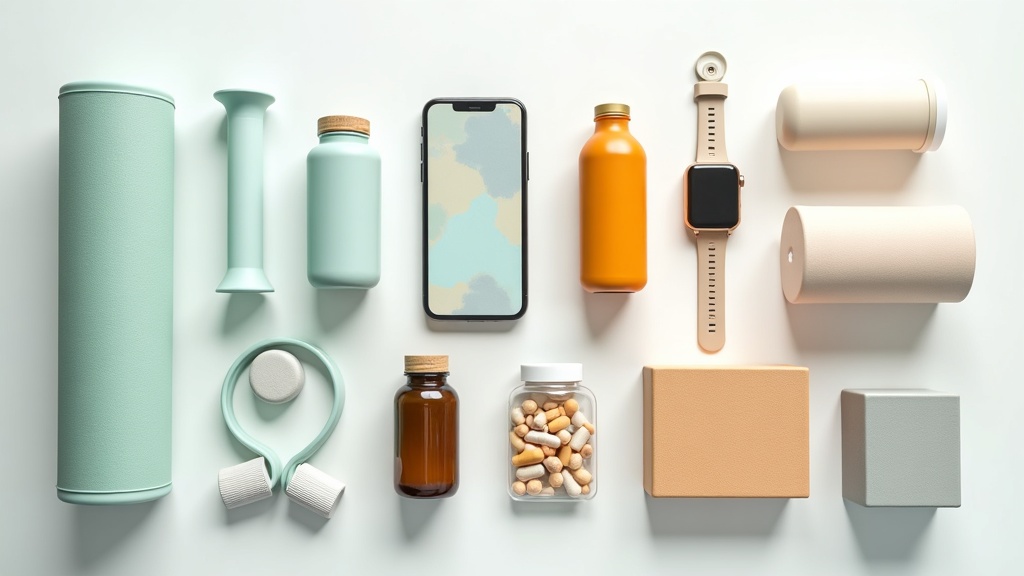
In an age where health technology offers vast possibilities for personal well-being, selecting the right tools and apps requires more than just surface-level knowledge. Every individual's health journey is unique, making it critical to gauge the features, user experiences, and scientific backing of products before integrating them into your routine. Decisions rooted in careful evaluation can lead to significant improvements in your physical, mental, and emotional health.
With a plethora of options available, simple answers often fall short. A deeper understanding of what makes a health tool or app effective can empower you to make informed choices that align with your specific goals and needs. This section aims to provide essential insights that help you navigate this complex landscape of health technology.
-
User-Friendliness
The ease of use of a health app or wearable can significantly affect your adherence to it. Accessibility features, intuitive navigation, and clear instructions contribute to a seamless user experience that encourages regular use.
When choosing an app, consider whether it can be easily integrated into your daily routine without causing frustration or confusion. A user-friendly design often correlates with higher adherence rates and long-term benefits.
-
Scientific Backing
Evaluating whether a health tool is supported by rigorous scientific research is crucial. Many apps claim to be effective, but only a few are validated by clinical studies. Look for tools that reference peer-reviewed research or have been created in partnership with health professionals.
A product with established evidence can enhance your trust in its efficacy and your willingness to commit to it as part of your wellness strategy.
-
Customization Options
Each person has unique health needs. Therefore, the ability to customize settings, notifications, and goals in an app or device is essential. Customization allows for a tailored approach that aligns with your specific wellness objectives and preferences.
This Instagram video showcases how an individual has personalized their health app to fit their daily routines and specific needs. By demonstrating customization features, it underscores the importance of flexibility in health management tools.
Understanding how to leverage customization can greatly enhance your user experience and improve the overall effectiveness of the tool, making it a worthwhile investment in your health journey.
-
Integration with Other Tools
Consider how well a health tool interacts with other apps or devices. Some tools allow for seamless data sharing between fitness trackers, diet logs, and mental wellness apps, providing a comprehensive view of your health.
Integration fosters convenience and offers valuable insights, creating a holistic approach to wellness that ensures you don't miss key factors affecting your health.
-
Cost vs. Value
Scrutinizing the cost of health tools against their offered value is essential. While some premium tools may seem beneficial, determine if their features genuinely align with your needs and offer sufficient return on investment.
- Evaluate free options for basic functionality.
- Look for trials to assess effectiveness before committing financially.
- Consider long-term subscription costs and additional features.
-
Privacy and Data Security
Given the sensitive nature of health data, understanding how an app manages your information is paramount. Review privacy policies and data handling practices to ensure your data is secure and that the app adheres to regulatory standards.
Tools that prioritize user privacy and transparency regarding data collection can foster trust and promote long-term engagement with the platform.
-
Community and Support
The availability of a supportive community can enhance your experience with a health tool. Many apps offer forums or social features that foster connectivity and motivation among users.
Tools that provide access to community support not only keep users motivated but also encourage healthy conversations and knowledge sharing.
-
Tracking Progress
An effective health app or tool should facilitate meaningful tracking of your progress over time. Look for features that allow you to visualize trends, monitor changes, and set benchmarks that align with your goals.
Progress tracking fosters accountability and can visually reinforce your efforts, motivating you to continue on your health journey.
| Criteria | Importance | Considerations |
|---|---|---|
| User-Friendliness | High | Impact on adherence and motivation |
| Scientific Backing | High | Validity and trust in results |
| Customization Options | Medium | Personalized experience to fit needs |
| Integration with Other Tools | Medium | Comprehensive health insights |
| Cost vs. Value | High | Long-term affordability and utility |
| Privacy and Data Security | High | User trust and data handling |
| Community and Support | Medium | Motivation and shared learning |
| Tracking Progress | High | Accountability and motivation |
How to Effectively Utilize Health Tools and Apps

In today’s fast-paced world, managing and understanding your health can feel overwhelming. This is particularly true when confronted with an array of health tools, apps, wearables, and at-home products that promise to improve our well-being. Many individuals struggle to actively engage with these resources due to confusion surrounding their functionalities, a lack of clarity on how to personalize their use, or simply feeling lost amid the vast options available. The importance of correctly utilizing these tools cannot be overstated; informed usage can lead to significant improvements in both physical and mental health, while misguided application can set you back or cultivate frustration.
Moreover, with ambiguity comes hesitation. Without clear guidance on selecting the right tool or understanding how to integrate it effectively into daily life, many people underutilize or abandon beneficial technologies entirely. Hence, a strategic approach is necessary. This guide will walk you through the essential steps to clarify your objectives, select suitable tools, and make the most out of your health-related investments, all tailored to support your journey towards holistic well-being.
1. Define Your Health Goals
Before diving into the world of health tools and apps, it’s crucial to identify your specific health goals. Are you looking to lose weight, manage stress, track your exercise, or improve your nutrition? Clear objectives not only guide your selection of tools but also enhance lay the groundwork for a motivated approach to your overall wellness. For instance, if you aim to improve your diet, you might prioritize apps focused on meal tracking and nutritional information.
Additionally, understanding your goals allows for micro-steps—small, achievable actions that lead to larger changes. Setting realistic and time-bound goals can enhance your commitment and help measure progress over time. Remember, your health journey is personal; what works for others may not be tailored to your individual needs and aspirations.
2. Research and Select the Right Tools
With a clearer sense of what you want to achieve, your next step is thorough research. Explore various health tools and apps, taking note of their features, user reviews, and compatibility with your lifestyle. Pay attention to whether the app collects data, if it offers reminders, or whether it fosters community support, as these elements can significantly impact your experience.
A good practice is to trial a few options before settling on your go-to apps, as firsthand experience is invaluable. Be mindful of the user interface; a complicated app may discourage frequent use, undermining your progress. Selecting tools that align with your capabilities will help you maintain consistency and engagement. Strive to choose those that integrate seamlessly into your existing routines.
3. Personalize Your Experience
Once you've selected your health tools, it's time to personalize your experience. Customization can enhance usability and motivation, allowing you to tailor features such as notifications, data tracking, or even goals within the app. Personalization encourages adherence to your chosen methods, making it easier to stay engaged and gain meaningful insights.
Being attuned to your own preferences—such as the type of feedback you find motivating—can also be beneficial. If you thrive on visual data representation, for instance, seek apps that offer visually appealing charts or tracking systems. Remember that these tools are meant to serve you, not overwhelm you, so don’t hesitate to adjust settings as needed.
4. Integrate Tools into Daily Routines
Successful health management comes from weaving tools into your daily routine rather than treating them as a separate task. Choose specific times during the day to interact with your apps—this could be during breakfast, lunch, or after workouts. Consistency breeds habit, which complements the long-term retention of healthy behaviors.
Consider integrating reminders or alerts that prompt you to engage with your health tools at these moments. However, be cautious of notification overload, as too many alerts can lead to stress instead of support. Balance is crucial; the goal is to naturally incorporate these resources into your life so they become second nature.
5. Monitor Your Progress Actively
Active monitoring of your health journey is vital to success. Regularly reviewing your progress allows you to assess what strategies are working and which ones may need adjustment. Most health tools provide features that enable you to track changes over time—make use of these. Whether it's weight, exercise frequency, or mood levels, visualizing your data can provide valuable insights.
Don’t forget that progress is not always linear. There may be plateaus or setbacks, but assessing these moments critically rather than emotionally can offer growth opportunities. Celebrate small victories, and don't hesitate to recalibrate your approach if the data indicate stagnation. Your engagement at this stage is crucial for ongoing motivation and realignment of your goals.
6. Engage with Communities and Support Networks
Many health apps offer community elements or social sharing options. Engaging with fellow users can provide motivation and accountability—two potent catalysts for change. Consider joining forums or groups related to the apps you use; sharing your journey and challenges can lead to valuable insights from others in similar situations.
However, be selective about the communities you join. Look for supportive environments that share positive reinforcement rather than competitive or toxic dynamics. The right community can enhance your experience and provide encouragement, making your health-management journey not just effective but enjoyable.
This TikTok video illustrates the importance of integrating health tech into your daily life, showcasing real-time testimonials from users who have successfully adopted these practices. It emphasizes how small, everyday actions lead to bigger health transformations. By visualizing practical examples, it enhances understanding and offers relatable content to motivate new users.
| Tool Type | Benefits | Considerations |
|---|---|---|
| Wearables | Real-time tracking, motivational challenges | Can be expensive, accuracy depends on the device |
| Nutrition Apps | Meal planning, dietary tracking | Requires consistent input, may promote unhealthy obsession |
| Mental Health Apps | Accessible resources, guided exercises | May not replace professional help, quality varies |
| Fitness Tracking Apps | Goal setting, community support | Can lead to comparisons or self-doubt if not used mindfully |
| Holistic Health Apps | Comprehensive health tracking, integration | Sometimes overwhelming, may lack focus on specific goals |
7. Reflect and Adjust Your Strategy
Afford yourself the grace of reflection as you navigate this journey. Regularly scheduling reflections allows you to evaluate your strategies, draw lessons from both successes and challenges, and adapt to changing needs. This ongoing cycle fosters resilience and adaptability—key traits in maintaining a healthy lifestyle.
Set aside time at least monthly to review your goals, the tools you’ve been using, and how you feel about your progress. Are your goals still relevant? Are there new tools that could support your journey? This reflective practice is crucial for long-term success, transforming initial efforts into lasting health improvements.
Common Mistakes
- Choosing too many tools at once, leading to overwhelm.
- Failing to set clear, actionable goals that encourage motivation.
- Ignoring feedback and analytics from health tools.
- Neglecting the support of community features within apps.
- Relying heavily on technology instead of developing personal health knowledge.
Success Evaluation
To evaluate your progress effectively, focus on qualitative and quantitative measures. Are you feeling more energetic or emotionally stable? Are you achieving your set goals? Documenting your thoughts and feelings in addition to tracking numbers creates a more holistic view of your improvements.
Avoid the trap of striving for perfection; instead, celebrate incremental changes. Acknowledge that real growth takes time, and that’s perfectly normal. Regularly revisiting your goals and remaining flexible with your approach will not only help you assess your current situation but also enhance your ability to adapt to future health challenges.