Rabies
A Radivive glossary entry. Scroll down for a plain-language definition and related terms in the same letter group.
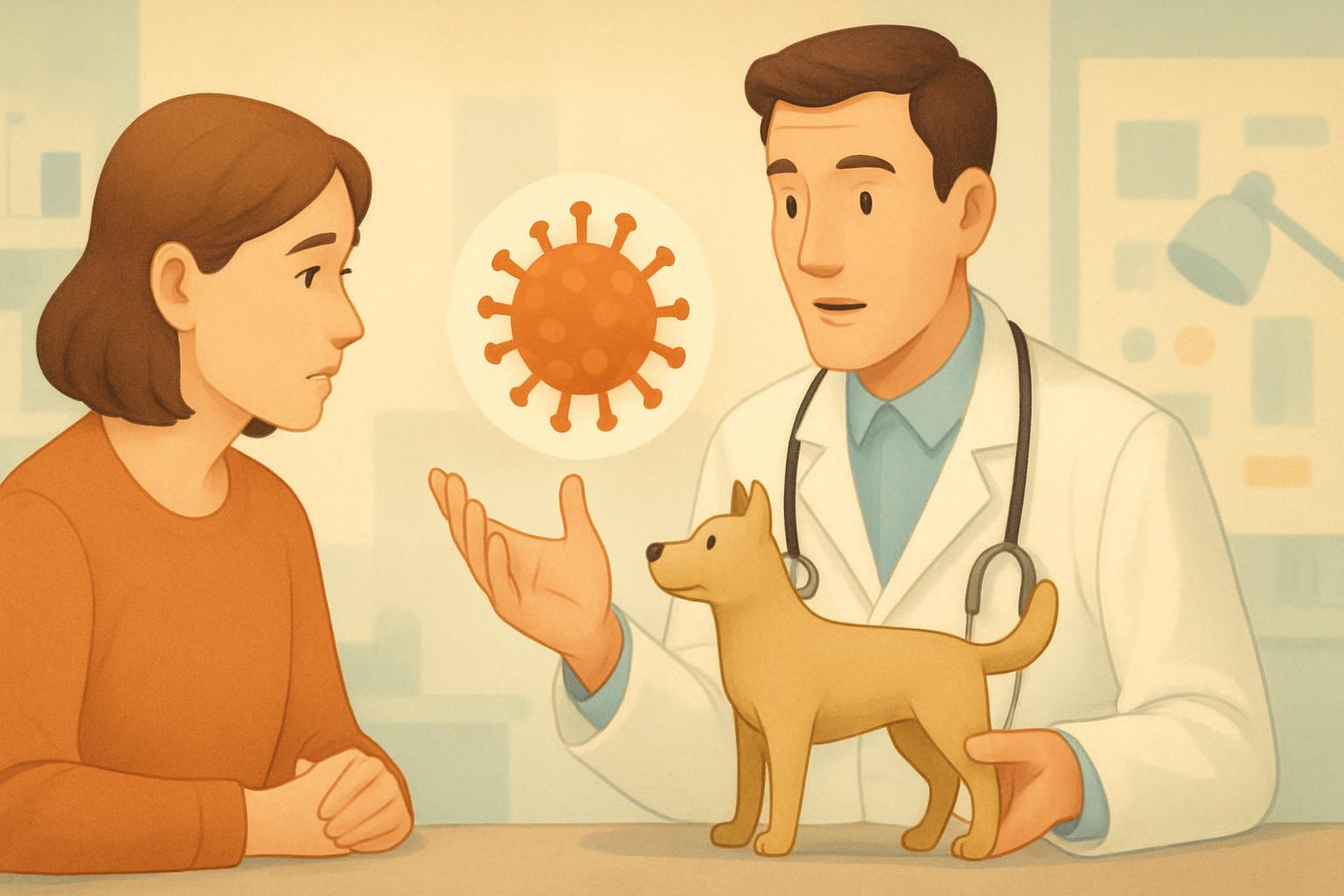
An illustration is not currently available for this term.
Definition
Definition
Rabies is a viral zoonotic disease caused by lyssaviruses that primarily affects the central nervous system of mammals, including humans. It is characterized by progressive encephalitis leading to neurological dysfunction and is almost invariably fatal once clinical symptoms appear. Rabies is distinct in its transmission through the saliva of infected animals, most commonly via bites.
Origin and Background
The term and concept of rabies emerged from the need to understand and manage a deadly neurologic infection transmitted from animals to humans, notably dogs. The disease’s recognition is grounded in both veterinary and medical fields due to its zoonotic nature and public health impact. Rabies classification evolved with advances in virology, distinguishing it as a rhabdovirus infection affecting neural tissue.
⚡ Key Takeaways
- Rabies is a neurotropic viral infection transmitted mainly by animal bites that leads to fatal encephalitis.
- Its primary practical consequence lies in the urgent need for post-exposure prophylaxis to prevent disease after exposure.
- The incubation period and symptom onset variability pose challenges to early diagnosis and intervention.
- Understanding rabies influences public health policies, veterinary control programs, and clinical risk assessments concerning animal exposure.
⚙️ How It Works
Rabies virus enters the body through breaks in the skin, most often via saliva from an infected animal bite. It initially replicates in muscle tissue near the entry site before invading peripheral nerves. The virus travels retrograde along nerve axons to the central nervous system, causing inflammation and dysfunction of the brain and spinal cord. Symptom manifestation marks widespread neural involvement, including behavioral changes, paralysis, and autonomic instability. The disease progresses rapidly to coma and death if untreated. Detection involves clinical assessment and confirmatory laboratory tests on saliva, cerebrospinal fluid, or brain tissue post-mortem in animals.
Types or Variations
Rabies virus exhibits limited genetic variation but exists within distinct lyssavirus genotypes with varying geographic distributions and host reservoirs. The classical rabies virus is the predominant cause of human infections worldwide. Variants are identified often by their specific animal reservoirs, such as canine, bat, or raccoon variants, which differ slightly in epidemiological patterns and transmission dynamics but cause similar clinical disease.
When It Is Used
Rabies is relevant in medical diagnostics following potential exposure to rabid animals, in veterinary medicine for animal health monitoring, and in public health for zoonotic disease control programs. The term is frequently used during risk assessments after animal bites in clinical settings, in vaccine development and deployment strategies, and in epidemiological surveillance to evaluate and contain outbreaks within human and animal populations.
Example
A person bitten by a stray dog develops fever and muscle spasms several weeks later. Medical evaluation considers the bite history and clinical signs, prompting administration of rabies post-exposure prophylaxis before symptom onset. Diagnostic tests on the dog’s brain post-mortem confirm rabies virus presence, validating the exposure risk and informing public health follow-up.
Why It Matters
Accurate identification and understanding of rabies are critical for preventing lethal human disease through timely prophylaxis. Misdiagnosis or delayed treatment results in nearly universal mortality. Rabies management affects resource allocation in healthcare and veterinary sectors, shapes public safety policies, and guides vaccination campaigns. Its zoonotic characteristic necessitates integrated human-animal health approaches to reduce transmission and safeguard populations.
⚠️ Common Mistakes
- Confusing rabies with non-rabies-related animal bites that do not require post-exposure prophylaxis.
- Assuming all animal bites carry equal risk, leading to either unnecessary treatments or insufficient interventions.
- Overlooking variable incubation periods, resulting in premature dismissal of exposure risk after symptom-free intervals.
Deeper Insight
Although rabies is almost always fatal once symptoms appear, the incubation period can range from days to months, influenced by factors such as bite location and viral load. This variability complicates clinical decision-making and surveillance. Additionally, some lyssaviruses closely related to rabies virus cause rabies-like diseases but may differ in vaccine effectiveness and pathogenesis, requiring nuanced understanding in diagnostics and control measures.
Related Concepts
- Post-Exposure Prophylaxis (PEP) – The preventive medical treatment administered after potential rabies virus exposure to avert disease development.
- Lyssavirus – The virus genus to which rabies virus belongs, encompassing multiple species with varied host ranges and pathogenicity.
- Zoonosis – Diseases, including rabies, that are transmissible from animals to humans, highlighting the importance of animal reservoir control.