
Understanding the Complexities of Male Pattern Baldness Treatments
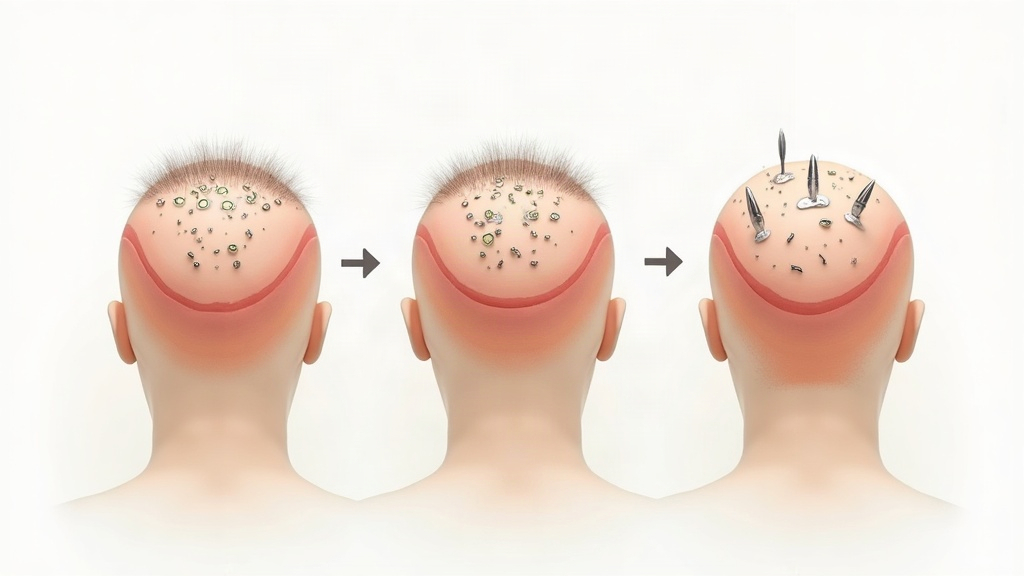
When it comes to male pattern baldness, many men are often caught in a web of conflicting information and strategies. The decision-making process surrounding hair loss treatments can be fraught with uncertainty. Numerous options, from topical solutions to surgical transplants, present their own unique promises and pitfalls. Unfortunately, the abundance of choices can lead to confusion about what is truly effective versus what is merely a persuasive marketing narrative.
Men frequently underestimate the long-term implications and realistic expectations tied to each treatment option. For instance, the desire for immediate results might overshadow the necessity of maintaining a consistent regimen over time. Additionally, the psychological aspects of hair loss can further complicate the decision, as many men grapple with their self-image and the impact of balding on their confidence. Thus, making informed choices often requires a deeper understanding of the nuances surrounding these treatments.
Clarifying the landscape of treatments—from pharmaceuticals like finasteride to procedures like hair transplants—demands more than surface-level advice. Readers may find themselves questioning the validity of testimonials and statistical success rates, highlighting the need for detailed insight into what these treatments can realistically achieve. Understanding these complexities is essential for anyone looking to navigate their options thoughtfully.
Why do many people believe that hair loss treatments work instantly?
The perception that hair loss treatments should yield immediate results is widespread but often misguided. Many advertisements promote fantastic, rapid transformations, leading men to expect miraculous changes overnight. In reality, most treatments require time and consistency to show any noticeable results. For instance, medications like finasteride can take three to six months before the user sees any changes, and these changes continue to develop over a longer period of consistent use.
This urgency can lead to frustration and disappointment, pushing individuals to abandon a treatment prematurely. Understanding the biology of hair growth is crucial here; hair follicles operate on a cyclical basis, and stimulating growth often involves lengthy processes of shedding and regrowth. Therefore, opting for a treatment under the expectation of instantaneous results can lead to misinformed decisions, ultimately hindering progress in managing hair loss.
It’s also important to distinguish between different types of treatments and their timelines for efficacy. For instance, topical solutions like minoxidil might show some initial results sooner than oral medications but come with their own set of uncertainties regarding effectiveness. Awareness of these timelines not only shapes realistic expectations but also encourages persistence in finding the right solution.
What do most people misunderstand about the effectiveness of over-the-counter treatments?
Over-the-counter treatments for male pattern baldness, such as shampoos and topical solutions, are often perceived as quick fixes that can halt hair loss entirely. However, many consumers overlook the limitations of these products, assuming that simply using them will lead to substantial hair regrowth. In truth, while some products may contain beneficial ingredients, their efficacy varies greatly depending on individual biology and the specific nature of hair loss.
One major misunderstanding is that these products can work for everyone equally. Hair follicles have differing sensitivities, and what works effectively for one person may yield no results for another. Additionally, many over-the-counter options are designed primarily to promote scalp health rather than directly combat hair loss, which might not meet a user’s expectations of hair regrowth.
Furthermore, the psychological component must be acknowledged; men may feel a sense of hope from these products, but those feelings can lead to disappointment if results don’t materialize. Instead of relying solely on these treatments, incorporating a multi-faceted approach—combining lifestyle changes, professional consultations, and possibly prescription options—can provide a more comprehensive path to managing hair loss.
How do expectations influence the choice between surgical and non-surgical options?
The choice between surgical and non-surgical options for treating male pattern baldness is often heavily influenced by individual expectations. Men who seek fast, visible results might gravitate toward surgical procedures like hair transplants, assuming these interventions can effortlessly resolve their concerns. However, the reality is that even surgical options come with recovery times and varying levels of success based on a person’s unique hair characteristics.
Conversely, those with more measured expectations might consider non-surgical solutions such as finasteride or minoxidil. These options usually require patience and long-term commitment, as results can take time and maintenance is crucial to preserve benefits. This distinction often reflects a person’s overall approach to their appearance; some prioritize an immediate solution, while others understand the need for ongoing management of hair health.
What are the hidden costs associated with hair loss treatments?
When considering treatments for male pattern baldness, many individuals focus solely on the initial costs associated with purchasing products or undergoing procedures. However, hidden expenses can quickly add up, impacting the overall financial commitment to hair loss management. For instance, treatments like minoxidil might require continuous purchases over years to maintain results, which can exceed the initial price of the product.
Surgical options often carry costs beyond the surgery itself. Post-operative care, potential follow-up procedures, and medications for recovery all contribute to the final bill. Many don’t account for these factors when initially budgeting, leading to surprises down the line. Additionally, the need for subsequent treatments or touch-ups, as results may not be permanent, adds another layer of expense that can go unnoticed.
Furthermore, men often neglect the psychological cost of these treatments. The emotional toll of failing to achieve desired outcomes can lead to further distress and frustration, impacting an individual's overall well-being. Understanding both the financial and emotional implications of various treatment options is vital in making informed, holistic decisions regarding hair loss management.
Is it actually better to start treatment early, or can I wait until I see noticeable thinning?
The timing of starting treatment for male pattern baldness is a critical consideration that comes with its own set of trade-offs. Many experts recommend beginning treatment at the first signs of thinning rather than waiting until hair loss becomes more pronounced. Early intervention can often yield significantly better outcomes as hair follicles in the initial stages of thinning are generally more receptive to treatment.
However, some men choose to delay treatment, mistakenly believing that waiting will provide better options down the line or that they’d evaluate the effectiveness of initial signs of baldness. This delay can lead to irreversible loss of hair follicles, which may limit the effectiveness of future treatments. Once hair loss reaches an advanced stage, options become more limited, and interventions often yield less satisfactory results.
How does lifestyle affect the effectiveness of hair loss treatments?
Lifestyle choices play a substantial role in the effectiveness of male pattern baldness treatments, yet this connection is often underestimated. Factors such as diet, stress levels, and overall health can directly influence hair growth and retention. For instance, a diet lacking in key nutrients may impede the body’s ability to support hair follicles, diminishing the impact of treatments like minoxidil or finasteride.
Moreover, high stress levels can lead to a condition known as telogen effluvium, where a significant amount of hair sheds due to physiological strain. This reality underscores the importance of adopting holistic health practices alongside treatment, as lifestyle adjustments can enhance overall results. Prioritizing mental well-being, engaging in regular exercise, and ensuring a balanced diet can create a supportive environment for any treatment to work effectively.
What are the long-term consequences of relying solely on one type of treatment?
Focusing exclusively on one type of hair loss treatment may seem straightforward, but it can lead to a range of long-term consequences that many men overlook. For instance, choosing to rely solely on oral medication like finasteride may initially appear effective, yet long-term use can result in side effects that diminish one’s quality of life, such as hormonal imbalances or sexual dysfunction.
Additionally, concentrating solely on one method can lead to a lack of hair diversity and adaptation; when a single approach eventually fails or loses effectiveness, the options for restoration become increasingly limited. This can reduce a person’s ability to explore multi-modal treatment options that might offer better outcomes, hampering the chances of successful hair retention or regrowth.
| Treatment Type | Effectiveness | Time to Results | Long-term Commitment | Potential Risks |
|---|---|---|---|---|
| Minoxidil (Topical) | Moderate | 1-3 months | High | Scalp irritation |
| Finasteride (Oral) | High | 3-6 months | Very High | Sexual side effects |
| Hair Transplant | High | 6-12 months | Medium | Possible complications |
| Laser Therapy | Low to Moderate | 3-6 months | High | Costly and time-consuming |
Navigating Treatments for Male Pattern Baldness: Understanding Your Options

Male pattern baldness is not just a cosmetic concern; it's a significant aspect of many men's lives that can affect self-esteem and body image. With a myriad of treatment options available, choosing the right one requires careful consideration of what truly works, what is backed by science, and what aligns with personal expectations. Quick fixes often lack the long-term effectiveness that a thoughtful approach can provide, so it’s essential to delve deeper into each option.
This journey isn’t just about stopping hair loss; it's also about managing your health and well-being holistically. Each treatment comes with its own set of benefits and drawbacks, which can complicate your decision. Understanding these factors is crucial, particularly in the context of aging and how hair loss can be perceived socially and emotionally. Here are eight key insights into treatments for male pattern baldness that will help clarify your choices.
-
Finasteride: The Widely Used Medication
Finasteride works by inhibiting the hormone dihydrotestosterone (DHT), which is a primary contributor to hair loss. While effective for many men, it does come with possible side effects that can vary from person to person.
It’s essential to understand that, while finasteride can help maintain existing hair and promote regrowth in some users, it may not work for everyone. Regular consultations with a healthcare provider can help navigate these outcomes.
-
Minoxidil: An Over-the-Counter Option
Minoxidil is a topical solution that is effective for some individuals experiencing hair loss. Unlike finasteride, it works by increasing blood flow to hair follicles.
Many users find success in applying minoxidil daily, but it requires consistent use for optimal results. Moreover, stopping the treatment leads to a reversal of benefits, making adherence critical.
-
Hair Transplant Surgery: A Permanent Solution
This surgical option involves relocating hair follicles from a donor site to bald or thinning areas. While it can provide immediate and natural-looking results, the cost and recovery time can be substantial.
This video showcases a hair transplant procedure, providing visual insight into what the experience entails. Understanding this process can clarify the complexities involved and help set realistic expectations, especially regarding recovery and results.
-
Low-Level Laser Therapy (LLLT): Innovative Technology
LLLT is a non-invasive procedure that stimulates hair growth using specific wavelengths of light. This method is gaining traction due to its painless nature and minimal side effects.
Users often report improvement after several sessions, but results can vary, and this treatment may not be a standalone solution.
-
Supplements: Supporting Hair Health
Various supplements claim to enhance hair growth, focusing on ingredients like biotin, zinc, and saw palmetto. While they may contribute to overall hair health, current research lacks definitive support for their efficacy in combating male pattern baldness.
Consulting with a healthcare provider before adding any supplement to your routine is advisable, as individual needs and conditions vary.
-
Scalp Micropigmentation: Camouflage Technique
This cosmetic tattooing technique involves creating the illusion of a shaved head or denser hair. It’s an appealing choice for individuals who prefer a non-surgical, low-maintenance way to cover thinning hair.
The video provides a glimpse into the scalp micropigmentation process and its results. Understanding this alternative treatment can empower viewers to consider each option methodically, integrating personal aesthetics into their decision-making process.
-
Platelet-Rich Plasma (PRP) Therapy: Emerging Treatment
PRP therapy involves injecting platelets from your blood back into the scalp to stimulate hair growth. This procedure is still being researched, with varying results across different patients.
While some patients see positive effects, PRP may not be suitable for everyone, and ongoing treatments are typically necessary for sustained results.
-
Emotional and Psychological Considerations
Hair loss can lead to significant emotional distress. Understanding that this is a common experience can help men navigate their feelings and seek appropriate support. Connecting with others in similar situations can provide valuable emotional relief.
Moreover, therapy and support groups might provide a safe space for men to discuss their experiences, helping to mitigate the psychological impact of hair loss.
| Treatment | Method | Cost | Effectiveness | Considerations |
|---|---|---|---|---|
| Finasteride | Oral Medication | Low to Moderate | Varied | Possible side effects |
| Minoxidil | Topical Solution | Low | Moderate | Requires daily use |
| Hair Transplant | Surgical Procedure | High | High | Recovery time |
| LLLT | Light Therapy | Moderate | Varied | Multiple sessions required |
| Supplements | Ingestion | Low | Limited | Consultation recommended |
| Scalp Micropigmentation | Cosmetic Tattooing | Moderate | Varied | Non-permanent option |
| PRP Therapy | Injection Therapy | High | Varied | Ongoing treatments needed |
| Emotional Support | Therapy/Groups | Varies | Varied | Valuable for mental health |
Effective Strategies to Manage Male Pattern Baldness
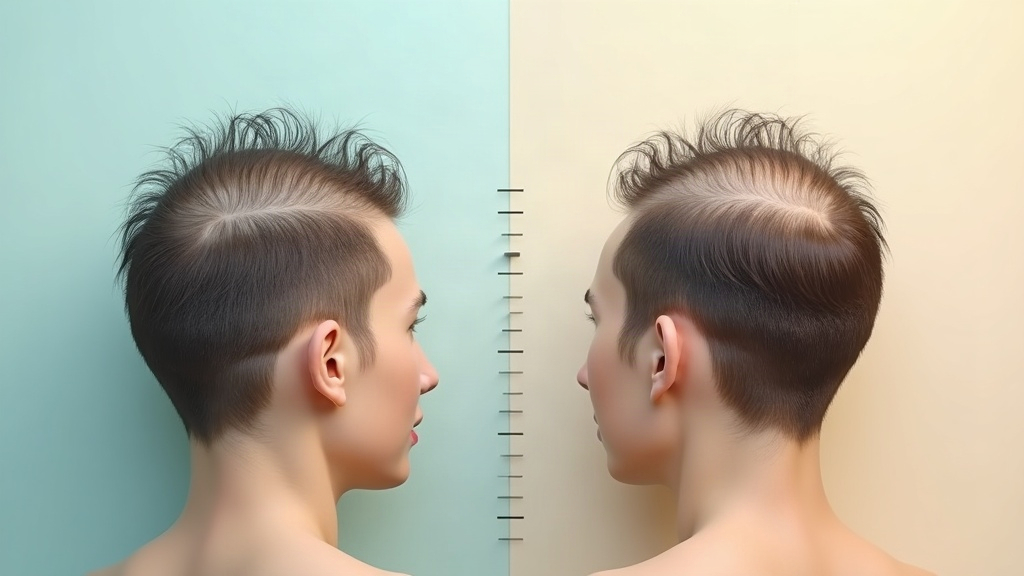
Navigating the waters of male pattern baldness can be daunting for many men, typically due to overwhelming options and mixed messages about effective solutions. Feeling anxious about one’s appearance contributes significantly to the struggle; the emotional toll can inhibit decisiveness and proactive measures. Additionally, not knowing the nuances between treatments—ranging from over-the-counter medications to advanced surgical procedures—adds another layer of confusion that many find hard to tackle. Misunderstanding the expected outcomes of these interventions can also lead to frustration and disappointment.
However, taking measured action and understanding the reality of hair loss can be transformative. Correct execution in choosing and using various treatments directly affects the results, turning potential pitfalls into manageable steps. Investing time in understanding each option can lead to more effective solutions and realistic expectations. Let's delve into actionable strategies that will empower you to address male pattern baldness effectively.
1. Identify the Cause of Hair Loss
Before you proceed with treatments, it's essential to understand the underlying causes of hair loss. Male pattern baldness, or androgenetic alopecia, is often genetic but can be influenced by hormonal changes, environmental stress, and underlying health conditions. Identifying the root cause is crucial, as it influences the effectiveness of potential treatments. For example, hair loss due to hormonal imbalances may respond better to certain therapies than those rooted in genetic factors.
Furthermore, consulting a healthcare professional can aid in diagnosing the specific type of hair loss you’re experiencing. They can provide a clear picture of the factors at play, helping you make informed decisions about treatment alternatives. Skipping this step might lead to misguided choices that yield minimal results.
2. Consider Medication Options
Medications such as finasteride and minoxidil are cornerstones in the treatment of male pattern baldness. Finasteride, an oral prescription, works by inhibiting the conversion of testosterone into dihydrotestosterone (DHT), a hormone linked to hair loss. On the other hand, minoxidil is a topical solution applied directly to the scalp that stimulates hair follicles and promotes growth.
While these medications can be effective, they also come with potential side effects. For instance, finasteride can lead to sexual dysfunction in some users, which is a serious trade-off to consider. Understanding these medications' benefits and risks is crucial. Regular follow-ups with your healthcare provider during treatment can help you assess the effectiveness and make adjustments as needed.
3. Explore Non-Invasive Treatments
Alongside pharmaceuticals, non-invasive options such as low-level laser therapy (LLLT) and platelet-rich plasma (PRP) therapy are gaining popularity. LLLT is known to stimulate hair follicles through light energy. PRP therapy, on the other hand, involves drawing your blood, processing it, and injecting the concentrated platelets back into your scalp to promote hair growth.
These treatments pose fewer side effects than surgical options and can be excellent adjuncts to pharmacological treatments. However, they also often require multiple sessions and may not yield immediate results. The investment in time and money is significant, which needs careful consideration. Balancing these factors against your expectations helps ensure a more satisfactory experience.
4. Investigate Hair Transplant Surgery
If medications and non-invasive treatments do not provide the desired results, hair transplant surgery could be a viable option. These procedures, such as follicular unit transplantation (FUT) and follicular unit extraction (FUE), involve relocating hair follicles from a dense area to the balding areas of the scalp.
While hair transplants can deliver dramatic results, they are not without risks, including infection and scarring. Moreover, it’s essential to have realistic expectations—full restoration may not always be possible, and results can vary significantly based on individual anatomy and hair characteristics. Thorough research and consultations with qualified professionals are critical to navigate these complexities effectively.
5. Make Lifestyle Adjustments
Integrating healthy lifestyle choices can complement treatment strategies. Maintaining a balanced diet rich in vitamins and minerals can support hair health. Nutrients such as biotin, zinc, and protein play a pivotal role in hair growth, while stress management techniques can reduce hair loss triggered by anxiety.
Natural remedies like essential oils, scalp massages, and supplements can also be considered. However, it's vital to approach these methods with caution and skepticism, as they often lack the rigorous research backing conventional treatments. Evaluating their effectiveness by tracking improvements over time can help you make more informed decisions.
6. Manage Your Expectations Realistically
Understanding that hair regrowth varies from person to person is critical. Many men experience varying degrees of success, and factors like age, genetics, and the extent of hair loss can all influence outcomes. Recognize that while some treatments may initiate regrowth or stabilize loss, not all methods guarantee full restoration.
Tracking progress realistically rather than expecting overnight results can help maintain motivation. Celebrating small wins, such as stabilization of further loss or slight regrowth, will cultivate a more positive outlook. Regular consultations as you embark on your treatment journey allow for adjustments based on your response and help to keep frustration at bay.
This video illustrates various treatment options for male pattern baldness and showcases results from real users. It connects the different approaches discussed by providing visual evidence and testimonials, reinforcing the message that not all treatments yield the same outcomes.
| Type of Treatment | Effectiveness | Side Effects | Cost |
|---|---|---|---|
| Medications (Finasteride & Minoxidil) | Moderate | Sexual dysfunction, scalp irritation | Low to Moderate |
| Non-Invasive Therapies (LLLT, PRP) | Variable | Minimal (mostly local irritation) | High |
| Hair Transplant Surgery | High | Infection, scarring | Very High |
This second video offers personal stories and deeper insights into the daily lives of individuals coping with male pattern baldness. By showcasing their experiences, it emphasizes the emotional and mental aspects of hair loss and highlights the importance of approaching treatment holistically.
Common Mistakes in Addressing Male Pattern Baldness
- Rushing into treatments without proper consultation.
- Ignoring the importance of a balanced diet and lifestyle.
- Expecting immediate results without understanding treatment timelines.
- Discontinuing treatments prematurely due to lack of instant gratification.
- Choosing unverified or anecdotal remedies over researched options.
Evaluating Your Progress
To gauge the effectiveness of your chosen treatment, regular evaluation is essential. Progress can be measured not just in terms of hair growth but in overall satisfaction and feelings of confidence. Keeping a visual diary or logs of your journey can poignantly highlight changes over time.
Remember, the journey to manage male pattern baldness involves uncertainties and can be emotionally charged. Balancing short-term expectations with long-term goals may not just yield better outcomes, but it may improve your overall well-being as you navigate this deeply personal journey.