
Unpacking the Essentials of Your Annual Physical
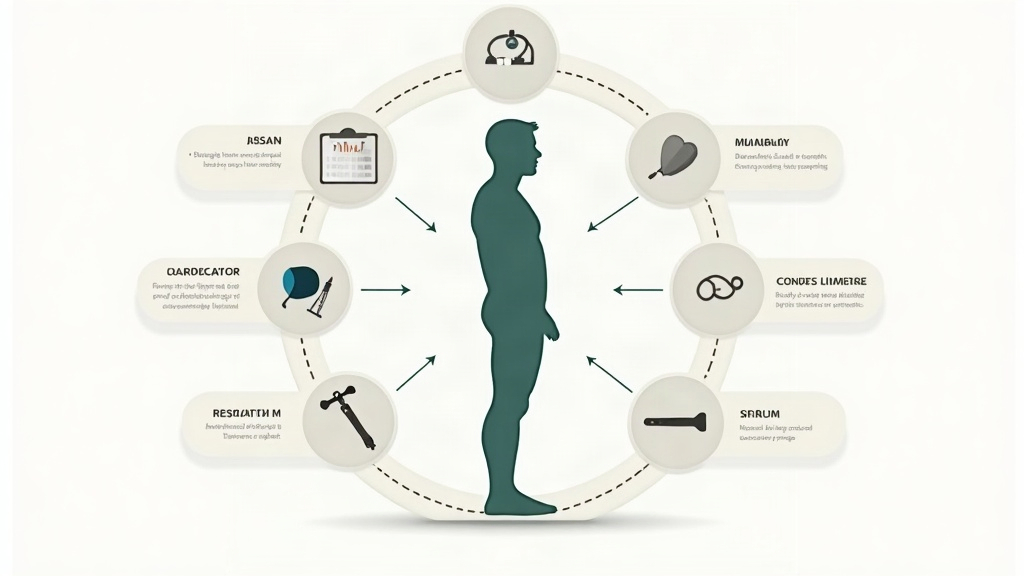
Annual physicals often go overlooked as mere checkboxes on the health to-do list, but they hold intricate layers of significance that can be easily misunderstood. Many men approach their annual appointments with a limited mindset, thinking of them solely as a time for blood tests or to check off their insurance requirements. However, these visits represent a unique opportunity to cultivate a deeper, more nuanced dialogue around individual health, lifestyle factors, and preventative measures. Exploring the wealth of knowledge available during these check-ins can transform them from routine appointments into a cornerstone of proactive health management.
Decisions made during annual physicals can often pivot on overlooked details. For example, while some men might think they shouldn't bring up personal health concerns unless directly asked, this misconception can hinder valuable conversations about key issues like mental health, diet, and physical activity. Moreover, the reluctance to share personal health experiences can lead to missed opportunities for vital screenings and preventative advice tailored to their unique profiles. As a result, simplifying these discussions to surface-level exchanges can obscure the potential benefits of a thorough consultation.
Ultimately, the complexity of what to discuss during an annual physical isn't just about ticking boxes over lab results; it encompasses the broader implications of health choices and lifestyle adjustments. Misunderstandings and hesitancies around discussing less common topics such as emotional well-being or family medical history can lead to a fundamental lack of engagement with one’s health. Proactive dialogues can help develop informed strategies that may significantly enhance long-term health outcomes, making it crucial to approach these discussions mindfully.
Why do many people assume annual physicals are simply routine checks?
The perception of annual physicals as merely routine can stem from cultural norms and a lack of education on what these appointments can truly entail. The common narrative of “just doing it because it’s what you’re supposed to do” can overshadow the profound impact of these visits. Many assume these check-ins are all about the basics: checking weight, blood pressure, and cholesterol levels. However, this simplistic understanding discounts the opportunity for comprehensive evaluations involving mental health assessments, lifestyle discussions, and preventive practices that cater to individual health needs.
Over time, this routine mindset can lead to a reliance on healthcare providers to initiate critical conversations. Men may feel hesitant to voice their concerns, thinking it’s the provider’s job to guide the discussion. This waiting approach often misses essential nuances surrounding their personal health experiences. Consequently, it’s essential for men to come prepared with questions or topics they wish to discuss. By taking charge of their health dialogue, men can encourage a more dynamic exchange and ensure their unique perspectives are heard and appreciated.
Part of overcoming this perception involves understanding the health implications behind each discussion topic during an annual physical. For instance, talking about mental health, nutrition, and family histories are crucial parts of finding and addressing risk factors. Ultimately, recognizing that an annual physical is much more than just a routine check can empower men to take a more active role in managing their health journeys.
What happens when men neglect to discuss mental health during their physicals?
Neglecting discussions about mental health during annual physicals can have long-term repercussions that extend far beyond the exam room. Mental health is intimately entwined with physical well-being, and failing to address it can impede overall health outcomes. Men often grapple with the societal stigma around discussing emotional struggles, leading them to dismiss these conversations altogether. This avoidance can result in untreated anxiety, depression, or stress-related illnesses, which may manifest physically and lead to other chronic health conditions.
The consequences of neglecting mental health dialogues during annual physicals often materialize when men finally do seek treatment—often at a crisis point rather than through preventive care. This reactive approach can not only complicate recovery but also lead to an unnecessary cycle of treatment rather than constructive management of emotional well-being. Moreover, the lack of awareness regarding resources or coping mechanisms may inhibit personal growth and emotional stability.
On the flip side, engaging in open discussions about mental health can lay the foundation for a supportive relationship with healthcare providers. These dialogues can unveil coping strategies and encourage healthier lifestyle choices that have a positive impact on both mental and physical health. Recognizing mental health as an essential component of holistic wellness positions men to thrive in their health journeys.
How does discussing family medical history influence health outcomes?
Family medical history often emerges as a pivotal point during annual physicals, yet many men overlook its far-reaching implications. Understanding your family's health background can unearth potential risk factors for hereditary conditions such as heart disease, diabetes, or certain cancers. Sharing this information with healthcare providers enables tailored recommendations, screenings, or preventive measures that directly align with individual risk levels.
Moreover, failing to accurately report family medical history can obscure it from consideration in health strategies. For example, if a patient’s father suffered from heart issues, the doctor may suggest more aggressive monitoring or management of cholesterol levels. Ignoring this aspect could lead to a misguided approach to both preventive care and lifestyle adjustments, resulting in missed opportunities for early intervention.
Therefore, discussing family medical history is more than just a simple conversation; it’s a flag that can indicate necessary changes in lifestyle or additional screenings. By approaching this conversation thoughtfully, men can take proactive steps in mitigating their health risks and improving their overall outcomes.
Is it actually better to limit questions during an annual physical?
Many men believe that asking fewer questions during an annual physical may translate to a more efficient visit. However, this assumption can lead to missed connections and essential discussions that could enhance health outcomes. Limiting inquiries fosters a passive stance and implies a reluctance to engage with personal health matters, potentially resulting in vital aspects of care going unaddressed.
The benefits of asking questions are twofold. First, they empower men to take ownership of their health, ensuring their needs and concerns are prioritized. Second, they lead to richer dialogues that can uncover critical insights. For instance, a question about weight management can evolve into a discussion on lifestyle changes, dietary habits, and even stress management, connecting the dots between various health facets.
Furthermore, an active dialogue can strengthen the patient-provider relationship, making it a two-way street that fosters trust and openness. By engaging proactively in the conversation, men are more likely to receive tailored advice and recommendations that resonate with their unique health circumstances. Overall, opening up the floor to questions can turn an annual physical from a perfunctory task into a valuable opportunity for growth.
What do most people misunderstand about the significance of preventative care?
The misinterpretation of preventative care often lies in the belief that it's solely for those who are already experiencing health issues. This misconception diminishes the broader significance of taking proactive steps to safeguard health before problems arise. Regular check-ups, screenings, and discussions during annual physicals serve to intercept potential health issues early, potentially reversing or lessening their impact.
Moreover, many people exude confidence in their health status and dismiss the need for preventative care. However, this false sense of security can be detrimental. An annual physical offers an opportunity for professional oversight, revealing underlying conditions that may not yet be symptomatic. Discovering such issues in their earliest stages could make a substantial difference in treatment efficacy and overall health management.
How can lifestyle changes addressed during physicals impact long-term health?
During annual physicals, conversations often arise around lifestyle changes such as diet, exercise, and stress management, which can significantly impact long-term health outcomes. Despite being commonplace topics, the power of lifestyle modifications cannot be overstated. They serve as the first line of defense against a multitude of health risks that many men may face, particularly as they age.
For example, in addressing sedentary behavior, healthcare providers can guide men on incorporating physical activity into their routines. Research consistently shows that regular exercise reduces the risk of chronic conditions such as heart disease, obesity, and diabetes. However, the motivation to change often stems from direct discussions around these issues during annual physicals, reinforcing their importance.
Moreover, dietary recommendations can lead to a cascading effect on overall health. Engaging in these dialogues can nudge men to adopt healthier eating habits, which not only benefit physical health but can also improve mood and mental well-being. Establishing personalized strategies for lifestyle changes driven by well-informed discussions during physicals ultimately sets the stage for a much healthier future.
What are the consequences of assuming all health topics are covered adequately by default?
The assumption that all health topics are covered sufficiently within the scope of an annual physical can lead to chronic oversights that could have been easily avoided. By defaulting to this mindset, men may inadvertently neglect important facets of their health that warrant discussion, such as sexual health, mental wellness, or unique lifestyle factors. This oversight can perpetuate a lack of comprehensive understanding of one’s health and further distance men from crucial preventative care processes.
Each individual’s health narrative is distinct, and not addressing personal topics of concern can lead to disconnection from their healthcare journey. For example, issues surrounding sexual health often remain unspoken during physicals due to discomfort or stigma. Consequently, these critical elements can remain unaddressed, leading to potential health challenges that could have been navigated more effectively given an open dialogue.
In any health system, the onus is on both the provider and the patient to foster an environment of mutual engagement and understanding. Questioning and conversing about all possible health topics is essential in ensuring that annual physicals provide the holistic care they truly should represent. Prioritizing a comprehensive dialogue not only informs better individual health decisions but also shapes a more engaged and aware patient populace.
What to Discuss During Your Annual Physical: Key Topics for Men

Annual physicals are a crucial component of maintaining overall men's health. They provide a dedicated opportunity to connect with your healthcare provider and address any health concerns or goals. Engaging in meaningful dialogue during these appointments allows for proactive health management, from preventive screenings to lifestyle choices. Understanding the intricate topics to cover ensures that you maximize the potential of each visit.
Though the notion of an annual physical may seem straightforward, the reality is layered with complexities that can significantly affect your long-term well-being. Today’s healthcare landscape necessitates a thoughtful approach, considering not just current health status but also preventive measures and future risks. Delving into specific issues can enhance understanding and foster an environment of informed decision-making.
-
Understanding Your Family Health History
Igniting a conversation about your family health history can unearth crucial insights. This information sets the stage for understanding potential hereditary risks, such as heart disease, diabetes, or certain cancers.
It’s insightful to note patterns and discuss how they relate to your lifestyle choices, which can aid your provider in tailoring preventive strategies uniquely suited to you.
-
Necessary Screenings and Tests
Speak with your provider about essential screenings pertinent to your age and health profile. Common tests include cholesterol checks, blood pressure monitoring, and prostate exams.
Prioritize understanding what each test involves and why it matters for your overall health strategy. Staying informed helps you actively engage in your preventive healthcare plan.
-
Physical Activity and Exercise Plans
Discuss your current level of physical activity and seek advice on creating an effective exercise plan. Exercise is vital for maintaining cardiovascular health, muscle strength, and mental wellness.
This video highlights the importance of regular exercise and how it influences various aspects of health. It provides encouragement to incorporate more activity into daily routines, setting the tone for a healthier lifestyle. By evaluating your exercise habits, you can work with your provider on attainable fitness goals.
-
Nutrition and Dietary Habits
Discussing nutrition can illuminate how diet directly influences your health. It is vital to evaluate your eating habits, including the proportion of fruits, vegetables, and processed foods in your diet.
Based on your lifestyle and goals, your healthcare provider may suggest dietary adjustments or recommend consulting a nutritionist for more specialized guidance.
-
Mental Health Awareness
Don’t shy away from discussing mental health during your physical. Mental wellness is intertwined with physical health, and providers are increasingly focusing on this aspect of care.
Whether you're experiencing stress, anxiety, or other emotional challenges, bringing these issues to light may lead to valuable resources or therapies that are available to you.
-
Substance Use and Lifestyle Choices
A candid discussion about smoking, alcohol consumption, or recreational drugs is beneficial. Acknowledging these habits can help your provider assess risk factors for various health issues.
This video emphasizes the power of prevention and how lifestyle choices significantly impact longevity and quality of life. By tackling uncomfortable subjects like substance use, you demonstrate commitment to better health outcomes and a proactive stance on wellness.
-
Chronic Conditions Management
If you have pre-existing chronic conditions, your annual physical is a perfect time to discuss management strategies. This dialogue can help establish a coordinated approach, ensuring your ongoing care aligns with best practices.
By regularly reviewing your treatment plan, you empower yourself with knowledge and accountability, setting the stage for improved health outcomes.
-
Setting Health Goals
Take the opportunity to set achievable health goals with your provider. This could involve weight management, fitness milestones, or even mental wellness objectives.
Collaborative goal-setting can enhance motivation and create a sense of partnership in your health management journey.
| Topic | Importance | Action |
|---|---|---|
| Family Health History | Identifies hereditary risks | Share openly with your provider |
| Screenings and Tests | Prevents serious health issues | Discuss necessary tests |
| Exercise Plans | Enhances overall physical health | Set tangible fitness goals |
| Nutrition | Impacts physical and mental health | Review your diet |
| Mental Health | Crucial for holistic wellness | Discuss openly with your provider |
| Substance Use | Affects multiple health dimensions | Be candid about habits |
| Chronic Conditions | Ensures effective management | Review treatment plans |
| Health Goals | Provides motivation for change | Establish goals with your provider |
Maximizing Your Annual Physical: Key Topics to Discuss

Many men encounter hesitation when it comes to making the most of their annual physicals. This can stem from a variety of factors, including uncertainty about what to discuss with their healthcare provider, feeling rushed during appointments, or simply not valuing these check-ups as essential. However, each of these appointments serves as a critical opportunity to address health concerns, preventive measures, and overall well-being. Engaging thoughtfully in these discussions can lead to better health outcomes and a greater understanding of your body.
Understanding what to cover during your visit is crucial. Men often struggle to communicate their health needs, leading to missed opportunities for screening and discussion on topics ranging from metabolic health to emotional well-being. Addressing this can feel daunting, especially if you’re unsure about what questions to ask or what to prioritize. However, by equipping yourself with specific topics to cover, you can effectively guide the conversation and make the most out of each appointment.
1. Discuss Your Family Medical History
Begin by sharing your family's medical history with your provider. Conditions such as heart disease, diabetes, or certain cancers can have a hereditary component. Your doctor can recommend screenings based on your family background, alerting you to potential risks that may not be on your radar. This information can lead to proactive measures, such as lifestyle changes or earlier check-ups.
Don't hesitate to ask clarifying questions about how your family history impacts your health. Understanding these connections can help you appreciate your risk profile and the significance of monitoring specific health markers. Ignoring your family history can lead to surprises down the road; being informed is key to proactive health management.
2. Assess Lifestyle Factors
Your lifestyle has a profound impact on your overall health, so be prepared to discuss your current habits. Topics such as diet, exercise, alcohol consumption, and smoking should be on your list. Engaging in these conversations can help your healthcare provider address risk factors and tailor advice that suits your lifestyle.
For instance, if you're struggling with weight management, your doctor can suggest appropriate nutrition plans or fitness regimens. Avoid the misconception that you need to have everything figured out before discussing these factors; your provider is a partner in your health journey and can offer guidance to improve your habits.
3. Screenings and Preventive Tests
Staying up-to-date on screenings is an essential part of preventive healthcare. Discuss which tests are appropriate for your age and health background, including cholesterol levels, blood pressure, diabetes screening, and tests for sexually transmitted infections. Being aware of what screenings you may need can prevent health issues before they escalate.
Many men overlook regular screenings; not asking about them could lead to detect issues that could impact long-term health. Remember that it’s your right to ask about any tests you feel uncertain about; don’t shy away from advocating for your health needs in this context.
4. Mental and Emotional Health Check
Men often overlook mental health when it comes to physicals; however, discussing your emotional well-being is just as vital as talking about physical health. Don’t hesitate to express any feelings of anxiety or depression you might be experiencing. Regular discussions about mental health can help your provider recommend appropriate resources or interventions to support your mental wellness.
Being open about your mental health is crucial. Remember, mental and emotional difficulties can manifest physically, affecting everything from sleep to energy levels. Maintaining this dialogue is a sign of strength and ensures that both your physical and emotional needs are being addressed.
5. Update on Medications and Allergies
During your physical, provide an updated list of any medications you're currently taking, including over-the-counter drugs and supplements. This information is crucial for your provider to avoid drug interactions and to adjust dosages when necessary. Also, inform them of any allergies or sensitivities you’ve developed since your last visit.
Failing to share this information can lead to adverse reactions or ineffective treatment plans. Your health provider needs accurate information to provide the best care, so transparency in medication management is key.
6. Set Health Goals Together
Your annual physical is the perfect time to set or reassess your health goals. Discuss what matters most to you, whether that’s improving your fitness level, managing a chronic condition, or enhancing your diet. Your provider can help translate these goals into achievable plans and milestones, creating a road map for the upcoming year.
By having this discussion, you can hold yourself accountable while receiving guidance tailored to your specific needs. It’s about fostering a collaborative relationship with your provider that prioritizes your health and personal goals.
7. Prioritize Follow-Up Needs
At the end of your appointment, confirm any follow-up needs, whether it’s additional screenings, referrals to specialists, or health resources. Knowing what to expect in the year to come can help you stay organized and committed to your health journey.
Don’t leave your appointment feeling uncertain. Clarify timelines for follow-ups and any recommended changes. Keeping a proactive attitude toward your health will pay dividends in the long run.
This video illustrates the importance of preparing for your annual physical, highlighting key topics to cover. It underscores the idea that an active, engaged approach to these conversations enhances your healthcare experience, equipping you with the tools necessary for lifelong health and wellness.
| Topic | Benefits | Missed Opportunities |
|---|---|---|
| Family Medical History | Informed screening decisions | Ignoring hereditary risks |
| Lifestyle Factors | Personalized health strategies | Stagnant habits |
| Screenings | Early detection & prevention | Unknown health issues |
| Mental Health | Holistic care | Neglected emotional needs |
| Medication Updates | Prevention of interactions | Ineffective treatment |
| Health Goals | Enhanced motivation | Lack of direction |
| Follow-Up Needs | Accountability and planning | Pending health concerns |
This table outlines essential discussions to have during your visit, alongside their benefits and potential missed opportunities. Recognizing these trade-offs can empower you to engage more thoughtfully with your healthcare professional, leading to a more comprehensive understanding of your health.
This second video provides additional insights on how to effectively communicate your health goals during your annual physical. It emphasizes the significance of being proactive and asking the right questions to foster a collaborative environment with your healthcare provider.
Common Mistakes to Avoid
- Failing to prepare a list of topics to discuss.
- Not being open about mental health challenges.
- Ignoring the importance of follow-ups and screenings.
- Neglecting to mention changes in medications or allergies.
- Underestimating the value of family medical history.
- Assuming the provider will bring up all necessary topics.
Measuring Your Health Journey
To evaluate your progress after each annual physical, consider establishing measurable health goals that can be tracked over time. For instance, if weight management is important, keeping a log of your weight changes or dietary adjustments can provide concrete data on your progress. Alternatively, if you’re focused on exercise, setting specific fitness milestones can allow you to measure your performance effectively.
Acknowledge that health is an ongoing journey. Short-term improvements may occur, but the key to lasting wellness is in the long-term commitment to change. Manage your expectations by recognizing that fluctuations and setbacks are natural. Approach your health goals with patience and a willingness to adapt as necessary, fostering resilience as you strive for better overall health.