
Understanding the Nuances of Skin Types and Conditions
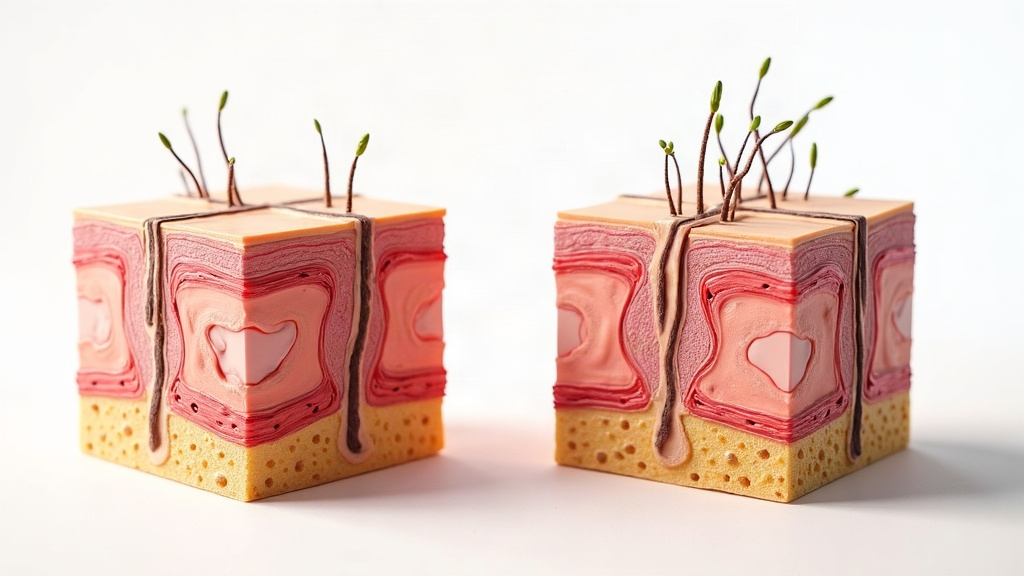
Many people often conflate the concepts of skin type and skin condition, leading to confusion when selecting skincare products. Skin type generally refers to inherent characteristics that remain stable over time, such as oily, dry, sensitive, or combination skin. Conversely, skin conditions, which can include acne, eczema, or rosacea, may fluctuate based on factors like environment, diet, or specific triggers. This fundamental distinction is often misunderstood, yielding misguided product choices that fail to address individual skin needs.
Understanding these nuances is essential for anyone looking to achieve optimal skin health. The complexity arises from the interaction between skin type and various conditions individuals may experience. For instance, a person with oily skin might also struggle with a dry skin condition due to environmental factors. Hence, a one-size-fits-all solution can be detrimental. Advisors and dermatologists alike emphasize the importance of tailoring routines based on a thorough understanding of both skin type and condition.
Simple advice often overlooks the intertwined realities of skin biology. The effectiveness of a product can hinge not just on its ingredients, but also on a keen awareness of how these ingredients interact with one's unique skin attributes. By understanding both the type and any existing conditions, individuals can make well-informed choices, leading to better outcomes and healthier skin. Let’s delve into some nuanced questions surrounding these important distinctions.
Why do many people choose products based on skin type alone?
Many consumers default to identifying their skin as oily, dry, or sensitive, leading them to select products that cater exclusively to that classification. This approach can be appealing due to its simplicity but is fraught with risks. Skin types are largely defined by genetic factors and tend to remain relatively constant, yet conditions can change frequently. A moisturizer designed for dry skin may not account for underlying conditions such as dermatitis, leading to further irritation.
Moreover, the beauty industry heavily markets products in a way that encourages this skin type categorization. Advertisements often highlight essential distinctions while neglecting the nuances involved in skin conditions. Thus, consumers may simply find it easier to rely on these broad categories rather than invest the time to understand the complexities of their skin.
Ultimately, this oversimplification can lead to trial and error as users find themselves purchasing multiple products that do not align with their unique skin needs. Recognizing the interplay between skin type and condition could steer consumers toward more appropriate solutions that yield long-lasting results.
What do most people misunderstand about combination skin?
Combination skin presents unique challenges that often baffle those who classify themselves under its umbrella. The misconception is usually that you can treat all areas similarly, which is a complex oversimplification. For instance, the T-zone in combination skin might be oily, while the cheeks are dry or sensitive. A product targeted for one area may exacerbate the issues in another.
This misunderstanding can lead to the all-too-common pitfall of using harsh treatments aimed at oily skin, which can cause irritation and exacerbate dryness in other areas. Additionally, the vast array of products geared towards "all skin types" may not be as effective in addressing specific issues present within combination skin. Individual zones may require customized care, complicating the decision-making process.
Consumers often benefit from an awareness that combination skin necessitates a more focused and dissected approach to skincare. By identifying which areas require different care, individuals can seek products that cater specifically to their unique combinations, resulting in a more balanced and healthy complexion.
How do skin conditions influence the choice of skincare products?
Skin conditions can profoundly impact the effectiveness of skincare products, making selection pivotal. For instance, those with acne-prone skin may instinctively avoid oils, believing they will exacerbate breakouts. However, certain oils, like jojoba or tea tree oil, can effectively treat acne while balancing skin moisture levels. Misunderstanding which products positively or negatively impact skin conditions can lead to unnecessary struggles.
Long-term use of unsuitable products can aggravate existing conditions. For example, a person with rosacea may apply products targeting oily skin only to find that the active ingredients intensify redness and irritation. This misstep can lead to a vicious cycle where the attempt to address one issue inflates another.
The critical takeaway is that skincare product selection should be informed by the individual’s conditions as much as by their skin type. Understanding how certain ingredients react with specific conditions can greatly improve one’s skincare routine, ultimately leading to healthier skin outcomes.
What happens when you neglect to consider skin sensitivity?
Neglecting skin sensitivity when selecting products can lead to immediate and long-term consequences. Sensitivity affects how the skin reacts to various ingredients, potentially resulting in redness, itching, or more severe reactions. For instance, using highly fragrant products may be appealing but could provoke irritation in those with sensitive skin.
A lack of attention to sensitivity can also exacerbate conditions such as eczema or rosacea, prolonging discomfort and complicating the healing process. The initial impulse may be to explore more potent formulations designed to address other concerns, like anti-aging or acne, yet these often contain harsh ingredients unsuitable for sensitive skin.
Ultimately, individuals should adopt a holistic view when considering their skin's reactions. Testing products on a small skin area and opting for fragrance-free, hypoallergenic options may be prudent strategies. This cautious approach helps avoid overwhelming sensitive skin while allowing for targeted treatments tailored to specific concerns.
Is it actually better to focus on skin type or condition first?
This question highlights a key debate in skincare: should one prioritize skin type or condition when making selections? Ideally, both should be considered simultaneously. Focusing solely on skin type can lead to frustrating and unproductive results, while approaching care exclusively through the lens of conditions can similarly mislead users into unsuitable product choices.
In practice, combining insights about both elements allows for a more nuanced understanding. For example, if your skin is classified as oily yet prone to eczema, you may seek lightweight moisturizing options that provide hydration without contributing to excess oil production. Ignoring either element can lead to unfavorable results.
The most meaningful skincare strategies involve a comprehensive view of one’s skin—taking both types and conditions into account—to decide on the most suitable products. This thoughtful approach fosters better outcomes, preventing future mishaps and ensuring a more straightforward path to achieving desired skin health.
How do environmental factors impact skin type and condition?
Environmental factors act as significant influences on both skin type and condition, complicating the landscape of skincare. External elements like climate, pollution, and seasonal changes can exacerbate certain conditions or even alter an individual’s existing skin type. For example, cold winter months often lead to drier skin, triggering conditions like eczema even in those who typically have oily skin.
The impact of these factors means that product selection shouldn’t remain static. Those residing in highly polluted urban environments may find the need to incorporate more antioxidants into their skincare, while someone living in a humid climate may need lighter formulations to avoid congestion and breakouts.
The lesson here is to view skincare as a dynamic practice influenced by myriad factors. Regular assessments based on seasonal or environmental changes can lead to more effective and responsive skincare choices, ensuring that individuals adapt their routines to meet the ever-evolving needs of their skin.
What are the long-term consequences of ignoring skin type and condition distinctions?
Ignoring the distinctions between skin type and condition can lead to a cascade of long-term issues. Choosing products that do not align with these factors can exacerbate existing conditions, prompting a cycle of trial and error that not only frustrates but may lead to skin that appears dull, dry, or perpetually irritated. For instance, chronic misuse of incorrect products can lead to permanent changes in skin texture and resilience.
Moreover, the potential for developing new skin conditions is heightened when one continuously applies unsuitable products. Many individuals unwittingly contribute to heightened sensitivity or allergies through prolonged exposure to harsh chemicals or incompatible ingredients. In some cases, this may mean that preventative care takes a backseat to the struggle of addressing chronic skin conditions.
Ultimately, achieving and maintaining healthy skin involves thoughtful decision-making grounded in a nuanced understanding of both type and condition. By prioritizing the right combinations, individuals can mitigate long-term consequences and cultivate skin health that lasts well into the future.
Understanding the Nuances Between Skin Type and Condition
Grasping the distinction between skin type and skin condition is essential for optimizing your skincare regime. Many individuals assume these terms are interchangeable, but doing so can lead to misguided product choices. By gaining clarity on this topic, you can tailor your skincare applications to suit your unique needs and enhance the health of your skin.
This understanding is not merely academic; it can significantly impact how well your skin responds to various treatments. For instance, high-potency serums may not be effective if you apply them to the wrong skin type, or they could overload an already sensitive condition. Such nuances are crucial for avoiding common skincare pitfalls.
-
Skin Type: The Foundation of Your Skincare
Your skin type, whether oily, dry, combination, or normal, is a baseline that dictates which products suit your skin. Knowing your skin type helps determine essential elements, such as moisture levels and oil production.
Misunderstanding your skin type can lead you to use products that exacerbate issues rather than resolve them. Hence, accurately identifying your skin type is the first step in crafting an effective skincare routine.
-
Skin Condition: The Variable Factors
Unlike skin type, which is relatively stable, skin conditions can vary widely due to factors such as climate, diet, and stress. Conditions like acne, eczema, or rosacea can march in and out, necessitating an adaptable approach to skincare.
Understanding your current skin condition allows you to select treatments that can alleviate symptoms effectively, rather than simply addressing the skin type alone.
-
Why Mislabeling Matters
When skin type and condition are treated as one, it often results in ineffective treatments. For example, someone with oily skin may incorrectly use products intended for dry skin, worsening acne and other complications.
This video clarifies the fundamental differences between skin type and condition, emphasizing how this understanding can directly influence the efficacy of skincare routines. It sheds light on why you mustn't overlook this distinction.
Overall, the video serves as an engaging visual aid, reinforcing the complexities of skincare diagnostics and improving viewer comprehension.
-
Practices to Identify Your Skin Type
Identifying your skin type requires careful observation. Simple practices, such as analyzing how your skin feels after cleansing, can offer valuable insights.
- Pay attention to oiliness in the T-zone.
- Note areas of dryness, especially around the cheeks.
- Observe reactions to different products and environmental changes.
These observational habits help create a richly informed basis for your skincare decisions, ensuring that you're equipped to address the particularities of your skin type effectively.
-
Selecting Products for Specific Conditions
When addressing a skin condition, it's vital to select products designed specifically to treat conditions rather than just skin types. For instance, using a product with benzoyl peroxide for acne-prone skin can provide results.
Utilizing a targeted approach towards product selection ensures you're addressing specific issues effectively, leading to better overall health and appearance of the skin.
-
Consulting Professionals for Better Insight
There are instances when self-assessment is insufficient. Consulting with skincare professionals can provide a comprehensive evaluation of your skin type and condition.
Dermatologists and estheticians can offer tailored advice that takes both factors into account, which is vital in establishing a truly effective skincare regimen.
-
How Lifestyle Affects Skin Type and Condition
Your lifestyle plays a significant role in influencing both your skin type and condition. Factors such as diet, stress, and environmental exposure can lead to changes over time.
Remaining attuned to these lifestyle factors can help you make timely adjustments to your skincare routine, as what works today may not be suitable tomorrow.
-
Recognizing Fluctuations
It's essential to recognize that changes in skin type and condition can happen gradually or suddenly. For example, hormonal changes may lead to unexpected breakouts or increased sensitivity.
This video focuses on recognizing common skin conditions, providing visual examples that can help viewers identify and understand their own situations. It highlights the need to be flexible and responsive to changes.
Understanding these changes reinforces the complexity of skin care and empowers you to adapt treatments appropriately, which is crucial for sustained skin health.
| Aspect | Skin Type | Skin Condition |
|---|---|---|
| Stability | Relatively stable | Can change frequently |
| Identification | Based on surface traits | Requires observation of symptoms |
| Examples | Oily, Dry, Combination | Acne, Eczema, Rosacea |
| Treatment | Targeted for type | Targeted for specific conditions |
Mastering the Nuances of Skin Type and Condition
Navigating the world of skincare can be daunting, especially when it comes to discerning the difference between skin type and skin condition. Many individuals find themselves overwhelmed by a plethora of products, advice, and marketing messages that blur these critical distinctions. This confusion often leads to unsatisfactory results, leaving skin feeling neglected or aggravated. Understanding these differences not only enhances your skincare routine but also empowers you to choose products that align with your unique skin characteristics and specific needs.
Moreover, failing to grasp the complexities of skin type and condition can lead to frustrating trial and error in your skincare regimen. For instance, someone with oily skin may mistakenly think they don’t need hydration, leading to dryness or increased oil production. Recognizing whether your skin is dry, oily, sensitive, or combination (the defining skin types) against transient conditions like acne, rosacea, or eczema is paramount for effective treatment. This knowledge is an essential foundation for achieving optimal skin health.
Understanding Your Skin Type
The first step toward better skincare is accurately identifying your skin type. Skin types are generally categorized as dry, oily, combination, or sensitive. Each type has distinct characteristics that influence its behavior and needs. For example, dry skin may feel tight and may flake, while oily skin often appears shiny and may suffer from frequent breakouts. By understanding your skin type, you can tailor your daily skincare routine accordingly, using products that address your skin’s inherent needs.
Real-world application of this knowledge often means reviewing the ingredients in your current products. If you have oily skin but are using a heavily moisturizing cream designed for dry skin, you're likely exacerbating your issues. Conversely, those with dry skin might be tempted to use mattifying products for oily skin, which could further compromise moisture levels. Taking the time to assess your skin type will enhance the overall effectiveness of your skincare regimen.
Identifying Skin Conditions
Skin conditions, unlike types, can change over time due to various factors such as environmental stressors, diet, hormonal changes, or even product use. Conditions like acne, rosacea, or eczema can affect individuals of any skin type, necessitating a different approach to treatment. Identifying these conditions is crucial for effective management; failure to do so may lead you down a rabbit hole of ineffective treatments that could worsen your situation.
When you recognize your specific skin condition, you can more effectively target it through appropriate treatments. For instance, if you're dealing with acne, incorporating salicylic acid might be beneficial, while those with rosacea may require a gentler approach with anti-inflammatory ingredients. By focusing on the condition rather than just the type, you can create a more holistic skincare strategy that addresses both immediate concerns and long-term health.
Combining Knowledge for Better Product Selection
Once you have established both your skin type and any existing conditions, the next logical step is product selection. In this arena, the interplay between skin type and condition plays an essential role in choosing the right products. A common misstep is selecting products based solely on marketing claims rather than personal skin analysis, which can lead to ineffective choices.
For example, if you have combination skin with acne, you wouldn't want to use a rich cream primarily meant for dry skin, even if it has beneficial ingredients. Instead, opting for non-comedogenic, lightweight moisturizers that cater to your unique needs will yield better results. Thus, understanding both your skin type and the conditions it may face aids you in choosing formulations that won’t aggravate your issues, but instead, cater to balance.
Tailoring Your Routine for Success
Creating an effective skincare routine means factoring in the dual aspects of type and condition. This approach requires both diligence and flexibility; your skincare needs may evolve as the health of your skin changes. A solid morning routine may involve gentle cleansing, followed by a targeted serum for acne, and a lightweight moisturizer appropriate for your oily zones.
As the seasons change or your lifestyle habits fluctuate (such as stress levels and diet), adjustments to your routine may be necessary. For instance, during colder months, you might find your skin becomes drier, necessitating the introduction of richer moisturizers, even if only for a limited time. Maintaining a flexible routine anchored in the understanding of your skin will lead to sustainable improvements over time.
Myth-Busting Common Misconceptions
Misunderstanding the relationship between skin type and condition can foster harmful myths that can steer you away from effective skincare. For example, the belief that oily skin does not require moisturizer can lead to excessive dryness and increased oil production—a real catch-22. Similarly, people often think that sensitive skin should avoid all products, which is not always the case. Instead, identifying suitable formulations without overwhelming the skin is essential.
Challenging these myths involves education and a willingness to experiment with various products, while taking note of how your skin reacts. This approach helps demystify skincare and create a more tailored, effective regimen. Remember, no single product suits everyone; it’s about finding the right fit for your unique needs.
Documenting and Evaluating Progress
The importance of tracking your skincare journey cannot be overstated. Regularly documenting your routines and skin's reactions provides valuable insights over time. Whether you experience an uptick in acne after using a new serum or your skin feels unusually tight post-cleansing, awareness of these changes empowers you to make informed decisions about your regimen.
Evaluating progress should focus on long-term health rather than immediate results. Skin conditions often require consistent care before visible improvements occur. A clear determination of what works versus what doesn’t stems from this careful documentation, providing a reliable roadmap for future skincare endeavors.
This video illustrates the practical steps to distinguish between skin types and conditions, showcasing how to analyze your skin effectively. Understanding these distinctions enables a tailored approach to skincare that respects your unique situation.
| Aspect | Skin Type | Skin Condition |
|---|---|---|
| Definition | Intrinsic characteristics (e.g., oily, dry) | Temporary or chronic issues (e.g., acne, eczema) |
| Changeability | Generally static over time | Can fluctuate based on environment, diet, and health |
| Impact on Care | Guides daily routine and product selection | Requires targeted treatments for management |
This second video expands on the connection between skin types and conditions, offering deeper insights into how to optimize your skincare routine for better results. Understanding these differences allows you to navigate your choices more confidently.
Common Skincare Mistakes to Avoid
- Neglecting to identify skin type before product selection.
- Using harsh ingredients on sensitive skin conditions.
- Overwhelming skin with too many products.
- Failing to adjust routines seasonally or as skin changes.
- Ignoring the importance of hydration even in oily skin types.
Evaluating Your Skincare Success
To measure progress realistically, set clear and achievable skincare goals that consider both short and long-term outcomes. Are you aiming for reduced breakouts, improved hydration, or calmer sensitivity? Reassess your goals periodically based on the responses of your skin to your current products. Ensure you do not fall prey to the urgency for quick fixes; genuine improvements often take time and a consistent regimen.
Documenting your experiences—both good and bad—serves as a valuable tool for reflection and adjustment. Avoid unrealistic expectations by understanding that skin health is a journey, where gradual changes often lead to lasting results. The key is to remain engaged and informed about what works best for your individual skin.