
Understanding Morning and Evening Skincare Dynamics

When it comes to skincare routines, there’s often a misconception that the same products can and should be used at any time of day. However, our skin behaves differently in the morning compared to the evening, with each time of day presenting unique challenges and opportunities for care. Morning routines are primarily about protection and hydration, catering to the day’s potential aggressors, such as pollution and UV exposure. Conversely, evening routines focus on repair and rejuvenation, working with the body’s natural recovery processes during sleep. This duality leads to a complex decision-making landscape, where the implications of each choice are far-reaching.
Many people misunderstand the significance of aligning their skincare products with their daily rhythms. They tend to focus on what they hear as universal advice, which may not account for their specific skin type or the changing needs of their skin throughout the day. The nuances involved in choosing the right products can significantly impact not only the efficacy of your skincare regimen but also long-term skin health. Additionally, societal pressures and marketing messages often push certain products without highlighting that timing and skin's biological behavior can greatly influence results.
Simple guidelines, such as using SPF in the morning or retinol at night, often fail to capture the intricacies of individual skin needs. The science behind skin cycles is far more complex and can vary even on a day-to-day basis. Understanding how to tailor your routine according to both time and skin condition invites a deeper level of care that can lead to impressive results. Below, we dive into key questions that shed light on the considerations necessary for developing effective morning and evening skincare routines.
Why do many people overlook the differences between morning and evening skincare routines?
Many individuals default to a one-size-fits-all approach, believing that any product can serve the same purpose regardless of the time of day. This misconception arises from a lack of understanding of skin's physiological responses during different times. In the morning, skin is exposed to environmental stressors; thus, this routine should prioritize protection with moisturizers, antioxidants, and sunscreens. In the evening, however, the skin is in a state of repair, making it more receptive to restorative ingredients like peptides and retinoids.
This oversight can lead to inefficiencies in a skincare routine, where protective products are misapplied in the evening, potentially causing unnecessary irritation, and repair products miss their mark in the morning, leaving the skin vulnerable. By understanding these differences, individuals can create a routine that genuinely addresses their skin's needs, maximizing the potential benefits of their chosen products.
Ultimately, recognizing that skincare is not just about products but also about timing involves a level of skin literacy that many people find daunting. However, with education and understanding, anyone can discern the most effective approach for their unique skin profile.
What happens when someone consistently misuses their skincare products at the wrong time?
Using the wrong products at the incorrect time can lead to a myriad of issues. For instance, applying heavy occlusives during the day could cause breakouts or make skin feel greasy under sunlight, while neglecting crucial protective measures can result in premature skin aging. Understanding these missteps is essential to curtailing long-term damage; the skin’s barrier may weaken, sensitivity may increase, and the efficacy of beneficial ingredients may diminish.
Moreover, consistent misuse can interfere with the skin’s natural cycle of repair and renewal. For example, applying actives like AHAs or BHAs during the day, where sun exposure is more likely, can lead to increased photosensitivity and a higher risk of damage. This not only frustrates immediate objectives but could create a cycle of dependency on products to combat the issues arising from these misapplications.
In the long run, not aligning product use with the appropriate time can diminish overall skin health. It’s crucial for individuals to recognize that proper timing can amplify results, inviting a nuanced understanding of what their skincare regimen can achieve.
Is it actually better to simplify my routine for both morning and evening?
While simplification can make routines easier to manage, oversimplifying often leads to a lack of attention to specific skin needs required at different times of day. A streamlined routine might miss out on necessary ingredients that cater to the morning’s protective needs and the evening’s regenerative focus. Skincare, much like nutrition or exercise, demands a tailored approach that considers varied demands throughout the day.
For some, a minimalist approach might work, but this often requires a deep understanding of one’s skin type. For example, someone with dry skin may find that a combination of heavier moisturizers in the evening and lighter, hydrating serums in the morning is essential. Conversely, oily or acne-prone skin may benefit from a lighter morning routine that emphasizes mattifying agents and a more intensive nighttime regimen with active ingredients.
There’s a balance to be achieved—while a minimalist routine can be beneficial for those seeking convenience, it’s vital to ensure that necessary protective measures are not sacrificed in the process. Ultimately, the goal should be to design a routine that is both effective and sustainable, based on individual skincare goals and needs.
What do most people misunderstand about the role of hydration in morning versus evening routines?
Hydration is often viewed as a singular need, but its role differs significantly in morning versus evening routines. Many people associate hydration primarily with moisturizing creams or serums, which can lead to the assumption that the same level of hydration is required at all times. In the morning, the focus is not only on hydrating the skin but also on creating a barrier against external aggressors. Therefore, the use of lightweight hydrating products that are quickly absorbed and paired with protective ingredients—like sunscreens—becomes vital.
In the evening, however, hydration takes on a different character. The skin is designed to absorb and repair, and this is when thicker, more occlusive moisturizers can shine as they help to lock in moisture during repair processes. Neglecting to adjust hydration levels could result in compromised barrier function, leading to dryness or imbalance over time.
This misunderstanding often results in users slapping on heavy creams in the morning, which may lead to discomfort or poor makeup application. Conversely, lighter formulations at night could fail to adequately nourish the skin, creating an opportunity for dehydration. Understanding the context of hydration can lead to improved moisture retention and overall skin health.
How does the choice of active ingredients impact long-term skin health when used incorrectly?
Active ingredients can provide significant benefits, but their effectiveness depends greatly on proper use. Misusing actives can not only lead to irritation and skin issues in the short term but can compromise long-term skin health. Many people, drawn in by aggressive marketing or general advice, may incorporate potent ingredients like retinol, vitamin C, or peptides without considering their skin's natural rhythms.
For instance, products containing retinol are commonly misunderstood as suitable for use at any time. In reality, using such potent actives during the day can lead to increased sensitivity under UV exposure. Such errors could undermine the very benefits these products promise, leading to more harm than good in the long run. Likewise, not pairing antioxidant-rich serums with adequate sun protection during daylight hours can diminish their efficacy and expose the skin to damage from free radicals.
The implications are clear: while active ingredients are essential to achieving skin goals, they must be timed correctly to reinforce their full potential. Misuse over time can result in compounded damage and could lead to a cycle of trying to repair rather than protect—creating long-term consequences that are difficult to manage.
What are potential consequences of ignoring seasonal changes in skincare routines?
Seasonal changes highly influence our skin’s behavior, yet many individuals maintain one static routine year-round. For example, winter months often mean dryness due to low humidity, which may necessitate richer moisturizers and added hydration strategies. Ignoring this can lead to compromised barrier function, increased sensitivity, and conditions such as eczema.
Conversely, during hotter seasons, the skin may produce more oil, requiring formulas that are lighter and focused on controlling shine and breakouts. Using heavier creams in the summer can obstruct pores and exacerbate acne. Failing to adapt can therefore hinder potential gains made in previous routines, thwarting overall objectives.
These consequences highlight the need for a more dynamic approach to skincare—one which considers not only the time of day but also the changing seasons and how they affect skin condition. Awareness around these changes is imperative for maintaining healthy skin in varied climates and conditions.
How can understanding product formulation guide better skincare decisions?
Product formulation plays a crucial role in determining how effective a skincare product will be based on its intended application time. Understanding ingredients, how they work synergistically, and the best time to use them can radically shift the effectiveness of a skincare routine. For instance, a product designed to offer deep hydration may include humectants for daytime use but might also incorporate occlusives for nighttime wear.
This comprehension allows users to navigate their choices more skillfully, allowing them to select products that align with their skin’s needs at specific times. For example, in the morning, one might choose a light cream with SPF that includes antioxidants to protect against free radicals, while at night, they could switch to a retinol serum that encourages skin turnover.
Ultimately, a keen understanding of how formulations work together within the context of a daily routine encourages more informed decisions that enhance both immediate appearance and long-term skin health. Educating oneself about product formulation can lead to an empowered and effective skincare regimen.
Understanding the Best Skincare Practices for Morning and Evening
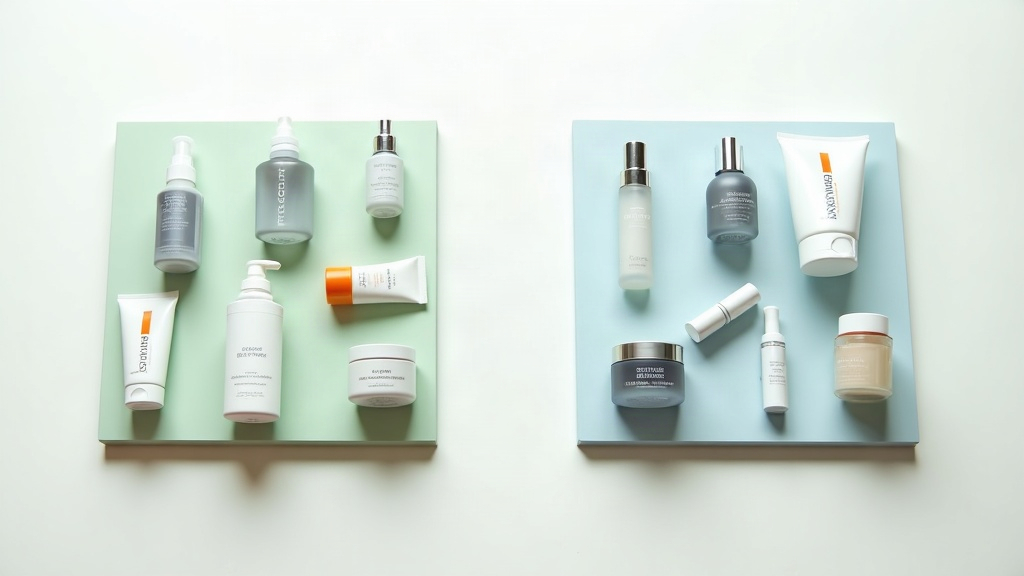
Establishing an effective skincare routine requires more than just a few products and a hope for the best. The timing of your application can significantly impact your skin's health, as both morning and evening routines serve distinct purposes. A thoughtful approach to how you structure your skincare regimen will not only enhance your overall routine but can address specific skin concerns with better results.
Considering the skin's unique needs at different times of the day is essential. In the morning, your skin needs protection and hydration to face environmental stressors, while at night, the focus should be on repair and nourishment. Understanding these key differences will allow you to choose the right products and ultimately create a routine that maximizes your skin's potential.
-
Morning Hydration vs. Evening Repairs
Mornings are all about hydration and lightweight products that prep your skin for the day. Lightweight moisturizers and hydrators create a barrier against the elements without feeling heavy on your skin. In contrast, evening products often contain more occlusive ingredients designed to lock in moisture and facilitate repair.
Understanding this dichotomy helps in selecting formulations tailored to your skin’s needs, enhancing both hydration and restorative benefits throughout the 24-hour cycle.
-
Sun Protection is Crucial
Your morning routine should always incorporate some form of sun protection, be it a dedicated sunscreen or a moisturizer with SPF. This protects the skin from harmful UV rays that can lead to premature aging, skin damage, and increased risk of skin cancer.
For your evening routine, sun protection is unnecessary, allowing you to focus on restorative treatments without competition from UV blockers, which can hinder absorption.
-
Ingredient Focus: Antioxidants in the AM
In the morning, incorporating antioxidants such as Vitamin C can help neutralize free radicals and protect your skin from environmental stressors. An antioxidant-rich serum is a game-changer for your morning routine, delivering long-term protective benefits.
The video illustrates a simple morning skincare routine, showcasing how easy it can be to incorporate these vital steps into your day. Understanding how to layer these products effectively sets a strong foundation for protection and overall skin health.
By grounding your knowledge in practical demonstrations, you can visualize how to integrate antioxidants seamlessly into your daily regimen, ensuring you're starting off on the right foot each morning.
-
Evening Peels and Treatments
At night, your skin is ready to recover, making it the perfect time for more intensive treatments like chemical peels or retinoids. These ingredients encourage cell turnover and repair, taking advantage of the skin's natural nighttime regenerative processes.
Make sure to adjust the strength and type of treatments used at night according to your skin type and sensitivity to ensure optimal results.
-
Exfoliation: Timing Matters
Choosing when to exfoliate plays a pivotal role in your routine. For most, a gentle exfoliation in the evening can clear away dead skin cells and enhance the following night's treatments, allowing for better absorption and efficacy.
Morning exfoliation could leave your skin vulnerable during UV exposure, making evening exfoliation the preferable route.
-
Moisturizers: Choose Wisely
In the morning, opt for a lightweight, fast-absorbing moisturizer that primes your skin for makeup or sunblock. Contrast this with heavier creams or oils in the evening that deliver hydration throughout the night, maximizing skin recovery.
This thoughtful selection underscores the importance of not just what you put on your skin, but when you do so.
This video shows an engaging morning skincare process that emphasizes how to effectively layer lightweight products for maximum hydration. By visualizing these steps, you can easily adapt your approach to your own routine.
These kinds of interactive, real-world examples help demystify the skincare process, making it more relatable and manageable.
-
Customized Nighttime Regimen
Tailoring your evening routine to your specific skin type can yield significant results. Whether you suffer from dryness, oiliness, or acne, there are products designed to target these issues, making night-time the perfect opportunity for them to work.
One size does not fit all when it comes to skincare; knowing your skin and adjusting your nighttime regimen accordingly is key to maintaining skin health.
-
Supplementing Your Routine
Both morning and night may benefit from additional products like sleep masks or hydration serums that enhance moisture retention. However, these should be chosen based on the time of day, ensuring your skin is set up for success based on its immediate needs.
Thoughtful supplementation can boost your primary skincare products, adding another layer of protection or nourishment where needed.
| Aspect | Morning Routine | Evening Routine |
|---|---|---|
| Purpose | Protect, hydrate, and prepare skin | Repair and nourish |
| Key Ingredients | Antioxidants, SPF, light moisturizers | Retinoids, exfoliants, heavier moisturizers |
| Best Time for Exfoliation | Usually avoided | Evening preferred |
| Supplement Options | Hydrating serums, light oils | Sleep masks, rich creams |
Crafting Your Perfect Morning and Evening Skincare Routines

Many individuals struggle to establish a consistent skincare routine tailored for both morning and evening, often leading to confusion and missed opportunities for skin health. One prevalent barrier is the overwhelming availability of products and advice, which can make it difficult to discern what products are truly necessary and effective for each time of day. Additionally, people often question whether their current routines are insufficient or if they invest too much time and energy into the nighttime regimen while neglecting the morning routine, leading to inconsistent results.
Understanding the unique needs of your skin at different times of the day is crucial for building an effective routine. The skin behaves differently in the morning, seeking protection and hydration to face the day, while in the evening, it requires repair and nourishment. Therefore, executing your routines correctly isn’t just a matter of preference; it directly impacts your skin’s health, helping to prevent issues like dryness, acne, and premature aging. Striking the right balance is essential.
1. Start with Cleansing: Morning and Evening Differently
Cleansing is the cornerstone of any skincare regimen and changes in focus depending on the time of day. In the morning, opt for a gentle cleanser to remove sweat and oils accumulated overnight without stripping your skin's natural barrier. This helps prep your skin, allowing subsequent products to absorb better.
In the evening, however, a stronger cleanse is warranted. After a long day, your skin has undoubtedly been exposed to dirt, pollution, and makeup. Incorporating a double cleanse technique—starting with an oil-based cleanser followed by a water-based one—can effectively purify your skin, removing all impurities and setting the stage for a restorative night-time routine. Neglecting this step in the evening could lead to clogged pores and a dull complexion.
2. Tailor Your Moisturizing Approach
Moisturizers play a pivotal role in your skincare arsenal, but the formulation you choose should reflect the demands of your skin at specific times. In the morning, a lightweight moisturizer with SPF is ideal to protect your skin from harmful UV rays while offering hydration. Look for products containing antioxidants to further guard your skin against environmental stressors.
Conversely, your evening moisturizer should be richer, packed with nourishing ingredients. Ingredients like hyaluronic acid for hydration, peptides for repair, and retinoids for anti-aging can profoundly impact your skin while you sleep. Skimping on adequate nighttime moisture can lead to increased dryness and irritation, undermining your overall skincare goals.
3. Don't Skip Sunscreen in the Morning
It’s essential to emphasize the importance of sunscreen as part of your morning routine. Even on cloudy days or indoors, UV rays can penetrate through windows, exacerbating skin damage. A broad-spectrum sunscreen with at least SPF 30 should be your last step in the morning routine to provide sufficient protection.
This is a common mistake—many believe their moisturizer’s SPF is enough or think they can skip it entirely. However, failing to apply sunscreen could lead to long-term skin damage, pigmentation issues, and even skin cancer. Make it a non-negotiable step in your a.m. routine.
4. Add Active Ingredients Strategically
Morning and evening routines are perfect opportunities to incorporate active ingredients, but timing is everything. In the morning, you might want to focus on incorporating Vitamin C or niacinamide. These ingredients can brighten the skin, reduce the appearance of dark spots, and create a protective barrier against environmental damage.
In the evening, however, consider using potent actives more suited for repair and renewal, such as retinol or alpha hydroxy acids (AHAs). This can help accelerate skin cell turnover and minimize fine lines. Keep in mind that using highly active treatments too close together can lead to irritation; thus, it's wise to observe how your skin responds and adjust accordingly.
5. Adjust Your Routine Based on Skin Type
Not all skins are created equal, and your routine should reflect your specific skin type—dry, oily, combination, or sensitive. Morning products should be lightweight and mattifying for oily skin, while those with dry skin may opt for creamier formulations. In the evening, prioritizing hydration for dry skin can make a world of difference.
Also, keep in mind that seasonal changes might prompt the need to adjust your routine. For example, during dry winter months, your skin may need richer textures to maintain moisture, while summer might demand lighter formulations. Ignoring these nuances may hinder your skincare effectiveness.
6. Evaluate Your Products Regularly
Another critical component of effective skincare is periodic evaluation. Check in with yourself every few months to assess how your skin is responding to your current products in both obligations. Stagnation can lead to neglecting effective treatments or overloading on unnecessary products. The key is to listen to your skin; if you notice increased breakouts or irritation, it may be time to reassess your routine.
An excellent way to navigate this process is to keep a skin diary. Take note of product efficacy, feel, and reactions after each routine, which can guide future decisions regarding which products to keep or eliminate, optimizing both routines effectively.
This video will guide you through a practical morning vs. evening skincare routine, illustrating the flow and differences in product application. It visually reinforces how to incorporate products into your daily regimen, transforming your understanding of effective skincare practices.
| Aspect | Morning Routine | Evening Routine |
|---|---|---|
| Focus | Protection, hydration, and preparation | Repair, nourishment, and rejuvenation |
| Product Type | Lightweight, protective products | Rich, restorative products |
| Active Ingredients | Antioxidants, sunscreens | Retinoids, AHAs |
| Time of Day | Daylight exposure | Less light exposure |
| Frequency | Daily consistency | Reevaluate and adjust |
This additional video provides supplementary insights into common skincare pitfalls and how to avoid them, further enhancing your grasp of effective skincare strategies. It covers practical tips that resonate with our discussion on discerning AM and PM needs.
Common Mistakes
- Skipping sunscreen in the morning, leading to potential sun damage.
- Using overly harsh products in the morning, causing sensitivity or irritation.
- Neglecting to adjust routines based on seasonal changes in skin condition.
- Overdoing active ingredients at once, which can lead to excessive irritation.
- Failing to cleanse adequately in the evening, resulting in breakouts.
- Not reassessing your products regularly, causing stagnation in results.
Measuring Success Over Time
As you implement your tailored morning and evening routines, it’s important to set realistic expectations for progress. Consider how your skin responds over weeks or even months rather than expecting immediate results. Document any changes to help identify patterns and better understand what works for you.
Long-term dedication to your skincare routine will lead to cumulative benefits, and maintaining a flexible approach to tweak your methods as needed can dramatically improve outcomes. Embrace the journey rather than a strict timeline; true skin health is a holistic endeavor.