
Understanding the Complexities of Skincare Ingredients

Decoding skincare ingredients can be a daunting task for many, primarily due to the overwhelming amount of information available and the myriad of choices presented in the beauty industry. While certain ingredients are touted as miracle workers, the reality often reveals a more complex narrative that encompasses individual skin types, varying concentrations, and potential interactions among products. Misconceptions about what constitutes an effective skincare regimen can easily lead to frustration and disappointment among users seeking optimal results for their skin health.
The intricacies of formulating a skincare routine that genuinely benefits the skin involve a nuanced understanding of how different ingredients work—not just on a surface level, but in relation to the skin's unique biology and needs. For instance, while retinoids are widely recognized for their anti-aging properties, they can also cause sensitivities, particularly in those with reactive skin. Therefore, simple recommendations often fall short, as they do not account for individual experiences or potential side effects.
As consumers continue to seek evidence-based guidance in their skincare decisions, it is essential to illuminate the often misunderstood aspects of various ingredients, from their efficacy to their limitations. By addressing these uncertainties head-on, we can foster better decision-making and ultimately lead to more informed and satisfied skincare enthusiasts.
Why do many people believe that more expensive products are more effective?
The perception that higher-priced skincare products are inherently superior is deeply rooted in marketing tactics and consumer psychology. Many brands leverage premium ingredients or luxurious marketing to create an appeal that does not always correlate with the product's actual effectiveness. This leads individuals to assume that a higher price equates to better results; however, this is not universally true. It's crucial to understand that efficacy is often determined more by the concentration and stability of active ingredients than by price tags.
Additionally, consumers may overlook the simple yet effective formulations found in more affordable products, focusing instead on the illusion of luxury as a marker of quality. This misconception can lead to considerable financial investment in products that may not deliver the promised results, ultimately fostering dissatisfaction. It's important for individuals to research ingredients and understand the role they play, rather than getting caught up in brand prestige.
Ultimately, the effectiveness of skincare lies not in how much one spends, but in using the right products suited to one’s skin type and concerns. A balanced approach that values substance over hype is key to achieving the best skincare outcomes.
What happens when you mix different active ingredients in a routine?
The practice of layering multiple active ingredients can be a double-edged sword. On one hand, certain combinations can enhance efficacy, while on the other, they may lead to irritation or counterproductive effects. For instance, using retinoids alongside strong acids can exacerbate sensitivity, causing redness or peeling, particularly for those with more reactive skin types. Misunderstanding ingredient interactions can sabotage one's skincare efforts, leading to adverse effects that could have easily been avoided.
Moreover, the order of application also plays a significant role in determining the efficacy of these ingredients. When layering actives, there is an optimal way to apply them—usually starting with the thinnest texture first—allowing for better absorption and effectiveness. Neglecting these nuances often results in a diluted effect, where the benefits of each ingredient may not be fully realized.
Is it actually better to use products with high concentrations of active ingredients?
The assumption that higher concentrations of active ingredients directly translate to better results is a common misunderstanding. While concentrated formulas can be more effective for certain skin concerns, they also carry a higher risk of irritation and adverse reactions. For instance, using a strong concentration of glycolic acid might expedite exfoliation and improve skin texture, but it can also lead to sensitivity, especially for those with compromised skin barriers.
One must consider that skin tolerance varies greatly among individuals. What works for one person could potentially harm another, leading to a common misconception that all skin types can handle high concentrations without consequence. Striking the right balance is crucial; starting with lower concentrations and gradually increasing as skin tolerance improves is often the best approach.
Moreover, the formulation as a whole—its pH balance, additional nourishing ingredients, and stability—also plays a vital role in determining overall effectiveness and safety. Therefore, consumers should focus on a holistic approach that considers both ingredient concentration and overall formulation, ensuring that they’re making informed choices aligned with their specific skin needs.
What do most people misunderstand about non-comedogenic products?
Many consumers are drawn to non-comedogenic claims, believing these products to be a guaranteed solution for preventing clogged pores and breakouts. However, the truth is more complicated. The term "non-comedogenic" is not strictly regulated, which leaves a lot of room for interpretation and can lead to misunderstandings. Just because a product is labeled non-comedogenic does not mean it will work perfectly for everyone. Individual skin chemistry plays a crucial role in how a product performs.
Furthermore, one must recognize that breakouts can occur for a multitude of reasons, including not just topical product ingredients but also diet, hormonal changes, and lifestyle factors. Therefore, relying solely on a non-comedogenic label may foster a sense of security that may not be warranted. It’s essential to investigate individual triggers for blemishes and assess product ingredients rather than solely relying on labels.
How does this affect long-term outcomes for skin health?
A skincare routine is not merely about addressing immediate concerns; it also requires consideration of long-term health and maintenance of skin integrity. Many users make the mistake of focusing solely on quick fixes, such as spot treatments, without recognizing that consistent, preventative care is key to preserving skin health over time. Ingredients like antioxidants and sunscreens are fundamental to combating oxidative stress and UV damage, which can lead to premature aging and other skin issues.
Additionally, neglecting skin's hydration and barrier function can have long-lasting repercussions, leading to chronic dryness, sensitivity, and increased susceptibility to environmental aggressors. Hence, a balanced approach that incorporates both immediate and long-term strategies is imperative for sustaining skin's health and resilience.
This long-term mindset also encourages individuals to be patient with their routines and to avoid the temptation for instant results, which can lead to excessive product purchases and skin trauma from over-exfoliation or irritation. A well-rounded regimen that emphasizes gradual improvements will undoubtedly yield more favorable and enduring results, ensuring skin remains healthy and vibrant over the years.
Why do contradictory skincare claims confuse consumers?
The barrage of contradictory claims in the skincare industry can leave even the most seasoned enthusiasts bewildered. For instance, one product might advertise anti-aging benefits through high concentrations of retinoids, while another touts the benefits of natural oils, suggesting that hydration alone is sufficient for maintaining youthful skin. This inconsistency leads to a general mistrust in the available information and leaves consumers puzzled about what truly works.
Part of the confusion arises from the marketing language used by brands. Many emphasize one ingredient or characteristic while overlooking others that may contradict those claims. As consumers navigate this complex landscape, distinguishing between effective solutions and marketing hype becomes increasingly challenging, particularly when claims are often not backed by robust scientific evidence.
This inconsistency can have real-world implications; for instance, consumers may choose the wrong products, exacerbating existing skin conditions and leading to costly trial and error. It underscores the necessity of comprehensive education on skincare ingredients, steering clear of trends and focusing on evidence-based practices that prioritize the individual’s unique skin health journey.
What risks are associated with following skincare trends without understanding ingredients?
The allure of skincare trends can be enticing, particularly with the advent of social media influencers and viral beauty hacks. However, jumping on the latest trend without understanding the underlying ingredients can pose significant risks to skin health. For example, a trending ingredient may be beneficial for some skin types but could trigger adverse reactions in others, such as irritation or breakout. The hype surrounding a product often overshadows its true efficacy and safety profile.
This inclination to follow trends can lead to overexploitation of certain ingredients, like the excessively recommended use of acids or oils that may not suit everyone. Relying solely on anecdotal evidence or viral testimonials can distract users from what is appropriate for their individual skin type and concerns, leading to inconsistent results.
Moreover, the risks extend to both physical and financial consequences. Misguided purchases can lead to heightened sensitivity or chronic dryness, resulting in additional costs associated with corrective products and treatments. Understanding the importance of ingredient research and distinguishing between fads and foundational practices is essential for anyone looking to maintain healthy skin in the long run.
| Decision Aspect | Consumer Misconception | Informed Understanding |
|---|---|---|
| Ingredient Efficacy | Higher price equals higher effectiveness | Efficacy is determined by ingredient quality and formulation, not just price |
| Mixer of Actives | All actives can safely be mixed | Some ingredients may conflict and cause irritation; understanding their interactions is key |
| Concentration Levels | Stronger concentrations yield better results | Higher concentrations may lead to irritation; starting low and scaling is often best |
| Non-Comedogenic Labels | All non-comedogenic products prevent breakouts | Individual reactions to ingredients vary; labels are not guarantees |
| Long-Term Care | Quick fixes solve skincare problems | Long-term health requires consistent, evidence-based routines |
| Trend Adoption | Viral trends are always effective | Trends may not suit everyone; thorough research is crucial |
Navigating the Complex World of Skincare Ingredients
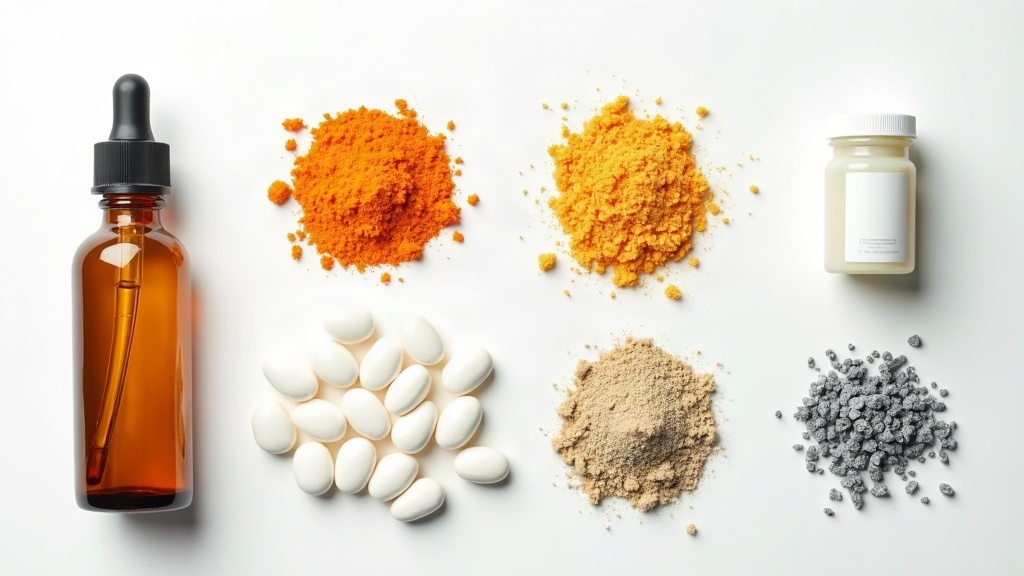
Understanding skincare ingredients is a crucial step in crafting an effective regimen that addresses your unique skin concerns. With the overwhelming number of products available, many people find themselves confused about what truly works. Simple answers are often insufficient due to the nuances of how ingredients interact with various skin types and conditions. By delving deeper into evidence-based research, you'll not only enhance your skincare knowledge but also empower yourself to make informed choices.
This listicle provides a roadmap through the labyrinth of skincare ingredients, highlighting those backed by science and urging caution on popular trends that may not deliver results. Let's examine eight key ingredients that every skincare enthusiast should know, ensuring you can decode the labels and select products that serve your skin best.
-
Retinoids
Known for their powerful anti-aging effects, retinoids promote cell turnover and stimulate collagen production. These vitamin A derivatives can effectively reduce the appearance of fine lines, wrinkles, and uneven skin tone.
However, it's essential to use them carefully, as they can initially cause irritation and sensitivity. Gradual introduction into your routine, along with proper hydration, can help mitigate these side effects.
-
Vitamin C
Vitamin C is a potent antioxidant known for its ability to brighten the skin and protect it from environmental stressors. By neutralizing free radicals, it helps to reduce the signs of aging while enhancing radiance.
The efficacy of vitamin C hinges on its formulation; look for stabilized versions like L-ascorbic acid in percentages ranging from 10-20% for optimal results.
-
Niacinamide
This multi-tasking ingredient is celebrated for its anti-inflammatory properties, making it ideal for sensitive or acne-prone skin. Niacinamide helps to strengthen the skin barrier, minimizing moisture loss and improving elasticity.
This video highlights the fundamental benefits of incorporating niacinamide into your skincare routine. Its role in soothing inflammation and enhancing skin texture is key for those struggling with issues like redness or enlarged pores.
Understanding its versatility can lead to better product selection, ensuring you harness its full potential for a healthier complexion.
-
Hyaluronic Acid
Renowned for its incredible hydrating capabilities, hyaluronic acid can hold up to 1000 times its weight in water. This makes it a superstar for maintaining skin moisture levels, resulting in a plump and youthful appearance.
It's suitable for all skin types, but ensure to pair it with a hydrating product to lock in moisture effectively.
-
Alpha Hydroxy Acids (AHAs)
AHAs, including glycolic and lactic acids, serve as gentle exfoliants that dissolve dead skin cells, promoting a smoother surface. They can enhance skin tone and texture, making them ideal for treating sun damage and signs of aging.
However, overuse can lead to irritation, so it’s critical to apply them thoughtfully.
-
Peptides
Peptides are short chains of amino acids that can help stimulate collagen production and reduce inflammation. They are essential for skin repair and regeneration, making them particularly beneficial for mature skin.
This video expands on how peptides contribute to a healthier, younger-looking skin through their collagen-boosting properties. Recognizing how peptides work can help you choose products that not only hydrate but also fortify your skin’s structure.
Understanding this helps clarify why they are a worthy investment in your skincare arsenal, particularly if anti-aging is a priority.
-
Sunscreen Ingredients
Active ingredients like zinc oxide and titanium dioxide offer broad-spectrum protection against UV rays. Regular use of sunscreen can prevent premature aging and reduce the risk of skin cancer.
Choosing a broad-spectrum option with an SPF of 30 or higher is a non-negotiable step in any skincare routine.
-
Overhyped Ingredients
While it’s easy to get drawn to trendy ingredients like glitter, unicorn tears, or superfoods, discernment is key. Many trendy components lack solid scientific backing and may not provide the benefits they claim.
Always research and consider whether a product truly aligns with your skin needs before jumping on the latest fad.
| Ingredient | Benefits | Considerations |
|---|---|---|
| Retinoids | Anti-aging, promotes cell turnover | Can cause irritation; gradual introduction recommended |
| Vitamin C | Brightens skin, protects from free radicals | Formulation is crucial; look for stabilized versions |
| Niacinamide | Soothes skin, improves barrier function | Use consistently for best results |
| Hyaluronic Acid | Hydration and moisture retention | Pair with a moisturizer to lock in hydration |
| AHAs | Exfoliates, improves texture | Can cause irritation if overused |
| Peptides | Stimulates collagen, improves skin repair | Results may take time; consistent use needed |
| Sunscreen | Protects from UV damage | Daily use is essential for efficacy |
| Overhyped Ingredients | Varies widely, often lacks evidence | Research and verify claims before use |
Mastering Skincare Ingredients for Optimal Results
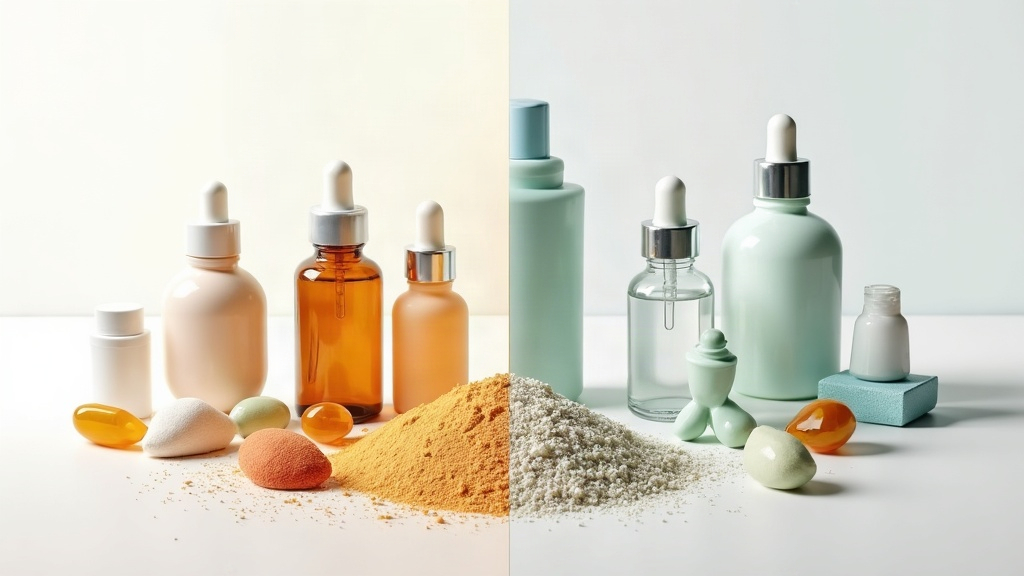
Decoding skincare ingredients can feel akin to deciphering a complex code, where marketing jargon often blurs the line between effective solutions and overhyped claims. With countless products claiming miracle results, many people find themselves confused about which ingredients are genuinely beneficial for their skin and which ones might be more gimmick than substance. This confusion can lead to frustration, wasted resources, and even adverse effects on skin health.
Moreover, the skincare industry is rife with rapidly changing trends and buzzwords that can mislead consumers. For instance, ingredients like retinoids and vitamin C have considerable scientific backing, yet the nuances of their application and effectiveness often remain obscured. Understanding how to navigate this landscape can make all the difference in achieving healthy, glowing skin. Proper implementation of effective ingredients not only enhances skin health but also encourages a more informed and satisfying skincare routine.
Identify Your Skin Type
Before diving into the world of skincare ingredients, it's crucial to understand your unique skin type. Skin can generally be categorized as dry, oily, combination, or sensitive. Each type reacts differently to various ingredients, so tailoring your approach is key. For example, retinoids may work wonders for oily skin but could irritate sensitive skin if not used correctly.
You can determine your skin type through a simple survey or by observing how your skin feels throughout the day. Consider factors like oil production, sensitivity to products, and how your skin reacts to weather changes. Regardless, the right approach ensures you won’t waste time or money on unsuitable products.
Prioritize Evidence-Based Ingredients
As you embark on your skincare journey, focus on ingredients that are backed by scientific evidence. Retinoids are renowned for their ability to reduce signs of aging and improve skin texture, thanks to their capacity to promote cell turnover. Vitamin C is another superstar, known for its antioxidant properties and brightening effect on the skin.
When choosing products, look for those that list proven ingredients prominently on their labels. An evidence-based approach can lead to better results and ultimately foster trust in your skincare regimen. Avoid products filled with vague claims or overly complex formulas that might overcomplicate your routine.
Understand the Role of Concentration
Understanding ingredient concentration is vital for successful skincare. Not all products containing retinoids or vitamin C have the same potency. Higher concentrations may yield quicker results but can also increase the risk of irritation. Start with a lower concentration to allow your skin to acclimate before gradually increasing as your skin builds tolerance.
This gradual approach can prevent common mistakes, such as over-exfoliation or excessive irritation. It's about finding that sweet spot for your skin, ensuring that you benefit from the ingredients without suffering adverse effects.
Incorporate Layering Wisely
Layering products has become popular in skincare, especially when it comes to ingredient combinations. However, this must be done wisely. As an example, vitamin C should be applied in the morning to maximize its antioxidant protection against UV damage, while retinoids are typically more effective when used at night.
Balancing and layering these ingredients can be a double-edged sword; while it enhances effectiveness, it can also lead to irritation if applied incorrectly. Be mindful of product formulation and timing, focusing on gradual integration into your routine to reap the maximum benefits.
Embrace a Consistent Routine
Consistency is a game changer in skincare. Ingredients such as niacinamide and hyaluronic acid require regular use to demonstrate their efficacy. Establishing a routine means you'll provide your skin with the necessary time to adapt and respond positively to the ingredients.
Real-world application of consistency means you must integrate products sustainably into your daily life. Skipping days or rushing through applications can derail your results. Track your progress and remain adaptable, adjusting your routine as necessary based on how your skin responds over time.
Consider Lifestyle Factors
Skincare isn’t solely about what you apply; it’s also heavily influenced by lifestyle factors such as diet, hydration, stress management, and sleep. For instance, poor dietary choices can affect your skin's appearance, regardless of how diligent you are in your skincare routine. Nutrients, such as those found in fruits and vegetables, play a vital role in skin health.
It’s equally important to address internal factors like stress and sleep, which can manifest externally as skin issues. A holistic approach that accounts for these variables will support your skincare endeavors, making it easier to achieve your desired results.
This video illustrates the various roles skincare ingredients play in your routine, emphasizing how to combine them effectively. By exploring their interactions, you can make informed decisions that enhance your skincare practice and support your skin's health.
| Ingredient | Benefits | Potential Drawbacks | Best For |
|---|---|---|---|
| Retinoids | Reduces fine lines and boosts collagen | Can cause irritation | Oily or aged skin |
| Vitamin C | Brightens skin and offers antioxidant protection | Can be unstable in light | All skin types |
| Niacinamide | Improves skin barrier and reduces inflammation | May not work for everyone | Sensitive skin |
| Hyaluronic Acid | Intensely hydrates and plumps skin | Short-lived effects | Dry skin |
This second video dives deeper into how to assess the impact of skincare ingredients over time. By showcasing personal experiences and outcomes, it enriches your understanding of ingredient effectiveness and helps you better gauge your skin's response.
Common Mistakes in Ingredient Selection
- Focusing solely on marketing claims rather than research.
- Overloading the routine with too many active ingredients.
- Ignoring patch testing for new products.
- Failing to account for skin changes due to seasons or diet.
- Neglecting to adjust product concentrations based on skin tolerance.
Measuring Your Success
To gauge the effectiveness of your skincare routine, keep realistic expectations. Visible improvements typically take time; you may need several weeks or months of consistent application before noticing significant changes. Measurement can be as straightforward as taking photographs at intervals or keeping a journal of product observations.
Balancing short-term and long-term goals is essential to maintaining motivation. Acknowledge the small wins along your journey instead of solely focusing on perfection. This mindset shift will help sustain your skincare enthusiasm, leading to a more mindful and fulfilling approach to your skin’s health.