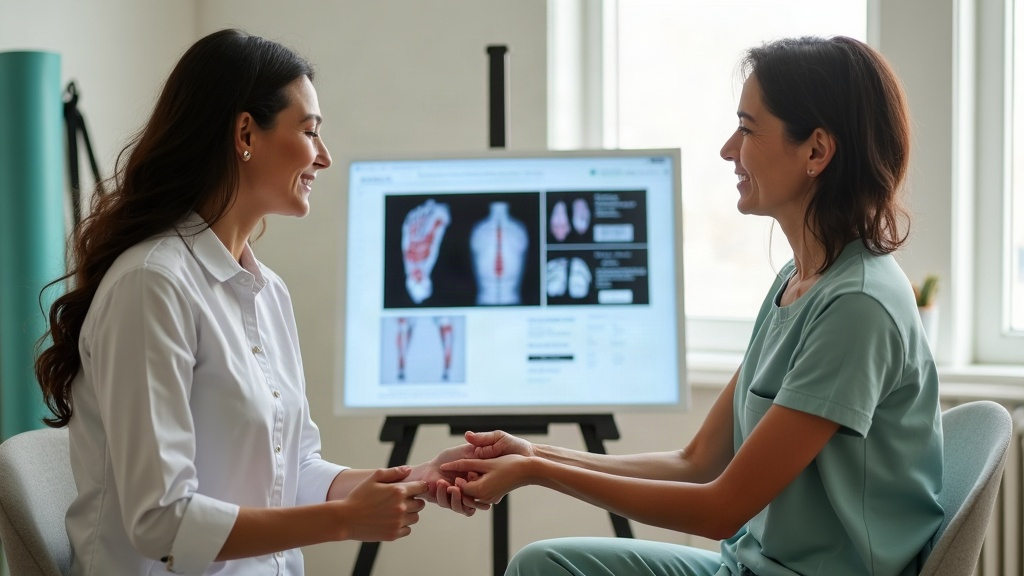
Understanding the Nuances of DEXA Scans for Women

When it comes to DEXA scans, many individuals find the guidelines and recommendations confusing. It’s not just about understanding when a scan is necessary; it also involves interpreting the results and knowing what those T-scores and Z-scores actually mean for your health. Misunderstandings are common, especially when hefty terminology meets individual health concerns. Additionally, the decision to undergo a DEXA scan often carries subtle complexities that go beyond simple recommendations, which can deter informed decision-making.
Moreover, the intricacies involved in evaluating bone health can lead to over-simplifications, potentially causing a mismatch between perceived and actual risks. For example, some women may think they're at low risk for osteoporosis based on age alone, while other risk factors may suggest otherwise. Thus, guidance cannot be one-size-fits-all; it requires a personalized approach that weighs an individual’s health history, lifestyle, and specific risk factors.
Understanding when a DEXA scan is warranted, how to interpret scores, and knowing how these assessments tie into long-term health presents a tangled web of questions. Simple discussions about screening can overlook critical nuances that affect the overall decision-making process and subsequent health outcomes. This FAQ aims to unpack those complexities, addressing often-unasked questions that can lead to more informed choices about bone health.
What trade-offs should women consider before opting for a DEXA scan?
Opting for a DEXA scan can certainly provide valuable insights into bone density and osteoporosis risk; however, the decision is not without its trade-offs. For one, while screening can reassure those who are at risk or suspected to have osteoporosis, the scan may also lead to unnecessary anxiety for those who receive a low-risk score but were still uncertain about their bone health. This emotional cost could overshadow the benefits of knowing one’s status.
Additionally, there are financial implications to consider. DEXA scans may not always be covered by insurance, especially for younger women or those who do not fit specific risk categories. This creates a scenario where the potential costs—both financially and emotionally—must be weighed against what the scan can reveal about an individual’s bone health.
Finally, it’s essential to evaluate what you can do with the information obtained from a DEXA scan. Understanding that the scores and resulting recommendations can motivate lifestyle changes is crucial; however, if a woman doesn't follow through with those recommendations, the scan's utility diminishes. The overall benefit emerges from a blend of awareness and proactive engagement, making it crucial to consider whether you're prepared not just for the scan, but for pursuing your bone health post-results.
What do many women misunderstand about T-scores and Z-scores?
T-scores and Z-scores serve as the backbone for interpreting DEXA scan results, but their meanings can often be misconstrued. A common misunderstanding is equating these scores directly with a diagnosis of osteoporosis. A T-score compares an individual’s bone density to that of a healthy young adult, while a Z-score measures it against individuals of the same age and sex. Thus, a low T-score does not automatically mean one has osteoporosis; rather, it indicates the need for further investigation.
Women may also be unaware that context matters significantly when interpreting these scores. Factors such as age, ethnicity, and weight can all impact the outcomes. For instance, a woman may have a T-score that falls below the -2.5 threshold denoting osteoporosis but could be healthy if the score is due to the loss of bone density associated with natural aging processes, and not an acute health issue.
Another layer of complexity comes from the fact that many women might think a single DEXA scan will provide a definitive picture of their bone health. In reality, a trend over time—based on consecutive scans—will offer the clearest insight into whether one’s bone density is deteriorating, stable, or improving. Without this longitudinal perspective, individual score assessments can lead to misguided conclusions.
How do lifestyle factors influence the need for a DEXA scan?
Many women may not realize that their lifestyle choices significantly influence their risk for osteoporosis and, subsequently, the need for a DEXA scan. For instance, women who lead sedentary lifestyles often face a higher risk of developing bone density issues. Factors such as low physical activity, poor nutrition—especially insufficient calcium and vitamin D intake—and high alcohol consumption can all heighten the odds, making routine screenings more valuable for these individuals.
Conversely, women who engage in regular weight-bearing exercises and maintain a balanced diet rich in bone-supporting nutrients may not need frequent scans. However, despite a proactive approach, those with family histories of osteoporosis might still need DEXA scans to preemptively monitor their bone health. This duality indicates that individual lifestyle behaviors must be an integral part of ongoing health discussions.
Additionally, it's essential to consider that even if one adheres to a healthy lifestyle, unforeseen factors like medications or chronic conditions can still impact bone health. Hence, making decisions about DEXA scans based solely on lifestyle can overlook these critical aspects that could result in a lack of timely intervention for those in need.
Is it better to wait until symptoms arise before getting a DEXA scan?
The instinct to wait until symptoms manifest before pursuing a DEXA scan can be a prevalent mindset; however, this approach can be misleading. Osteoporosis is often referred to as a "silent disease," meaning many women may not experience noticeable symptoms until significant bone loss has already occurred. Waiting for alarming signs like fractures or severe back pain might be too late for preventive measures.
Moreover, recognizing that risk factors—such as advanced age, a family history of fractures, or prolonged use of corticosteroids—complicate this notion is crucial. Such factors signal the potential necessity for lifestyle modifications and medical interventions even before symptoms surface. Thus, proactive screening for those at risk is generally more effective at mitigating future complications.
Additionally, relying on symptoms can lead to a narrow perspective. Symptoms vary widely among individuals, and by the time one has an injury that prompts a visit to the healthcare provider, the bone loss journey may have become rather advanced. In essence, a DEXA scan can serve as an early detection tool that enables healthcare providers to implement preventive measures before symptoms arise, making the case for a proactive approach.
What long-term outcomes can be affected by DEXA scan results?
Understanding how DEXA scan results can affect long-term outcomes is pivotal for women facing decisions about their bone health. A diagnosis of osteoporosis or osteopenia based on scan results doesn’t just signify the need for immediate lifestyle changes; it can set the course for future health interventions. The proactive steps taken following these results, such as medication, supplementation, or exercise modifications, can shape the trajectory of bone health.
The consequences of inaction or delayed reaction can span beyond bone health. Studies indicate that low bone density is linked with a higher risk of fractures, which can lead to a cascade of health challenges, including increased morbidity, longer hospital stays, and heightened care needs. This broader context underlines the importance of translating scan results into actionable health strategies. Rather than viewing the results as isolated data points, considering them as part of a more extensive health narrative can be transformative.
Furthermore, the emotional and psychological impacts of reading DEXA results cannot be overlooked. Women receiving high-risk diagnoses may benefit from educational resources to help them navigate their feelings and the subsequent choices they need to make. Thus, understanding the long-term implications of a DEXA scan can lead not just to improved bone health but also to enhanced overall well-being, reinforcing the significance of informed decisions.
How often should women get a DEXA scan based on their risk factors?
The frequency with which women should undergo DEXA scans is often a source of confusion. Many assume that once a scan is performed, the next one won’t be necessary for several years. However, guidelines dictate that the timing largely depends on individual risk factors. For example, postmenopausal women, especially those with additional risk factors such as a family history of fractures or low body weight, may be advised to have scans every one to two years.
This personalized approach is critical; factors such as age, medical history, and previous scan results should all shape the recommendations for follow-up scans. In contrast, women without significant risk factors, who show stable bone density over time, might only require scans every two to five years. Inevitably, varying circumstances necessitate tailored recommendations to effectively monitor bone density.
Regularly reassessing the need for scans based on evolving health dynamics is vital. Life changes, new health conditions, or modifications in medication may alter a woman’s status and risk profile. Therefore, ongoing communication with healthcare providers about bone health is essential to determining the appropriate frequency of DEXA scans, ensuring that women effectively engage in their bone health monitoring.
What can women do if their DEXA scan results are concerning?
When DEXA scan results fall into concerning ranges—indicating low bone density or a diagnosis of osteoporosis—it’s easy to feel overwhelmed. However, the initial reaction should be to view these results as a starting point for a proactive health journey. The first step often involves consulting with a healthcare provider to discuss the results and understand the next steps, including potential lifestyle changes, dietary modifications, or medical treatments.
Building a support system can be invaluable during this process. Engaging in educational groups or connecting with others facing similar challenges can provide resources, recommendations, and emotional support. Women might also benefit from tailored exercise programs that focus on weight-bearing activities, which are crucial for strengthening bones. Introducing elements like yoga or Pilates could help with balance and strength, further reducing the risk of falls.
Finally, considering personalized medical treatments may also be warranted depending on the severity of the diagnosis. Hormone replacement therapy, bisphosphonates, or other medications designed to bolster bone density might be recommended as part of a comprehensive package. Acknowledging that a concerning DEXA scan result is not the end of the road but rather a pathway to better management is crucial for women looking to reclaim or sustain their bone health.
| Consideration | Proactive Approach | Reactive Approach |
|---|---|---|
| Understanding Risk | Scan early based on family history and lifestyle factors | Wait for symptoms; potentially more severe health implications |
| Interpreting Results | Use scores to take preventive measures | Neglect follow-up; risk missing impactful health changes |
| Addressing Lifestyle | Commit to long-term healthy habits pre-scan | Alter lifestyle post-findings when risk may already be elevated |
| Follow-Up Frequency | Regular scans based on evolving risk | Infrequent scans could result in dangerous delays in care |
| Emotional Impact | Take a supportive approach to managing results | Allow fear to inhibit decisive health actions |
Understanding When and Why Women Should Consider DEXA Scans

DEXA scans are crucial tools that provide insight into bone health, particularly for women who face unique health challenges as they age. A dual-energy X-ray absorptiometry (DEXA) scan measures bone mineral density and is instrumental in diagnosing conditions like osteoporosis, which can lead to fractures and significant health complications. However, the decision to undergo a DEXA scan is not always straightforward and involves understanding personal risk factors and health conditions.
Women should think critically about DEXA scans because these assessments can lead to early detection of bone loss or abnormalities, offering the chance to address potential issues before they escalate. Yet, navigating the guidelines can be complex, as recommendations vary based on age, medical history, and risk factors. Diving into this topic can not only empower women but also encourage proactive health management throughout their lives.
-
Women Aged 65 and Older
Women who are 65 years or older should receive DEXA scans regularly as they are at significant risk for osteoporosis due to hormonal changes during menopause. This demographic sees a marked increase in the rate of bone density loss, making screening essential for early intervention.
Screening at this age can lead to timely treatment options, including medication and lifestyle adjustments to improve bone health.
-
Women Under 65 with Risk Factors
If you are under 65 but have risk factors for osteoporosis—such as a family history of fractures, low body weight, or smoking habits—it's wise to discuss the need for a DEXA scan with your healthcare provider. Understanding your specific risks allows for more tailored health strategies.
It’s not just age that matters; knowing your internal risk profile can facilitate more preventive healthcare actions.
-
A DEXA scan measures your bone mineral density
This video outlines the DEXA scan process, illustrating how it assesses bone mineral density using low-dose X-ray technology. Understanding the mechanics behind the scan can alleviate fears and highlight its importance in detecting bone health issues.
This video is beneficial as it demystifies the process, making it approachable for those considering their first DEXA scan. It reveals that the scan is quick, non-invasive, and painless, which can alleviate anxiety surrounding the procedure.
-
Previous Fractures or Injuries
If you have experienced fractures or injuries that suggest decreased bone health, a DEXA scan can provide valuable insights. Understanding how former injuries may reflect overall bone strength is crucial for developing informed health plans.
Your history with fractures can indicate vulnerability and should prompt discussions with your doctor about the necessity for assessing bone density.
-
Medical Conditions Affecting Bone Health
Certain medical conditions, such as rheumatoid arthritis or disorders related to chronic steroid use, may necessitate earlier DEXA scan screenings. These conditions often lead to increased bone loss, making it important to monitor health closely.
Being proactive with scans can be a key element in managing your overall health and preventing complications associated with weakened bones.
-
Genetic Predisposition to Osteoporosis
Family history of osteoporosis can significantly influence your risk level, regardless of age. If your mother or grandmother had osteoporosis, discussing a DEXA scan with your healthcare provider is advisable.
The genetic component can raise your awareness and encourage earlier screening to catch any potential issues before they progress.
This video provides insights from healthcare professionals on how genetics can impact your bone health and the role DEXA scans can play in monitoring this risk factor. Understanding this relationship is crucial for taking proactive health steps.
-
Body Weight Considerations
Women with low body weight, especially those with a BMI under 19, are at increased risk for osteoporosis and should consider a DEXA scan. Weight plays a crucial role in bone density, as higher weight is often correlated with increased bone mass.
Evaluating your body composition helps in understanding your risk factors more comprehensively.
-
Long-term Corticosteroid Use
Long-term use of corticosteroids can lead to a decrease in bone density, prompting a recommendation for DEXA scans. If you have been on these medications for an extended period, it’s crucial to monitor your bone health regularly.
Awareness of medication impact allows for informed discussions regarding potential prescription alternatives or additional preventive measures.
| Group | Recommended Action | Considerations |
|---|---|---|
| Women 65+ | Regular DEXA scans | High risk for osteoporosis |
| Women <65 with risk factors | Consult for DEXA scan | Family history, low weight, smoking |
| Previous fractures | Consider DEXA scan | Reflects prior bone health |
| Medical conditions | Discuss DEXA scan | Rheumatoid arthritis, steroid use |
| Family history of osteoporosis | Consult for early screening | Increased genetic risk |
| Low body weight | Recommend DEXA scan | Increased fracture risk |
| Corticosteroid use | Regular monitoring | Potential for reduced bone density |
Understanding the Necessity of DEXA Scans for Women

Navigating the world of health tests can often feel overwhelming, particularly when it comes to understanding the specific needs and guidelines surrounding DEXA scans. Many women may struggle to know if they actually need a DEXA scan, when to schedule it, and how to interpret the results. This confusion can stem from a variety of sources: varying medical opinions, different health histories, and a general lack of awareness about bone health's importance.
Understanding that DEXA scans are pivotal for many women is crucial. These scans help detect osteoporosis and evaluate bone density, often before significant health issues arise. Regular screenings can make the difference between proactive health management and reactive healthcare responses. Knowing when and why to get a DEXA scan can empower women to take charge of their bone health and avoid serious complications down the line.
1. Recognizing Risk Factors for Osteoporosis
The first step in deciding whether a DEXA scan is right for you is to understand your personal risk factors for developing osteoporosis. Women, especially those who are older, post-menopausal, have a family history of bone fractures, or experience early menopause, are at higher risk. Lifestyle factors such as a sedentary lifestyle, smoking, and excessive alcohol consumption also contribute significantly.
By understanding your unique risk profile, you can have informed discussions with your healthcare provider about the need for a DEXA scan. Recognizing these factors is not just about protecting your bones; it's about promoting overall health and awareness as you age. Making proactive health choices today can significantly influence your long-term wellness trajectory.
2. Knowing When to Get a DEXA Scan
The guidelines for when to get your first DEXA scan can be difficult to decipher. Generally, women should start getting screened at age 65, but if you exhibit any risk factors previously mentioned, you may need to be screened earlier. Additionally, if you have had a fracture after age 50 or if your doctor has recommended a scan based on your health status, don’t hesitate to schedule one.
Understanding these timelines makes it easier to integrate health screenings into your lifestyle. This reduces the chance of delaying necessary actions that could impact your health positively. Adhering to screening recommendations is vital for early intervention and effective management of bone health.
3. Preparing for Your DEXA Scan
Preparation for a DEXA scan is relatively simple but crucial for the accuracy of the results. Avoid taking calcium supplements for at least 24 hours before the test, as they can interfere with the scan’s precision. Comfort is key; wear loose clothing and be ready to discuss any recent health issues or medications with the technician.
Effective preparation helps you avoid potential complications or the need to reschedule, ensuring your results are reliable. By being proactive and informed, you lay the groundwork for a more accurate reflection of your bone health that can lead to tailored interventions if needed.
4. Interpreting T-Scores and Z-Scores
Once you've completed your DEXA scan, understanding the results is paramount. T-scores and Z-scores are the two primary metrics your healthcare provider will discuss with you. The T-score compares your bone density with that of a healthy young adult, while the Z-score compares it with what’s expected for someone of your age, sex, and ethnicity.
Recognizing what these scores mean is critical for making informed decisions about your health. A T-score of -1 and above indicates normal bone density, while a score between -1 and -2.5 suggests low bone mass, and below -2.5 indicates osteoporosis. These distinctions will guide your next steps, whether they include lifestyle changes or medical interventions.
5. Exploring Treatment Options
If a DEXA scan reveals that you have low bone density or osteoporosis, it's vital to explore treatment options immediately. This may include lifestyle modifications, such as improving your diet to include more calcium and vitamin D, beginning a regular exercise program focused on strength training, or medication prescribed by your healthcare provider.
The spectrum of treatment options can sometimes be confusing, and it’s essential to weigh the benefits of each. While some may prefer natural methods like diet adjustment and exercise, others may require pharmaceutical intervention. Discussing these choices with your healthcare professional will help tailor an approach that feels right for you and supports long-term bone health.
6. Maintaining Bone Health Post-Diagnosis
After evaluating your results and deciding on an action plan, the focus shifts to maintaining and improving your bone health over time. Regular follow-up DEXA scans may be recommended to track your progression and the effectiveness of any treatments. Maintaining healthy habits such as weight-bearing exercises, a balanced diet fortified with essential nutrients, and limiting tobacco and alcohol can have lasting positive effects.
Establishing a long-term health strategy can feel daunting but is immensely rewarding. Use the information gathered from your DEXA scan as a foundation for regular check-ins, creating a roadmap that keeps your bone health front and center as you navigate your wellness journey.
This video illustrates the process of a DEXA scan, providing a visual understanding of what to expect during the procedure. It highlights the simplicity of the scan while emphasizing the significance of the information it provides about your bone health. By familiarizing yourself with the process, you can reduce anxiety around the screening, helping you prioritize your bone health more effectively.
| Aspect | Benefits | Trade-Offs |
|---|---|---|
| Early Detection | Identifies osteoporosis before fractures occur. | Potential anxiety over results. |
| Guided Treatment | Informs medical or lifestyle changes needed. | Can lead to a multifaceted health approach. |
| Personalized Care | Tailors treatment to individual scores. | Requires participation and commitment to follow-up. |
Acknowledging Common Mistakes
- Delaying the first scan due to lack of symptoms.
- Ignoring risk factors that warrant earlier screening.
- Neglecting to prepare correctly for accurate results.
- Misunderstanding T-scores and Z-scores, leading to wrong conclusions.
- Not following up on health advice post-Dexa scan.
Measuring Your Long-Term Bone Health
Post-scan, you need to realistically assess your progress. Using DEXA results as baseline metrics, you can measure improvements over time. Schedule regular follow-up scans to understand how lifestyle changes or treatments impact your bone density.
It's important to set achievable health goals rather than strive for perfection. Monitor both your diet and exercise habits, recognizing that small improvements contribute to overall health. Acknowledge that osteoporosis management is an ongoing process and maintaining patience is key to your long-term success.