
Understanding the Nuances of Joint Health and Exercise
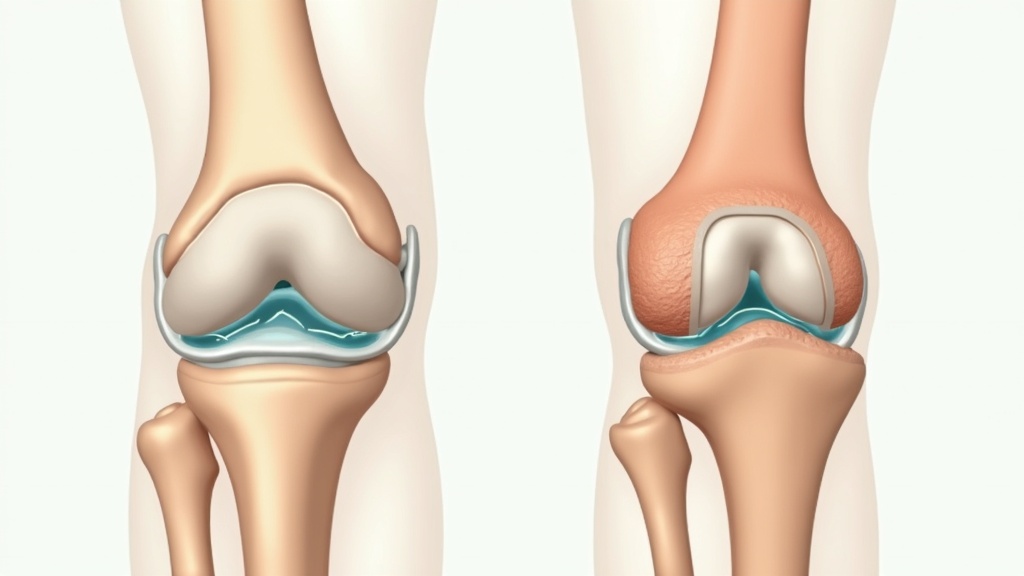
When it comes to joint health, misconceptions abound, particularly regarding the relationship between exercise and wear-and-tear on our joints. Many individuals fear that engaging in physical activity may worsen joint pain or lead to injuries. This belief can lead to a sedentary lifestyle, which ironically contributes to greater joint issues over time. Understanding this dynamic is essential for making informed choices about physical activity and protecting joint health.
The complexity of this topic stems from the interplay between various factors, including individual health conditions, the types of exercises performed, and the overall lifestyle choices we make. Simple, one-size-fits-all advice often fails to address the unique experiences and physical needs of each person. Thus, it’s crucial to dive deeper into specific concerns, clarifying common misunderstandings about exercise's role in joint health.
By fostering a nuanced understanding of this relationship, individuals can better navigate their exercise routines, applying strategies that promote joint health. This not only enhances physical function but also contributes significantly to overall well-being as we age. Let's explore some of these pivotal questions that can clarify the intricacies of exercise and joint health.
Why do many people believe that exercise can damage joints?
Many people hold the belief that exercise leads to joint damage due to commonly shared misconceptions about wear-and-tear. This issue is compounded by societal narratives that tie joint pain directly to physical activity. In reality, what many fail to understand is that joints are designed to move; they thrive on the very movement people often shy away from. Lack of activity can cause joints to stiffen and weaken, creating a cycle of discomfort that reinforces fears surrounding exercise.
Moreover, anecdotal accounts often emphasize negative experiences, lending weight to this misconception. Individuals experiencing joint pain after exercise may attribute that discomfort solely to the activity itself rather than to other potential factors, such as improper techniques, injury history, or pre-existing conditions. As a result, the fear of exacerbating joint issues can discourage people from engaging in beneficial physical activity.
Understanding the nuanced relationship between movement and joint health reveals that the right type of exercise—especially low-impact activities like swimming or cycling—can enhance joint strength and function. Therefore, this fear must be addressed through education and personalizing exercise choices to suit individual capabilities.
What happens when individuals stop exercising due to joint pain?
When individuals stop exercising because of joint pain, they often experience adverse long-term consequences. Initially, rest may seem like the logical approach to prevent further damage; however, inactivity can lead to stiffness, weakened muscles, and ultimately decreased joint stability. This phenomenon occurs because our joints require movement to maintain their health and effectiveness. Without regular exercise, the muscles surrounding the joints can weaken, making the joints more susceptible to injury.
Furthermore, a sedentary lifestyle can lead to weight gain, which imposes additional stress on the joints, particularly weight-bearing ones like knees and hips. Increased body weight can exacerbate pre-existing conditions, such as osteoarthritis, creating a vicious cycle that makes movement even more uncomfortable and further deters individuals from exercising.
Therefore, addressing joint pain proactively through appropriate forms of exercise can be beneficial. Programs tailored to the individual's needs can help manage pain while strengthening the surrounding muscle tissue, ultimately improving overall joint function and quality of life. Finding a balance between rest and activity is key to breaking the cycle of pain and inactivity.
Is it actually better to avoid high-impact exercise as we age?
The notion that high-impact exercises should be completely avoided as we age is overly simplistic. While it’s true that certain high-impact activities, such as running or jumping, could pose risks for some individuals—especially those with pre-existing joint conditions or insufficient fitness levels—this does not mean these exercises are inherently harmful for everyone. The key lies in knowing one's body and capabilities.
Low-intensity modifications or cross-training can allow older adults to engage in high-impact activities safely. For instance, performing high-impact workouts on softer surfaces or using proper footwear and techniques can minimize the risk of injury. Furthermore, incorporating strength training and flexibility exercises can provide the stability needed to perform high-impact workouts safely.
Ultimately, it’s essential to understand that maintaining joint health often requires a varied approach, potentially including both high and low-impact exercises. Consulting with a healthcare professional or physical therapist can help address individual risks and establish a balanced routine that promotes joint health and overall fitness.
What do most people misunderstand about joint pain during exercise?
Many people often conflate joint pain experienced during exercise as an indicator of damage or an impending injury, leading them to abandon their physical activities altogether. This misunderstanding stems from the inability to differentiate between acceptable discomfort from exertion and true pain arising from injury. In fact, some degree of discomfort can be a natural response when challenging the body, especially during a new or intense workout routine.
Acceptable discomfort often manifests as muscle fatigue rather than pain originating from the joints themselves. It’s crucial to pay attention to the body’s signals and recognize when to push through discomfort versus when to stop. An effective strategy involves differentiating between “good” discomfort associated with exercise and “bad” pain that indicates potential injury, allowing individuals to navigate their exercise routines safely.
Moreover, the presence of joint pain does not necessarily imply that one should stop exercising entirely. Working with a knowledgeable trainer or physical therapist can help tailor an exercise regime that respects existing discomfort while facilitating further growth in strength and flexibility. Understanding these distinctions can empower individuals to stay active without the fear of damaging their joints.
How does improper exercise technique affect joint health over time?
Improper exercise technique can significantly impact joint health by placing excess stress on the joints and surrounding tissues. For instance, incorrect posture during weightlifting can lead to misalignment of joints, resulting in chronic pain and potential injuries. Over time, this repetitive stress can contribute to wear-and-tear conditions, such as tendinitis or bursitis, which further exacerbate joint issues.
The consequences of poor technique often extend beyond immediate discomfort; individuals may inadvertently reinforce harmful movement patterns that affect their biomechanics negatively. This reinforces the importance of developing an understanding of one’s body and seeking professional guidance when learning new exercises. A solid foundation in proper technique can help safeguard against joint pain and support overall physical health.
Ultimately, investing time into learning correct techniques not only enhances performance but also promotes long-lasting joint health. Regular evaluations of one’s form and technique with a fitness professional can help ensure that individuals remain on the right track while pursuing their exercise goals.
What role does weight management play in joint health when exercising?
Weight management plays a pivotal role in maintaining joint health, particularly for weight-bearing joints such as knees, hips, and ankles. Excess body weight can create significant stress on these joints during daily activities and exercise, increasing the risk of injury and exacerbating conditions such as arthritis. When individuals effectively manage their weight through a balanced diet and regular exercise, they can alleviate this excess strain on their joints.
However, it’s essential to recognize that achieving and maintaining a healthy weight is not solely about calorie restriction; it also requires a holistic approach to health that includes engaging in regular physical activity. Exercising not only aids in weight loss but also improves muscle strength and joint stability, creating a supportive environment for the joints. This approach can be particularly beneficial for individuals already experiencing joint pain or mobility issues.
Thus, engaging in both aerobic and strength-training exercises can assist with weight management while enhancing joint function. This multifaceted strategy fosters a healthier lifestyle overall, leading to improved long-term outcomes for joint health.
How does strengthening muscles around joints impact overall joint health?
Strengthening the muscles surrounding joints plays a crucial role in supporting joint health and improving overall physical function. These muscles act as protective buffers, helping to stabilize the joints during movement. By enhancing the strength of these stabilizers, individuals can reduce their risk of injury and alleviate stress on the joints themselves. This is particularly important for individuals with existing joint pain or conditions, as stronger muscles can help distribute loads more evenly across the affected joints.
Moreover, when muscles are adequately strengthened, they can better absorb shock and provide support throughout physical activities. As a result, proper muscle strength can assist in creating an effective support system, minimizing joint strain during repetitive movements. This balance is especially beneficial during high-impact exercises where the risk of overstressing the joints is greater.
Incorporating resistance training into one's fitness regime not only strengthens the supportive muscles but also enhances joint function and overall mobility. Engaging in a well-rounded fitness program that prioritizes both strength training and flexibility can yield significant dividends in joint health and longevity.
| Thinking Pattern | Concerns | Recommended Approach |
|---|---|---|
| Fear of joint damage from exercise | Potential pain or injury | Focus on low-impact options and professional guidance |
| Believing inactivity will help | Worsening stiffness and weak muscles | Incorporate suitable, gentle exercises |
| Assuming all high-impact is harmful | Missed fitness benefits | Explore safe modifications and strengthening |
| Conflating discomfort with pain | Unnecessary cessation of activity | Learn to differentiate between exercise discomfort and pain |
| Ineffective techniques | Chronic pain development | Prioritize learning proper form and technique |
| Overlooking weight management | Increased joint strain | Adopt holistic fitness and nutrition practices |
| Insufficient muscle strength | Higher injury risk | Engage in strength training for joint support |
Understanding How Exercise Can Benefit Joint Health Over Time

Joint health is a critical aspect of maintaining overall physical wellness, especially as we age. Many people are surprised to learn that exercise can actually strengthen joints rather than harm them, countering long-held misconceptions about wear-and-tear. It’s essential to understand the complex relationship between physical activity and joint health, as this can play a pivotal role in preventing chronic pain and enhancing mobility.
Debunking the myth that exercise is detrimental to joints allows individuals to make informed decisions about their fitness routines. While some wear-and-tear on joints is natural, the benefits of movement—when performed correctly—greatly outweigh the risks. Understanding this dynamic is crucial for anyone looking to embrace an active lifestyle, especially for those with existing joint concerns.
-
The Role of Synovial Fluid
One of the primary mechanisms through which exercise benefits joints is the stimulation of synovial fluid production. This lubricant is essential for joint health, reducing friction and enabling smooth movement.
Regular movement encourages the flow of this fluid, providing nourishment to the cartilage and keeping joints healthy. Without adequate movement, the joints can become stiff and more prone to injury.
-
Improved Muscle Strength
Strengthening the muscles surrounding a joint can help to alleviate pressure on the joint itself. Stronger muscles provide better support, leading to increased stability and reduced risk of injury.
Incorporating strength training into your exercise regimen can enhance the performance of these muscle groups, reinforcing joint structure.
-
Watch This Insightful Take from an Orthopedic Surgeon
This video elaborates on the importance of healthy joints and shares expert insights on how appropriate exercise can benefit joint health. With a professional from the field, you get a firsthand perspective on maintaining joint functionality.
The video serves as a powerful reminder that understanding joint functionality requires insights from experienced professionals. By aligning exercise with medical advice, individuals can make better-informed decisions regarding their joint health.
-
Weight Management
Maintaining a healthy weight is crucial for lessening the load on weight-bearing joints, such as the knees and hips. Even a small percentage of weight loss can drastically lessen the stress imposed on these joints.
Exercise not only supports weight loss but also plays a vital role in preventing obesity-related joint issues in the long run.
-
Enhanced Flexibility
Stretching and flexibility exercises improve the range of motion in joints, which is essential for daily tasks and overall function. Enhanced flexibility can help prevent stiffness and reduce the likelihood of injuries.
Incorporating yoga or pilates can be beneficial for achieving these flexibility goals, ensuring that joints remain limber and agile.
-
Another Perspective from Runners Concerned About Joint Health
This video explores common concerns among runners regarding joint health and demonstrates how exercise can be a safe and effective way to maintain healthy joints.
This video reinforces the idea that with proper training and understanding, running and similar high-impact activities can be performed safely, allowing participants to enjoy the benefits of cardiovascular fitness while caring for their joints.
-
Balanced Nutrition
Nutritional choices can significantly affect joint health. Consuming anti-inflammatory foods can facilitate joint recovery and reduce wear. Omega-3 fatty acids, antioxidants, and lean proteins play a vital role in joint upkeep.
A balanced diet supports overall health, enhancing the effectiveness of regular exercise in promoting joint wellness.
-
Consistency Over Intensity
The frequency of exercise matters more than intensity when it comes to joint health. Establishing a routine that incorporates moderate exercise regularly is more beneficial than sporadic high-intensity workouts.
Being consistent helps build endurance and strength, ultimately supporting joint health in a sustainable way.
| Exercise Benefit | Description | Long-Term Impact |
|---|---|---|
| Synovial Fluid Production | Stimulates joint lubrication for smoother movement. | Reduced friction and joint stiffness. |
| Muscle Strength | Strengthens surrounding muscles for better joint support. | Increased stability and reduced injury risk. |
| Weight Management | Helps maintain a healthy weight to reduce joint stress. | Minimized risk of obesity-related joint issues. |
| Enhanced Flexibility | Improves range of motion and reduces stiffness. | Better overall functionality in daily life. |
| Nutrition | Supports recovery and reduces inflammation. | Promotes long-term joint health and functionality. |
Effective Strategies to Enhance Joint Health Through Exercise
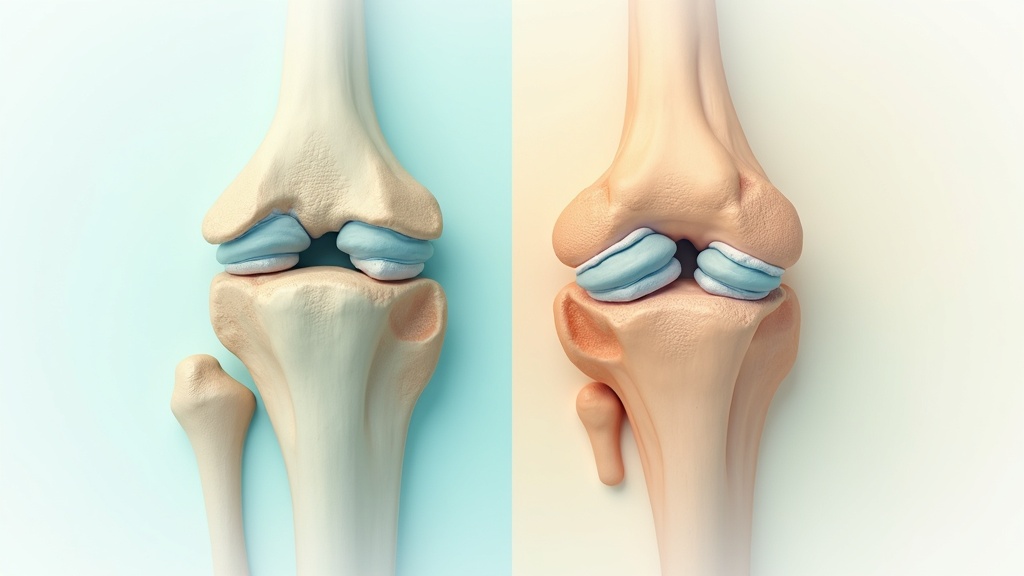
Understanding how to care for your joints with proper exercise can be a challenge. Many individuals grapple with the misconception that movement and exercise exacerbate wear-and-tear on joints. This fear often leads to inactivity or opting for overly cautious approaches that can contribute to further declines in joint health. Misunderstanding the science behind joint function and the role of exercise can impede progress toward better health, resulting in stiffness, weakness, and mobility issues that can significantly affect daily life.
Correct execution of exercise techniques is crucial because the right movements not only strengthen the muscles surrounding the joints but also enhance flexibility and overall mobility. Consistent, judicious exercise can help maintain joint integrity and function, counteracting the effects of aging and wear. Without the right knowledge and approach, however, individuals may miss out on the profound benefits that physical activity can have on both joint health and overall wellbeing.
Identify Your Joint Health Goals
Understanding your specific goals for joint health can guide your exercise choices. Whether your aim is to enhance flexibility, reduce pain, or build strength, having a clear objective will help you stay focused and motivated. For example, if your goal is to improve flexibility, incorporating stretches and mobility exercises will be essential. On the other hand, if pain relief is your primary focus, low-impact activities such as swimming might be more appropriate.
Setting measurable and realistic goals can provide a benchmark for your progress. Avoid setting goals based solely on external factors such as weight loss. Instead, prioritize how you feel during and after exercise. Regularly reassessing your objectives can help maintain motivation and refine your strategies as your body’s needs change.
Choose Joint-Friendly Exercises
Selecting the right forms of exercise is vital in promoting joint health. Low-impact options like swimming, cycling, and yoga can help maintain cardiovascular fitness while minimizing stress on joints. These activities allow for movement without the jarring impact that higher-intensity sports can inflict.
It’s important to integrate a variety of exercises that promote strength, flexibility, and balance. Strength training on non-consecutive days, for instance, can enhance muscle support around joints, reducing the risk of injury. Additionally, balance exercises can prevent falls, a common concern as we age. Focus on a balanced routine that combines strength, flexibility, and aerobic activity to maintain robust joint functionality.
Warm-Up and Cool Down Effectively
All exercise sessions should begin with a warm-up to increase blood flow to the muscles and prepare the joints for movement. A proper warm-up can include dynamic stretches or light aerobic activities. Not only does this practice reduce the risk of injury, but it can also enhance your performance during the workout by preparing your body for movement.
Equally important is cooling down after physical activity. A gentle cool-down consisting of static stretches can facilitate recovery and improve flexibility, helping your joints and muscles reset back to resting state. Consistency with these practices is key—they’re not just nice-to-haves but essential components of an effective joint health regimen.
Listen to Your Body
Tuning into your body’s responses during exercise is critical for joint health. Pain should never be ignored, and regular discomfort could signal that you are overextending beyond your capacity or performing movements incorrectly. It’s essential to differentiate between physical discomfort from exertion and pain that indicates potential harm or injury.
Keeping a workout journal can be beneficial in identifying patterns such as which exercises trigger discomfort or which routines leave you feeling invigorated. If a certain movement causes pain, consider modifying the exercise or substituting it for a lower-impact alternative. Patience is critical—finding the right routine may take time, but the effort is well worth it in the long run.
Prioritize Rest and Recovery
Rest is often overlooked but crucial for joint health. Muscles and joints need time to recuperate from exercise. Overdoing it can lead to strain and injuries, counteracting all the hard work you’ve put in. Incorporating recovery days into your schedule is essential for allowing your body to repair itself and effectively adapt to physical activity.
In addition to scheduled rest days, incorporate active recovery practices such as gentle movement or restorative yoga into your routine. These can help reduce stiffness and enhance blood circulation without placing additional strain on your joints. Pay attention to how your body feels during these recovery phases—this will guide you in reducing fatigue and maintaining performance as you progress.
Seek Professional Guidance if Necessary
Consulting with a fitness professional or a physical therapist can provide invaluable insights tailored specifically to your joint health needs. They can assist in creating a targeted exercise plan based on your unique abilities and challenges. Investing in professional guidance may prove essential, especially if you have existing joint concerns or health conditions that warrant specific attention.
Additionally, education on proper techniques and preventive strategies for joint care can foster independence in managing your health. Empowerment through knowledge can make a significant difference in implementing the right methods for yourself, allowing you to adapt and optimize your exercise routine as needed.
This video showcases a series of joint-friendly exercises designed specifically for improving joint health. It connects directly with the topic by illustrating how to perform movements that support rather than strain your joints. Watching demonstrations can help solidify your understanding of proper form and technique, essential for reducing the risk of injury as you incorporate these exercises into your routine.
| Approach | Advantages | Considerations |
|---|---|---|
| Low-Impact Exercises | Less stress on joints; effective for endurance | May not build as much strength |
| Strength Training | Increases muscle support; protects against injury | Must maintain proper form to avoid injury |
| Flexibility and Mobility Work | Reduces stiffness; improves range of motion | Consistency required for lasting benefits |
| Active Rest Days | Promotes recovery; aids in maintaining circulation | Requires discipline to not overexert |
This second video offers additional examples of mobility exercises, further emphasizing the importance of movement for joint health. The content complements the previous insights by highlighting different styles of exercise that can be tailored for all fitness levels, reinforcing the core message that proactive movement is essential for optimal joint function.
Common Mistakes to Avoid
- Ignoring discomfort—pushing through pain can lead to injury.
- Choosing overly high-impact activities without proper conditioning.
- Neglecting to warm up or cool down, increasing injury risk.
- Failing to listen to the body's feedback during exercise.
- Overtraining without adequate recovery leads to burnout.
- Skipping professional advice and guidance when needed.
Assessing Your Progress
Measuring progress in joint health can be complex. Consider evaluating criteria such as pain levels, ease of movement, and overall physical functionality. Tracking these factors over time can help you identify whether your strategies are effective. Remember that improvement may be gradual, and the journey often varies dramatically from person to person.
Avoid putting undue pressure on yourself to achieve rapid results; focus instead on sustainable changes that lead to long-term benefits. Celebrate small victories and recognize that maintaining joint health is a lifelong endeavor that involves continuous adjustments and learning about how your body reacts to various forms of exercise.