
Understanding the Connection Between Hearing Loss and Cognitive Decline
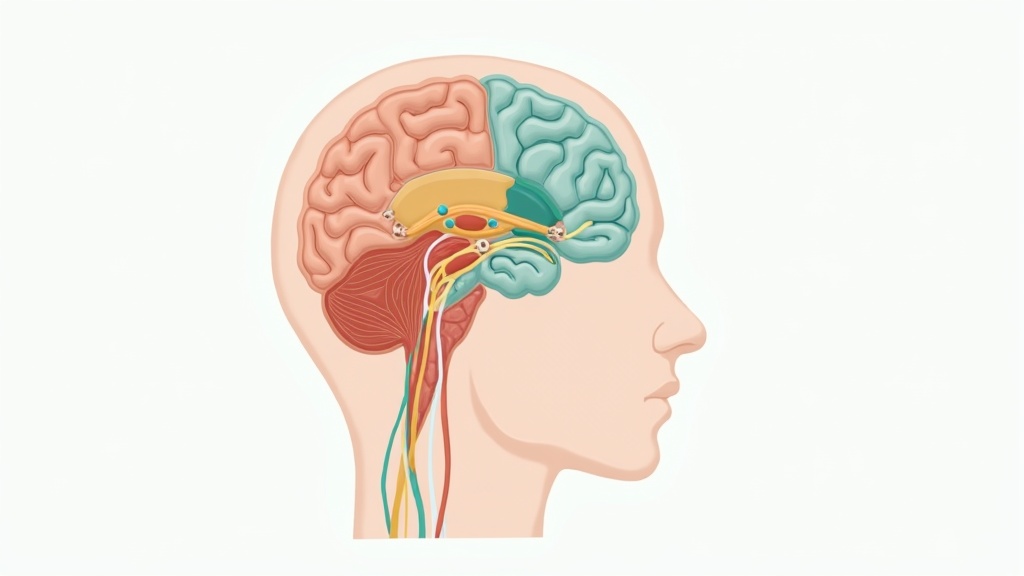
The relationship between hearing loss and an increased risk of dementia is often overlooked, leading to widespread misunderstandings. Many people assume that hearing loss is simply a natural part of aging, but it's increasingly clear that untreated hearing loss may have far-reaching consequences for brain health. The nuances in this connection make it essential to scrutinize not just the symptoms of hearing loss but also the overall impact on cognitive function. This complexity often leaves individuals confused about the urgency and importance of seeking treatment.
When faced with decisions regarding hearing aids and other treatments, the lack of clear information can create hesitation. People frequently weigh the inconvenience and perceived stigma of using hearing devices against the potential cognitive consequences of ignoring their hearing loss. Additionally, understanding the long-term implications of untreated hearing loss can illuminate how crucial early intervention can be, making the decision all the more challenging.
Simple advice such as "get your hearing tested" often fails to capture the intricate realities surrounding this issue. The connection to dementia risk introduces a multitude of variables—social engagement, mental health, and financial considerations—that complicate straightforward guidance. Exploring these questions can demystify the relationship between hearing loss and cognitive decline, offering insights crucial for making informed decisions.
Why do many people underestimate the risk of dementia associated with hearing loss?
The underestimation often stems from a lack of awareness regarding the connection between auditory health and cognitive functions. Many individuals view hearing loss as an isolated challenge, disconnected from their overall mental wellbeing. This perception can be dangerous; research increasingly indicates that untreated hearing impairment can lead to social isolation and cognitive load on the brain, increasing dementia risk over time. Without adequate understanding, individuals may not prioritize necessary treatments that could mitigate these risks.
Furthermore, societal attitudes towards aging and hearing loss may contribute to downplaying its seriousness. Hearing loss is commonly normalized as a mere facet of growing older, while the potential cognitive ramifications rarely receive the attention they warrant. This cultural narrative can lead individuals to accept hearing decline as inevitable, overlooking the proactive steps they could take to preserve cognitive health.
Ultimately, it becomes crucial to confront these misconceptions directly. Listening to the research and hearing healthcare professionals on the significant interplay between hearing loss and dementia risk can help individuals realize the urgency of seeking assessments and treatments. Ignoring the issue may not just lead to communication challenges but also increase the risk of cognitive decline.
What do most people misunderstand about the role of hearing aids in dementia prevention?
A common misconception is that hearing aids are merely a quality-of-life accessory rather than a crucial intervention for cognitive health. Many people assume that if they can sustain a comfortable conversation or hear the television adequately, they don’t require a hearing aid. This thinking can cause individuals to miss out on the protective benefits that addressing hearing loss with proper technology can provide.
Research indicates that hearing aids can help reduce cognitive load, thereby minimizing the risk of cognitive decline. By restoring auditory input, individuals are better equipped to engage socially, thus preserving cognitive functions. However, the reluctance to adopt hearing aids stems from concerns about appearance, functionality, or potential stigmas, leading many to delay or avoid using them altogether.
Moreover, the journey towards effective hearing aid usage is often misunderstood. Individuals may believe that purchasing a hearing aid is a one-size-fits-all solution; however, optimal outcomes often require professional fitting, adjustments, and ongoing support. Emphasizing this comprehensive approach can help individuals see the importance of auditory devices in their broader health and wellness strategy, particularly regarding dementia prevention.
How does untreated hearing loss affect mental health in older adults?
Untreated hearing loss significantly impacts mental health, as individuals often experience feelings of frustration, isolation, and even depression when they struggle to communicate. The cognitive exertion required to interpret muffled sounds or lip-read can lead to increased mental fatigue, further compounding feelings of anxiety and withdrawal from social situations. Consequently, this social disengagement often precipitates a downward spiral into loneliness, which itself is a risk factor for dementia.
Importantly, it’s not just the act of hearing that is affected but also the emotional and psychological well-being tied to those interactions. In social settings, when retired individuals or the elderly find it challenging to follow conversations, they may choose to withdraw altogether, exacerbating feelings of isolation. This isolated state can become a fertile ground for cognitive decline, as social interaction is fundamental to maintaining cognitive vitality.
Understanding the interplay between hearing loss, social engagement, and mental health highlights the need for a holistic approach to treatment. Tackling hearing loss effectively can alleviate mental health burdens and foster more robust cognitive health, offering older adults a fuller, more interconnected quality of life.
What happens when individuals delay treatment for hearing loss?
Delaying treatment for hearing loss can have increasingly detrimental effects, both physically and mentally. Research illustrates that individuals who postpone seeking help for hearing issues often experience accelerated cognitive decline due to the lack of stimuli to the brain. The auditory system and brain work closely, and when hearing loss goes unaddressed, the neural pathways may begin to atrophy, resulting in faster cognitive deterioration.
Furthermore, the longer treatment is delayed, the more challenging rehabilitation can become. When intervention occurs late, regaining hearing ability might become more complicated, requiring more intensive therapies as compared to early-stage treatment. This can lead to greater frustration for the individual, as well as increased financial burdens associated with more complex solutions.
Individuals must also consider the potential impact on their social circles. As communication breakdowns become more pronounced, friends and family might struggle to maintain connections, which could lead to further isolation. This accumulated effect underscores the urgency of timely intervention, reinforcing the idea that treating hearing loss isn't just about hearing better; it’s about preserving overall cognitive and social health.
Is it actually better to rely on family support rather than seeking professional help for hearing loss?
Many individuals perceive family support as a sufficient resource for managing hearing loss, which can often lead to detrimental outcomes. While the assistance of loved ones plays a vital role, relying solely on family can obscure the need for professional evaluation and solutions. Family members may unintentionally reinforce reliance on suboptimal strategies that fail to address underlying issues, such as distorted sound perception or communication breakdowns.
Additionally, family support might foster a sense of complacency regarding the need for professional intervention. Individuals may feel that their loved ones will facilitate communication effectively, dissuading them from seeking proper diagnostic evaluations or treatments that can enhance auditory perception. This reliance can detract from opportunities for targeted therapies or technologies that significantly improve quality of life.
Seeking professional help takes the pressure off family dynamics and provides individuals with access to updated information and solutions tailored to their specific needs. Without expert guidance, individuals run the risk of deteriorating hearing health that could be addressed through proper interventions, which ultimately supports both cognitive functions and familial relationships.
How does early intervention shape long-term outcomes for those with hearing loss?
Research strongly indicates that early intervention for hearing loss can profoundly alter long-term cognitive outcomes. Those who receive timely assessments and treatment are better equipped to maintain strong social networks and cognitive skills compared to those who delay seeking help. Individuals who promptly address hearing loss enjoy a wealth of benefits, including enhanced communication skills, greater social engagement, and often, improved mental health outcomes.
Furthermore, early intervention allows for strategic management of hearing loss that adapts to the evolving needs of the individual. For example, as hearing issues progress, ongoing professional support ensures that the chosen assistive technologies remain effective and relevant. In this way, proactive engagement with hearing health not only centers around hearing but also encompasses maintaining cognitive resilience over time.
Importantly, the mental health benefits of seeking early treatment for hearing loss cannot be overstated. By minimizing feelings of isolation and maximizing interpersonal engagement, individuals bolster their emotional and cognitive wellbeing. Ultimately, investing in early intervention sets a positive trajectory for long-term outcomes, reinforcing the integral link between hearing and cognitive health.
What are the long-term consequences of ignoring hearing loss in younger individuals?
While much of the conversation around hearing loss and dementia risks emphasizes the elderly, younger individuals suffering from hearing loss also face long-term consequences. Ignoring hearing impairments can lead to academic challenges, social anxiety, and a reduced quality of life. The cognitive demands of compensating for hearing difficulties can interfere with academic performance or career advancement, setting a concerning precedent early in life.
Socially, young people with untreated hearing loss often find themselves feeling excluded or reluctant to engage in environments where effective communication is pivotal. As they grow, these challenges can manifest as pervasive issues, potentially leading to long-term mental health problems, such as chronic anxiety or depression. The cycle of isolation and lack of engagement can prove difficult to break, resulting in the cumulative effects of cognitive decline.
Understanding these consequences underscores the urgency of addressing hearing loss at any age. The long-term implications extend beyond the auditory realm, influencing academic, professional, and social domains. Emphasizing early intervention and awareness can help cultivate healthier trajectories for younger individuals grappling with hearing deficiencies, lessening the likelihood of cognitive challenges later in life.
| Perspective | Understanding of Hearing Loss | Value of Early Intervention | Social Implications |
|---|---|---|---|
| Common Beliefs | Perceived as a normal aging process | Believed to be optional or secondary | Often viewed as a personal issue |
| Research Insights | Linked to increased dementia risk and cognitive decline | Critical for maintaining cognitive function and quality of life | Essential for mental health and community engagement |
| Long-Term Consequences | Deteriorating social and cognitive health | Improved outcomes in social, mental, and auditory functions | Enhanced family dynamics and supportive networks |
Understanding the Connection Between Hearing Loss and Dementia Risk

The interconnection between hearing loss and dementia risk is increasingly important in navigating healthy aging. Research shows that untreated hearing loss may be linked to a higher likelihood of cognitive decline, making awareness and proactive measures vital for maintaining both auditory and cognitive health. Understanding this relationship isn’t straightforward; it encompasses various factors, including social engagement, cognitive load, and overall brain health, which together complicate the notion that hearing loss is merely a standalone issue.
-
The Link Between Auditory Processing and Cognitive Function
Hearing loss can result in increased cognitive load, as individuals work harder to discern sounds. This strain diverts mental resources from other cognitive tasks, potentially accelerating cognitive decline. Understanding this interplay is key to recognizing the risks associated with untreated hearing impairments.
A comprehensive evaluation of hearing capabilities can help in identifying at-risk individuals, prompting timely intervention.
-
Social Isolation as a Risk Factor
Untreated hearing loss often leads to social withdrawal due to communication difficulties. This isolation is known to exacerbate the risk of dementia by reducing engagement with stimulating activities and connections with others. Social interaction is crucial for maintaining cognitive health.
Promoting social engagement strategies, such as group activities and supportive technologies, can help mitigate these risks.
-
Advancements in Hearing Technology
The rise of advanced hearing aids and auditory devices offers significant benefits for those with hearing loss. Modern technology not only amplifies sound but may also include features aimed at enhancing speech recognition in challenging environments.
This video illustrates how hearing technology is evolving to better serve individuals facing hearing impairment. Understanding these advancements can empower individuals to seek appropriate solutions—demonstrating that proactive management can notably influence cognitive health.
-
Cognitive Reserve and Its Implications
Cognitive reserve refers to the brain's resilience to injury or disease. Engaging in intellectually stimulating activities, social interactions, and physical exercise can enhance cognitive reserve, making it essential for those with hearing loss to participate actively in such activities.
Monitoring lifestyle choices is important as they contribute meaningfully to building cognitive resilience against dementia.
-
Preventive Measures and Early Intervention
Screening for hearing loss should be an integral part of routine healthcare for older adults. Early detection and intervention through auditory rehabilitation can significantly lower the associated risk of cognitive decline.
Awareness and educational efforts to promote hearing screenings can lead to earlier interventions and better cognitive outcomes.
-
Psychosocial Aspects of Hearing Loss
The psychological effects of hearing loss can be profound, leading to feelings of frustration and, potentially, depression. Addressing these psychosocial factors is critical for overall mental health and can influence cognitive longevity.
This video addresses the emotional journey of those experiencing hearing loss. It underlines the importance of holistic approaches that cater not just to auditory health but also to mental well-being, fostering an understanding of the complete picture in dementia risk management.
-
The Role of Family and Caregivers
Family members and caregivers play a pivotal role in the management of hearing loss. Their understanding and support can facilitate better access to treatment options and encourage individuals to engage socially and intellectually, thereby bolstering cognitive health.
Training caregivers to recognize signs of cognitive decline associated with hearing loss can lead to more informed interventions.
-
Consultation with Healthcare Professionals
Regular consultations with audiologists and other healthcare professionals are essential for comprehensive management of hearing loss. These specialists can provide tailored advice and interventions that address both auditory and cognitive health.
Building a collaborative healthcare team enhances the personalization of treatment plans, making it crucial for individuals facing hearing impairments.
| Aspect | Importance | Recommendations |
|---|---|---|
| Auditory Processing | Increased cognitive load can accelerate decline | Prompt hearing evaluations |
| Social Engagement | Isolation increases dementia risk | Encourage social activities |
| Hearing Technology | Enhances communication effectiveness | Consider modern auditory devices |
| Cognitive Reserve | Resilience against cognitive decline | Engage in stimulating activities |
| Preventive Measures | Early intervention can mitigate risks | Regular hearing screenings |
| Psychosocial Impact | Affects overall mental health | Promote emotional support |
| Family Support | Essential for treatment compliance | Educate caregivers on risks |
| Professional Consultation | Ensures personalized care | Collaborate with healthcare teams |
Steps to Mitigate Dementia Risk Linked to Hearing Loss
Taking actionable steps to address hearing loss is often easier said than done. Many individuals may find themselves in denial about their hearing challenges, dismissing them as a natural part of aging. This hesitation can prevent them from seeking the necessary treatment, which is crucial in mitigating the risk of developing dementia. Moreover, societal stigmas around wearing hearing aids or receiving assistance can complicate a person’s decision-making process, leading to confusion and ultimately inaction.
Understanding the connection between hearing loss and dementia risk is paramount. Research indicates that untreated hearing loss can lead to cognitive decline over time due to social isolation and the cognitive load of straining to hear. Therefore, addressing these issues not only enhances quality of life but also plays a critical role in cognitive health during aging. Recognizing the barriers and challenges is the first step in executing an effective plan to address hearing loss.
1. Recognize the Signs of Hearing Loss
Being proactive about your hearing health starts with recognizing the signs of hearing loss. Symptoms can range from difficulty understanding conversations in noisy environments to frequently asking people to repeat themselves. The importance of awareness lies in the fact that early intervention can lead to better outcomes—not just for hearing but also for cognitive health. Ignoring these signs increases the risk of social isolation, which could lead to mental decline.
If you notice these signs in yourself or a loved one, reflecting on these indicators can catalyze a decision-making process to seek help. Engaging with a professional for a hearing assessment is a constructive next step. This avoids the tradeoff of waiting too long, as untreated hearing loss can exacerbate the chances of developing dementia later on.
2. Schedule a Hearing Evaluation
Once you’ve recognized potential signs of hearing loss, the next crucial step is to consult a healthcare professional for a comprehensive hearing evaluation. This assessment not only identifies the type and extent of hearing loss but can also reveal underlying health conditions contributing to it. A thorough evaluation guides the appropriate course of action, whether it be hearing aids, cochlear implants, or other therapies.
Some individuals may be hesitant to take this step due to fear of bad news or the stigma of needing assistive devices. However, understanding the clear benefits of addressing hearing loss can mitigate this anxiety. Treating hearing issues promptly can significantly reduce the cognitive load on the brain, thereby decreasing the risk of dementia—a realization that can outweigh initially unpleasant emotions of receiving a diagnosis.
3. Explore Treatment Options
After receiving a diagnosis, exploring various treatment options is essential. Common remedies for hearing loss include hearing aids, assistive listening devices, and even surgical options for more severe cases. Each of these solutions has its own set of benefits and drawbacks. For instance, hearing aids enhance sound amplification and clarity, while cochlear implants may offer a more permanent solution for profound hearing loss.
When exploring these options, weigh them against your lifestyle and preferences. Questions like, “Will I be comfortable wearing a hearing aid?” or “How will this treatment affect my social interactions?” are key considerations. Seizing the right treatment can rejuvenate your social life, thus indirectly supporting cognitive health by minimizing isolation.
4. Engage in Social Activities
Social engagement is vital for maintaining cognitive health, especially for those with hearing loss. Once you’ve begun treatment for your hearing issues, actively participating in social activities is a powerful way to combat isolation, which can exacerbate cognitive decline. This includes volunteering, joining clubs, or engaging with family and friends more frequently.
Though it may feel daunting, rejoining social circles can have profound benefits. The brain thrives on interaction and stimulation. Understanding that there may be a learning curve in these environments is important; many people find that regular engagement helps improve their hearing and cognitive responses over time.
5. Integrate Cognitive Exercises
To fortify your cognitive health alongside managing hearing loss, integrating cognitive exercises into your routine can be beneficial. Activities ranging from crossword puzzles to memory games can stimulate the brain and offset cognitive impairment. Mental exercises, especially those that require social interaction like group games, can further enhance benefits by combining auditory processing with cognitive challenge.
While undertaking these exercises, remember that consistency is key. Set realistic goals for yourself, such as completing a certain number of puzzles weekly or joining a game night once a month. The tradeoff of time invested is well worth the potential cognitive benefits, ultimately contributing to lowering the risk of dementia.
6. Monitor Overall Health
Maintaining overall health plays a significant role in reducing the risk of dementia associated with hearing loss. Factors such as nutrition, physical activity, and managing chronic conditions like diabetes or hypertension have proven to be interconnected with cognitive health. A balanced diet rich in omega-3, antioxidants, and vitamins is essential, and regular exercise can improve blood flow to the brain, supporting cognitive function.
As you make changes to improve your hearing and cognitive health, be mindful of how interconnected these areas are. Regular check-ups and being aware of how various lifestyle factors affect cognitive health can ensure that all aspects of your well-being are aligned, ultimately minimizing the risk of dementia.
This video illustrates practical tips for recognizing signs of hearing loss and emphasizes timely action as a critical step toward better overall health. By demonstrating real-life scenarios, it helps viewers connect the dots between hearing health and cognitive wellness, reinforcing the importance of being proactive.
| Option | Pros | Cons |
|---|---|---|
| Hearing Aids | Portable, enhance sound clarity | May require adjustments and regular maintenance |
| Cochlear Implants | Permanent solution for severe loss | Surgical procedure required |
| Assistive Listening Devices | Useful in specific situations, easy to use | Can be cumbersome to carry |
This second video provides a broader perspective on the importance of social engagement in maintaining cognitive health as you address hearing loss. It showcases success stories that could inspire and motivate individuals to take steps toward better hearing, linking it back to the foundational goals of cognitive well-being.
Common Mistakes in Addressing Hearing Loss
- Waiting too long to seek help or assessment
- Overlooking the importance of social engagement
- Failing to consider the trade-offs of treatment options
- Dismissing lifestyle changes that could improve overall health
- Lack of follow-up and ongoing management of hearing loss
Evaluating Success in Hearing Loss Management
To evaluate progress in managing hearing loss and its cognitive implications, set measurable goals such as improvements in hearing tests or enhanced social interactions. Acknowledge that change may take time; tracking small victories, like enjoying a conversation without straining, can help maintain motivation. Focus on both short-term wins and long-term health, realizing that good practices in hearing health contribute significantly to reduced dementia risk over the years.