
Are Brain Training Games All They're Cracked Up to Be?

The conversation surrounding brain training games is often charged with both enthusiasm and skepticism. The appeal lies in the promise of improved cognitive functions, from memory enhancement to sharper problem-solving skills. However, it's easy to get lost in the allure of gamification and overlook the nuances regarding their actual effectiveness. Many consumers jump to conclusions based on anecdotal evidence or marketing claims rather than solid research, leading to confusion about how best to allocate time and resources toward cognitive enhancement strategies.
Compounding this misunderstanding is the complexity of cognitive aging itself. The brain is not a static organ; its abilities and functionalities can change over time due to various factors, including lifestyle choices, mental and physical health, and even genetics. People often want simple, clear answers without considering these multifaceted influences, which leads to oversimplification. Choosing to invest in brain training games can feel like an easy shortcut to preserving mental agility, but it raises significant questions about long-term outcomes and the real value of such interventions in the broader context of cognitive health.
Ultimately, the lack of consensus in research findings adds another layer of complexity. While some studies tout benefits, others suggest minimal gains, creating ambiguity for those looking to optimize their brain health. In navigating this landscape, it's crucial for individuals to understand the underlying science, potential trade-offs, and the importance of a holistic approach to mental agility rather than relying solely on games as a standalone solution.
Why do many people believe brain training games are miracle solutions?
The enthusiasm for brain training games often stems from their appealing marketing, which paints a picture of rapid cognitive enhancement with minimal effort. Consumers are constantly bombarded with advertisements claiming that these games can improve memory, attention, and problem-solving abilities in mere minutes a day. This enticing narrative can create a strong belief that simply playing these games will yield miracle-like improvements in mental acuity.
However, this belief often overlooks the complexity of cognitive development and maintenance. Many players neglect to recognize that effective brain health involves a combination of strategies, including physical exercise, healthy eating, social interaction, and more. Merely focusing on one method, like brain games, can lead to disappointment when desired outcomes do not materialize as swiftly as expected. Consequently, individuals may find themselves frustrated, not realizing that cognitive benefits take time and may require a more comprehensive approach.
It’s also easy to misconstrue initial improvements as indicative of long-term gains. While players may see immediate benefits, often referred to as "practice effects," this does not necessarily translate into improved daily functioning outside the gaming environment. Thus, understanding the limits of what brain training games can truly offer is critical for consumers aiming for genuine cognitive enhancement.
What happens when someone relies solely on brain training games for cognitive improvement?
Relying exclusively on brain training games can yield an array of unintended consequences that may hinder comprehensive cognitive health. The narrow focus on these games often leads users to overlook other essential activities that contribute to brain health, such as physical exercise and mental challenges found in real-world situations. This lack of a holistic approach means that players may miss out on developing critical cognitive skills that aren't addressed by gaming alone.
Furthermore, consistently engaging with the same types of games can lead to cognitive stagnation. Players may enjoy the familiarity and routine of their chosen games but risk becoming less adaptable to new challenges, which is a crucial aspect of maintaining cognitive flexibility. Without introducing varying types of cognitive demands through diverse activities, individuals may unwittingly limit their overall cognitive growth.
Finally, placing too much emphasis on brain training games can foster a false sense of security regarding cognitive decline. While it’s commendable to pursue avenues of mental engagement, individuals must remain vigilant about other, unaddressed aspects of mental health. Failure to do so may inhibit one's ability to recognize and respond to actual cognitive deficits, leading to missed opportunities for treatment or intervention.
What do most people misunderstand about the duration and consistency of brain training sessions?
A common misconception surrounding brain training games is the assumption that simply logging a few hours of playtime is sufficient for reaping significant cognitive benefits. In truth, the duration and consistency of engagement are paramount in determining efficacy. Casual players who only indulge occasionally may notice little to no improvements, leading them to dismiss these games entirely. This disconnect reveals a misunderstanding of how repetition and cognitive challenge contribute to neural pathways and brain plasticity.
Individuals who embark on a brain training journey must recognize that sustained and focused practice is more beneficial than erratic, short bursts of gameplay. To experience real gains in cognitive capacity, players need to commit to a structured regimen that mirrors traditional learning principles—consistency, incremental difficulty, and duration. This commitment allows the brain to adapt and strengthen over time, cementing the skills gained through training games into everyday cognitive function.
Moreover, consistent engagement offers users the opportunity to track their progress more accurately, raising awareness of their cognitive strengths and weaknesses. Without long-term commitment, it’s challenging to gauge effectiveness, potentially leading to premature conclusions about the suitability or effectiveness of brain training games.
How do brain training games compare to traditional methods for cognitive enhancement?
The appeal of brain training games lies not just in their novelty but in how they differ from more traditional cognitive enhancement methods, such as memory exercises or puzzles. While the latter often require deeper introspection and analytical skills, brain training games tend to focus on fast-paced engagement and immediate rewards, which can sometimes mask their long-term value. This difference defines the types of cognitive skills each method develops, and both have their pros and cons.
Traditional methods often involve a more rigorous and comprehensive approach, such as reading, problem-solving, and engaging in intellectually stimulating conversations. These methods foster critical thinking and cognitive flexibility, skills that are essential for navigating complex problems. However, traditional avenues may not engage users in the same way as games, potentially leading to lower adherence rates.
Conversely, while brain training games may enhance specific skills significantly, critics argue they may not translate to broader, real-world applications. Benefits observed in game contexts might not reflect improved performance in areas like decision-making, planning, or complex problem-solving outside the confines of gaming. This raises the crucial question for potential users: Is the focus on improving niche cognitive functions worth it if it does little to advance abilities that matter in everyday life?
What are the hidden challenges associated with brain training programs?
Consumers often overlook the hidden challenges that accompany brain training programs, primarily due to the optimistic marketing tactics employed by developers. One major issue is the potential for cognitive fatigue. Engaging in high-intensity brain training sessions may lead to burnout, wherein users experience diminished interest or even negative effects on mood and confidence. This paradox can discourage ongoing participation, ultimately undermining the intended cognitive benefits.
Furthermore, misguided expectations can create undue pressure. Many users enter into training with the belief that they will experience significant gains within short timeframes. Reality may offer a different experience, resulting in disappointment and frustration over limited progress. This could lead to abandonment of the program altogether, undermining the cumulative effects that stretch over time.
Additionally, there's the risk of developing a "gaming mentality," where users source enjoyment and validation solely through their progress in brain training games. This can obscure the importance of other enriching life experiences and potentially minimize opportunities for social engagement—activities closely correlated with cognitive health. Understanding these hidden challenges is essential for users to set realistic expectations and engage with brain training programs more effectively.
Is it actually better to diversify cognitive engagement rather than focusing on one type of game?
Diversifying cognitive engagement, rather than concentrating solely on one type of brain training game, is generally more beneficial for comprehensive cognitive health. Engaging in a variety of activities fosters cognitive flexibility, a crucial component for adapting to new challenges and problem-solving across different contexts. When individuals focus exclusively on a single type of game, they might develop expertise in that area but neglect other cognitive skills vital for holistic mental fitness.
Moreover, diverse cognitive engagement can promote a broader range of neural connections, balancing the load across various cognitive functions. This diversification allows users to experience varied skill sets, from analytical abilities to creative thinking. This variety not only keeps engagement levels high but also translates to better real-world problem-solving skills, as users learn to meld different strategies and styles.
Finally, focusing on diverse activities can help prevent cognitive burnout that might occur from repetitive gaming experiences. Engaging in different types of mental activities—such as tackling puzzles, learning new skills, or even partaking in social discussions—offers mental stimulation while keeping the experience fresh and enjoyable. This variety can enhance overall cognitive vitality, making an appeal for a well-rounded approach to mental engagement.
How does brain training impact long-term cognitive aging?
The effects of brain training on long-term cognitive aging are a subject of ongoing inquiry and debate within the scientific community. While some studies suggest brain training can positively influence elements of cognitive health—particularly in younger populations—other research points to limitations in translating these benefits into long-term aging outcomes. Thus, the connection remains complex and requires careful consideration.
Understanding these dynamics is essential for those seeking to preserve cognitive health as they age. If brain training games do not enhance overall functional cognition in everyday life, individuals may find their limited impact disappointing as the years go by. However, if these games are integrated into a more holistic lifestyle—combined with physical activity, social interaction, and lifelong learning—they may contribute meaningfully to overall cognitive resilience as one ages.
Additionally, there’s the factor of individual differences; what works for one person may not yield the same effects for another. As such, it's important to consider personalized approaches to brain training, influenced by the individual’s unique cognitive profile and lifestyle. Emphasizing a variety of cognitive engagement strategies is vital for maximizing long-term benefits, ultimately protecting the brain from the inevitable aging process.
Unpacking the Impact of Brain Training Games on Cognitive Health

As we age, maintaining cognitive vitality becomes a central concern for many. Brain training games have surged in popularity, promising improvements in memory, attention, and problem-solving skills. However, amid a myriad of options, the effectiveness of these games often elicits skepticism. Understanding their true impact demands careful consideration of the available research and underlying principles of cognitive function.
While engaging in brain training activities may seem like a straightforward solution, the reality is more complex. The relationship between these games and genuine cognitive enhancement varies greatly across individuals and can be influenced by numerous factors, including the type of game, duration of play, and engagement levels. Here, we outline critical insights that can help decipher the value of brain training games for enhancing cognitive health.
-
Cognitive Flexibility
Brain training games often encourage players to switch tasks and adapt their strategies, fostering cognitive flexibility. This shift in thinking is crucial for combating the rigidity associated with age-related decline.
Engaging in diverse gaming challenges not only enhances one’s ability to adapt but also stimulates brain regions associated with problem-solving. Such mental workouts can translate into improved real-life problem-solving abilities.
-
Attention Enhancement
Many brain games are designed to improve specific aspects of attention, such as sustained and selective attention. By consistently practicing these skills, players may experience an improvement in their everyday focus.
Increased attention can lead to enhanced performance in both social and professional settings, allowing individuals to navigate conversations and tasks more effectively. Borrowing from cognitive psychology, attention is a foundational element for learning, thus underlining its importance.
-
Neural Plasticity in Action
Scientific research has shown that the brain remains plastic—capable of forming new connections—well into old age. Games that promote cognitive engagement can encourage this neural plasticity, laying a foundation for cognitive resilience.
This video highlights the concept of training your brain akin to muscle training, emphasizing that the same effort that strengthens our bodies applies to brain health. The importance of consistent mental exercise cannot be overstated—it nurtures the very essence of cognitive health.
The connection between physical exercise and cognitive benefit is profound. It underscores how a proactive approach, both physically and mentally, can lead to long-lasting improvements in brain function.
-
Memory Retention Improvements
Memory games are designed to enhance both short-term and long-term memory. They challenge users to recall information, thereby actively engaging processes that may otherwise decline with age.
Through repetitive practice, these games can lead to better recall abilities in real-life situations, essential for maintaining independence as one ages.
-
Social Interaction Benefits
Cognitive games often incorporate elements that can facilitate social interaction, from cooperative challenges to multiplayer formats. Engaging socially while stimulating the brain enhances the cognitive experience.
- Encourages collaboration and teamwork.
- Provides motivation through shared goals.
- Fosters a sense of community, essential for emotional health.
These interactions not only enrich the gaming experience but also contribute positively to emotional well-being, forming a holistic approach to brain health.
-
Limitations and Misconceptions
A common misconception is that any brain game will suffice for cognitive enhancement. However, the quality and design of the game matter a great deal in shaping the cognitive outcomes.
Not all brain training activities are created equal; thus, discerning which games align with cognitive goals is vital. Research suggests integrating varied forms of cognitive training yields better results than relying on singular gaming experiences.
-
Motivation and Engagement
The cognitive benefits of brain training games largely depend on user engagement. Players who are enthusiastic about the games tend to reap the most rewards, as intrinsic motivation plays a significant role in learning and retention.
Choosing games that captivate interest can lead to sustained engagement, ultimately enhancing the cognitive benefits derived from regular play.
-
Physical Fitness Correlation
Recent studies suggest a strong link between physical health and cognitive function, indicating that brain training games may deliver greater benefits when combined with physical exercise.
This video illustrates how engaging in physical activity contributes to building the brain’s neural pathways. By pairing cognitive training with exercise, individuals can amplify their results.
The harmonious relationship between mind and body is paramount; embracing both aspects can result in superior cognitive health and overall well-being.
| Key Insight | Outcome | Considerations |
|---|---|---|
| Cognitive Flexibility | Enhanced problem-solving | Requires varied gaming strategies |
| Attention Enhancement | Improved focus | Variety of attention tasks needed |
| Neural Plasticity | Forming new brain connections | Consistent engagement is key |
| Memory Retention | Better recall abilities | Varied techniques may yield results |
| Social Interaction | Emotional well-being | Interactive gaming environments help |
| Limitations | Discernment in game selection | Quality over quantity |
| Motivation | Sustained engagement | Choose games that resonate |
| Physical Fitness | Cognitive amplifications | Combine with exercise for best results |
Maximizing Cognitive Gains with Brain Training Games
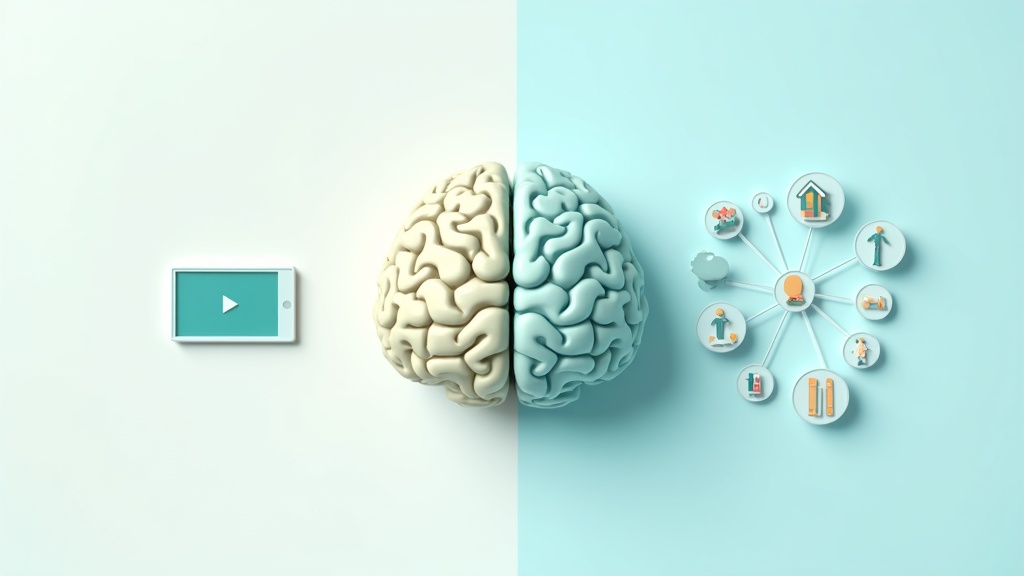
As we navigate the complexities of aging, many people are drawn to brain training games with the hope of enhancing their cognitive abilities. However, a significant barrier lies in the plethora of options available, coupled with the misleading claims often associated with these games. Many individuals are unsure whether these digital exercises genuinely yield appreciable benefits for cognitive aging. The truth is that while some games do offer meaningful engagement for the brain, not all are created equal, and understanding how to choose and utilize them effectively is paramount for actual results.
Correct execution is crucial; merely playing games haphazardly will not foster improvement. Instead, a strategy-focused approach that considers your specific cognitive goals and how they align with the features of the games at hand will bring about the best outcomes. If you’re ready to take action, this guide will equip you with the tools and knowledge to make brain training an effective part of your healthy-aging regimen.
1. Identify Your Cognitive Goals
Before diving into the world of brain training games, it's essential to establish what cognitive abilities you wish to enhance. Are you looking to improve memory, reaction time, problem-solving skills, or perhaps cognitive flexibility? By clearly defining your goals, you can select games that target these specific areas effectively. This tailored approach enhances the likelihood of achieving tangible results and prevents you from becoming overwhelmed by the sheer volume of gaming options.
Moreover, focusing on your goals allows you to track your progress more effectively. For instance, if memory enhancement is your priority, engaging in memory-specific games will yield more measurable improvements than general puzzle games. Be cautious, however; it's easy to set unrealistic expectations based on the quick fixes often promised in marketing. Instead, consider these games as part of a broader approach to maintaining a healthy mind, combined with physical exercise, nutrition, and social engagement.
2. Research Game Credibility
Not every brain training game is backed by solid research. As you explore options, seek out games that have undergone scientific scrutiny and demonstrate genuine cognitive benefits through peer-reviewed studies. Look for details on how these games were tested, what age groups were included, and the long-term effects observed. Credible games often provide transparency about the methodologies used in their development and research findings.
Some games may make exaggerated claims, promising significant cognitive improvements with minimal effort, which can mislead users into thinking they’re making progress when, in fact, they’re not. This is where understanding the evidence behind the games can help safeguard your time and mental resources. Remember, investing time in research may slow down your initial entry into brain training, but it sets the foundation for a more fruitful cognitive journey.
3. Incorporate Variety into Your Training
Engaging in a variety of brain training games is essential for comprehensive cognitive development. Different games target different skills and aspects of cognition, such as critical thinking, hand-eye coordination, or memory recall. By incorporating a mix of games into your routine, you prevent cognitive stagnation and tackle various brain functions more holistically.
Moreover, diverse activities can keep engagement levels high and make the training process more enjoyable. Studies suggest that the more engaged you feel, the more likely you are to commit to regular practice, resulting in better cognitive outcomes. Just as physical fitness routines require variety for optimal health benefits, so too does your brain training regimen.
4. Set a Consistent Schedule
The effectiveness of brain training hinges significantly on consistency. Just as muscles need regular workouts to grow, your brain requires regular exercise to strengthen cognitive pathways. Aim to set aside dedicated time each week specifically for brain training. Even short sessions—around 15-30 minutes, several times a week—can lead to meaningful improvements over time.
Creating a schedule helps establish a habit, reduces resistance to engaging with the games, and can also provide you with measurable benchmarks to track progress. Setting reminders or integrating brain training into your daily routine (like during coffee breaks or commuting) can ensure you stick with it long-term. It's essential to remember that results take time, and building a cognitive exercise habit is the first significant step toward enhancing your mental acuity.
5. Monitor Your Progress
To understand the effectiveness of the brain training games you’re playing, it’s crucial to monitor your progress consistently. Many games come equipped with built-in tracking metrics—such as scores or levels achieved—allowing you to see your improvement over time. However, keep in mind that numerical scores shouldn’t be your only measure.
Consider journaling your experiences in conjunction with quantifiable metrics. Reflect on how you feel during and after gameplay. Have you noticed improvements in real-world scenarios, such as quicker problem-solving in daily tasks or enhanced memory? This qualitative feedback, combined with your numerical scores, provides a clearer picture of cognitive growth.
6. Engage with Others
Engaging with peers in your brain training journey can significantly enhance your experience and motivation. Consider forming a group to play games together, or even share experiences and insights on techniques that have helped you. Group challenges can stimulate competitiveness and camaraderie, providing a social aspect that can increase your enjoyment of brain training.
Moreover, discussing the impact of these games with others can provide valuable perspectives and accountability. You’re more likely to stick with a routine when you share it with a friend or loved one. Keep in mind that learning through social interaction often leads to stronger cognitive connections, thereby enhancing the broader cognitive benefits you’re aiming to achieve.
This engaging video illustrates real-life examples of individuals who have successfully integrated brain training games into their daily lives. It highlights unique approaches and personal anecdotes, shedding light on the practical application of these strategies and the outcomes achieved through engagement and commitment. Observing others’ journeys can inspire and clarify the potential pathways your cognitive enhancement endeavors can take.
| Approach | Potential Benefits | Possible Drawbacks |
|---|---|---|
| General Brain Games | Improved cognitive functioning, broad skill development | May not target specific weaknesses, risk of monotony |
| Specialized Memory Games | Targeted improvement in memory retention | Limited variety might hinder overall cognitive growth |
| Social Brain Games | Enhanced engagement and motivation through social interaction | Performance pressure and distractibility may impact focus |
This second video dives deeper into the cognitive mechanics behind gaming and provides insights on how different types of games can nourish specific areas of brain health. Understanding this connection allows you to strategically choose games and make informed decisions regarding your cognitive training regimen.
Common Mistakes to Avoid
- Ignoring scientific evidence when choosing brain training games.
- Neglecting to define clear cognitive goals before starting.
- Underestimating the importance of consistent practice.
- Falling into a routine with only one type of game.
- Setting unrealistic expectations for rapid cognitive improvements.
- Choosing only ad-driven games that lack substantial research support.
Evaluating Your Success Over Time
To ensure that your brain training routine is effective, establish concrete ways to measure your progress. Rather than solely relying on scores from games, consider how your cognitive skills translate into real-world situations. Are you remembering names better, or solving problems with greater ease? These long-term outcomes often provide the most substantial evidence of cognitive growth.
Additionally, maintain a balanced perspective on improvement. Cognitive training is not a sprint but a marathon. While short-term satisfaction from game scores can feel rewarding, the ultimate goal is resilience and adaptability in cognitive functioning as you age. Tracking both qualitative experiences along with quantitative metrics can help you accurately reflect on your developmental journey without falling into the trap of unrealistic expectations.