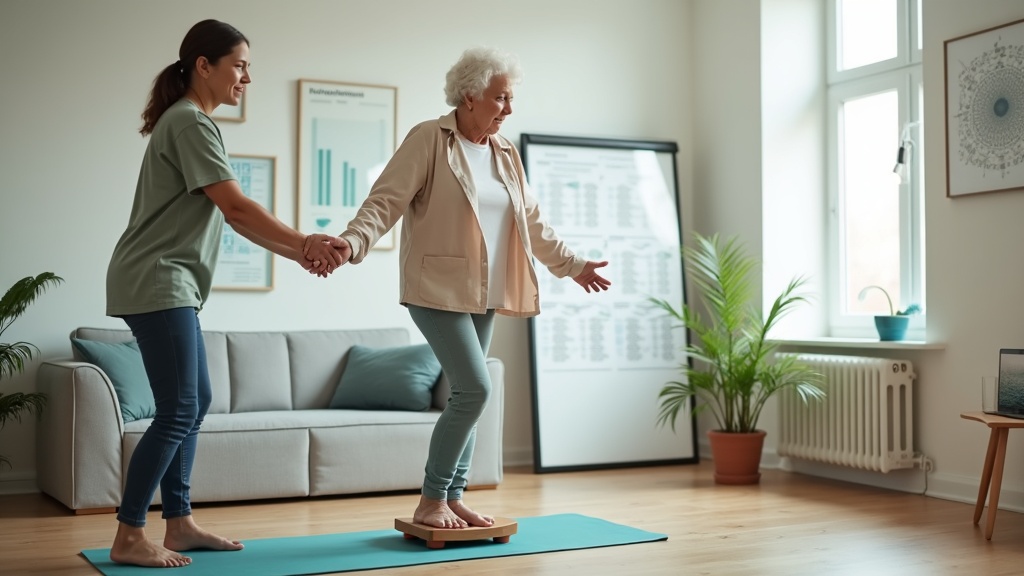
Unpacking the Complexities of Balance Training for Fall Prevention

Balance training is a critical yet often misunderstood component of fall prevention strategies, particularly for older adults. Many people assume that merely staying active or following generic exercise regimens will suffice to maintain balance and prevent falls. However, the reality is far more nuanced. The effectiveness of balance training is deeply tied to understanding specific balance deficits, recognizing individual risk factors, and choosing appropriate exercises tailored to one's unique abilities. Simple advice or one-size-fits-all solutions often overlook these intricacies, leading to potential missteps in prevention efforts.
Moreover, the conversation around balance training frequently intersects with broader issues of physical health, mental well-being, and societal attitudes toward aging. People might assume that balance challenges are inevitable as one ages, which can lead to a defeatist mindset and insufficient proactive measures. This misconception can prevent individuals from engaging with effective balance training programs that not only reduce fall risk but also enhance overall confidence and independence in daily activities.
In this context, the complexity of decision-making regarding balance training becomes evident. It is essential to delve deeper into the motivations and misconceptions that surround this vital aspect of healthy aging. As we explore common queries, we'll shed light on these complexities while emphasizing the importance of an informed and personalized approach to balance training.
Why do many people overlook the importance of specialized balance training?
One of the most significant oversights regarding balance training is the tendency to view it as a secondary concern. Many believe that general fitness activities—such as walking or strength training—will sufficiently maintain their balance. This perspective can be problematic because balance issues often stem from specific deficits in stabilization and proprioception that generic exercises may not address. By neglecting targeted balance training, individuals miss the opportunity to enhance their stability, effectively raising their risk of falls.
Additionally, the common belief that balance is a natural ability that does not require dedicated practice contributes to this oversight. People often think, “I’ve always been able to balance; I don’t need to train for it.” This mindset creates a false sense of security, leading them to underestimate the physical changes that can occur with aging or specific health conditions. The reality is that just like any other aspect of fitness, balance requires consistent, focused training to maintain and improve.
Ultimately, the consequences of overlooking specialized balance training can be severe, including increased fall risk, loss of independence, and diminished quality of life. When falling is viewed merely as an unfortunate accident rather than a preventable risk that can be effectively managed with the right training, individuals may find themselves unprepared for what could impact them greatly.
What are the hidden challenges of balance training that people often ignore?
While balance training is essential, it comes with its challenges that aren't always apparent to participants. One of the key hurdles is motivation. Many individuals may start a balance training program but find it tedious or difficult, leading to inconsistent participation. Unlike more dynamic forms of exercise, some balance exercises can feel monotonous or less rewarding, making it easy for participants to lose interest over time.
Another hidden challenge is the fear of falling itself. For many older adults, the psychological impacts of experiencing a fall in the past can hinder their willingness to engage in balance training. This cycle of fear can trap individuals in a downward spiral: the more they avoid activities that challenge their balance, the weaker their balance becomes. Combatting this fear requires not only effective training programs but also supportive environments that encourage individuals to build their confidence through gradual exposure.
Furthermore, there's the added complexity of ensuring that balance training programs are appropriately tailored to the individual's current physical condition. What works for one person may not be suitable for another; thus, a lack of personalization can lead to frustration, injury, or minimal benefits. Understanding these hidden challenges is crucial for individuals and caregivers alike, as they work to navigate the balance training landscape effectively.
How does one assess personal balance needs before starting a training program?
The assessment of personal balance needs is a crucial step that many overlook. Individuals often jump straight into exercises without first evaluating their unique balance challenges. One effective way to begin this assessment is to consult a healthcare professional who can evaluate one's stability, strength, and previous fall history. These experts can conduct simple tests, such as the Timed Up and Go Test or the Berg Balance Scale, to identify specific deficits.
Beyond professional evaluation, self-assessment plays a significant role as well. Individuals should consider their daily activities and reflect on situations where they feel unsteady or hesitant. This introspection can offer insight into which areas require attention. For example, someone who frequently feels off-balance while walking on uneven surfaces might focus on exercises that enhance stability and proprioception before tackling more complex movements.
Ultimately, understanding personal balance needs helps not only in selecting the right training program but also in setting achievable goals. Recognizing strengths and weaknesses fosters a more tailored approach, maximizing the benefits of balance training over time while minimizing the risk of injuries.
What happens when balance training is not tailored to individual capabilities?
Failing to tailor balance training to the individual's capabilities can lead to various adverse outcomes. One significant risk is injury. Engaging in exercises that are too advanced can result in falls, exacerbating the very problem one is trying to solve. For instance, if an older adult who struggles with basic standing balance tries to perform complex yoga poses without proper progression, it may lead to a fall, causing injuries that set back their training efforts considerably.
Additionally, the lack of customization often leads to reduced effectiveness of the training program. If participants are performing exercises that don’t align with their specific deficits, they are unlikely to experience the improvements in balance and stability that they desire. This stagnation can foster frustration and diminish motivation, ultimately discouraging individuals from continuing their balance training regimen altogether.
Lastly, the psychological aspect cannot be ignored. Individuals who do not feel challenged yet safe in their training may lose interest, while those who feel overwhelmed can develop a negative mindset toward physical activity. This cycle can further entrench individuals in a sedentary lifestyle, raising their fall risk in the long term. Therefore, personalizing balance training is not just beneficial; it is essential for ensuring consistent engagement and meaningful progress.
How can psychological factors influence balance training outcomes?
The psychological components of balance training are often underestimated. Anxiety around falling can be a substantial barrier, leading individuals to avoid activities that promote balance, even if those activities are necessary for improving their safety. Fear of falling not only affects the willingness to participate but can also, paradoxically, reduce the very balance abilities one aims to improve. This fear can create a cycle of avoidance, where individuals limit their physical activity and consequently experience declines in strength and stability.
Moreover, self-efficacy plays a critical role in balance training outcomes. Individuals who believe in their ability to improve their balance are more likely to engage consistently and push through challenges. On the other hand, those with low self-esteem regarding their physical capabilities may shy away from participation, fearing failure or embarrassment. Supportive environments that emphasize gradual progress and celebrate milestones can help foster this belief, enhancing motivation and commitment to training.
Lastly, the social aspect of training can significantly influence an individual's psychological outlook. Group training sessions can provide camaraderie, reduce feelings of isolation, and create a supportive atmosphere that encourages participation. Social interaction fosters accountability and motivation, which can reinforce the commitment to balance training, leading to better outcomes in terms of both physical and emotional health.
What misconceptions exist regarding the age appropriateness of balance training?
Many people hold misconceptions about balance training being solely for the elderly, which can deter younger individuals from engaging in such beneficial practices. The reality is that balance training is essential for all age groups. Young adults, athletes, and those in recovery from injuries can equally benefit from dedicated balance exercises. Developing and maintaining balance is a lifelong endeavor that can enhance physical performance and prevent injuries, regardless of age.
Furthermore, another misconception is that balance training is only suited for those who have already experienced falls or have significant stability issues. However, engaging in preventative balance training can serve as a foundation for maintaining independence and avoiding future issues. The earlier individuals incorporate balance training into their routines, the stronger their stabilization skills will be, allowing them to manage physical activities more confidently throughout their lives.
Finally, some may erroneously believe that balance training consists solely of precarious or strenuous exercises, thereby deterring participation. In reality, effective balance training can incorporate a variety of movements suitable for any fitness level, focusing on gradual progress toward challenging exercises. Addressing these misconceptions is crucial for fostering a broader understanding of the value of balance training at any age and encouraging proactive engagement in such programs.
Is it actually better to focus on strength training rather than balance training?
This common belief that strength training alone suffices overlooks the critical role that balance plays in preventing falls. While strength training is undoubtedly important for enhancing overall physical capability and maintaining muscle mass, it does not address balance challenges directly. For instance, strong legs might support a person while walking, but they won’t guarantee stability on an uneven surface where balance is essential.
Moreover, focusing exclusively on strength training may lead to an imbalanced skill set. A person might develop the power to lift objects but struggle with simple movements like standing on one leg. This lack of balance could ultimately increase fall risk versus focusing on a well-rounded training regimen that includes both strength and balance components. A combination of both types of training encourages comprehensive physical fitness that contributes to falls prevention.
In conclusion, recognizing the importance of integrating balance training into overall fitness routines creates a sustainable approach to health—not just as a reactive measure to falls but as a proactive strategy for ongoing physical well-being. With a better understanding of how strength and balance work together, individuals can design a more effective program that equips them for various life movements.
| Thinking Pattern | Common Misunderstandings | Effective Approaches |
|---|---|---|
| General Activity Equals Balance | Assuming general fitness suffices | Engage in specialized balance programs |
| Fear of Falling | Avoidance leads to decline | Gradual exposure in safe settings |
| Age-Centric Views | Believing balance training is for older adults only | Encourage all ages to participate |
| Strength Over Balance | Focusing solely on strength training | Integrate both balance and strength exercises |
| Lack of Personalization | Underestimating the need for tailored training | Assess individual needs before training |
Understanding Balance Training to Reduce Fall Risks

As we grow older, maintaining balance becomes crucial for preventing falls and related injuries. Balance training not only enhances physical capability but also contributes to a greater sense of security and independence in daily activities. With evidence-based programs, older adults can significantly reduce their fall risk. However, it's essential to recognize that balance training is nuanced and requires a thoughtful approach.
Many people may think that balance exercises are simple, but the best programs are tailored to individual needs and vary widely in their design and implementation. Factors such as the type of exercises, frequency, and progression play a pivotal role in effectiveness. Thus, understanding the fundamentals of balance training is vital for anyone looking to enhance their stability and minimize fall risks.
-
Assessment of Individual Needs
Before beginning any balance training program, an assessment of individual needs is critical. This involves understanding current physical capabilities, medical history, and specific balance challenges. A personalized approach helps to select activities that are both safe and effective.
Consider working with a healthcare professional who can evaluate your strength, flexibility, and coordination. This tailored assessment sets the foundation for a successful training program.
-
Incorporating Strength Training
Strength training is an essential component of balance training. Building muscle strength, particularly in the lower body, enhances stability and reduces the risk of falls. Exercises like squats, lunges, and leg raises are particularly beneficial.
Strengthening muscles provides the body with the support it needs to maintain balance, especially when moving from one position to another or navigating uneven surfaces.
-
Understanding Different Balance Exercises
Balance exercises can take various forms, including static and dynamic movements. Static balance exercises, like standing on one leg, focus on maintaining a position, while dynamic exercises, like walking heel-to-toe, involve movement.
This video illustrates various balance exercises in action. By watching different movements, viewers can understand how to incorporate similar exercises into their routines. It also highlights the versatility of balance training—showing exercises that cater to varying skill levels and abilities.
-
Incorporating Balance Tools
Using tools such as balance boards, stability balls, and resistance bands can greatly enhance the effectiveness of balance training. These tools challenge the body's stability and encourage muscle engagement in new ways.
Moreover, incorporating equipment can make exercises more interesting and engaging, which increases the likelihood of adherence to a training program.
-
The Role of Proprioception
Proprioception, or the body's ability to sense its position in space, plays a key role in balance. Training that enhances proprioceptive abilities—such as standing on unstable surfaces—helps improve overall balance.
Workouts designed to enhance proprioception are effective because they train the brain to react more efficiently to changes in body position.
-
Creating a Comprehensive Program
A well-rounded balance training program should combine various elements, including strength training, flexibility exercises, and coordination drills. It's important to ensure that exercises are not only challenging but also enjoyable to facilitate consistency.
This second video showcases structured balance training routines that integrate different exercises. By watching these programs in action, viewers can learn how to diversify their own training regimen effectively and safely, thus addressing all aspects of balance.
-
Consistency is Key
Regular practice is paramount for achieving and maintaining balance improvements. It is recommended to engage in balance training exercises at least two to three times per week.
Developing a routine helps solidify strength and stability gains, making balance tasks easier and safer over time.
-
Monitoring Progress
Keeping track of progress can provide motivation and highlight areas needing improvement. Using evaluations every few weeks helps gauge how balance is improving and whether modifications to the plan are necessary.
Simple tracking methods—such as noting how long one can stand on one leg or how easily one can perform dynamic exercises—can be quite effective.
| Element | Description | Importance |
|---|---|---|
| Assessment | Evaluates individual needs and capabilities | Ensures a personalized approach |
| Strength Training | Builds supportive muscle strength | Enhances stability |
| Balance Exercises | Includes both static and dynamic movements | Improves overall balance |
| Balance Tools | Incorporates equipment for added challenge | Increases engagement in exercises |
| Proprioception | Focuses on body position awareness | Enhances reaction to balance changes |
| Comprehensive Program | Includes strength, flexibility, and coordination | Ensures a well-rounded approach |
| Consistency | Regular practice to solidify gains | Key to long-term improvement |
| Monitoring Progress | Tracks advancements | Makes informed adjustments if needed |
Mastering Balance for a Fall-Free Future

For many, the thought of falling can evoke fear, especially in older adults who often find themselves navigating a world that's designed for the more agile and younger. Despite knowing that balance training can significantly reduce fall risks, people frequently struggle to incorporate it into their daily lives. The reasons vary – from misunderstanding what balance training entails to feeling overwhelmed by the myriad of exercises available.
Common barriers to beginning a balance training regimen include doubt about one's current physical capability and a lack of clear guidance on where to start. Additionally, many individuals get tangled in the confusion of what makes an effective balance program. Proper execution is crucial; it not only empowers individuals to enhance their physical stability but also offers them a sense of independence and confidence in their daily activities.
Understanding the Fundamentals of Balance
Before diving into specific training exercises, it's important to grasp the core components of balance. Balance is not just about standing still; it includes adjustments made while walking, turning, and even reaching. It requires coordination between the sensory systems (like vision and proprioception) and the motor systems that control muscle activity. A foundational understanding of how balance works can motivate individuals to commit to training.
For example, older adults often exhibit reduced sensory input; their vision might decline, or proprioceptive senses may not be as acute. By recognizing these changes, individuals can appreciate why balance training isn't just beneficial—it's essential. Engaging in structured exercises helps retrain these senses, ultimately improving one’s ability to navigate their environment safely.
Step-by-Step Balance Training Exercises
Once the fundamentals are understood, participants can embark on specific exercises designed to enhance stability. A well-rounded balance program should include strength training, flexibility exercises, and coordination tasks. Start with simple routines like standing on one foot or walking heel-to-toe, gradually progressing to more complex movements. This method allows individuals to build strength and confidence over time.
Balancing on one leg, for instance, not only works the muscles but also challenges the neurological systems responsible for balance. As one gains confidence, they can incorporate variations like distractions. Doing these exercises while engaging in conversation or listening to music can further enhance the challenge, making them more effective and enjoyable.
Integrating Balance Training into Daily Life
Consistency is key in any training program. Integrating balance exercises into daily routines can help ensure they become habitual. This could mean simple actions like practicing balance while brushing teeth, standing on one leg during phone calls, or even while waiting for the kettle to boil. The goal is for balance training to become a natural part of one’s day-to-day life instead of an additional task that seems burdensome.
It's important to remember that the context of balance training is not limited to formal sessions. Engaging in activities such as gardening, tai chi, or even dancing can also challenge and improve balance in a fun and relaxed setting. These activities ensure that individuals are less likely to view balance work as tedious, thereby encouraging ongoing participation.
Seeking Professional Guidance
While self-directed training is vital, sometimes it can be beneficial to seek professional guidance. Working with a physical therapist or a certified trainer who specializes in balance can help tailor programs to individual needs. They can provide valuable insights into proper technique, offer modifications, and ensure that exercises are performed safely and effectively.
Additionally, professional evaluations can pinpoint specific weaknesses and areas requiring attention. Individuals might find that they need help with certain movements or that they could benefit from exercises targeting particular muscle groups. This personalized approach enhances the effectiveness of training and boosts overall confidence.
Creating a Supportive Environment
Another critical component of maintaining a successful balance training regimen is creating an environment that supports practice. This involves making physical spaces safer—removing tripping hazards, adding railings, or ensuring adequate lighting can all make a significant difference. Moreover, surrounding oneself with a supportive network, whether family or friends, can provide encouragement and motivation.
Encouraging practice with a buddy system or forming a class within a community can foster social interaction while maintaining focus on balance improvement. This shared experience can further reduce the sense of isolation, often felt when embarking on health-related journeys alone.
Setting Realistic Goals and Tracking Progress
To sustain engagement and motivation, it is vital to set realistic goals. Goals should be specific, measurable, achievable, relevant, and time-bound (SMART). For instance, rather than aiming to "improve balance," a more precise goal might be "to stand on one leg for 30 seconds without support by the end of the month." These defined objectives provide tangible milestones that help maintain focus and measure improvement.
Beyond just setting goals, tracking progress also plays an essential role in keeping motivation intact. Simple tools like journals or apps can help note exercise practices and achievements. Reflecting on progress regularly can reveal patterns, hurdles, and successful strategies, fostering a sense of accomplishment and encouraging continued efforts.
This engaging video demonstrates a variety of balance training exercises suited for different skill levels. It connects to the topic by showcasing how these movements can be incorporated seamlessly into daily routines. Such visuals can simplify the understanding of exercise techniques, making balance training approachable and enjoyable for older adults.
| Training Method | Benefit | Potential Downsides |
|---|---|---|
| Self-Guided Training | Flexible schedule | Risk of incorrect form |
| Professional Guidance | Personalized approach | Cost and scheduling constraints |
| Group Classes | Social interaction | May not cater to individual needs |
| Home Exercises | Convenience | Limited progression tracking |
This additional video provides a different perspective by illustrating fun ways to enhance balance training through playful activities. It emphasizes creativity, showing that balance training does not have to be monotonous or overly serious. Such insights encourage viewers to embrace and enjoy their balance journey.
Common Mistakes in Balance Training
- Starting with exercises that are too advanced
- Neglecting consistency in practice
- Failing to warm up adequately, risking injury
- Not seeking help when uncertain about technique
- Ignoring feedback from the body, leading to pushing too hard
Measuring Your Progress in Balance Training
It's crucial to recognize that progress in balance training won't necessarily show overnight. Participants should focus on both short-term improvements, such as how long they can hold a balance position, and long-term outcomes like their overall confidence in mobility. Setting a timeline to reflect on changes—be it monthly or quarterly—can help individuals maintain a realistic perspective and avoid discouragement.
Moreover, many people find value in celebrating small victories. Perhaps your goal is to safely walk outdoors without assistance; enhancing balance will naturally lead to that milestone over time. Remember, it's about forming habits and enjoying the journey toward improved physical stability as one ages gracefully.