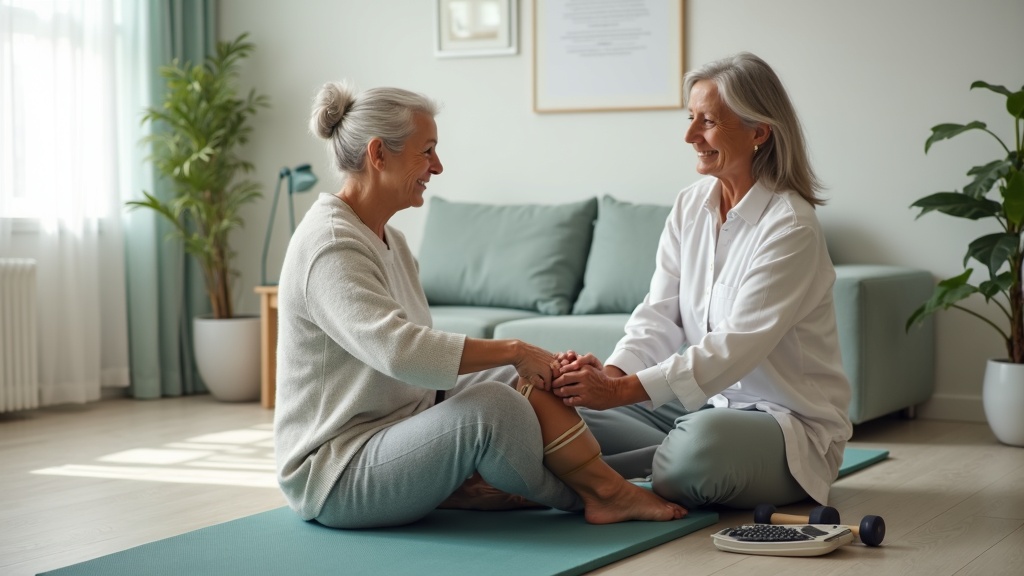
What Common Misconceptions Exist About Flexibility and Mobility as We Age?

The need for maintaining flexibility and mobility as we age is often overshadowed by myths and misunderstandings. Many people think that aging unavoidably leads to stiffness and reduced movement, overlooking the fact that a committed approach to flexibility and mobility can greatly enhance physical function. This misconception can deter individuals from engaging in proactive measures to maintain or even improve their mobility, leading to a cascade of health issues that can be avoided. Understanding the role of flexibility in aging is crucial for fostering a positive outlook on physical health.
Another layer of complexity arises from the diverse opinions around what methods actually work best for maintaining flexibility. While many might default to static stretching or believe yoga is the only solution, the reality is much more intricate. Different bodies respond to various exercises in unique ways, and overlooking personal fitness backgrounds or existing health conditions can lead to ineffective practices. Simple advice often fails to address these nuances and may result in frustration or injury instead of progress.
Furthermore, most traditional advice tends to oversimplify flexibility and mobility as purely physical attributes, disregarding their mental and emotional components. As we age, maintaining mobility is not just about physical capabilities; it also relates to confidence and a sense of independence. Understanding how flexibility impacts our ability to engage socially and physically in life is a critical piece of the puzzle that often gets overlooked.
Why do many people believe that flexibility declines with age, and how does this misconception impact their health choices?
The belief that flexibility inherently diminishes with age is widespread and often taken as fact. This notion can lead individuals to assume that they cannot do anything about their changing body, which can create a sense of helplessness. When people resign themselves to this idea, they may be less likely to engage in routines or exercises that promote flexibility and mobility, ultimately exacerbating the very issues they fear. This can trigger a cycle where lack of activity leads to further decline, reinforcing the belief that flexibility is simply a victim of aging.
Moreover, the acceptance of this decline can have a broader impact on lifestyle choices and mental health. If older adults feel that their flexibility and mobility are doomed to decline, they may shy away from physical activities, socializing, or even traveling, which could offer joy and fulfillment. The resulting isolation can further lead to mental and emotional distress, thereby deteriorating overall health. It is vital to challenge this misconception to encourage a more dynamic and engaging approach to aging.
In reality, studies show that with consistent practice and appropriate exercises, flexibility can be maintained or even increased with age. Acknowledging this aspect opens doors for older adults to take an active role in their health decisions, which can reverse the trend of assumed decline and encourage a more vibrant and mobile lifestyle.
How does a lack of flexibility affect daily activities in older adults?
Many people underestimate how daily activities are interconnected with flexibility. When flexibility is compromised, even simple tasks such as bending to tie shoes, reaching for items on high shelves, or standing up from a sitting position can become daunting. This decline in functional mobility can contribute to increased reliance on others and limit one's independence, impacting both physical and mental health.
Furthermore, a lack of flexibility can lead to compensation patterns within the body that may cause pain or discomfort elsewhere. For instance, tight hip flexors can result in lower back pain due to poor alignment during movement. This cascade of issues not only exacerbates discomfort but can deter individuals from engaging in physical activity altogether, creating a vicious cycle of decline. Understanding these interconnections is paramount when assessing the benefits of flexibility training.
In addition, poor flexibility can hinder participation in recreational activities that not only provide physical benefits but also opportunities for social interaction. Whether it's playing with grandchildren, attending a dance class, or simply going out for walks, limited flexibility can reduce engagement, leading to feelings of isolation that negatively affect mental wellbeing. Addressing flexibility and mobility is thus essential for an all-encompassing approach to healthy aging.
What do most people misunderstand about the relationship between flexibility and strength training?
Common misconceptions often lead individuals to view flexibility and strength training as mutually exclusive pursuits. Some believe that rigorous strength training inherently reduces flexibility, while others assume that focusing solely on flexibility work will weaken muscular development. The truth is, flexibility and strength complement each other, and a balanced approach benefits overall muscular health and performance.
Many people embark on strength-training regimens without incorporating flexibility work, ultimately inhibiting their range of motion and increasing the risk of injury. When muscles are strong but inflexible, the potential for strains during activities rises dramatically. For example, trying to perform a deep squat without adequate hip flexibility can lead to unnecessary stress on the knees and lower back, resulting in injury. Conversely, flexibility routines like yoga can enhance strength by improving balance and stability, further enhancing performance in strength training.
Thus, neglecting the relationship between these two aspects of physical fitness can lead to injuries and setbacks, ultimately discouraging individuals from maintaining an active lifestyle. A balanced approach that incorporates both strength training and flexibility exercises is crucial for optimizing physical function and mitigating potential issues as one ages.
Is it actually better to focus solely on flexibility exercises rather than a combined routine?
While it might seem appealing to focus on flexibility alone, disregarding other forms of physical activity can have negative ramifications. A solely flexibility-based routine may fail to address foundational strength and balance needs, ultimately leaving individuals more vulnerable to falls and injuries. The human body relies on a synergy of strength, flexibility, and endurance for optimal performance and longevity in mobility.
Moreover, the risk of injury rises substantially when flexibility exercises are not accompanied by strength training or stabilization activities. For example, a person who improves their flexibility may find themselves unexpectedly pushing their body beyond its limits during activities such as running or climbing stairs, leading to muscle strain or tears. A well-rounded routine that fosters flexibility in conjunction with strength and balance can provide greater injury prevention and overall fitness benefits.
Engaging in multifaceted training can also keep motivation high. A routine that periodically shifts between flexibility, strength, and aerobic exercises can be more enjoyable and rewarding. With enhanced enjoyment, commitment to ongoing physical activity is more likely, positively impacting long-term health outcomes. Therefore, a comprehensive strategy that incorporates multiple dimensions of physical fitness will prove far more beneficial than a narrow focus on flexibility alone.
How does improved flexibility contribute to mental well-being in older adults?
The mental health benefits associated with improved flexibility are often overlooked. Enhanced flexibility can contribute to reductions in stress and anxiety, which are common challenges for older adults. Physical activity in general has been linked to better mental health, and stretching and flexibility exercises, in particular, can help relieve tension held in muscles, promoting relaxation and an overall sense of well-being.
Moreover, practices such as yoga, which bridge the gap between flexibility and mindfulness, have been shown to improve mood and cognitive function. These mental and emotional benefits can lead to better engagement in social activities and a greater sense of community, reinforcing positive feelings toward aging. Studies indicate that individuals who actively manage their flexibility often develop better coping strategies for anxiety and depression, directly tying physical health to emotional resilience.
Ultimately, older adults who prioritize flexibility not only bolster their physical capacity but also enhance their mental fortitude. This dual benefit reinforces the importance of maintaining flexibility as a key to holistic aging, transforming the narrative of growing older into one that embraces vitality and mental clarity.
What options exist for individuals looking to improve flexibility but unsure where to start?
With a myriad of options available for improving flexibility, individuals can often feel overwhelmed when considering where to begin. Selecting programs that prioritize functional movements, such as those found in Pilates or yoga, can be an excellent starting point. Both disciplines focus on breath, body awareness, and gradual progression towards improved flexibility, making them accessible to various fitness levels.
Additionally, seeking out guidance from trained professionals can provide the support and structure needed to develop a tailored approach. Physical therapists or certified trainers specializing in aging populations can recommend specific exercises to address individual weaknesses and needs. The guidance ensures that individuals are practicing safely while making significant gains in flexibility and mobility.
Finally, incorporating flexibility routines into daily activities—like stretching during breaks, following along with online instructional videos, or joining a local class—can bolster enthusiasm and commitment. Through consistent practice, older adults can cultivate flexibility and mobility improvements, enhancing not only their physical capabilities but also their overall quality of life.
How do misconceptions about aging impact overall mobility in older adults?
Misconceptions can heavily influence how older adults perceive their mobility capabilities, often leading to a self-fulfilling prophecy. When society portrays aging as synonymous with decline, individuals might internalize these beliefs, reducing their willingness to engage in activities that promote or sustain mobility. This hesitancy can lead to decreased physical activity levels, diminishing the very qualities they wish to maintain.
Cultural narratives also play a critical role in shaping expectations. If the prevailing message suggests that older adults should slow down and limit their activities, individuals might feel discouraged from attempting to keep pace with peers or engage in hobbies they love. This perception can further perpetuate isolation and lead to diminished mental and emotional well-being, highlighting the importance of addressing misconceptions about mobility in aging.
To combat these misconceptions, educational efforts that promote positive aging narratives are essential. Highlighting success stories of older adults who actively engage in flexibility and mobility routines can reshape societal attitudes and encourage others to take similar steps. A proactive approach involving physical activity can dismantle the myth that aging equates to decreased mobility, paving the way toward healthier aging practices and improved quality of life.
Exploring Effective Approaches to Enhance Flexibility and Mobility in Older Adults

As we age, maintaining flexibility and mobility becomes crucial for sustaining independence and enhancing quality of life. Mobility influences everything from daily activities to mental health and social interactions, making informed strategies essential for older adults. Simple static stretching or strength exercises may not be enough. It is vital to evaluate more comprehensive approaches that cater specifically to the needs of aging bodies.
Incorporating a variety of methodologies can lead to better outcomes, particularly as the body changes with age. Understanding specific techniques for improving flexibility and mobility can not only prevent injuries but also provide a sense of accomplishment and well-being. Here are eight evidence-based strategies that can effectively enhance flexibility and mobility for seniors.
-
Dynamic Stretching Before Activity
Dynamic stretching involves moving parts of your body through a full range of motion to increase blood flow and prepare muscles for activity. Unlike static stretching, dynamic stretches can enhance athletic performance and are crucial for reducing injury risk.
Incorporating dynamic stretches, such as leg swings or arm circles, into your routine before engaging in physical activities helps activate the muscles you'll be using.
-
Regular Mobility Workouts
Structured mobility workouts are designed to improve flexibility through specific movement sequences targeting joints and muscles. These techniques often include elements from yoga, Pilates, or dedicated mobility training.
Consistency with mobility workouts not only increases flexibility but also strengthens the stabilizing muscles around the joints, which is essential for enhancing overall mobility.
-
Incorporate Functional Training
Functional training mimics everyday activities, allowing older adults to develop strength, balance, and flexibility relevant to daily life tasks. Movements such as squats, lunges, or bent-over rows enhance the body’s ability to perform routine actions smoothly.
This video showcases dynamic stretches vital for enhancing mobility. Such exercises are not only essential for warming up but also play a key role in injury prevention, making them highly relevant for older adults aiming to retain mobility.
By integrating dynamic stretching into your regimen, you can enhance your functional capacities, leading to improved overall physicality in daily activities.
-
Focus on Core Strength
A strong core is foundational for balance and mobility. Incorporating core-strengthening exercises helps stabilize the torso, which is necessary for executing movements safely and effectively.
Exercises such as planks, bridges, and rotation-based movements can significantly enhance an older adult's balance and reduce the risk of falls.
-
Utilize Resistance Bands
Resistance bands are versatile tools that can assist in improving strength and flexibility. They allow for a range of exercises that target specific muscle groups while also promoting joint health.
Incorporating resistance band exercises can enhance functional strength and mobility, helping to keep seniors active in their daily lives.
-
Engage in Low-Impact Activities
Low-impact activities such as swimming or cycling can improve cardiovascular health and mobility without stressing the joints. These exercises ensure that older adults remain active while safeguarding against injury.
This video implies the significance of varied exercises that can contribute to longevity and mobility. Engaging in a mix of low-impact activities is crucial for maintaining a well-rounded approach to health as you age.
By participating in enjoyable low-impact activities, seniors can encourage sustained flexibility and mobility, fostering a lifelong commitment to health.
-
Prioritize Warm-Up & Cool Down
A well-structured warm-up before workouts and a cool-down phase afterward can significantly affect flexibility and recovery. Gentle movements during these phases increase blood flow to muscles and joints, improving overall function.
Taking the time to prepare your body for exercise and allow it to recover ensures sustainable mobility improvements over time.
-
Consult a Physical Therapist
Working with a physical therapist can provide tailored strategies for improving flexibility and mobility. Their expertise ensures that exercises performed are appropriate and effective for individual needs and conditions.
Continuing education regarding your body’s unique requirements leads to better health outcomes and a simplified path to preserving mobility as you age.
| Strategy | Primary Benefit | Considerations |
|---|---|---|
| Dynamic Stretching | Prepares muscles and reduces injury risk | Requires warm-up prior to exercise |
| Mobility Workouts | Enhances overall flexibility | Requires consistency and commitment |
| Functional Training | Improves strength for daily activities | May require guidance for proper techniques |
| Core Strength Exercises | Stabilizes body for balance | Needs regular practice for benefit |
| Resistance Bands | Versatile strength training option | Adapting to different resistance levels needed |
| Low-Impact Activities | Supports cardiovascular health without joint strain | Personal enjoyment is key for ongoing participation |
| Warm-Up & Cool Down | Facilitates better recovery | Often overlooked in exercise routines |
| Physical Therapist Consultation | Individualized strategies and support | Accessibility can vary based on locality |
Practical Steps for Enhancing Flexibility and Mobility in Later Years

As we age, the natural wear and tear on our bodies can lead to stiffness and reduced mobility. Many individuals find it difficult to stay committed to regular physical routines that enhance flexibility. Factors such as busy schedules, a lack of immediate results, or even fear of injury often hinder effectiveness. The misconception that stretching or mobility work is only beneficial for younger people further complicates matters, as older adults might neglect these important practices. However, understanding the necessity of maintaining flexibility is critical for long-term health and enjoyment of life.
Correct execution of flexibility and mobility routines is paramount. When these practices are performed incorrectly, they can lead to frustration and even injuries, negating the very benefits one hopes to achieve. Committing to a properly structured routine not only enhances physical well-being but fosters improved mental and emotional health as well. Emphasizing an understanding of individual needs and limitations ensures a sustainable approach to aging healthily, allowing for greater confidence in movement and overall quality of life.
1. Setting Realistic Goals for Flexibility
Establishing achievable objectives is necessary to foster motivation and maintain consistency in your flexibility and mobility routines. This entails identifying specific areas where you notice limitations, whether it's reaching above your head or bending to tie your shoes. By breaking down larger goals into smaller, manageable steps, you can celebrate progress along the way rather than feeling discouraged by long-term aspirations. For instance, rather than aiming to split your legs completely in six months, you might decide to improve your ability to touch your toes within two weeks.
It's crucial to document your progress. Keeping track of your improvements not only marks your journey but also reinforces the benefits of your commitment. Additionally, allowing for adjustments based on how you feel can help align your goals with your personal needs, which is essential as flexibility can vary significantly from day to day. The flexibility outcomes you can achieve will make a noticeable difference, increasing your ease of movement and enhancing overall joy in daily activities.
2. Incorporating Gentle Stretching Techniques
Gentle stretching has a profound impact on flexibility and should be the cornerstone of any mobility routine. Incorporating it into your daily schedule enhances circulation, reduces stiffness, and improves overall mobility. Yoga and Tai Chi can be excellent modalities, providing both mental and physical benefits as they focus on slow movements combined with breathing techniques suitable for all ages.
Emphasizing a relaxed approach while stretching—aiming for comfort instead of intensity—ensures safety and effectiveness. For those new to stretching or returning after a break, starting with dynamic stretches (like shoulder rolls and gentle torso twists) can prepare the body for more static stretches that follow. Listening to your body is imperative, as feeling slight discomfort should not be mistaken for pain; if pain occurs, reassessing your technique or reducing intensity is necessary.
3. Strengthening Muscles for Better Support
While flexibility is fundamental, strengthening the muscles surrounding your joints is equally vital. Resilient muscles help maintain your range of motion and reduce the risk of injury. Engaging in resistance training or body-weight exercises—even basic movements like squats and wall push-ups—supports muscle integrity and contributes to improved mobility. Integrating two to three days of strength training into your weekly routine allows you to build stronger muscles that complement your flexibility efforts.
For older adults, particularly, it’s important to choose exercises tailored to your ability level, gradually increasing resistance as you grow stronger. However, focusing solely on flexibility without strength training can lead to an imbalance, resulting in greater susceptibility to injuries. Understanding this interplay between strength and flexibility will yield tangible results in mobility, enhancing confidence in everyday movements.
4. Engaging in Low-Impact Activities
Incorporating low-impact activities into your routine provides a dual benefit: improving cardiovascular health and enhancing flexibility. Activities such as swimming, cycling, and walking are excellent for maintaining overall fitness and encouraging muscle stamina without excessive stress on the joints. Moreover, joining a group or class can add a social aspect, which enhances motivation and accountability.
Low-impact activities increase endurance and provide a sense of accomplishment, further driving engagement with your flexibility and mobility work. Aim for at least 150 minutes of moderate exercise each week, divided throughout the week, to maintain both mobility and flexibility. The consistent practice through enjoyable activities can help build lasting habits that serve your long-term health goals.
5. Utilizing Tools and Resources
Many tools are available to assist in enhancing flexibility and mobility. Foam rollers, resistance bands, yoga straps, and stability balls can help modify exercises for both comfort and effectiveness. These resources allow older adults to safely explore their physical boundaries and understand their limits, which is vital for preventing injuries.
When using tools, start small and gradually increase complexity as you gain confidence and strength. Consider exploring instructional videos or classes that provide clear guidance. Utilizing online resources, such as Radivive’s extensive articles on mobility, can also enhance understanding and provide structured routines, ensuring that you’re equipped to make informed decisions about your health journey.
This video demonstrates a series of gentle stretches designed specifically for older adults. It emphasizes proper techniques, which is essential for safely enhancing flexibility and mobility. Watching these movements can help viewers grasp the dynamic nature of stretching, making it easier to integrate them into their routine.
| Approach | Pros | Cons |
|---|---|---|
| Static Stretching | Improves flexibility, easy to perform | Can lead to injury if pushed too hard |
| Dynamic Stretching | Prepares the body for movement, less risk of injury | Requires a mild warm-up first |
| Strength Training | Supports joint health, builds muscle | Risk of injury if form isn't correct |
| Low-Impact Activities | Enhances overall fitness without strain | May not significantly increase flexibility |
This additional video showcases a guided session of low-impact exercises tailored for improving flexibility and mobility. By following along, viewers can observe correct form and understand how these exercises fit within the broader scope of their fitness regime. Incorporating such sessions into their routine provides variety and adaptability.
6. Common Mistakes to Avoid in Flexibility Practices
- Skipping warm-ups before stretching, leading to potential injuries.
- Overstretching, which can result in muscle strains.
- Pursuing only flexibility without balancing with strength training.
- Neglecting consistency in routines, leading to stagnated progress.
- Failing to listen to your body, potentially pushing into painful territory.
7. Monitoring Your Progress Towards Flexibility Goals
Evaluating your progress realistically is critical in maintaining motivation and adjusting your routine effectively. Short-term gains, such as improved movement ease or fulfilling routine goals, should be celebrated. In contrast, assessing long-term outcomes, like increased confidence in mobility or additional activities becoming accessible, indicates real improvements. Keeping a journal documenting daily practices and how you feel afterward can help visualize growth.
Avoid setting overly ambitious expectations regarding flexibility; the process requires time, patience, and often, adaptations based on your body’s responses. Acknowledging and honoring your unique journey while remaining flexible within your plans can ultimately lead to sustained success in enhancing mobility as you age.