
Unpacking Concerns Around Mild Cognitive Impairment

Mild Cognitive Impairment (MCI) often flies under the radar, yet understanding it is crucial for those who want to stay vigilant about their cognitive health. Many people dismiss signs of memory lapses or cognitive slowdown, attributing them solely to aging. This leaves a critical gap in early detection and intervention, which could alter the course of cognitive decline. What many fail to realize is that MCI isn't just a benign condition; it can act as a precursor to more serious issues, such as dementia. Exploring this topic is essential because it invites us to confront not merely our fears but also our misconceptions about cognitive decline.
Decisions surrounding the management of MCI can be particularly complex. From navigating medical evaluations to considering lifestyle changes, the nuances can be overwhelming. Are you misreading signs? Is it more beneficial to seek intervention early, or wait and see? Simple advice may overlook the deeper implications of each choice, leaving individuals grappling with uncertainty. Understanding these complexities can foster better decision-making and ultimately enhance long-term outcomes for cognitive health.
The realities surrounding MCI are multifaceted and warrant deeper exploration. While general discourse tends to simplify cognitive decline as a straightforward aging process, the situation is frequently more intricate. Often, the line between normal cognitive aging and MCI is blurred, leading to misunderstanding. Distinguishing between harmless aging and a potentially progressive condition is paramount for effective management, underscoring the need for a well-rounded understanding rather than cursory assessments.
Why do many people underestimate the significance of Mild Cognitive Impairment?
Many individuals experience memory lapses and assume they’re just a byproduct of growing older. This common assumption can lead to underestimating the significance of MCI. Far from being a normal part of aging, MCI can signify the beginning of a cognitive decline pathway, which could progress to dementia. The fear of a dementia diagnosis often prompts people to dismiss any signs of cognitive change rather than confronting them. As a result, the opportunity for early intervention and support can slip through their fingers.
Moreover, societal perceptions of aging often downplay memory issues as typical or inevitable, which amplifies the misunderstanding. A failure to see MCI as a critical warning sign can deter necessary conversations with healthcare professionals. To truly recognize its significance, one must understand that MCI is not merely a collection of minor lapses; it is a legitimate clinical diagnosis with potential implications for future cognitive health.
Ultimately, education is key to changing public perception and encouraging proactive approaches. By acknowledging the seriousness of MCI, individuals can take charge of their cognitive health and seek evaluation and support when needed. This shift not only fosters a better understanding but also redirects the narrative around aging and cognitive decline.
What hidden challenges arise in the evaluation of MCI?
The journey of evaluating MCI is often fraught with hidden challenges that can complicate the process. Firstly, the assessment often relies heavily on subjective reports of cognitive performance. Many individuals either underestimate their difficulties or may exaggerate them due to anxiety surrounding aging. This gap between self-perception and actual cognitive function can result in underdiagnosis or misdiagnosis, leaving patients in limbo. Furthermore, clinical evaluations may be influenced by a variety of external factors, including psychological stress, that complicate assessment outcomes.
Another challenge arises from the criteria used to define MCI, which can vary among healthcare providers. Different diagnostic tools and methodologies may lead to divergent conclusions about the state of cognition. These variations can create confusion for patients and families who are seeking clear guidance on the next steps. Understanding these nuances can help individuals advocate for themselves and ensure that they receive adequate evaluation and care.
Finally, insurance and healthcare systems may complicate the evaluation process. Access to specialists or specific cognitive assessments can be limited, which adds another layer of complexity. This understandably leads to frustration for individuals seeking clarity and assistance. Recognizing these hidden challenges can empower individuals to navigate the landscape of MCI evaluation more effectively.
What are the long-term consequences of delaying treatment for MCI?
Delaying treatment for MCI may seem like a benign decision at first glance, but the long-term consequences can be quite significant. Early intervention can play an influential role in maintaining cognitive function and overall brain health. When individuals postpone seeking treatment, they may miss out on beneficial therapies or lifestyle modifications that could help slow down cognitive deterioration. The longer MCI goes unaddressed, the greater the risk of unwittingly allowing the condition to progress toward dementia.
Moreover, missing the opportunity for timely intervention can lead to a decline in quality of life. By failing to engage in cognitive health-promoting activities or treatments, individuals may find themselves grappling with the emotional and psychological ramifications of cognitive decline. Many may experience heightened feelings of isolation, depression, or anxiety, compounding the challenges of managing cognition.
Furthermore, the societal costs of delaying treatment can ripple outwards, resulting in higher healthcare expenditures and increased caregiver burdens as conditions worsen. Understanding the potential consequences of inaction emphasizes the necessity of proactive engagement with cognitive health, ultimately allowing individuals to make informed decisions about their well-being.
How does lifestyle influence the management of Mild Cognitive Impairment?
Lifestyle factors can have a profound effect on the management of MCI, and understanding their influence is crucial. Engaging in regular physical exercise is one of the strongest predictors of cognitive stability and improvement. Various studies have demonstrated that aerobic activities can boost memory and slow neurodegenerative processes. The tradeoff here includes the necessity for individuals to adopt potentially challenging lifestyle changes. For those who are initially inactive, integrating a regular exercise routine may feel daunting, yet the long-term benefits are substantial.
Diet also plays a significant role. Nutritional habits that include omega-3 fatty acids, antioxidants, and whole grains contribute to brain health. This means that individuals managing MCI must consider the types of foods they consume and how they can incorporate brain-boosting options into their daily lives. However, adhering to a cognitive-focused diet may necessitate education around nutrition and cooking skills, which can be a barrier for some.
Lastly, mental and social engagement is equally vital. Studies show that social interactions and stimulating cognitive activities can delay cognitive decline by enhancing neuroplasticity and cognitive reserve. Here, individuals need to weigh the challenges of maintaining social networks or seeking out new hobbies against the significant cognitive benefits they stand to gain. Balancing social life and active engagement offers an avenue for improving cognitive health while navigating the complexities of MCI.
What misconceptions exist about the relationship between MCI and dementia?
One of the most pervasive misconceptions about MCI is that it automatically leads to dementia. While MCI does increase the risk of developing dementia, not everyone diagnosed with MCI will progress to this stage. Some individuals may remain stable or even improve, creating a need for a nuanced understanding rather than a fatalistic viewpoint. This misconception can lead to undue stress and anxiety for patients and their families, which can further exacerbate cognitive issues.
Additionally, people often overlook that various types of MCI exist. There’s amnestic MCI, which primarily affects memory, and non-amnestic MCI, which influences other cognitive domains, such as language or attention. Misunderstanding these variations can lead to inappropriate assumptions about a patient's prognosis or care requirements. A more informed approach acknowledges that MCI encompasses a spectrum of experiences and individualized responses to treatment.
Another misunderstanding involves the age factor; many assume MCI is exclusively related to older age. While it is more prevalent in older adults, younger individuals can also experience MCI. This misconception may prevent younger adults from seeking help, believing they are immune to cognitive issues. Combating these misconceptions through education and awareness can reshape the narrative surrounding MCI and dementia, encouraging more informed conversations and healthcare decisions.
Is early intervention actually more beneficial than a wait-and-see approach?
Early intervention for MCI has emerged as a hotly debated topic, with significant research shedding light on the benefits that proactive measures can offer. Delaying action in favor of a wait-and-see strategy may seem appealing, especially for those reluctant to confront potential cognitive issues. However, such an approach often overlooks the potential for meaningful interventions that could slow cognitive decline or even enhance cognitive function. Early intervention sets the stage for a more substantial foundation for both cognitive and emotional health.
On the other hand, those who choose to act promptly have the opportunity to access cognitive trainings, medical therapies, or lifestyle changes that can notably enhance their quality of life. While a wait-and-see approach often results in increased anxiety and diminished quality of life, early engagement tends to foster a proactive mindset that empowers individuals in their health journeys. In such ways, strengthening overall cognitive resilience can offset further decline.
Nevertheless, making the decision to intervene early isn't without its own challenges. There’s an emotional component of grappling with the realities of cognitive concerns, and the healthcare landscape can be confusing and daunting. Ultimately, weighing these pros and cons requires careful consideration and often involves conversations with healthcare professionals. A thoughtfully engaged approach can pave the way for better longer-term outcomes and a more favorable understanding of cognitive health.
How can family members and caregivers support someone with MCI effectively?
Family members and caregivers play a critical role in supporting individuals with MCI. Understanding the condition is the first step. Many caregivers initially struggle with misconceptions or fears surrounding their loved one’s cognitive changes, which can complicate communication and emotional support. The better family members grasp the nuances and implications of MCI, the better positioned they are to offer empathetic and effective support.
Emotional support is paramount; however, being a caregiver can also bring challenges. It’s crucial for family members to establish a dialogue that emphasizes patience and understanding. Often, individuals with MCI face frustrations about their cognitive limitations, making it essential for caregivers to foster an environment where open communication and emotional expression are encouraged. Offering supportive reassurance while validating the individual’s experience can lead to a healthier dynamic.
Finally, practical assistance plays a pivotal role. Caregivers are often well-positioned to help with medication management, appointment scheduling, or engaging in cognitive exercises. However, it’s important to approach this assistance thoughtfully to avoid overwhelming the individual. Tailoring support to fit their specific needs and communicating openly about available help can lead to a more beneficial arrangement. As families navigate the complexities of MCI together, they can contribute substantially to the overall well-being of their loved ones.
| Thinking Patterns | Proactive Approach | Reactive Approach |
|---|---|---|
| Awareness of MCI | Sees MCI as a critical health indicator, prompting early evaluation. | Mistakenly views MCI as benign, delaying medical consultations. |
| Response to Symptoms | Encourages prompt action; seeks lifestyle adjustments and therapies. | Leads to inaction; avoids confrontation with potential decline. |
| Family & Community Support | Fosters open conversations about cognitive health; engages support systems. | Places burdens on individual; minimizes communal dialogue around MCI. |
| Healthcare Engagement | Pursues thorough assessments and tailored interventions; values second opinions. | Delays consultations; adheres strictly to first diagnoses without deeper inquiry. |
Understanding Mild Cognitive Impairment: Key Insights for Awareness
Mild Cognitive Impairment (MCI) often serves as an early warning sign for potential cognitive decline, making it essential for individuals and families to recognize its indications. As a condition that falls between normal age-related changes and the more serious stage of dementia, understanding MCI facilitates proactive measures to enhance brain health. Notably, it’s crucial to realize that while MCI doesn’t always progress to dementia, it does warrant careful monitoring and consideration.
Acknowledging the nuances of MCI can help in distinguishing between benign forgetfulness and more concerning cognitive issues. As this topic garners increased attention in the context of healthy aging, becoming informed can empower individuals to make educated decisions about their cognitive health and seek appropriate evaluations or interventions.
-
Recognizing Early Signs of MCI
Common symptoms of MCI include increased forgetfulness, difficulty concentrating, and challenges in word-finding. By being vigilant for these signs, individuals can initiate discussions with healthcare providers sooner, which can lead to early evaluations.
Consulting with a professional can help differentiate MCI from normal aging, as well as set in motion any necessary lifestyle changes or interventions that may mitigate further decline.
-
Understanding Risk Factors
Various factors contribute to the likelihood of developing MCI. These include age, family history of dementia, and certain medical conditions such as diabetes and cardiovascular diseases. Awareness of these risk factors allows individuals to adopt preventive health measures.
Regular health check-ups and a focus on cardiovascular health can potentially decrease the risk of developing MCI. Evaluating and managing these risk factors should be part of a holistic approach to cognitive health.
-
The Role of Lifestyle Changes
Adopting a brain-healthy lifestyle can significantly impact cognitive function. This encompasses regular physical exercise, a balanced diet rich in omega-3 fatty acids, and ongoing engagement in social and mental activities. These strategies collectively enhance cognitive resilience.
This video emphasizes the importance of recognizing delirium as a related concern for cognitive health. Understanding delirium can provide insight into acute changes that might mimic MCI while also highlighting the urgency of seeking timely medical advice.
By addressing these concerns early on, individuals can improve their management strategies for potential cognitive impairments and ensure that their cognitive decline is monitored by professionals.
-
The Importance of Regular Cognitive Evaluations
Routine assessments by health professionals can play a vital role in tracking cognitive changes over time. It’s essential to establish a baseline understanding of one’s cognitive function, which allows for more accurate assessments as time progresses.
Early detection through evaluations can lead to tailored interventions and necessary adjustments in lifestyle to support cognitive health.
-
Communicating Concerns with Family Members
Discussing cognitive health openly with family members can foster a supportive environment for monitoring health changes. Engaging family in conversations about MCI helps in sharing responsibilities for observation and decision-making.
Open communication can also mitigate feelings of isolation that individuals may experience as they recognize cognitive changes.
-
Advancements in Treatment Options
Research continues to evolve in the realm of MCI, leading to new treatment avenues aimed at not only managing symptoms but also potentially reversing cognitive decline. Keeping abreast of these developments enables individuals to explore emerging therapies.
This video featuring Bill Gates sheds light on technological advancements and hope in the field of cognitive health research. Gates’ perspective emphasizes the potential of innovation to change the landscape of care for cognitive impairments.
Understanding the impact of technology and research can inspire individuals to stay engaged and informed about potential new treatments or preventive measures available in the future.
-
Cognitive Training and Brain Games
Engaging in cognitive training through puzzles, memory games, and other mental challenges can help maintain and even improve cognitive function. These activities stimulate brain connections, promoting neuroplasticity that can counteract some MCI symptoms.
Incorporating regular cognitive exercises offers individuals a proactive approach to managing their cognitive health.
-
Managing Co-existing Conditions
Conditions like depression, anxiety, and sleep disorders can exacerbate cognitive issues or mask underlying MCI symptoms. Addressing these co-existing conditions is critical for effective management of cognitive health.
Working with healthcare providers to create a comprehensive treatment plan can significantly improve overall well-being.
| Insight Area | Importance | Potential Impact |
|---|---|---|
| Early Signs of MCI | Recognizing changes early can lead to timely interventions. | Potential delay of progression to dementia. |
| Risk Factors | Identifying personal risk can enhance prevention efforts. | Informed lifestyle changes can lower risk. |
| Lifestyle Changes | Healthy habits strengthen overall cognitive resilience. | Improved quality of life and cognitive performance. |
| Cognitive Evaluations | Regular assessments help in tracking cognitive changes. | Enables early detection and tailored interventions. |
| Family Communication | Support from family fosters a collaborative approach to health. | Reduces isolation and enhances collective monitoring. |
| Treatment Options | Staying informed about advancements can lead to innovative management strategies. | Increased access to effective treatments as they emerge. |
| Cognitive Training | Engaging the brain can help maintain cognitive sharpness. | Proactive management of cognitive decline. |
| Co-existing Conditions | Addressing related issues can improve cognitive health outcomes. | Holistic approach enhances overall health. |
Taking Action on Mild Cognitive Impairment
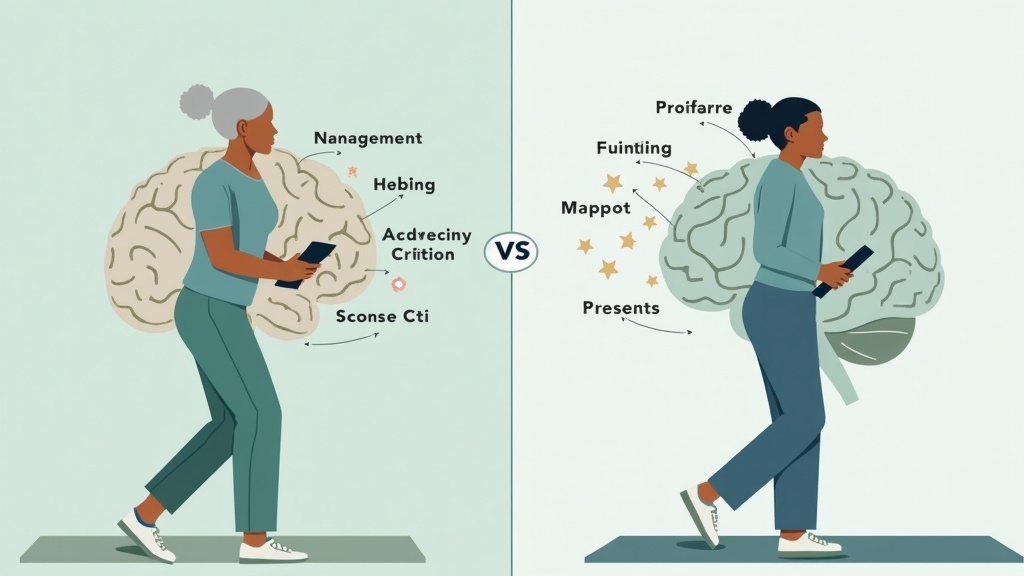
Understanding mild cognitive impairment (MCI) can feel overwhelming for many, particularly as a diagnosis can bring a cascade of emotions and questions. Many individuals find it hard to act on potential cognitive changes due to a mix of denial, confusion about what MCI means, and uncertainty on how to address it. The prospect of facing cognitive decline is daunting, and often, people hesitate to confront their concerns until symptoms intensify.
Common barriers include misinterpretation of MCI as just normal aging, leading to procrastination in seeking help. Others may feel that there’s little that can be done, resulting in a sense of futility. However, addressing MCI promptly is crucial. Early intervention can significantly influence the trajectory of cognitive decline, potentially staving off more severe conditions like Alzheimer’s. Recognizing the nuances of MCI helps empower individuals with the knowledge and tools needed to take actionable steps toward improving their cognitive health.
Recognizing Symptoms Early
Understanding the subtle signs of mild cognitive impairment is critical for early intervention. Symptoms may include difficulty in recalling names or recent events, misplacing items more frequently, or experiencing challenges with planning or organizing. It’s essential to differentiate between normal age-related forgetfulness and the signs of MCI. An individual might dismiss these symptoms as typical lapses of memory, which can result in delays in seeking an evaluation. Actively monitoring and recognizing these signs not only encourages timely visits to healthcare professionals but also fosters a proactive attitude toward brain health.
Moreover, documenting these symptoms can provide valuable insights during consultations. Keeping a journal that tracks cognitive changes over time helps illustrate trends, which can significantly aid in assessment. This habit not only informs your healthcare provider but also reduces the anxiety surrounding memory lapses by giving a clearer perspective on your cognitive stability. Early recognition of MCI symptoms can pave the way for intervention strategies that may enhance cognitive functioning.
Consulting with a Healthcare Professional
The next critical step is to consult a healthcare provider specializing in cognitive health. This could be a neurologist, geriatrician, or psychologist. During the consultation, it’s essential to be open about symptoms, medical history, and family history of cognitive decline. This transparency ensures that your provider can make informed evaluations. Many individuals delay seeking help due to fear or embarrassment; however, addressing cognitive concerns promptly can lead to better outcomes.
Your provider will likely conduct a thorough assessment, which may include cognitive tests, blood tests, or brain imaging. Understanding that these evaluations are designed to rule out other causes of memory impairment, such as vitamin deficiencies or mood disorders, can ease anxiety. Engaging in these discussions provides clarity and opens avenues for effective management of MCI, emphasizing the importance of partnership between the patient and healthcare provider in the journey of cognitive health.
Exploring Lifestyle Interventions
Adopting certain lifestyle changes can make a significant impact on cognitive health. Regular physical activity, a balanced diet rich in fruits, vegetables, and healthy fats, and engaging in mentally stimulating activities can all contribute positively to brain health. For instance, aerobic exercises have been shown to enhance neuroplasticity—the brain’s ability to adapt and form new connections—which can be crucial in combating cognitive decline.
Additionally, maintaining social interactions is vital as these connections not only improve emotional well-being but also stimulate cognitive engagement. Forming new social ties or strengthening existing ones provides mental exercise and resilience against mental deterioration. Real-world application of these lifestyle changes can be gradual. Setting small, manageable goals—such as incorporating a 30-minute walk on certain days or trying out a new hobby—can lead to sustainable health improvements and generate positive feedback loops that enhance motivation and cognitive well-being.
Incorporating Cognitive Training
Cognitive training exercises can play a crucial role in maintaining and enhancing cognitive function. Engaging in puzzles, memory games, or learning new skills can sharpen cognitive abilities. Many online platforms, workshops, and even apps focus on brain training, offering creative and interactive methods to challenge your mind.
However, it’s essential to approach cognitive training with realistic expectations. While these exercises can bolster specific cognitive functions, they are not a cure for MCI or a guaranteed method to prevent progression to dementia. Incorporating them as part of a broader strategy for cognitive health ensures a balanced approach. Consider this a valuable addition to your routine, alongside other interventions like physical activity and dietary adjustments, helping to maintain cognitive abilities over time.
Leveraging Support Networks
Engaging with support groups can provide emotional comfort and practical advice for those dealing with MCI. Sharing experiences with others in similar situations can alleviate feelings of isolation and empower you to take proactive steps toward management. A support network can include family, friends, or structured community groups tailored to individuals with cognitive concerns.
Additionally, educational resources can be immensely helpful. Many organizations provide workshops and seminars focused specifically on MCI and cognitive health. Accessing this shared knowledge not only enhances understanding but also leads to informed decision-making regarding care strategies. Harnessing the collective wisdom and experience of others can illuminate your path forward, fostering empowerment and resilience throughout the journey.
Regular Monitoring and Re-evaluation
Once you’ve made the decision to address MCI, regular monitoring is essential. Keeping track of your cognitive health can involve periodic assessments with your healthcare provider and paying attention to monthly or quarterly changes in symptoms. Documenting any fluctuations encourages proactive conversations with your healthcare provider, ensuring timely adjustments to care strategies.
It’s crucial to remain adaptable. As cognitive function can vary over time, being open to re-evaluating your lifestyle changes, medication, or cognitive training can enhance overall health. Regular check-ins provide an opportunity to assess the efficacy of interventions and adjust as necessary. This proactive engagement underscores a forward-thinking approach—staying informed and dynamically responsive to changes in cognitive health is vital for navigating the complexities of MCI.
This engaging video illustrates tangible strategies and rituals that can support cognitive health. By showcasing individuals who’ve experienced MCI, it provides relatable insights into how proactive approaches have improved their well-being. By connecting viewers with real-life examples, the video enhances understanding of MCI and motivates action among those newly confronting similar experiences.
| Strategy | Benefits | Considerations |
|---|---|---|
| Regular Mental Exercises | Enhances cognitive capabilities | Requires commitment and consistency |
| Physical Activity | Improved brain health and mood | Adapting exercises to personal fitness levels is crucial |
| Social Engagement | Boosts emotional health | May require stepping out of comfort zones |
| Nutrition | Supports overall brain health | Need for continuous effort in diet adherence |
| Routine Monitoring | Allows for timely interventions | Demands diligence and patience |
This second video delves deeper into the emotional aspects of living with MCI and the importance of an emotional support system. It highlights individual narratives, shedding light on coping mechanisms and the power of shared experiences. Enhanced understanding through this format promotes awareness surrounding MCI's emotional toll, encouraging viewers to consider both cognitive and emotional wellness in their management strategies.
Common Mistakes in Managing MCI
- Ignoring early symptoms due to fear or denial.
- Believing that cognitive changes are just a natural part of aging.
- Not seeking professional evaluation until significant deterioration occurs.
- Over-relying on supplements or gimmicks instead of holistic strategies.
- Neglecting the emotional aspects of dealing with cognitive changes.
- Forgetting to engage family and friends in the conversation about care.
Measuring Progress Over Time
Monitoring cognitive health involves more than just assessing memory—consider the overall quality of life and emotional well-being. Regular cognitive assessments by professionals can provide a structured way to gauge progress. However, personal measures should not be overlooked. If you notice an increase in your ability to recall names or plan activities, celebrate those victories, no matter how small. Additionally, tracking emotional states can offer insights into whether cognitive strategies are enhancing psychological well-being.
Realistic expectations are crucial. While progress can be made, it's also important to accept that setbacks are part of the journey. Emphasizing small, incremental improvements over time provides a more nourishing perspective and encourages persistence. Ultimately, adopting a long-term vision for cognitive wellness nurtures resilience, enabling you to navigate the complexities of MCI effectively and with confidence.