
Unpacking the Misunderstandings Around Testicular Self-Exams

Testicular self-exams (TSE) are a crucial yet often overlooked aspect of men's health and cancer awareness. Many people misunderstand the significance and timing of these exams, leading to missed opportunities for early detection of testicular cancer, which has a notably high cure rate when diagnosed early. The nuances surrounding TSE, including how often to perform them and the potential emotional ramifications, create complexities that simple advice often fails to address. This knowledge gap can result in men feeling confused or hesitant about taking proactive steps in their health management.
Many individuals may think that self-exams are unnecessary unless they have symptoms, resulting in a dangerous delay in checking for abnormalities. This common misperception can lead to a lack of awareness about the importance of routine self-exams as a part of preventive care. Moreover, the emotional challenges associated with discussing testicular health can prevent open conversations and education about the importance of regular exams. Ultimately, a deeper understanding of the risks, benefits, and fundamental misconceptions surrounding testicular self-exams is essential for making informed decisions.
In a world where health is paramount, understanding the correct approach to testicular self-exams can have significant long-term implications for men’s health. Awareness is key—not just of when these exams should happen, but of the various factors that can influence outcomes. Dissecting these misunderstandings helps men feel more empowered, proactive, and educated about their health choices.
Why do many people wait until they feel pain to perform a self-exam?
It's a common trend for individuals to associate health checks with symptoms like pain or discomfort. Many men mistakenly believe that if they are not experiencing any visible issues, such as swelling or pain in the testicles, then self-exams are unnecessary. This perspective ignores the fact that testicular cancer can develop silently and often presents without any obvious symptoms in its earlier stages. Waiting for discomfort could lead to a delay in diagnosis, reducing the chances of successful treatment and recovery.
The challenge here is rooted in a broader cultural narrative that often discourages proactive health measures among men. This societal tendency could lead to the erroneous belief that self-exams are only for those who already suspect something is wrong. Educating men on the importance of being proactive rather than reactive can be transformative, encouraging them to incorporate self-exams into their routine health maintenance, regardless of symptoms.
Furthermore, the emotional aspect of confronting the possibility of a serious condition can be daunting. This fear can lead to avoidance behavior, where individuals prefer to ignore the risk rather than face the potential reality of illness. By addressing these fears directly, we can foster a more supportive environment in which men feel empowered to take charge of their health through regular self-engagement and awareness.
What do most people misunderstand about the frequency of self-exams?
A common misconception about testicular self-exams is how often they should be performed. Many believe that monthly examinations are excessive or that they can rely solely on annual medical check-ups for assessment. However, the reality is that performing self-exams monthly is recommended for optimal awareness and early detection. Notably, a consistent routine helps in familiarizing oneself with the normal state of the testicles, making it easier to detect any unusual changes.
This misunderstanding regarding frequency may stem from an underappreciation of how quickly certain health conditions, including testicular cancer, can develop. Regularly checking one's own body not only promotes better health awareness but also encourages individuals to take an active role in their health management. Building a healthy routine can enhance confidence in one’s body and lead to improved health outcomes.
It’s also crucial to understand that it’s not only about frequency but also about timing. Certain periods in life, such as during puberty or amidst any noticeable changes, are particularly critical for performing self-exams. Engaging in dialogues about appropriate timings and setting reminders can help normalize self-exams as a regular aspect of health care routines, significantly benefitting individuals over the long term.
Is it actually better to perform self-exams in the morning or evening?
Timing can play a role in how comfortable individuals feel while performing self-exams. Some men prefer to conduct self-exams in the morning when they feel fresher and more alert, while others may choose evening sessions as part of their bedtime routine. However, the reality is that there is no scientifically backed answer to whether morning or evening is better; it ultimately comes down to personal preference and convenience.
This decision may seem trivial, but it can significantly impact one's consistency in performing self-exams. If a particular time leads to a more relaxed setting, it can result in a more thorough and attentive examination. Forcing oneself into a designated time that feels rushed or uncomfortable may discourage regular practice. Individuals should strive to choose a time that encourages them to take their health seriously without feeling pressured.
Considering individual habits, lifestyle, and personal comfort can create a conducive environment for self-exams. Building this consistency not only enhances awareness but also fosters a better understanding of any changes over time—an essential factor in preemptively addressing potential health issues before they escalate.
How do emotional barriers impact men’s willingness to conduct self-exams?
For many men, emotional barriers serve as significant obstacles to conducting self-exams. There can be feelings of embarrassment, anxiety, or discomfort associated with examining one's own body, especially in a realm that is culturally stigmatized as sensitive. This apprehension can deter men from engaging in the self-examination process, leading to increased health risks if abnormalities go unchecked.
Moreover, emotional reactions may stem from societal pressures and expectations regarding masculinity, which often promote stoicism and discourage vulnerability. This cultural backdrop can create an internal struggle for many men, causing them to neglect a critical aspect of their health. In addressing these emotional barriers, it’s vital to create spaces for open discussions about testicular self-exams, helping to destigmatize the topic and normalize regular health checks.
Encouraging supportive environments that promote emotional vulnerability can significantly enhance men’s engagement with self-exams. Addressing the emotional aspects and providing education around the significance of self-exams will not only empower men to take their health seriously, but it may also encourage them to share their experiences and feelings with peers, further transforming the dialogue surrounding men’s health.
What happens when self-exams are overlooked for an extended period?
Neglecting to perform testicular self-exams over a long period can have dire consequences. The most concerning fallout is that any potential abnormalities could go unnoticed, leading to delays in diagnoses that could result in the progression of conditions like testicular cancer. Early-stage testicular cancer often does not present symptoms, so regular self-exams are critical for catching issues before they escalate.
Additionally, ignoring the importance of self-exams may contribute to developing a pattern of disengagement from one’s overall health practices. This disregard can compound over time, affecting not only awareness of pivotal health changes but also fostering a broader disinterest in preventive measures. Overlooking self-exams can inadvertently establish a habit of neglecting other essential health screenings, leading to greater health complications in the long run.
The ramifications of such behaviors extend beyond physical health; they can ripple into emotional and psychological domains. Individuals who delay self-exams may start to harbor anxiety about their health, potentially leading to a cycle of avoidance that worsens the situation. The importance of regular self-examination cannot be overstated; encouraging accountability and fostering a culture that champions routine health assessments is vital in preventing adverse long-term effects.
How does discussing testicular health with healthcare providers influence detection rates?
Engaging in open discussions about testicular health with healthcare providers can significantly influence early detection rates. When men communicate their concerns and inquire about self-exams, they gain valuable insights and guidance tailored to their individual health needs. This proactive approach not only enhances health literacy but also emphasizes the importance of self-exams in comprehensive health care.
Furthermore, fostering a trusting relationship with a healthcare provider can create an environment where patients feel comfortable discussing sensitive topics. When providers normalize these conversations and encourage monthly self-exams, they reinforce the habit, making it more likely that individuals will remain diligent in their health care routines. This culture can lead to an increase in early detections, which is critical in achieving better health outcomes.
Underpinning the significance of these discussions is the reality that many men may feel isolated in their experiences or concerns about their testicular health. By promoting open lines of communication with healthcare providers, men can feel validated and supported while actively engaging in their health management. Early and ongoing dialog about testicular health is essential, creating pathways for men to prioritize and manage their health effectively.
What do most men overlook about the importance of support in self-exam routines?
Many men might underestimate the role of social support in fostering regular self-exams. Having open dialogues with trusted friends or family about testicular health can create a supportive culture where self-exams become normalized and encouraged. These conversations can demystify the process, lessen feelings of embarrassment, and empower individuals to take their health seriously. The presence of a support system can significantly enhance confidence and motivation around self-exams.
Moreover, peer discussions can illuminate personal experiences and dispel myths surrounding testicular health, engaging a broader community perspective. Sharing stories about self-exams can provide insights into how other men approach abnormal findings, and these shared experiences can cultivate a sense of camaraderie that encourages routine checks. The more we talk, the less stigma is attached, and the easier it becomes to prioritize men’s health.
Creating environments where seeking help and discussing personal experiences regarding health becomes routine can engender better health habits. Recognizing the interconnectedness of emotional support and proactive health awareness underscores the necessity for men to engage in broader conversations about testicular self-exams, leading to more proactive health management and ultimately improved health outcomes.
| Thinking Patterns | Trade-offs | Decision Clarity |
|---|---|---|
| Waiting for Symptoms | Increases risk of late diagnosis | Understanding proactive care enhances awareness |
| Believing Self-Exams are Unnecessary | May lead to neglecting important screenings | Frequent checks build familiarity and confidence |
| Belief that Timing Doesn’t Matter | May impact frequency and consistency | Personal comfort yields a tailored approach for engagement |
| Avoiding Discussions with Providers | Limits access to personalized guidance | Open communication encourages early detection |
Understanding Testicular Self-Exams and Early Detection of Testicular Cancer

Testicular cancer, though less common than other forms of cancer, is one of the most treatable cancers when detected early. This makes understanding how to conduct regular self-exams absolutely essential for men of all ages, especially those between 15 and 35 years old. Given its unique characteristics, the importance of proactive health measures cannot be overstated. Simple knowledge of your own body can lead to spotting issues early, potentially leading to a higher success rate in treatment.
Many men may overlook the significance of self-exams, viewing them as daunting or unnecessary. However, they provide critical insights into your health and can also help normalize discussions around male health concerns. Recognizing changes can foster a healthier approach to personal care, bridging the gap between awareness and action, ultimately contributing to better health outcomes.
-
Know Your Risk Factors
Understanding your risk factors for testicular cancer is crucial. Common risks include age, family history, and undescended testicles during infancy. Being aware of these factors helps you assess your personal risk and empowers you to take preventative measures.
By knowing your individual risk, you can decide how often to conduct self-exams or whether to consult with a healthcare professional for further evaluation. This kind of proactive thinking can make all the difference in early detection.
-
Master the Technique of Self-Examination
Learning how to correctly perform a testicular self-exam is key to spotting potential issues. Regular examinations should involve feeling for unusual lumps or swelling in the testicles, which could signify health concerns.
The technique is simple: hold each testicle between your thumb and fingers, rolling it gently to feel for any irregularities. This regular practice develops familiarity, making it easier to notice changes when they occur.
-
Visual Awareness of Testicular Health
Self-exams offer not only a tactile approach but also a visual one. Familiarize yourself with the size and shape of your testicles, as any sudden changes may be a cause for concern. Pay attention to any discoloration, swelling, or changes in texture.
This Instagram video highlights key aspects of recognizing testicular abnormalities and reinforces the self-examination technique. Understanding what to look for visually is just as important as detecting changes manually, establishing a comprehensive approach to self-care.
Regular self-checks equip you with the knowledge to identify potential cues early, which can turn a dangerous problem into a manageable one when addressed promptly.
-
Understand the Importance of Regularity
Consistency in performing self-exams can greatly contribute to early detection. Setting a regular schedule—ideally monthly—ensures that you become attentive to your testicular health and can readily detect changes.
Establishing this habit can be as simple as tying it to another monthly routine, reinforcing the fact that health maintenance is an ongoing commitment.
-
Recognize Symptoms and Seek Help
Be informed about potential symptoms of testicular cancer, such as a sudden lump, pain, or discomfort in the testicles. Recognizing these signs can signify when it's necessary to seek medical advice.
Early diagnosis significantly impacts treatment options and outcomes, making it essential to take any symptoms seriously and consult with a healthcare provider.
-
Educate Yourself About Treatment Options
Knowing what treatment options are available can demystify the process should a diagnosis of testicular cancer occur. Familiarize yourself with common approaches, including surgery, chemotherapy, and radiation.
This video provides a clear overview of cancer treatment protocols and outcomes, breaking down complex medical information into understandable segments. Gaining this knowledge can alleviate fears and empower men to make informed decisions in the face of a diagnosis.
A solid grasp of treatment mechanisms fosters confidence in negotiating care, facilitating better communication with healthcare providers.
-
Participate in Regular Health Screenings
In addition to self-exams, regular doctor visits for health screenings can provide an additional layer of safety and vigilance. Discuss your risk factors and personal habits with your healthcare provider to tailor your screenings effectively.
Engaging in dialogues about male health can lead to better overall health monitoring, providing the opportunity for preventative care that extends beyond just self-exams.
-
Promote Awareness and Involvement
Encouraging conversations about testicular health within your community or social circle can promote greater awareness and acceptance. Sharing knowledge can open doors for others to take their health seriously and consider self-exams.
Participating in campaigns or supporting organizations that focus on men's health creates a collective call to action, benefitting everyone involved.
| Key Insight | Description |
|---|---|
| Risk Factor Awareness | Understanding your risk can guide your self-exam frequency. |
| Mastering Exam Technique | Develop familiarity with your anatomy for effective self-checks. |
| Visual Recognition | Identifying visual abnormalities is crucial for early detection. |
| Regularity | Monthly exams ensure consistent self-monitoring. |
| Symptom Recognition | Being attuned to symptoms helps pinpoint when to seek help. |
| Treatment Education | Knowledge of treatment options prepares you for potential outcomes. |
| Health Screenings | Regular check-ups complement self-exams for overall health. |
| Awareness Promotion | Sharing knowledge can enhance community health health discussions. |
Mastering Testicular Self-Exams for Early Detection
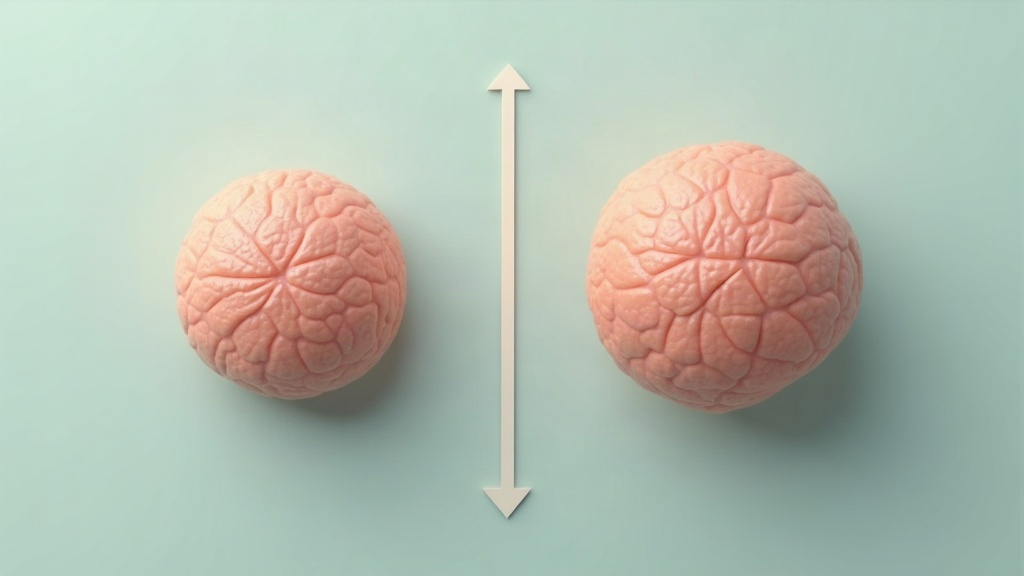
Despite being critical for early detection of testicular cancer, many individuals struggle to take the necessary steps towards self-exams. A common confusion is not knowing how to properly conduct these examinations, leading to anxiety and avoidance. Furthermore, societal taboos surrounding intimate health can create barriers to discussing testicular self-exams openly. However, understanding the importance of regular self-examinations—given that early detection dramatically increases the chances for successful treatment—can motivate individuals to take action.
Executing self-exams correctly is vital, as improper techniques may lead to missed abnormalities. Grasping the reasoning behind self-examinations can demystify the process, transforming it from a daunting task into an empowering routine. The reality is that by becoming familiar with your own body, you can significantly enhance your chances of catching issues before they escalate into something more serious.
1. Understand the Anatomy and Normal Feelings
The first step in conducting effective testicular self-exams is to familiarize yourself with the anatomy of your testicles. Understanding what is normal helps you identify any abnormalities more quickly. Each testicle tends to be slightly different in size and shape, and it’s essential to note these baseline characteristics. Normal testicles tend to feel smooth and firm but slightly movable.
By learning to recognize how your testicles typically feel, it becomes easier to spot changes, such as lumps, swelling, or any unusual hardness. This fundamental knowledge not only empowers you during your self-exam but also reduces unnecessary worry. Misunderstanding what’s normal can lead to panic over benign conditions instead of focusing on proactive healthcare.
2. Choose an Appropriate Time and Place
Selecting the right environment for your self-exam is more than a matter of comfort; it’s about ensuring a distraction-free zone. A warm shower or bath can make the scrotal skin more relaxed, making it easier for you to feel any abnormalities. Privacy is also crucial; choosing a secluded spot will help you focus without interruptions.
When people rush through self-exams or perform them in uncomfortable settings, the likelihood of accurate detection diminishes. Making self-exams a part of your routine—perhaps at the same time each month—establishes a habit and normalizes the practice, reducing the potential for anxiety during each examination.
3. Conducting the Self-Exam
Now that you’re ready to perform the self-exam, ensure you use the right technique. Gently roll each testicle between your fingers and check for any unusual lumps or changes. It’s advised to use both hands to feel every part of each testicle thoroughly, including the epididymis—the soft tube at the back of the testicle that stores sperm. If anything feels out of the ordinary, such as a lump or swelling, take note of its size and shape.
This physical examination should take only a few minutes but can yield critical insights into your health. Avoiding the self-examination could lead to ignorance of symptoms that are not only treatable but curable when detected early. The distinction is clear: the more informed you are regarding your own body, the better equipped you will be for proactive healthcare decisions.
4. Know When to Seek Professional Guidance
Finding something unusual can be daunting. Remember, the mere discovery of a lump doesn’t automatically equate to cancer; many conditions can result in changes. Nevertheless, if you notice any unusual growths, persistent pain, or changes in texture, reach out to your healthcare provider immediately. Early intervention is key.
Waiting too long to consult a doctor can compound potential issues, making treatment more complex. Being proactive could save your life. When you approach your healthcare provider, come prepared to discuss your findings clearly. This dialogue empowers you and ensures that your concerns are taken seriously.
5. Maintain Open Communication About Testicular Health
Don’t underestimate the power of conversations surrounding testicular health. Talk to your friends, family, or healthcare providers openly about the importance of self-exams and general testicular health. This not only normalizes the practice but also can open the door for others to prioritize their health as well.
Many may feel uncomfortable discussing such personal matters, yet this hesitation can allow misinformation to thrive. The reality is, knowledge shared in a supportive environment can lead to better healthcare decisions. Making testicular health part of daily conversation is vital not just for you, but for the broader community of men seeking to demystify and normalize these important health checks.
6. Educate Yourself on Risk Factors
Familiarity with personal risk factors is an essential component of preventive health. Understanding that certain demographic groups, particularly men aged 15 to 35, are at a higher risk for testicular cancer is vital. Factors such as family history, undescended testicles, or previous occurrences of testicular cancer can heighten your risk levels. Knowing these factors can change the way you engage with your health overall.
Awareness enables measured decision-making and reinforces the importance of consistent self-exams. If you fall into a high-risk category, you may need to schedule more frequent check-ups with your healthcare provider, blending self-awareness with professional advice for a comprehensive approach to your health. Investing time in your knowledge sets the groundwork for higher chances of early detection and favorable outcomes.
This TikTok video demonstrates practical techniques for conducting testicular self-exams. It illustrates how the process should be simple and manageable, encouraging viewers to prioritize their health. By integrating visual aids, it can help demystify the self-exam, making it feel less intimidating and more approachable, thus improving understanding and engagement.
| Approach | Pros | Cons |
|---|---|---|
| Monthly self-exam | Inexpensive, empowering | Possible misinterpretation of what is normal |
| Regular doctor check-ups | Professional insight, early detection | Time-consuming, potential cost concerns |
| Education on risk factors | Enhanced awareness, proactive measures | May not lead to actionable insights |
Understanding these different approaches helps to clarify the trade-offs involved in each method. The table reflects the importance of balancing proactive measures with realistic constraints, fostering a well-rounded approach toward testicular health.
This second TikTok video offers a broader perspective on common misconceptions surrounding testicular health. It highlights that awareness and communication are vital, further enhancing the education necessary for taking control of one’s health. By viewing real-world examples and discussions, individuals can engage with their health on a deeper level.
Common Mistakes to Avoid
- Skipping exams due to discomfort or embarrassment.
- Not taking note of previous baseline characteristics.
- Waiting too long to seek professional advice after finding abnormalities.
- Avoiding discussions about testicular health with peers or healthcare providers.
- Misunderstanding what normal feels like, leading to unnecessary panic.
Evaluating Your Progress and Outlook
Measuring your progress in testicular health is about more than just regular self-exams; it involves fostering a continuous dialogue with yourself and your healthcare provider. Set realistic expectations around what you hope to achieve with these self-exams. Regular check-ins, journaling any changes you notice, and sticking to your self-exam timetable can all contribute to better long-term health outcomes.
Recognize that healthcare is an ongoing journey—engagement today pays dividends tomorrow. Balancing short-term action with long-term planning furthers your commitment to personal health. Rather than seeking instant results, focus on creating lasting habits that cultivate a healthier lifestyle and nurtures your well-being.