
Understanding the Risks of Skin Cancer in Men

Skin cancer remains one of the most common and least understood health issues impacting men today. Despite growing awareness, many men lack adequate knowledge about the subtle signs of skin cancer, which can lead to late diagnoses and poorer outcomes. This underappreciation for early detection becomes critical given that men are statistically more likely to die from skin cancer than women, largely due to a combination of risk factors and lower awareness of the disease.
This lack of awareness is complicated by the misconception that skin cancer only affects those with fair skin or a family history of the disease. Men may also overlook early warning signs, mistakenly believing they are invulnerable or simply dismissing them as irrelevant. Navigating these complexities is essential for ensuring proactive skin health and making informed decisions regarding screening and prevention.
Simplistic advice such as "use sunscreen" doesn't suffice when delving into the nuances of skin cancer risk. Men must consider numerous factors—including skin type, lifestyle choices, and the geographic location of their residences—when evaluating their risk. Understanding skin cancer in the context of their overall health can lead to better outcomes and more informed decision-making regarding preventative measures.
What do most men misunderstand about their skin cancer risk?
One prevalent misunderstanding among men is the belief that skin cancer predominantly affects older adults or those with lighter skin tones. While age and fair skin do increase risk, anyone can develop skin cancer regardless of their demographic factors. In fact, men aged 50 and above often experience a concerning increase in risk, but younger men are not exempt, particularly those who engage in outdoor activities without proper sun protection.
This misconception can lead to a dangerous delay in seeking preventive care or treatment. Many men assume that a lack of noticeable symptoms equates to being cancer-free, but skin cancer can develop quietly and asymptomatically in its early stages. Regular self-examinations and dermatologist visits are crucial routines that men can adopt to effectively monitor their skin and catch any lesions or changes early on.
By debunking these myths, men can take charge of their health, gaining a clearer understanding of the specific behaviors, environmental factors, and genetic predispositions that contribute to their individual risk levels. This awareness is critical for prompting proactive action.
How should men approach self-examinations for skin cancer?
Self-examinations can be transformative in the early detection of potential skin cancer signs. However, many men are unsure about how to perform these examinations effectively. A thorough self-exam entails systematically checking all areas of the skin, including less visible spots, such as the scalp, ears, and between toes. A common pitfall is focusing solely on areas that are frequently exposed to the sun, overlooking potentially dangerous changes hidden from view.
A useful strategy is to follow the ABCDE rule for moles: asymmetry, border irregularity, color variation, diameter larger than 6mm, and evolving size, shape, or color. Understanding these characteristics can help identify moles that warrant further examination. Additionally, it’s critical to familiarize oneself with their own skin’s unique features to detect any changes over time.
Incorporating self-exams into a monthly routine not only enhances awareness but also cultivates a habit of regular monitoring. Recognizing abnormal changes early can lead to timely medical consultations and increase the likelihood of successful treatment. Given that skin cancer is significantly more treatable when caught early, these examinations can dramatically influence outcomes.
What are the hidden challenges of seeking medical advice for skin cancer?
While seeking medical advice is crucial for anyone concerned about skin cancer, men may encounter several hidden challenges along the way. The first barrier is often a cultural stigma surrounding vulnerability; many men are conditioned to minimize health concerns and avoid discussing them openly, which can prevent early intervention and pose serious risks to their health.
Another challenge lies in the healthcare system itself. Men may struggle to find healthcare providers who understand their specific concerns and risk factors related to skin cancer. This often leads to miscommunication or inadequate evaluations. If a provider dismisses a patient’s concerns due to their age or perceived "low risk," it may discourage further inquiry, resulting in dangerous consequences.
To mitigate these challenges, men should prioritize open communication with healthcare providers, expressing any concerns about skin changes and requesting thorough evaluations when necessary. Understanding one's rights as a patient fosters a more engaged approach to health, leading to better outcomes overall.
Is sunscreen usage enough for skin cancer prevention?
Many men wonder if simply using sunscreen is sufficient for preventing skin cancer. While applying sunscreen is a crucial component of a skin health regimen, it’s not a standalone solution. The efficacy of sunscreen depends heavily on appropriate usage and reapplication; many individuals underapply or fail to reapplied adequately, undermining its effectiveness.
Moreover, sunscreen does not offer complete protection against all UV radiation. Men should also consider complementary measures such as wearing protective clothing, seeking shade during peak sun hours, and avoiding tanning beds, which have been linked to an increased risk of melanoma.
In addition, understanding personal skin types and the environmental factors that might heighten specific risks can further enhance protection strategies. For example, men with higher levels of sun exposure due to outdoor occupations should adopt a multipronged approach to skin safety that extends beyond sunscreen alone, ensuring comprehensive prevention.
How does age affect skin cancer diagnosis and treatment outcomes for men?
Age plays a significant role in both the diagnosis and treatment of skin cancer in men. As individuals age, the cumulative effects of sun exposure over the years can lead to more pronounced skin damage, increasing the likelihood of developing skin cancer. Moreover, older men may also face challenges related to their immune system's ability to respond effectively to treatments, such as surgery or chemotherapy.
Interestingly, older patients often experience a different trajectory regarding diagnosis. They may receive diagnoses later due to variable symptom recognition or health-related biases that downplay concerns associated with advancing age. These elements can lead to more advanced stages at the time of detection, limiting treatment options and adversely affecting outcomes.
It's crucial for aging men to maintain a proactive stance toward skin health, getting regular skin checks and engaging in discussions with healthcare providers about age-specific risks to facilitate early intervention. The benefits of early detection can significantly enhance survival rates and quality of life.
What lifestyle changes can help reduce skin cancer risks in men?
Making proactive lifestyle changes can be instrumental for men aiming to reduce their skin cancer risks. One of the most effective strategies includes regular physical activity, which not only supports overall health but also promotes a balanced immune response. Engaging in outdoor activities can be beneficial, but doing so with caution—such as wearing hats and UV-blocking sunglasses—remains crucial.
Another vital aspect involves nutrition; a diet rich in antioxidants from fruits and vegetables may help combat free radicals, possibly lowering skin cancer risks. Furthermore, adequate hydration and limiting alcohol intake can also support skin health and minimize risks associated with sun exposure.
Finally, it's essential to be informed about family health history. For those with relatives who have experienced skin cancer, maintaining close vigilance through regular check-ups becomes even more critical. These lifestyle alterations can collectively transform skin health awareness, encouraging men to take charge of their risk factors.
How can men support each other in recognizing skin health risks?
Peer support can play a significant role in helping men recognize skin health risks. Male camaraderie can create an environment where discussing health issues becomes more normalized, making it easier for individuals to seek help or share observations about skin changes among friends. This solidarity can dismantle barriers created by stigmas associated with vulnerability.
Men can also organize group activities or campaigns focused on skin health awareness, creating opportunities to educate one another on identification techniques for potential skin abnormalities. Bringing in professional speakers or leveraging community health resources can help reinforce the importance of early detection and treatment.
Additionally, fostering an environment that encourages check-ups and self-tests not only creates accountability but also underscores the importance of being vigilant concerning skin health. Every conversation can contribute to a culture of prevention and early detection, which is ultimately beneficial for public health.
Understanding Men's Unique Vulnerability to Skin Cancer

Skin cancer remains a serious concern, yet men face significantly higher mortality rates than women due to a combination of factors including greater exposure to the sun and lesser general awareness of health issues. This discrepancy underscores the necessity for men to be proactive about their skin health and to understand the warning signs of skin cancer. Elevated mortality can stem not only from more advanced cases by the time of diagnosis but also from cultural stigmas surrounding health and preventive care.
Given the increasing incidence of skin cancer among men, understanding the risk factors, symptoms to watch for, and preventive measures is crucial. Simple awareness is often inadequate—men need detailed insights to navigate both the risks and the strategies for effective prevention. By prioritizing self-exams and staying informed, men can take charge of their health and potentially save their lives.
-
Increased UV Exposure
Men are often more likely to work or spend leisure time outdoors, leading to higher exposure to harmful UV rays. This exposure significantly increases the risk of developing skin cancer, particularly in fair-skinned individuals.
Being aware of the UV index and seeking shade during peak hours can mitigate risk. Regular use of broad-spectrum sunscreen with SPF 30 or higher is essential for protection, regardless of skin type.
-
Skin Type and Genetics
Men who have fair skin, light hair, and light-colored eyes are at a higher risk for skin cancer. Additionally, a family history of skin cancer can further escalate these risks.
Genetic predisposition emphasizes the importance of regular skin checks and identifying new or changing moles or spots as early warnings.
-
Health Risks of Ignoring Skin Changes
Men are less likely to notice or address skin changes, often delaying essential medical consultations. This trend can lead to late-stage diagnoses and lower survival rates.
This video highlights the often-overlooked areas where men neglect skin protection. It serves as a reminder that vigilance in these areas can prevent serious conditions down the line, making men more aware of potential danger zones on their bodies.
-
Lack of Routine Self-Exams
Establishing a regular schedule for self-exams significantly aids in early detection of skin issues. However, many men don't practice this habit consistently.
There are numerous resources available to educate men on how to perform effective self-exams. Abandoning the notion that skin checks are only for women could be pivotal in reducing skin cancer rates.
-
Preventive Strategies
In addition to self-exams, preventive strategies such as annual dermatologist visits can catch early signs of skin cancer. Familiarity with one’s skin can expedite this process.
Prevention includes lifestyle changes such as wearing protective clothing, utilizing sunscreen, and avoiding tanning beds, all of which are critical in reducing risk.
-
Barriers to Seeking Help
Sociocultural factors often discourage men from seeking medical advice, including perceived stigma around “weakness” and health care misconceptions. This reluctance can worsen outcomes.
This informative video serves as a gentle reminder for men to recognize the importance of seeking help for skin concerns. It emphasizes that taking action for one’s health is a sign of strength, not weakness.
-
Underestimating Risks
A common misconception among men is the belief that skin cancer primarily affects others or only those who sunbathe extensively. This underestimation can lead to dangerous attitudes toward sun exposure.
Education is critical here; understanding that skin cancer can be insidious and affect anyone can shift perspectives, encouraging more proactive behaviors.
-
Community Support and Awareness
Building community awareness around men’s skin health can foster environments where seeking help and sharing experiences is normalized. Groups focusing on skin care and skin cancer prevention can drive changes in behavior.
Initiatives such as local screenings or awareness campaigns can create greater outreach, ensuring that men are informed about their risks and the importance of prevention.
| Risk Factors | Impact | Preventive Actions |
|---|---|---|
| Increased UV Exposure | Higher likelihood of skin cancer development | Use sunscreen, seek shade |
| Skin Type & Genetics | Increased susceptibility | Regular check-ups, self-exams |
| Health Risks of Ignoring Changes | Late-stage diagnosis | Be vigilant, consult professionals |
| Lack of Routine Self-Exams | Delayed detection | Scheduled self-exams |
| Barriers to Seeking Help | Increased morbidity | Community support, awareness |
Proactive Steps for Skin Cancer Awareness and Prevention in Men
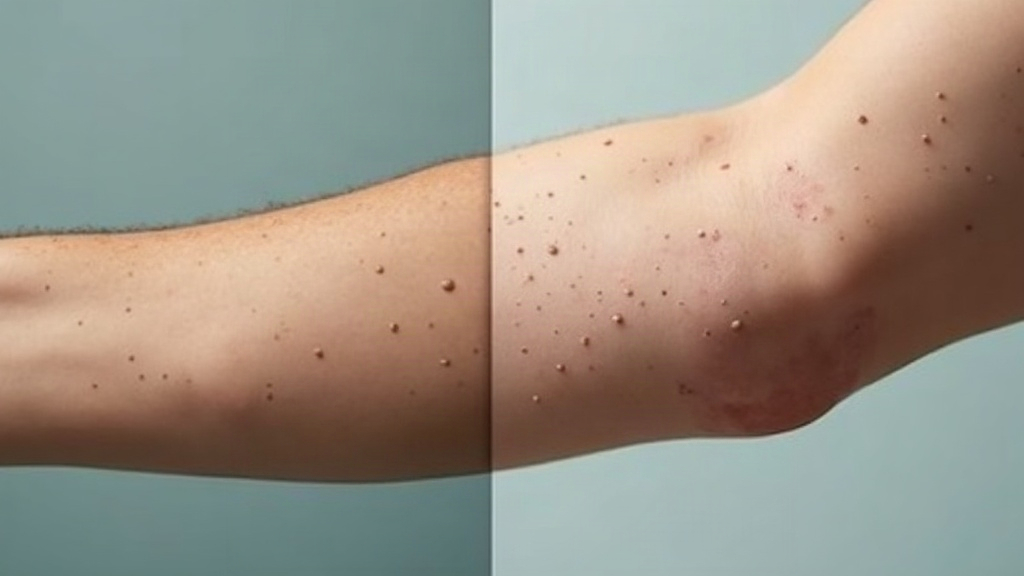
Many men find it challenging to engage with skin cancer awareness, often due to a combination of societal norms that discourage open discussions about health and personal grooming, and the misconception that skin cancer is primarily a women’s issue. This lack of dialogue can lead to a dangerous underestimation of risk, particularly considering that men are statistically more likely to develop skin cancer and suffer higher mortality rates. Overcoming these social barriers is essential, not only for individual health but for the broader community's awareness.
The effective execution of skin self-exams and heightened awareness around the signs of skin cancer is paramount. Understanding what to look for during self-assessments and recognizing early warning signs can save lives. Allocating time for these practices can be seen as a burden, yet framing them as integral components of overall health maintenance can shift mindset from one of obligation to one of empowerment.
1. Understand the Types of Skin Cancer
It’s crucial to grasp the differences among the various types of skin cancer—primarily basal cell carcinoma, squamous cell carcinoma, and melanoma. Each type presents distinct risk factors, which can inform your prevention strategies. Basal cell and squamous cell carcinomas are the most common and less likely to metastasize, but melanoma, while less common, can be far more aggressive and life-threatening.
Being informed allows you to assess personal risk based on your skin type, sun exposure habits, and family history. For example, individuals with fair skin or a history of sunburns should be more vigilant in their monitoring. Ignoring this education can lead to dismissive attitudes towards potential symptoms that warrant professional attention.
2. Schedule Regular Skin Checks with a Dermatologist
While self-exams are valuable, nothing substitutes for professional evaluations by a dermatologist. It’s advisable to schedule annual skin checks, especially for men over 50 or those with a history of skin cancer. During these appointments, dermatologists can identify and address areas of concern that may not be immediately visible or apparent during self-exams.
Men often overlook regular medical appointments, sometimes associating them with weakness or a lack of toughness. This mindset can delay critical diagnosis and treatment of skin issues. Understanding that these skin checks are a tool for proactive health management rather than a response to a crisis can promote a healthier attitude toward such appointments.
3. Master the Art of Self-Exams
Incorporating regular self-exams into your routine can be simple and effective. To do this optimally, a well-structured approach is essential. Start by standing in front of a mirror and inspecting your entire body, including hard-to-see areas like your back and the backs of your legs. Use a hand mirror to facilitate this process, or seek assistance from a partner for those elusive spots.
Men may struggle with self-exams due to discomfort with vulnerability or lack of knowledge on what to look for. Familiarizing yourself with the ABCDEs of melanoma—Asymmetry, Border, Color, Diameter, and Evolving—can streamline examinations and improve your confidence in identifying concerning moles. This knowledge is key to ensuring that men actively engage in their own skin health.
4. Protect Your Skin from Harmful UV Rays
Prevention is always better than cure; thus, being proactive about UV protection can significantly reduce skin cancer risk. This means leveraging sunscreen, wearing protective clothing, and seeking shade during peak sun hours. Aim for a broad-spectrum SPF of at least 30; remember to reapply every two hours when spending extended periods outdoors.
Many individuals underestimate the protection offered by clothing or make excuses about the inconvenience of applying sunscreen. Awareness campaigns have highlighted the significance of these precautions, but personal habits often still need the necessary diligence. Adopting a routine around sun protection—as you would for any other health-related practice—can generate significant long-term health benefits.
5. Stay Informed about Risk Factors
Understanding personal risk factors is vital for men. Factors such as family history, exposure to certain chemicals, and even specific occupations can increase the likelihood of developing skin cancer. By staying informed, you can make conscientious decisions about your lifestyle and monitoring efforts.
Many men presume they are immune to skin cancer if they don’t fit a stereotypical risk profile. This complacency can be dangerous, as skin cancer can occur in various demographics. Embracing a culture of awareness, where you actively seek information about emerging research or trends in skincare, can bolster your capacity for prevention.
6. Engage in Community and Support Groups
Joining a community or support group focused on skin health can serve as a motivational tool for many men. Sharing experiences and hearing stories from others in a similar situation can encourage healthy dialogue about skin cancer awareness, promoting shared vigilance around self-exams and symptoms.
Some men may feel isolated in their health journeys, leading to decreased participation in discussions and examinations. Creating a sense of camaraderie fosters accountability and increases awareness, ultimately leading to heightened discussions about skin health in male-centric spaces. Building this network can empower individuals to take ownership of their health.
This engaging video illustrates how to perform effective self-exams for skin cancer, demonstrating the techniques and areas to pay attention to. This visual guide complements the previously discussed ABCDE method and reinforces the importance of self-awareness in skin health. Visual learning can significantly enhance understanding, making the process feel less daunting.
| Risk Factor | Impact | Preventive Action |
|---|---|---|
| Family History | Higher likelihood of skin cancer diagnosis | Annual dermatological screenings |
| Skin Type | Fair skin increases risk | Strict UV protection measures |
| Sun Exposure | Cumulative damage over time | Avoid peak sun hours |
| Tanning Beds | Increased cancer risk | Refrain from use entirely |
| Aging | Increased risk with age | Regular check-ups regardless of recent health |
This second video provides an overview of lifestyle changes that can support skin health. It emphasizes how simple modifications can lead to substantial long-term benefits, reinforcing the need to be proactive. Gathering varied perspectives deepens understanding and commitment to personal health choices.
Common Mistakes in Skin Cancer Prevention
- Neglecting regular skin exams, assuming “it won’t happen to me.”
- Underestimating the effectiveness of sunscreen, leading to overexposure.
- Skipping doctor visits due to misconceptions about their necessity.
- Ignoring changes in skin appearance, waiting too long to seek help.
- False confidence in artificial tanning methods as safe alternatives.
- Failing to discuss skin cancer openly due to stigma or embarrassment.
Measuring Progress in Skin Health
To evaluate your journey towards better skin cancer awareness and prevention, consider tracking both quantitative and qualitative metrics. Regularly documented self-exams, noting any changes, and scheduling consistent dermatological appointments can provide insight into your health progression.
Remember to frame your expectations realistically; skin cancer awareness is not solely about avoidance but also about understanding what constitutes early signs and proactive measures. It’s important to celebrate small victories, like increased participation in skin checks or adopting sunscreen into your routine, to foster a long-term commitment to skin health. This approach creates a realistic and sustainable mindset, ensuring commitment to vigilance while reducing anxiety about potential diagnoses.