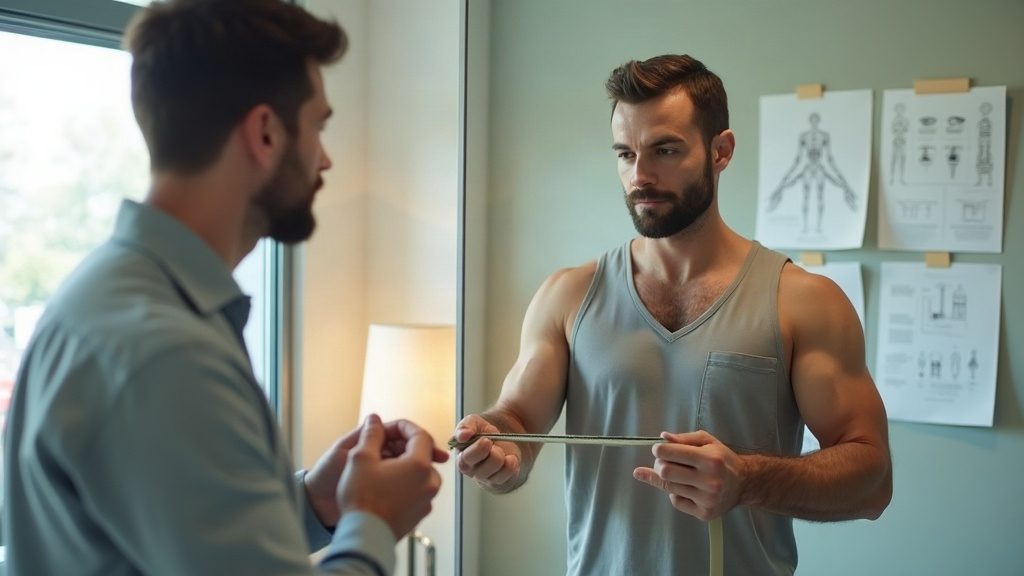
Understanding Men’s Body Image: Common Misconceptions and Complexities
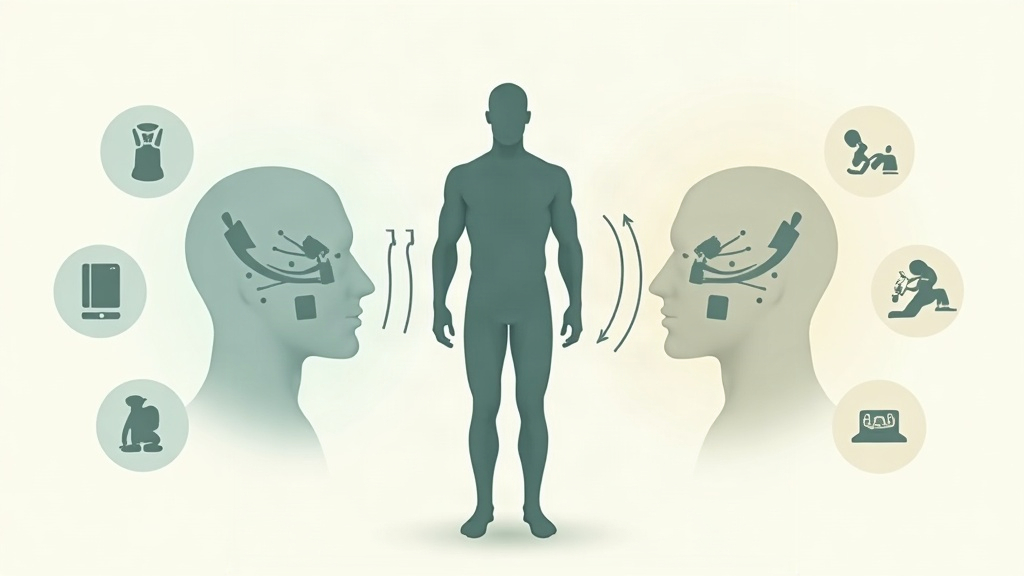
Men’s body image is a nuanced topic often overshadowed by discussions centered on women’s perceptions and experiences. Many people mistakenly assume that body image issues only affect women, leading to a lack of awareness and support for men grappling with similar concerns. This oversight can lead to the perpetuation of unhealthy standards and expectations in men, whether through the pressure to attain a specific muscular physique or through the role of social media in shaping these ideals. Recognizing these complexities is essential for fostering a better understanding of men’s body image issues.
Making decisions about health and fitness based on societal standards can be particularly challenging. Many men feel torn between the desire to cultivate a body that aligns with societal expectations and the need to maintain a healthy relationship with their self-image. This dichotomy can lead to dangerous decision-making, such as pursuing extreme diets or engaging in harmful workout regimens just to achieve an ideal body shape. Men often face confusion and misguidance on how to balance these competing priorities effectively.
A deeper exploration of men's body image issues reveals that simplistic advice like "just work out more" or "eat less" overlooks the psychological and emotional facets of the struggle. Understanding how societal influences, personal experiences, and mental health intertwine can lead to more supportive, informed conversations. Only by confronting these complexities can we begin to dismantle the stigma surrounding men’s body image and promote a healthier, more realistic view of masculinity.
Why do many men feel pressure to conform to certain body ideals?
Men often experience societal and peer pressure to attain specific body ideals, fueled by media representations and cultural perceptions that equate masculinity with muscularity. This pressure can manifest in various ways, from advertising promoting "the perfect body" to conversations among peers that reinforce unrealistic expectations. Men may internalize these messages, leading them to believe that their worth is tied to their physical appearance, which can have detrimental effects on their mental health and self-esteem.
Additionally, the fitness industry heavily markets products and programs aimed at helping men achieve their desired physiques, often using before-and-after images that create aspirational yet unattainable standards. This marketing not only reinforces the notion that certain bodies are superior but also creates a cycle of dissatisfaction. Many men engage in extreme workout regimens or unhealthy eating habits to meet these standards, often at the cost of their overall well-being.
Ultimately, the drive to conform is rooted in a combination of societal expectations, self-perception, and the desire for acceptance. By recognizing these influences, men can begin to challenge the pressures that lead to unhealthy behaviors and engage in a more constructive conversation about body image and masculinity.
What happens when men prioritize appearance over health?
Prioritizing appearance over health can lead to a number of dangerous consequences for men, including physical health issues and psychological distress. Engaging in extreme dieting or excessive exercise in pursuit of an idealized body can result in nutritional deficiencies, fatigue, and long-term health complications. Many men may not realize that their focus on aesthetics can significantly undermine their physical well-being, ultimately defeating the very purpose of pursuing fitness and health.
Moreover, the mental health implications of this focus can be severe. Men who obsess about their appearance may experience increased anxiety, depression, and even conditions like muscle dysmorphia, where they view themselves as inadequately sized despite evidence to the contrary. This disorder exemplifies the paradox of pursuing an ideal body at the expense of happiness and self-acceptance, leading to an endless cycle of dissatisfaction and unhealthy behaviors.
Recognizing health as a holistic concept—which encompasses physical, mental, and emotional elements—can help men shift their priorities. By focusing on overall wellness rather than just appearance, men can foster a healthier relationship with their bodies, ultimately leading to more sustainable and fulfilling lifestyles.
Is it actually better to focus on muscle gain rather than overall fitness?
The pursuit of muscle gain often overshadows the importance of overall fitness, leading to an imbalance in one's health regimen. While building muscle can be a legitimate fitness goal, it is essential to consider the broader spectrum of physical health. Stretching, cardiovascular health, and flexibility are equally important aspects of fitness that may be neglected in a sole focus on muscle growth.
In addition, the muscle-focused environment perpetuated by social media can influence men to overlook the importance of balanced nutrition and varying exercise routines. Ignoring these elements can lead not only to physical limitations but also to a neglect of mental health, as stress and anxiety can surface due to inflexible training goals. Thus, associating masculinity primarily with muscle gain can create unrealistic expectations and feelings of inadequacy among men who may not fit that mold.
Moreover, pursuing a comprehensive approach to fitness can lead to better long-term outcomes. Men who engage in varied exercise routines that promote cardiovascular fitness, flexibility, and strength are often healthier and more satisfied with their bodies. Therefore, it’s necessary to shift the conversation from an exclusive focus on muscle gain to a broader perspective that values overall wellness and varying aspects of fitness.
What do most people misunderstand about the impact of social media on men’s body image?
Many people underestimate the profound impact social media has on men's body image, often viewing it as a benign platform for self-expression. However, social media can serve as a breeding ground for unrealistic portrayals of masculinity and physical appearance. Accounts that promote idealized body types and showcase extreme fitness routines can distort perceptions of what is achievable and desirable. As a result, men may feel inadequate when they compare themselves to these curated portrayals, leading to a decline in self-esteem and body satisfaction.
The hidden psychology behind social media interactions further complicates this issue. Many men seek validation through likes and comments on their fitness accomplishments or body images shared online. This can lead to an unhealthy feedback loop where self-worth becomes tied to social media validation and appearances rather than genuine self-acceptance and well-being. Furthermore, the potential for cyberbullying or negative commentary amplifies feelings of anxiety and inadequacy regarding one’s body.
Understanding social media’s dual role as both a potential support system and a source of pressure is critical. Encouraging men to engage with more positive, body-inclusive narratives online can foster healthier self-perceptions and promote a culture where diverse body types are celebrated rather than stigmatized.
How does this affect long-term mental health outcomes for men?
Men's struggles with body image have far-reaching implications that significantly affect their long-term mental health outcomes. The pressure to conform to specific body ideals can lead to persistent negative self-image and psychological distress that lasts well into adulthood. Men dealing with these issues are at a higher risk for conditions such as anxiety, depression, and tailored eating disorders, which may not only influence their social relationships but also their professional lives.
In many cases, societal stigma prevents men from openly discussing their body image struggles, leading to isolation and frustration. The lack of support can exacerbate these issues, making recovery or coping even more challenging. Addressing these mental health challenges in an open and constructive way is essential for promoting healing and resilience in men, and this process often requires community understanding and empathy.
Encouraging open dialogue around body image and providing accessible mental health resources can help counteract the stigma that keeps men from seeking help. By understanding the long-term consequences of body image issues, we can work towards creating supportive environments that prioritize mental well-being and acknowledge the complexities men face regarding their bodies.
What strategies can men employ to improve their body image?
Improving body image requires a multifaceted approach that goes beyond simple aesthetic goals. One effective strategy is to cultivate self-compassion, which encourages men to be kinder to themselves and acknowledge their feelings without harsh judgment. Practices such as mindfulness have also been shown to help men develop a more balanced perspective on their bodies; being present and aware can reduce negative self-talk and enhance overall body acceptance.
Additionally, surrounding oneself with supportive communities can play a pivotal role in improving body image. Engaging in discussions with friends, family, or social groups that emphasize diverse body types and realistic representations of masculinity can foster a positive environment. These conversations can help dispel myths around body ideals and encourage personal narratives that affirm one's value beyond appearance.
Lastly, focusing on health metrics that encompass overall well-being—such as endurance, strength, flexibility, and mental clarity—can redefine success in a way that transcends mere physical look. Viewing fitness holistically and embracing the joy of movement can cultivate a healthier relationship with one's body, shifting the narrative from one of dissatisfaction to one of gratitude and acceptance.
Is there a link between body image issues and performance in sports?
The link between body image issues and sports performance is a complex one. Due to the competitive nature of athletics, many men may feel heightened pressure to conform to idealized body types that they believe will enhance their performance. This can lead to irrational beliefs about their bodies' capabilities, often resulting in performance anxiety and stress that detracts from actual athletic potential.
Moreover, the pursuit of an ideal physique can encourage extreme behaviors, such as severe dieting or overtraining, which may ultimately harm performance rather than enhance it. This disconnection between body image and actual athletic functionality can lead to a cycle of frustration, where men feel inadequate and fail to recognize the impact of mental and physical conditions on their performance.
Understanding Men's Body Image and Its Complexities
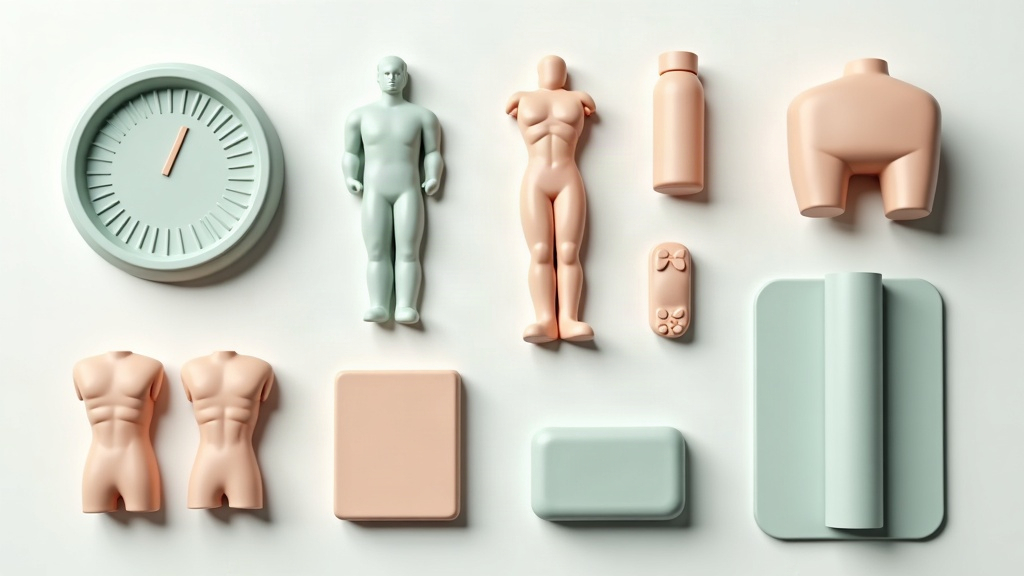
Body image issues are not just a concern for women; men also face significant challenges related to how they perceive their bodies. Misconceptions about masculinity, fueled by social media and popular culture, can lead to conditions like muscle dysmorphia, where men obsess over achieving an unrealistic physique. This topic matters deeply as societal pressures can lead to anxiety, depression, and unhealthy behaviors. It’s crucial to approach men’s body image issues with sensitivity and understanding, as simple solutions often overlook the complex social and psychological factors at play.
As you navigate this topic, it's essential to recognize that men can feel isolated in their struggles with body image. Open discussions and awareness can significantly improve mental health outcomes. Understanding the nuances of this issue not only fosters empathy but also prompts a societal shift towards more inclusive definitions of masculinity and body acceptance.
-
The Effects of Media Representation
Media portrayal of the ideal male body is often unrealistic, showcasing an unattainable standard that many men feel pressured to meet. This constant bombardment can distort self-image and lead to dissatisfaction.
Understanding how media influences self-perception can help men critically assess these portrayals and cultivate a healthier body image.
-
The Role of Social Media
Social media platforms exacerbate body image concerns, presenting curated lifestyles and body images that are often unattainable. Negative comparisons can affect self-esteem and mental health.
Strategies for curbing the impact of social media include unfollowing accounts that trigger negative feelings and promoting healthy self-talk.
-
7 YEARS OF CREATOR EXPERIENCE - PART 1
This video highlights experiences related to content creation and body image, shedding light on how creators navigate societal expectations and personal perception.
This video illustrates the journey of content creators and how they manage body image while sharing their lives online. It highlights the importance of authenticity versus edited presentations that often dominate social media, providing insight into how viewers can cultivate a more realistic self-image.
-
The Impact of Peer Pressure
Men often experience peer pressure that influences their body image, particularly regarding muscularity and athleticism. Such pressures can lead to unhealthy comparison among peers, worsening body image issues.
Recognizing the sources of peer pressure can empower individuals to make more positive choices and support one another in cultivating body acceptance.
-
Cultural Differences in Body Image
Different cultures have varying ideals of masculinity and body image, which can shape how men feel about their bodies. Understanding these cultural perspectives can provide a broader context for body image issues.
Diving into these cultural narratives enables men to appreciate the diversity of body types and the subjective nature of attractiveness.
-
Covid-19 Vaccine Safety Update in Children Aged 5-11
This video discusses broader health topics that can also intersect with men's body image, particularly regarding health anxieties provoked by illness and public health campaigns.
This video not only informs about vaccine safety but also serves as a reminder that health perceptions can greatly influence body image. Acknowledging health concerns can lead to greater self-acceptance and a more positive body image.
-
Muscle Dysmorphia and Its Consequences
Muscle dysmorphia is a psychological disorder that drives individuals to obsess over their muscularity. This condition can lead to dangerous behaviors, including excessive exercising and steroid use.
Understanding muscle dysmorphia is crucial for those affected, as awareness can lead to seeking help and embracing a more balanced view of fitness and body image.
-
Finding Support and Resources
Seeking help is vital for men struggling with body image issues. Professional counseling, peer groups, and supportive communities can foster a healthier mindset.
Men should be encouraged to reach out and utilize available resources that promote acceptance and body positivity, contributing to overall well-being.
| Aspect | Insight |
|---|---|
| Media Influence | Media portrays unrealistic body types, affecting self-image. |
| Social Media | Platforms can promote negative comparisons and body dissatisfaction. |
| Peer Pressure | Social circles can heighten body image concerns among men. |
| Cultural Factors | Different cultures have unique standards of masculinity. |
| Muscle Dysmorphia | Obsessive concerns over muscularity can lead to health risks. |
| Support Systems | Accessing professional help can lead to improved body acceptance. |
Practical Steps to Enhance Men's Body Image

Men's body image issues are often brushed aside, making it difficult for many to acknowledge and act on their concerns. Societal pressures, compounded by a barrage of idealized representations on social media, create a confusing landscape. Many men may feel isolated in their struggles, unsure how to confront feelings of inadequacy regarding their physique or muscle development. This lack of support and understanding means that many men remain stuck, unaware of the necessary steps they can take to build a healthier self-image.
Moreover, body image isn't solely about physical appearance; it intertwines with mental and emotional health, which adds layers of complexity to the situation. Addressing these feelings not only promotes better mental well-being but also enhances overall life satisfaction. Navigating this journey requires actionable insights and an understanding of the challenges men face daily. By engaging in the following steps, you can cultivate a positive body image that empowers rather than undermines your confidence.
1. Recognize Societal Influences
The first step in enhancing body image is to identify the societal influences that shape your perception. Media, including social platforms, often portrays distorted views of ideal masculinity, which may lead to unrealistic expectations. Understanding that these images are often curated and filtered can help mitigate their impact on your self-esteem. Recognize that these portrayals don't reflect the diverse realities of male bodies.
Taking time to critically assess what you consume, particularly on social media, can help you filter out harmful narratives. Consider following accounts that promote body positivity and diversity in male physiques. By surrounding yourself with positive representations, you can help reshape your understanding of masculinity and body image.
2. Embrace Self-Reflection and Awareness
Self-reflection is crucial for understanding your own body image. Journaling your thoughts and feelings about your body can reveal underlying beliefs and attitudes. This practice encourages you to confront emotions rather than suppress them, illuminating the roots of your dissatisfaction.
Awareness also involves acknowledging the moments you feel most critical of your body. Are these negative feelings linked to specific situations or comparisons? Understanding these triggers allows you to create strategies to counteract them, fostering a more compassionate relationship with yourself.
3. Develop Healthy Comparison Standards
Rather than comparing yourself to others, focus on establishing personal standards for health and fitness. This might mean setting realistic goals based on your individual abilities and preferences rather than striving to mimic someone else's body. Celebrate small achievements—like increased strength or endurance—rather than fixating on your appearance.
Recognizing that every body is unique and responds differently to exercise can shift your mindset from one of inadequacy to personal growth. Use comparisons as motivation to improve your skills rather than a measure of your self-worth. This shift can cultivate a more nurturing and supportive internal dialogue.
4. Engage in Positive Self-Talk
Self-talk plays a significant role in shaping your body image. Negative inner dialogue can reinforce feelings of dissatisfaction, while positive affirmations can foster confidence. Begin consciously replacing negative statements about your body with encouraging ones. For example, instead of saying, “I’m too skinny,” say, “I appreciate my body’s unique strengths.”
Practicing gratitude for what your body can do, rather than solely how it looks, can significantly alter your perception. As you engage in physical activities, remind yourself of your body's capabilities—like its resilience or its ability to recover. This acknowledgment can empower you to appreciate your body holistically.
5. Establish a Balanced Fitness Routine
Creating a fitness routine that aligns with your capabilities and interests can promote body positivity. Rather than pursuing relentless weightlifting in pursuit of a specific physique, consider a multifaceted approach that includes cardiovascular, strength, and flexibility training. Such variety can build a stronger, healthier body while fostering joy in movement.
A balanced fitness regimen also encourages body appreciation through skill development rather than size reduction. Engage in activities you enjoy—be it hiking, cycling, or yoga—to make your fitness experience enjoyable. When working out becomes a source of joy, it contributes positively to your body image and emotional health.
6. Seek Support and Talk Openly
Discussing body image concerns with trusted friends or mental health professionals is a healthy and productive strategy. Opening up about your struggles can alleviate feelings of isolation and create a supportive network. You may discover that many men share similar experiences and can provide insights or strategies that have worked for them.
If talking openly feels daunting, consider seeking professional help. Therapists specializing in men's mental health can provide guidance tailored to your specific needs. Engaging in open, honest dialogue can foster connection, understanding, and healing, all crucial elements in transforming body image perceptions.
This TikTok video illustrates men's body image struggles, showcasing the impact of unrealistic depictions and the importance of fostering self-acceptance. It effectively reinforces how cultural narratives shape perceptions, making it essential to engage in positive self-reflection and community support to combat these challenges.
| Approach | Potential Benefits | Possible Drawbacks |
|---|---|---|
| Positive Self-Talk | Improves self-esteem and body perception | Requires consistent effort and mindfulness |
| Balanced Fitness Routine | Promotes overall health and enjoyment in movement | May take longer to see aesthetic changes |
| Seeking Professional Support | Provides tailored strategies and coping mechanisms | Potentially costly or time-consuming |
| Journaling | Enhances self-awareness and emotional understanding | Can be challenging to maintain consistency |
| Community Support | Creates a sense of belonging and shared experiences | Accessibility can vary; not everyone may have a support network |
This second video highlights personal stories that resonate with many men facing body image issues. By providing relatable experiences, it opens a space for empathy and understanding, encouraging men to talk about their challenges and experiences honestly. This perspective can aid in normalizing their journey towards a positive self-image.
Common Pitfalls to Avoid in Body Image Transformation
- Overgeneralizing based on others' experiences
- Relying solely on external validation for self-worth
- Neglecting mental health by focusing only on physical appearance
- Setting unattainable fitness goals leading to disappointment
- Using negative self-talk as a motivator
- Isolating oneself instead of seeking community support
Measuring Your Progress toward a Healthier Body Image
Monitoring your improvements is essential for maintaining motivation and recognizing growth. Establish key indicators of progress, which may include increased self-acceptance, a reduction in negative self-talk, or a more positive outlook towards your fitness journey. These markers can provide tangible proof of your efforts, reinforcing your commitment to change.
In assessing your success, it's vital to differentiate between long-term transformations and short-term outcomes. While immediate shifts in body image can be gratifying, sustainable change often requires ongoing effort and may not always align with external validation. The key is to cultivate a mindset that values self-compassion and gradual improvement over unrealistic benchmarks.