
Common Misunderstandings Surrounding Chronic Kidney Disease Stages

When it comes to Chronic Kidney Disease (CKD), many people navigate a labyrinth of information that can lead to confusion. Misunderstanding the progression of CKD and its stages is common, which often results in missed opportunities for early intervention and lifestyle choices that can slow its progress. Factors like GFR testing, dietary adjustments, and the psychological toll of a CKD diagnosis complicate decision-making further, making it difficult for patients and their families to make informed choices.
This complexity is underscored by the fact that simple guidelines may not be universally applicable. For instance, while one person may thrive on a low-protein diet, another may find it detrimental. Each individual's progression through CKD can differ based on numerous factors including genetics, existing comorbidities, and personal lifestyle choices. Therefore, understanding the nuances of CKD is essential for better health outcomes.
Moreover, the social stigma surrounding kidney disease, coupled with the often hidden nature of chronic illnesses, can lead to a lack of communication between patients and healthcare providers. This gap can exacerbate misunderstandings and complicate treatment options. As CKD progresses, understanding how to evaluate the right strategies and when to implement them becomes even more critical.
Why do many people underestimate the importance of early GFR testing in CKD?
Glomerular Filtration Rate (GFR) testing serves as a cornerstone in the diagnosis and monitoring of Chronic Kidney Disease. However, many people are unaware of its critical role until they are already in advanced stages of the disease. This underestimation stems from a general lack of understanding about kidney function and its impact on overall health. Without routine testing, individuals may miss opportunities to catch the disease early when more options for management are available.
The trade-off lies in the balance between proactive monitoring and unnecessary anxiety. Some people may believe that focusing on kidney health requires constant worry, leading them to avoid discussions and tests altogether. Yet, the reality is that early detection can lead to lifestyle modifications and the medical interventions necessary to slow progression. Ignoring GFR testing may not seem urgent in the moment, but the long-term consequences can be debilitating.
In the real world, kidney disease often goes unnoticed until significant impairment occurs. Awareness of GFR testing can prompt conversations with healthcare providers that help demystify the testing process and make it a routine part of health management. Recognizing its importance could lead to earlier interventions that vastly improve quality of life.
What do most people misunderstand about the relationship between CKD stages and symptoms?
One common misunderstanding is that the severity of symptoms always correlates with the stage of CKD. Many individuals believe that they would feel significantly ill if they were in the later stages of the disease, leading to complacency or a lack of urgency in managing their health. In truth, CKD can be asymptomatic for long periods, especially in its earlier stages, resulting in a false sense of security.
This misconception can lead to dangerous outcomes as individuals might dismiss routine check-ups, thinking they are not at risk. Furthermore, symptoms that do appear may be vague, like fatigue or swelling, which could be attributed to other causes, delaying diagnosis. This highlights the crucial trade-off between interpreting symptoms as serious or benign, which significantly affects one's health trajectory.
To navigate these misunderstandings, it’s essential to advocate for regular health screenings and discussions about kidney function, enabling patients to pay attention to potential warning signs even in the absence of overt symptoms. Understanding the silent nature of CKD can empower individuals to engage proactively in their health management.
Is it actually better to focus solely on diet instead of combining it with medication in CKD management?
While diet plays a pivotal role in managing CKD, it’s a misconception that nutrition alone is sufficient to control the disease’s progression. Integrating dietary changes with appropriate medical intervention creates a more holistic approach to management. Those who solely focus on altering their diet without incorporating necessary medications risk encountering limitations that could exacerbate kidney decline.
This trade-off lies in the effectiveness of dietary modifications versus the limitations of medications in managing CKD symptoms and overall health. For example, certain medications can help manage blood pressure—an essential factor in kidney health—independently from dietary adjustments. Failing to recognize the synergistic benefits of both can undermine treatment efforts.
In practice, combining dietary strategies with medications tailored to an individual’s needs maximizes the chances of slowing progression. Collaboration with healthcare providers to create a balanced management plan is invaluable, ensuring that dietary adjustments complement rather than replace medical therapies.
How does this affect long-term outcomes if treatment is delayed in CKD?
The long-term outcomes of delayed treatment in CKD can be catastrophic, dramatically increasing the risk of progression to end-stage renal disease (ESRD). Many individuals may not fully grasp that even slight delays in intervention can amplify the loss of kidney function over time. The disease typically manifests without overt symptoms until significant damage has occurred, making proactive treatment essential.
This issue brings up the significant trade-off between a person’s perception of health and the reality of underlying conditions. Delaying treatment often leads to the need for more intensive, invasive procedures later, such as dialysis or transplant, both of which carry their own risks and quality-of-life implications. By not addressing the disease promptly, individuals face a heightened risk of complications, cardiovascular disease, and overall decreased longevity.
Understanding the ramifications of delayed treatment sheds light on the importance of early medical intervention. Conversations about CKD should focus on the urgency of treatment options and lifestyle modifications that can mitigate long-term damage. Reinforcing the need for timely action not only protects kidney function but also preserves overall health.
What common myths around CKD lead to poor treatment adherence?
Common myths surrounding CKD often undermine patient adherence to treatment. For example, many people mistakenly believe that once diagnosed, kidney function will inevitably decline regardless of their actions. This belief can foster a sense of hopelessness, leading individuals to abandon prescribed regimens and lifestyle changes that can promote kidney health.
This misconception creates a critical dilemma where individuals may feel powerless against the disease, leading to poor adherence to essential treatments. The trade-off between understanding that lifestyle and medication can be powerful tools for management versus surrendering to fate is immense. Individuals who embrace the potential for improvement may be more motivated to follow their treatment plans and maintain regular health check-ups.
Challenging these myths with science-backed evidence can empower patients to take charge of their health. Educational resources, peer support, and open dialogue with healthcare providers can enhance understanding around CKD, ultimately encouraging adherence to necessary treatment strategies for better outcomes.
Why do many people overlook the mental health implications of living with CKD?
The mental health implications of living with CKD are frequently underestimated or ignored, both by patients and healthcare providers. The chronic nature of the disease, coupled with lifestyle restrictions, can lead to heightened levels of anxiety, depression, and other emotional challenges. Without addressing these feelings, many individuals may struggle to comply with treatment regimens or make necessary lifestyle adjustments.
This oversight creates a troubling trade-off where mental health plays a significant role in not just the patient's quality of life but also their physical well-being. Stress and anxiety can exacerbate physical symptoms and hinder the immune system, complicating treatment efforts. Moreover, individuals may feel isolated; the stigma around chronic illnesses can be profound, creating barriers to open discussions with loved ones and caregivers.
Addressing mental health as a fundamental component of CKD management may vastly improve outcomes. Incorporating mental health support, counseling, and community resources can help individuals navigate their emotional struggles while adhering to their treatment plans more effectively. Promoting a focus on mental wellness alongside physical health strategies fosters a comprehensive approach to CKD management.
What are the hidden challenges of transitioning between stages of CKD?
Transitioning between stages of CKD is often fraught with hidden challenges that can affect physical, mental, and social aspects of life. Each stage comes with its own set of health guidelines, potential treatments, and lifestyle adjustments that can be overwhelming. Patients may struggle with the emotional toll of recognizing their disease progression, leading to a sense of loss and increased anxiety.
The trade-offs involved in managing more severe stages of CKD include the need for more frequent medical appointments, potential hospitalizations, and increasingly restrictive diets. These changes can disrupt daily life, making it difficult to maintain social connections and engage in previously enjoyed activities. Transitioning can feel isolating, exacerbating feelings of distress.
Awareness of these challenges is essential for both patients and healthcare providers. Encouraging open discussions about the psychological impact of stage transitions, along with creating structured plans for managing new stage-specific requirements, can bolster adherence to treatment. Acknowledging the emotional and social consequences in addition to the physical ones can foster a more rounded approach to CKD care, enhancing overall quality of life.
Navigating the Stages of Chronic Kidney Disease: Key Insights and Strategies

Understanding the complexities of Chronic Kidney Disease (CKD) is crucial for anyone affected by this condition. The progression through its five stages demands careful consideration, as decisions at each phase can significantly impact kidney function and overall health. Recognizing the nuances of CKD stages not only helps patients manage their condition but also empowers them to take proactive steps toward slowing progression.
Simple answers often fall short when it comes to CKD; each stage presents unique challenges and opportunities for intervention. The intricacies of glomerular filtration rate (GFR), lifestyle modifications, and medication strategies require a thoughtful approach that prioritizes individualized care. By delving deeper into the foundational elements of CKD, readers can emerge better prepared for discussions with healthcare providers, fostering a collaborative relationship for optimal management.
-
Understanding the Five Stages of CKD
The five stages of CKD are defined by the level of kidney function, which is measured via the GFR. Early stages offer a chance for effective intervention and lifestyle changes to preserve kidney health. Awareness of where one stands in this continuum is essential in making informed health decisions.
Recognizing the symptoms associated with each stage can guide patients in seeking timely medical advice. This awareness not only improves outcomes but also enhances overall quality of life.
-
Monitoring Kidney Function with GFR Testing
Regular GFR testing is a critical component of managing CKD. This test helps in assessing the efficiency of the kidneys and tracking the progression of the disease. Healthcare professionals rely on GFR levels to tailor treatment plans effectively.
Establishing a routine for testing can facilitate early detection of changes, promoting timely adjustments to treatment strategies that can impede further decline in renal function.
-
Lifestyle Strategies for Slowing Progression
Implementing changes to diet and physical activity can profoundly impact CKD management. A heart-healthy diet low in sodium and rich in fruits and vegetables can support kidney health. Regular exercise also plays a key role in maintaining optimal body weight and cardiovascular health.
This video showcases real-life examples of individuals making impactful lifestyle changes to manage CKD. By illustrating practical dietary tips and exercise routines, the video empowers viewers to take actionable steps toward improving their health.
Understanding these lifestyle changes reinforces the idea that patients can actively participate in their care, potentially leading to improved long-term outcomes.
-
The Role of Medications
Pharmacological interventions can help manage CKD and its complications. Medications to control blood pressure, manage diabetes, and lower cholesterol are vital for protecting renal function. Understanding the appropriate use of these medications is essential for effective CKD management.
Patients must be informed about potential side effects and interactions, fostering an ongoing dialogue with healthcare providers about their treatment regimen.
-
Importance of Regular Check-ups
Consistent healthcare appointments are fundamental for CKD management. Regular check-ups enable healthcare providers to monitor kidney function, adjust treatments, and address any emerging complications early on.
These appointments also offer patients a valuable opportunity to voice concerns and enhance their understanding of their condition with professional guidance.
-
Holistic Approaches to Managing CKD
Integrating holistic practices—such as stress management techniques and patient education—can improve overall well-being for those with CKD. Mindfulness, meditation, and counseling can help patients cope with the emotional challenges of managing a chronic condition.
This video emphasizes the significance of mental health and emotional support for CKD patients. By illustrating coping strategies and supportive communities, it highlights the vital role of emotional well-being in chronic disease management.
Recognizing the interconnectedness of mental and physical health ensures a comprehensive approach to managing CKD and enhances patients' quality of life.
-
Nutrition Education and Resource Access
Access to nutritional guidance tailored for CKD patients can significantly affect health outcomes. Participants should seek resources that offer meal planning ideas, recipes, and expert advice for adhering to dietary requirements.
Connecting with dietitians or utilizing dietary apps can empower patients to make healthier choices conducive to kidney health.
-
Support Systems and Community Resources
Establishing a robust support system, comprising family, friends, and healthcare professionals, is crucial for managing CKD effectively. Community resources, including support groups and educational forums, also play a pivotal role.
Leveraging these networks provides emotional support and fosters an environment where individuals can share experiences and insights for better management of their health.
| Insight | Explanation |
|---|---|
| Five Stages of CKD | Each stage requires unique management strategies to preserve kidney function. |
| Regular GFR Monitoring | Essential for tracking kidney health and tailoring interventions. |
| Lifestyle Changes | Diet and exercise can significantly slow progression. |
| Medications | Proper use can help manage complications and protect kidney health. |
| Consistent Check-ups | Regular visits enable timely adjustments to treatment plans. |
| Holistic Approaches | Mental and emotional support is crucial in managing CKD. |
| Nutrition Education | Access to tailored resources improves dietary adherence. |
| Support Systems | Community plays a vital role in providing encouragement and shared experiences. |
Strategies for Managing and Slowing Chronic Kidney Disease Progression
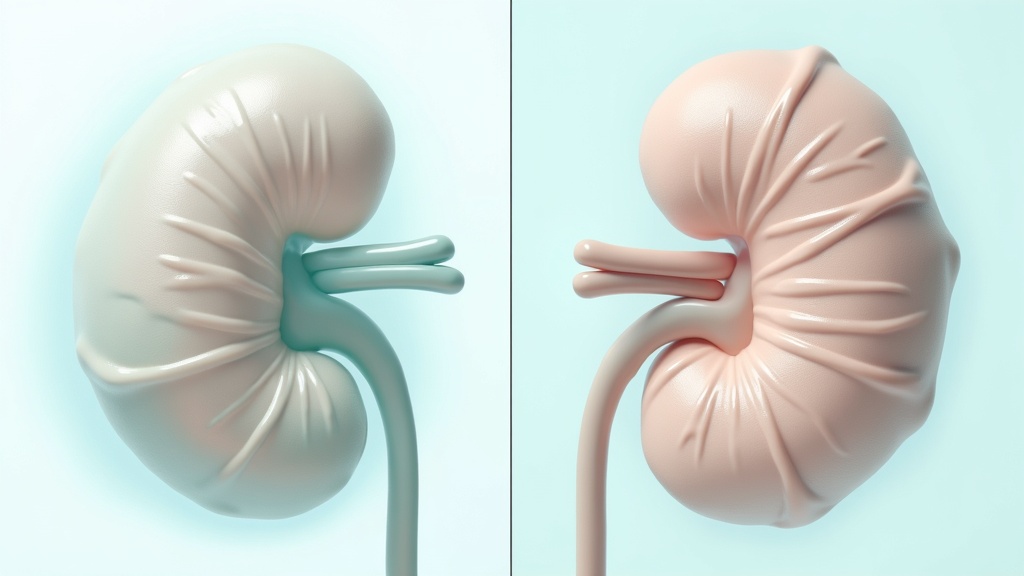
Many individuals diagnosed with Chronic Kidney Disease (CKD) face the daunting reality of managing a condition that can lead to significant health challenges. One of the major hurdles is translating medical advice into actionable daily practices. Often, the complexities surrounding diet, medication, and lifestyle choices can create confusion. People find themselves overwhelmed by the number of adjustments needed, leading to a reluctance to engage fully with their care plans. This struggle can be compounded by misconceptions—such as believing that CKD is an inevitable march towards dialysis—when, in reality, proactive measures can significantly slow progression.
The importance of proper execution in managing CKD cannot be overstated. Adopting tailored strategies that fit your unique health needs can protect kidney function and enhance your overall quality of life. Mismanagement, such as neglecting prescribed medications or misunderstanding dietary restrictions, can lead to rapid deterioration of one’s condition. Understanding the extensive nature of CKD management, and applying evidence-based strategies, can empower individuals to take control of their health journey.
Understanding Your GFR and Its Role
The Glomerular Filtration Rate (GFR) is a critical measure of kidney function. It helps determine the stage of CKD and guides treatment decisions. As a patient, familiarizing yourself with your GFR can empower you to make informed health decisions. Regular GFR testing allows for timely adjustments to your management plan, as changes in kidney function often occur silently.
Many patients are uncertain about what constitutes a “normal” GFR or what their specific numbers mean. A declining GFR is a warning sign, indicating the necessity for lifestyle changes or modifications in medication. Relying on your healthcare provider to explain these results can clarify your situation, but taking the initiative to understand GFR allows you to be an active participant in your health management.
Dietary Adjustments: The Heart of CKD Management
Diet plays a pivotal role in managing CKD. While the specifics can vary depending on the stage and individual circumstances, generally, reducing sodium intake, maintaining an appropriate protein level, and balancing potassium and phosphorus can all contribute to better kidney health. Transitioning to a renal-friendly diet can seem overwhelming, particularly with so many dietary myths and misconceptions.
Real-world application involves not just eliminating certain foods, but also finding enjoyable alternatives and incorporating plenty of fresh fruits and vegetables, ideally low in potassium or phosphorus if your doctor advises so. Trade-offs may include dining out less frequently or spending more time meal-prepping at home. However, the long-term benefits of feeling more energetic and experiencing stabilized kidney function can outweigh these initial adjustments.
Effective Medication Management
Adherence to prescribed medications is often cited as a challenge for CKD patients. It might seem inconvenient or confusing, especially if multiple prescriptions are involved. However, medications play a crucial role in managing blood pressure, glucose levels, or other related conditions, which can markedly affect kidney function.
Keep a medication schedule or use a pill organizer to simplify the routine and avoid missed doses. Engaging in open dialogues with your healthcare provider about any misunderstandings regarding medications or potential side effects will also ensure you feel more confident in your treatment plan. Avoiding shortcuts, such as halting medications without consulting a healthcare professional, is critical to maintaining kidney health.
Staying Active: Movement Matters
Physical activity fosters better overall health and can positively influence kidney function. While the thought of starting or maintaining an exercise regimen can be daunting, even light physical activities like walking or yoga can yield significant benefits. Exercise can help control blood pressure and improve cardiovascular health, both key factors in CKD management.
Finding an enjoyable form of exercise makes it more sustainable. This could mean practicing mindfulness through yoga or joining a local walking group. Striking the right balance might require some trial and error; however, the increased energy and improved mood are typically worth the effort. Aim for consistency rather than intensity to create a lasting habit.
Regular Monitoring and Check-Ins
Staying informed about your kidney health involves regular check-ups and monitoring lab tests. These appointments are essential in identifying any changes in your condition early, allowing for timely interventions. However, many patients struggle to prioritize these appointments amid daily commitments.
Consider setting reminders or enlisting the help of family members to ensure you follow through with these essential visits. Tracking your own health metrics at home, such as blood pressure, can foster a proactive attitude towards your care. Communicating my progress or concerns with your healthcare team at these appointments builds a collaborative relationship that enhances your management journey.
Building a Support System
The psychological burden of navigating CKD can be significant. Establishing a support system comprised of family, friends, or patient groups can mitigate feelings of isolation and provide emotional strength. Sharing experiences and strategies with others facing similar challenges fosters a sense of community that can be incredibly uplifting.
Participating in local or virtual support groups can also provide practical insights into managing your condition day-to-day. While there’s no one-size-fits-all approach to CKD, collective experiences can help illuminate different pathways toward effective management. Often, peer advice leads to easily adoptable strategies that may not have been considered otherwise.
This engaging TikTok video emphasizes simple lifestyle modifications that can aid in managing CKD effectively. It connects directly to the comprehensive strategies discussed here, illustrating real-life adaptations that individuals have successfully implemented. Such visual demonstrations aid understanding by breaking down complex information into digestible steps.
| Management Strategy | Pros | Cons |
|---|---|---|
| Diet Modification | Improves kidney function, enhances overall health | Initial difficulty adjusting to new meals |
| Medication Adherence | Regulates blood pressure, prevents complications | Need for consistent follow-up and possible side effects |
| Regular Exercise | Boosts physical and mental health | Requires time and commitment |
| Monitoring Health Metrics | Allows for early issue detection | May create anxiety about health changes |
| Support System | Provides emotional relief and shared experiences | Coping strategies may vary across individuals |
This second TikTok video offers a broader perspective on the importance of community in managing CKD. It showcases various support networks and how they contribute to patients' well-being, thereby enriching their health journey. By reinforcing the mental health aspect along with the physical, viewers gain a holistic view of CKD management.
Common Pitfalls in CKD Management
- Neglecting regular medical appointments
- Over-restricting dietary choices without proper guidance
- Failing to follow prescribed medication schedules
- Underestimating the importance of hydration
- Ignoring symptoms or changes in health
Assessing Your Progress and Setting Realistic Goals
Effective management of CKD requires ongoing assessment of your progress. Setting measurable and achievable goals, such as making a specific dietary change or committing to a certain number of exercise sessions per week, will build momentum and motivation. It’s essential to differentiate between short-term victories and long-term outcomes, understanding that improvement in kidney function might not always be linear.
Maintaining a positive mindset while acknowledging setbacks is crucial to avoiding disappointment. Celebrate small achievements along the way, and don’t hesitate to seek professional guidance if you’re feeling stuck. Remember, the journey to managing CKD is unique for everyone, and patience, combined with well-informed actions, will play a pivotal role in your overall health landscape.