
Understanding Common Misconceptions About ACL Reconstruction and Recovery
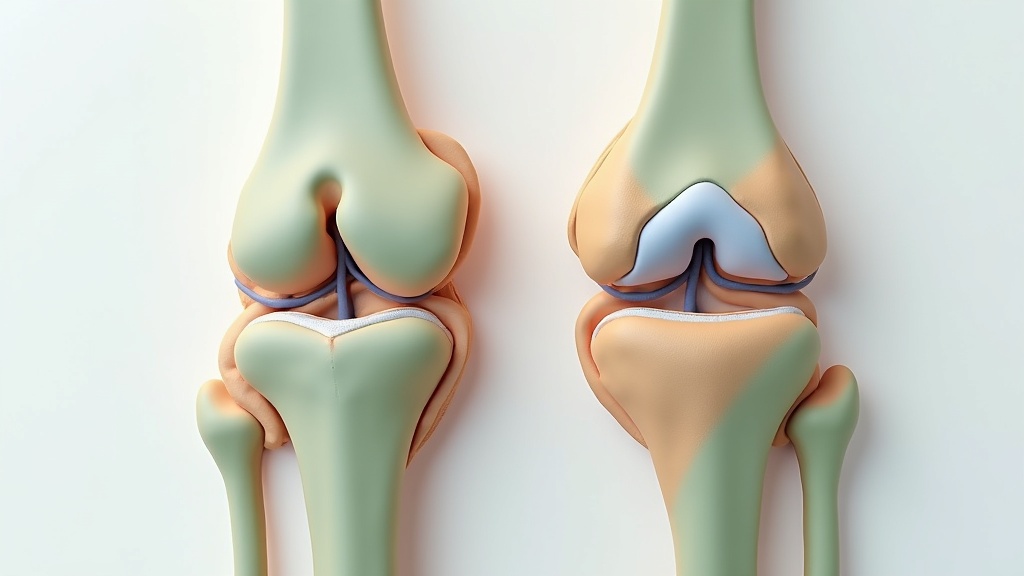
The journey through an ACL tear and subsequent reconstruction is often clouded by uncertainty and confusion. Many believe that a surgical fix is a straightforward solution; however, the intricacies of recovery, timing, and rehabilitation options lead to misunderstandings. Decisions are rarely black and white, as factors such as individual anatomy, activity level, and recovery goals play critical roles in shaping outcomes.
Moreover, despite the wealth of information available, advice can sometimes oversimplify the complexities involved in ACL tears and their management. Assertions about graft types, recovery timelines, and return-to-sport readiness often overlook the nuanced trade-offs each patient will face. Insights into these variables can illuminate the path to informed decision-making.
Thus, it becomes crucial to navigate these conversations with a clear understanding of the unique decisions each individual confronts. The interplay between various graft options, physical rehabilitation protocols, and personal recovery goals creates a landscape filled with potential pitfalls and maximum gain, making nuanced understanding imperative. Engaging with critical questions surrounding ACL reconstruction can help demystify this complex process.
What do most people misunderstand about the ACL reconstruction recovery timeline?
Many individuals assume that once surgery is complete, healing is just a matter of time and following physical therapy guidelines. However, the timeline can fluctuate dramatically based on numerous variables such as age, physical condition, and the specific details of the reconstruction itself. For example, a younger athlete might expect a quicker return to sports, while older adults may need an extended recovery period due to differing physical demands and recovery capacities.
Additionally, the common belief that one-year post-surgery equates to full recovery can be misleading. Research shows some patients may not achieve optimal functional strength or stability until 18 months or more post-surgery. This misconception can lead to impatience and reckless behavior regarding return-to-sport decisions.
Therefore, establishing realistic recovery expectations is crucial. Engaging with a comprehensive rehabilitation plan tailored to individual needs can help mitigate misunderstandings surrounding the pacing of recovery.
Is it actually better to opt for a specific graft choice over another?
The decision between graft options—autograft versus allograft—often sparks heated debate. Many people are inclined to believe that one type is inherently superior. Autografts, for instance, might boast the benefit of biological compatibility since they use the patient's tissue. However, harvesting this tissue can result in additional pain or complications. Conversely, allografts can reduce postoperative pain since they do not involve harvesting tissue but might come with longer healing times or challenges related to graft compatibility.
When evaluating these options, it is essential to consider not just the initial recovery but the long-term ramifications as well. While autografts may offer quicker stabilization, they can also predispose patients to complications associated with the harvest site. Accelerated rehabilitation protocols can tap into the benefits of each graft type but must be approached judiciously to avoid over-stressing the joint prematurely.
Ultimately, the choice of graft should be a tailored decision, taking into account activity level, age, and specific lifestyle demands. Professional guidance from an orthopedic surgeon can significantly influence the decision-making process surrounding graft selection.
How does this affect long-term outcomes for athletes?
Many athletes are laser-focused on how quickly they can return to their sport after ACL reconstruction and often overlook the long-term implications of their recovery process. Rushing back can lead to re-injury, which complicates both athletic progress and long-term joint health. Statistically, athletes returning to high-level sport sooner than six months post-op are at a higher risk of re-injuring themselves or developing chronic knee issues.
Furthermore, factors such as the quality of rehabilitation and adherence to physical therapy guidelines play significant roles in determining outcomes. A tailored rehabilitation program that takes into account the nature of the injury, graft type, and individual responses to therapy greatly influences long-term joint stability.
Complicating matters, perceptions about "being back to normal" can also mislead athletes into thinking they have fully recovered. Evaluating functional performance comprehensively and understanding the body's readiness to endure the specific demands of their sport is essential for sustainable success post-recovery.
What are the risks and benefits of accelerated rehabilitation protocols?
Accelerated rehab has gained popularity as it promotes a quicker return to activity; however, this approach is rife with risks. Many patients may be enticed by the prospect of expedited recovery, yet pushing the limits too early can compromise healing, exacerbate inflammation, or lead to complications such as graft failure. While some studies support accelerated protocols for specific patient populations, the benefits are not universal.
Conversely, a more conservative rehabilitation pathway, although potentially slower, can foster better long-term joint stability and function. Patients may feel anxious about the length of their recovery with slower methods, but adhering to a comprehensive protocol designed to gradually build strength can significantly improve confidence and functional outcomes.
Understanding one's unique situation, including the specific details surrounding the injury, is essential when choosing between these approaches. It’s critical to engage with a physical therapist post-surgery to create a recovery pathway tailored to individual needs instead of relying solely on generalized programs.
Why do many people underestimate the role of physical therapy post-surgery?
Physical therapy is often seen as just a necessary formality after ACL reconstruction, but many underestimate its importance in achieving optimal recovery. The reality is that physical therapy plays a central role in regaining strength, range of motion, and overall function in the knee joint. Patients who do not commit to a targeted rehabilitation program run the risk of limited recovery and persistent issues down the line.
Additionally, some patients may be tempted to perform exercises they discover online or that are recommended by friends, but these might not always be appropriate for their specific circumstances. Misguided self-directed rehabilitation efforts can establish poor movement patterns, prolong rehabilitation, and risk re-injury.
Collaborating with a trained physical therapist ensures that rehab is personalized and that the rehabilitation exercises are tailored to the patient’s condition and goals—an approach that reinforces the potential of a full and well-rounded recovery.
What happens when an athlete returns to sports without proper readiness?
Returning to sports prematurely can set an athlete up for failure, both physically and mentally. Many athletes experience significant psychological pressure to perform at pre-injury levels, often disregarding signs of insufficient recovery. The result can include recurrent injuries, diminished performance, and long-lasting damage to the joint.
Athletes who rush their return often face chronic knee pain or instability that can hinder future sports participation. Concerns over failure can lead to decreased confidence and subsequent performance anxiety, creating a vicious cycle where athletes may underperform or even avoid participation entirely, fearing re-injury.
A systematic return-to-sport protocol that includes both physical readiness and psychological assessments can provide a safeguard. It’s essential for athletes to engage with healthcare professionals who can help in identifying when they are truly prepared to resume competition and to mitigate the risks associated with premature returns.
How do personal expectations influence recovery outcomes?
The expectations a patient holds regarding their recovery immensely impact the rehabilitation process. Unrealistic expectations, such as an immediate return to pre-injury performance, can lead to frustration and hinder recovery. Conversely, setting achievable milestones can motivate patients and foster a positive rehabilitation experience, enhancing adherence to therapy protocols.
Many individuals are also swayed by external pressures, such as peer competition or societal benchmarks around recovery timelines. This pressure can derail their ability to listen to their bodies or seek clarification from health professionals about their unique recovery needs.
As such, fostering an open dialogue between patients, surgeons, and physical therapists is crucial in aligning expectations and experiences during recovery. A focus on personalized recovery goals takes precedence, allowing individuals to pace their rehabilitation according to their healing progress and broader life aspirations.
Understanding ACL Tears: Insights for Reconstruction and Recovery

Anterior cruciate ligament (ACL) tears can significantly impact an individual's mobility and sports performance. Understanding the intricacies of reconstruction surgery and the subsequent recovery timeline is essential for anyone facing the realities of an ACL injury. Simple answers or generic advice won't suffice, as each case is unique and involves various factors that can affect recovery outcomes and rehabilitation strategies.
Choosing the right approach not only influences the surgical procedure but also determines the effectiveness of rehabilitation, ultimately impacting long-term physical health and athletic return. With tailored insights and actionable strategies, individuals can navigate this complex landscape more effectively, leading to informed decisions about their recovery journey.
-
The Importance of Early Intervention
Addressing an ACL injury promptly can make a significant difference in recovery outcomes. Early intervention helps stabilize the joint and minimizes further damage.
Additionally, understanding the role that immediate care plays in the healing process can foster better communication between patients and healthcare providers.
-
Choosing the Right Graft
The choice of graft for ACL reconstruction is critical and can vary based on personal factors like age, activity level, and personal preference. Options typically include autografts and allografts.
Each graft choice comes with its own set of advantages and disadvantages, so it’s essential to weigh these in tandem with your lifestyle and rehabilitation goals.
-
Accelerated Rehabilitation Protocols
Post-surgery rehabilitation can vary significantly depending on the surgical technique and graft type. Accelerated rehabilitation programs aim to restore function while carefully managing load on the knee.
This video showcases the immediate benefits that can come from incorporating resistance bands into early rehabilitation routines. By demonstrating specific exercises, it helps clarify the practical applications of rehabilitation strategies.
Incorporating resistance exercises early on facilitates muscle strengthening while ensuring that the knee is not overloaded, thus increasing the chances of a successful recovery.
-
Monitoring for Complications
Vigilance in monitoring for complications post-surgery—such as infection or graft failure—is crucial. The timeline for recovery can be directly impacted by how these potential issues are managed.
Engaging with healthcare professionals frequently during this phase can identify problems early, allowing for quicker interventions when necessary.
-
Patient Education & Engagement
Being an informed patient can significantly enhance recovery success. Engaging with educational resources regarding ACL injuries fosters a better understanding of what to expect during the recovery timeline.
- Explore anatomy and mechanics of the knee
- Understand potential impacts on daily activities
- Discuss expectations with surgeons and therapists
An educated patient can communicate more effectively with their healthcare team, ensuring that recovery plans are tailored to their specific needs and circumstances.
-
Psychological Aspects of Recovery
Recovering from an ACL injury often involves significant psychological hurdles, particularly for athletes. Understanding the mental aspect of recovery can aid in coping with potential setbacks and frustrations.
Psychological readiness can determine how effectively one engages with their rehabilitation process and ultimately returns to the sport.
-
Return-to-Sport Criteria
Establishing clear return-to-sport criteria helps assess when it is safe for an athlete to resume full activity after recovery. These criteria often include strength, range of motion, and stability testing.
This video provides insights into the factors influencing readiness to return to sports post-ACL surgery. It emphasizes the importance of comprehensive physical assessments.
Gaining a clear perspective on these assessments can enhance not just safety upon return to play but also instill confidence in athletes about their physical readiness.
| Factor | Considerations | Impact on Recovery |
|---|---|---|
| Timing of Surgery | Immediate vs. delayed | Can affect long-term knee stability |
| Type of Graft | Autograft vs. allograft | Different recovery times and risks |
| Rehabilitation Protocol | Accelerated vs. traditional | Influences return-to-sport timeline |
| Patient Engagement | Understanding post-op care | Higher adherence promotes better outcomes |
| Psychological Readiness | Mental health support | Can facilitate successful rehabilitation |
Steps to Successfully Navigate ACL Reconstruction and Recovery
Navigating the journey of an ACL tear can be overwhelming, both physically and emotionally. Many individuals are unsure about the process, resulting in fear or confusion at every step – from diagnosis to the rehabilitation protocol. Common barriers include lack of understanding of graft options, uncertainty about recovery timelines, and the need to adapt to new physical realities. This lack of knowledge often results in poor decisions regarding pre- and post-operative care and hesitance to re-engage in physical activities.
Executing each phase correctly is crucial for a successful outcome. Whether it's choosing the right graft, understanding how to adhere to rehabilitation protocols, or knowing when to return to sport, making informed choices can significantly affect the speed and quality of one’s recovery. This guide breaks down the essential steps for navigating ACL reconstruction and optimizing your rehabilitation process.
1. Understanding Your ACL Injury and Surgical Options
The first step involves a thorough understanding of your specific ACL injury. Knowing the extent of the tear influences the surgical approach taken by your orthopedic surgeon. Familiarize yourself with available graft options, such as autografts (using your tissue) or allografts (donor tissue). Each choice has its pros and cons. For instance, autografts often provide a closer match in biocompatibility, but the harvesting process can lead to longer operative time and pain at the donor site.
Consider discussing your preferences and concerns with your healthcare provider. Their insights will guide you through your options, ensuring you make an informed decision that aligns with your lifestyle and level of activity. Additionally, ask about the benefits of accelerated rehabilitation protocols, especially when combined with specific graft choices, as they can greatly influence long-term outcomes.
2. Optimizing Pre-Surgical Preparation
Preparation is key to a successful surgery and recovery. Prior to your ACL reconstruction, engage in a prehabilitation program to strengthen the surrounding muscles and improve your range of motion. This step not only enhances surgical outcomes but can significantly shorten recovery times. Techniques such as physical therapy focused on hamstrings and quadriceps can be highly effective.
Moreover, it's crucial to maintain communication with your surgical team regarding any concerns or questions about the procedure. Clear understanding alleviates anxiety and allows you to focus on physical readiness. The more prepared you are pre-surgery, the smoother your recovery can be.
3. Managing Post-Operative Expectations
Once surgery is complete, it’s important to manage your post-operative expectations realistically. Understand that recovery is a multifaceted process that includes rest, physical therapy, and gradual return to activities. Sticking to your rehabilitation protocol is crucial. Following the surgeon's and therapist's guidelines for weight-bearing activities, mobility and platform progressions, and pain management can help you avoid setbacks.
Accept that discomfort is a normal part of recovery; fluctuating pain levels can be frustrating but signify healing. Being proactive about your recovery by closely monitoring your progress will equip you to address concerns before they develop into larger issues.
4. Engaging with a Structured Rehabilitation Program
Rehabilitation should be structured and progressive. Following the initial post-operative phase, a comprehensive rehabilitation plan that focuses on restoring range of motion, then strength and stability, is vital. Utilize exercises specific to ACL recovery, and follow the timeline provided by your physical therapist. Ensure the program includes balance training and functional exercises designed to mimic sports-specific movements.
Consistently attending sessions with a qualified physiotherapist can guide you through potentially difficult phases and help adjust your program as needed. Embrace this time for not just physical healing but also building confidence in your knee’s capabilities. Remember, returning to sport too soon can increase the risk of re-injury.
5. Emphasizing Mental Resilience and Support
Consider the psychological aspect of recovery just as vital as physical healing. An ACL tear can bring feelings of frustration and self-doubt, particularly when faced with recovery timelines and performance pressure. Engage with sports psychologists or counselors specialized in athletic recovery to equip yourself with effective coping mechanisms. Mental resilience can significantly facilitate your return to both rehabilitation and sport.
Additionally, seek support from coaches, teammates, family, and friends. Sharing experiences and encouraging open communication about your feelings can foster a more positive recovery environment, making the process less isolating.
6. Knowing When to Return to Sport
A vital aspect of your recovery is understanding when you are ready to return to sports. It’s essential to base your decision on various physical and psychological markers rather than arbitrary timelines. Your readiness should include aspects of strength, stability, agility, and endurance. Utilize functional performance tests, in consultation with your physical therapist, to evaluate readiness effectively.
Returning to activity prematurely not only risks your well-being but can profoundly impact future performance. Hence, ensure ongoing communication with your rehabilitation team about your capability to perform sport-specific skills and exercises before jumping back in.
This video provides a walkthrough of the rehabilitation process following ACL surgeries, illustrating key exercises and techniques that align with the stages discussed. Understanding the correct form and progression will improve your outlook and performance throughout recovery.
| Approach | Pros | Cons |
|---|---|---|
| Accelerated Rehabilitation | Quicker recovery, enhanced physical fitness | Risk of overdoing it, increased injury potential |
| Traditional Rehabilitation | Safer, gradual recovery | Longer recovery times, less emphasis on optimal fitness |
| Psychological Support | Enhanced mental resilience | May require additional resources or counseling |
This second video offers additional insights from athletes who share their personal experiences with recovery timelines and mental barriers faced during ACL rehabilitation. Learning from others who have undergone a similar journey can provide both motivation and perspective at challenging times.
Common Mistakes in ACL Recovery
- Rushing back into sports without adequate testing
- Ignoring physical discomfort as normal
- Disregarding the importance of mental health
- Falling into a plateau without adjusting rehabilitation protocols
- Neglecting the importance of gradual progression and balanced workouts
Measuring Progress and Setting Realistic Goals
Progress evaluation in your ACL recovery journey involves setting both short- and long-term goals. Engage in regular assessments with your physical therapist and ensure they are linked to tangible outcomes like strength benchmarks or agility tests. Celebrate small victories to maintain motivation but remain grounded in the understanding that complete recovery can take time.
Also, set yourself up for realistic expectations regarding your return. While the aim is to regain full functionality, recognize the need for continual adaptation and care. Long-term health should remain the primary objective rather than any immediate performance-driven outcome. Prioritizing a sustainable pathway can help you fully enjoy sports and life ahead without the burden of past injuries weighing down on you.