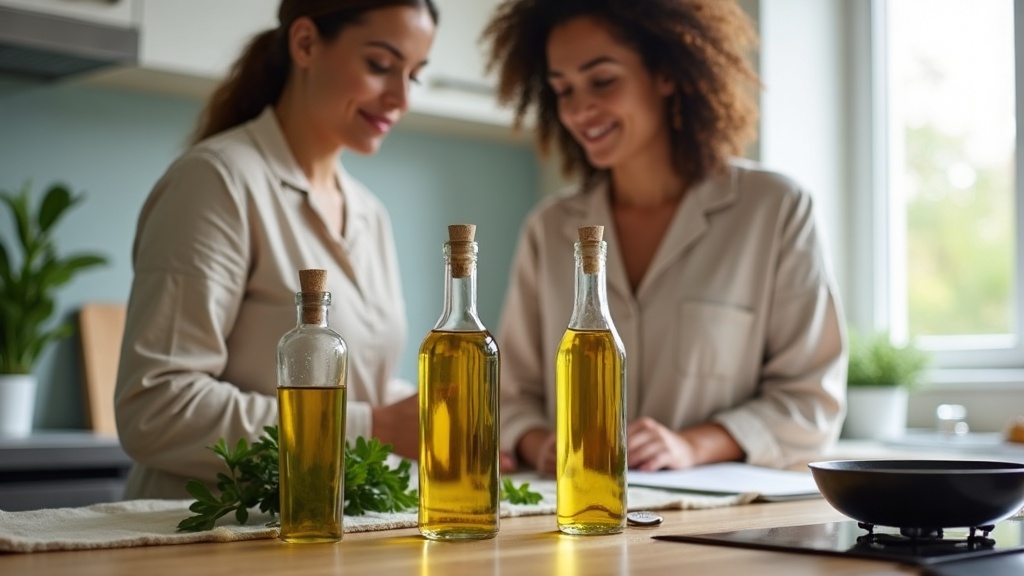
Unpacking Common Misconceptions About Cooking Oils

Cooking oils are often touted as healthy or unhealthy based on a variety of trends and popular opinion, leading to confusion around which types are fit for our diets. Understanding the science behind smoke points, fatty acid composition, and how these factors influence inflammation can significantly impact your cooking choices and, ultimately, your health. Yet, simple advice like "olive oil is the best" or "avoid seed oils" is often too reductive to serve anyone interested in making educated choices.
The complexity arises not only due to the varieties available but also due to differing perspectives on health benefits versus potential risks. As research evolves, shifting narratives can mislead individuals attempting to optimize their diets. For instance, while olive oil is frequently praised for its health benefits, the question of whether to use it for high-heat cooking can lead to nuanced discussions about smoke points and the oxidation of fats. Simplistic assessments often fail to explore these critical nuances.
Therefore, examining these complexities allows us to make informed decisions rather than relying on sweeping generalizations. Choosing the right cooking oil is not just about health; it involves a broader understanding of cooking methods, preparation styles, and personal health goals that are often overlooked in common dietary discourse.
Why do many people believe all oils are created equal in cooking?
The misunderstanding that all oils have the same characteristics often stems from one-dimensional comparisons and marketing claims. While all cooking oils consist of fats, their unique compositions—including saturated, monounsaturated, and polyunsaturated fats—lead to vastly different behavior in cooking. Certain oils like olive and avocado boast high levels of healthy fats and antioxidants, whereas oils derived from seeds may include higher levels of omega-6 fatty acids, which can promote inflammation when consumed excessively.
Furthermore, many consumers fail to consider smoke points, the temperature at which an oil begins to smoke and break down, releasing potential toxins. Cooking oils like canola and soybean oil typically have higher smoke points, making them convenient for high-heat frying. However, this convenience does not equate to health benefits, potentially leading people to believe they can interchange any oil without consequence to their well-being.
In reality, the characteristics and benefits of oils can vary widely. It’s not a matter of simply switching one oil for another; it’s about making selections based on your cooking style and health considerations. Failing to acknowledge these differences can lead to misguided choices that compromise both the quality of your meals and your health.
What happens when you heat oils beyond their smoke points?
Heating oils beyond their smoke points can result in the breakdown of triglycerides and the formation of harmful compounds such as acrolein, which can irritate the eyes and throat. Additionally, overheating can result in a loss of nutrients and health-promoting properties, particularly in oils that are rich in antioxidants and vitamins. For instance, extra virgin olive oil is renowned for its phenolic compounds, but these can diminish when subjected to excessive heat.
Moreover, the breakdown of fats can produce free radicals, which have been linked to various chronic diseases, including cancer and heart diseases. This transformation underscores the importance of oil selection based not only on health claims but also on cooking techniques. Even a high-quality oil can become detrimental if regularly used at temperatures that exceed its stability threshold, thereby nullifying its supposed benefits.
Therefore, it's pertinent for home cooks to understand not just the smoke points, but the method in which they employ oils in cooking. For example, while canola oil may be efficient for frying, it lacks nutritional benefits compared to using olive oil for sautéing at moderate temperatures. Educating oneself on these fundamental issues can greatly improve cooking outcomes and health.
Is it actually better to cook with olive oil over seed oils?
The view that cooking with olive oil is superior to using seed oils is supported by numerous studies highlighting the health benefits of olive oil, particularly extra virgin varieties, which retain antioxidants and have stable structures when heated moderately. These benefits can translate into lower cholesterol levels and reduced heart disease risks. In contrast, many seed oils, such as soybean and corn oil, can contain higher levels of inflammatory omega-6 fatty acids, which may negatively affect overall health when consumed in excess.
Nevertheless, it is vital to assess the cooking method when comparing these oils. Seed oils often have higher smoke points and may be better suited for high-heat applications such as frying. Choosing an oil for a specific technique will depend not only on smoke points but also on the desired flavor profile and the nutritional composition of the oil being used.
In conclusion, while olive oil generally stands out as a healthier option for a variety of uses, the context of your cooking should influence the final decision. Understanding the specific attributes of each oil empowers cooks to optimize their cooking methods without compromising health advantages.
What do most people misunderstand about the relationship between oils and inflammation?
Many misconceptions surround the claims that all seed oils are inherently inflammatory. While it’s true that certain seed oils are high in omega-6 fatty acids, this doesn’t automatically render them harmful. The body requires a balance of omega-6 and omega-3 fatty acids for optimal health; the challenge arises when the omega-6 intake far exceeds omega-3, often due to dietary habits dominated by refined seed oils.
The context of consumption is crucial; for instance, consuming a diet high in processed foods and seed oils can lead to an imbalance that exacerbates inflammation. However, when used responsibly and in moderation, seed oils can play a valuable role in a diet that includes omega-3-rich foods, such as fish or flaxseeds. The misconception lies not in the oils themselves, but in their integration within the broader dietary pattern.
Moreover, focusing solely on one component—oil—while neglecting other factors like overall dietary intake, lifestyle, and genetics simplifies a multifaceted issue. Recognizing the complexity around inflammation and dietary fats can lead to more nuanced nutritional choices and greater health literacy.
How does the choice of cooking oil impact long-term health outcomes?
The choice of cooking oil can significantly impact long-term health outcomes, influencing everything from heart health to inflammation levels and weight management. Research suggests that consistently opting for oils rich in monounsaturated fats—like olive and avocado oils—contributes to lower rates of cardiovascular disease and improved lipid profiles. Additionally, the antioxidants found in these oils can combat oxidative stress and inflammation, while oils high in saturated and trans fats can lead to increased cholesterol levels and higher risks of heart diseases.
Moreover, the temperature and method of cooking also play a role. Regularly using oils at temperatures exceeding their smoke points can not only compromise nutritional quality but can also lead to undesirable health effects over time. By understanding the types of oils and their implications for both cooking and overall health, individuals can begin making choices that benefit their long-term wellness rather than adhering to outdated or oversimplified nutrition advice.
Consequently, it’s essential to become a discerning consumer of cooking oils, recognizing that the oils we use today will yield benefits or drawbacks that will manifest over time. Making a conscious effort to select healthier oils in appropriate cooking contexts can help foster lasting health improvements.
What are the hidden challenges associated with using seed oils in everyday cooking?
Seed oils often come with hidden challenges that may not be readily apparent to the average consumer. While they are marketed for their high smoke points and stability, many seed oils are heavily processed and refined. This refinement process can strip away beneficial nutrients and antioxidants, leaving only a diluted product that may not provide the health benefits attributed to full-spectrum oils like olive or avocado oil. Moreover, mass production methods can lead to the formation of trans fats, which have been linked to various health issues.
Additionally, the prevalent use of seed oils in processed foods poses another challenge; individuals unwittingly consume high quantities of these oils, which can contribute to an imbalanced omega-6 to omega-3 ratio in their diets. This imbalance is often exacerbated by low consumption of omega-3-rich foods, compounding the risk of chronic inflammation and related conditions.
Addressing these challenges requires vigilance and a bit of culinary creativity. Based on personal health goals, it may be wise to limit reliance on seed oils in favor of more nutrient-dense options, and concurrently incorporate a variety of fats to establish dietary variety. Recognizing and mitigating the hidden challenges associated with seed oils empowers individuals to take charge of their dietary choices and improve their long-term health.
Why is the conversation around cooking oils so contentious?
The dialogue surrounding cooking oils is contentious due to the interplay of science, marketing, and individual health narratives. Different studies offer conflicting findings, leading to confusion about what constitutes a healthy cooking fat. Oils like coconut oil, for instance, garner both enthusiastic support and staunch criticism, creating polarized opinions among health experts and the public alike.
This divisive nature extends into anecdotal evidence, with personal dietary experiences influencing perceptions. For many, the decision to adopt or avoid a particular oil often hinges on personal anecdotes rather than scientific understanding. Additionally, the aggressive marketing strategies employed by oil manufacturers further muddy the waters, promoting certain oils as 'superfoods' while demonizing others without context.
Ultimately, this contentious landscape underscores a need for more comprehensive education regarding dietary fats and oils. Simplifying the conversation into 'good' and 'bad' categories does a disservice to the complexity involved and can lead consumers to make decisions based on incomplete information. Encouraging open and informed dialogues regarding oils and their diverse roles within a balanced diet can help demystify the subject and lead to more beneficial dietary choices for all.
Understanding the Strengths and Weaknesses of Popular Cooking Oils

In the culinary world, choosing the right cooking oil isn’t just about flavor; it’s also about health and how well an oil performs at various temperatures. With numerous options available like olive, avocado, and seed oils, understanding their unique characteristics is essential for anyone looking to enhance their cooking and improve their overall diet. Yet, many are left wondering if all oils are created equal, especially amidst discussions on inflammation and health impacts.
The smoke point of an oil—the temperature at which it begins to smoke and break down—plays a crucial role in both taste and health. Oils with high smoke points are often recommended for frying and high-heat cooking, while those with lower smoke points are better suited for drizzling and low-heat applications. As opinions evolve about the health implications of certain oils, it’s more important than ever to examine which choices align best with your nutritional goals.
-
Olive Oil: A Mediterranean Staple
Olive oil is celebrated for its heart-healthy monounsaturated fats and antioxidants. Extra virgin olive oil, in particular, contains polyphenols that may offer anti-inflammatory benefits. With a moderate smoke point around 375-410°F, it performs well for sautéing and dressing salads.
Incorporating olive oil into your diet can contribute to overall heart health, making it a favorable choice for everyday cooking.
-
Avocado Oil: Nutrient-Rich and Versatile
Avocado oil boasts a high smoke point of approximately 520°F, setting it apart as an excellent option for high-heat cooking. It's rich in monounsaturated fats and vitamin E, supporting skin health and offering significant nutritional value.
This oil's mild flavor makes it adaptable, working beautifully for frying, grilling, or drizzling over vegetables.
-
Seed Oils: A Conflicted Choice
Seed oils such as canola, sunflower, and soybean oil are often refined, giving them higher smoke points (around 400-450°F). However, they are heavily processed and can contain omega-6 fatty acids that some nutritionists tie to inflammation when consumed excessively. Understanding the balance between omega-3 and omega-6 is critical.
This video discusses how shifting away from seed oils can be beneficial for heart health. By opting for healthier oils, you can make choices that align better with a balanced nutritional approach.
Seeing these alternatives in action can clarify why replacing seed oils with options like olive and avocado oil might significantly impact your cooking and health.
-
Coconut Oil: The Controversial Choice
Coconut oil has become a staple in many kitchens, praised for its distinct flavor and culinary versatility. With a smoke point of around 350°F, it is suitable for baking and low-heat frying. However, its high saturated fat content raises questions among health professionals about its role in heart health.
While coconut oil may be beneficial in moderation, it's wise to balance its use with other oils rich in unsaturated fats.
-
Grass-Fed Butter and Ghee: Traditional Fats with Benefits
While not oils in the traditional sense, grass-fed butter and ghee offer healthy fat options for cooking. Ghee, which has a smoke point around 485°F, is clarified butter with the milk solids removed, making it ideal for high-heat applications.
These fats can enhance flavor and may provide vitamins A, D, and K, contributing positively to a balanced diet if enjoyed in moderation.
-
Flaxseed Oil: A Plant-Based Omega-3 Powerhouse
Flaxseed oil is rich in alpha-linolenic acid (ALA), a type of omega-3 fatty acid that supports heart health. However, it has a low smoke point (around 225°F), making it unsuitable for cooking. Instead, it shines when added to smoothies or salad dressings for an extra nutritional boost.
This video illustrates how incorporating flaxseed oil into your diet can enhance wellness. Its ALA profile makes it an excellent choice for those seeking to boost their omega-3 intake without relying on fish.
Understanding how to utilize this oil can empower you to create more nourishing dishes that complement a balanced lifestyle.
-
Walnut Oil: Best for Cold Dishes
Walnut oil has a delightful nuttiness that can elevate various dishes, especially salad dressings and drizzles. It has a moderate smoke point of approximately 320°F, making it better suited for cold applications rather than high-heat cooking.
Rich in omega-3 fatty acids and antioxidants, walnut oil not only tastefully enhances dishes but also offers nutritional benefits.
-
Sesame Oil: A Flavorful Addition
Both toasted and regular sesame oil are valued in Asian cuisine, providing robust flavor profiles. With a high smoke point (around 410°F), it works well for frying and sautéing, but its flavor is often most appreciated when used as a finishing oil.
Sesame oil contains sesamolins and sesamin, compounds that may offer antioxidant properties alongside its distinctive taste.
| Type of Oil | Smoke Point (°F) | Health Benefits | Best Use |
|---|---|---|---|
| Olive Oil | 375-410 | Rich in monounsaturated fats; heart-healthy | Sautéing, dressings |
| Avocado Oil | 520 | High in monounsaturated fats and vitamin E | High-heat cooking |
| Seed Oils | 400-450 | May contribute to inflammation if overconsumed | Frying, baking |
| Coconut Oil | 350 | Contains medium-chain triglycerides | Baking, low-heat frying |
| Ghee | 485 | Vitamins A, D, K; beneficial in moderation | High-heat cooking |
| Flaxseed Oil | 225 | Anti-inflammatory omega-3 fatty acids | Salad dressings, smoothies |
| Walnut Oil | 320 | Rich in antioxidants; nutritional benefits | Cold dishes |
| Sesame Oil | 410 | Antioxidant properties; enhances flavor | Finishing oil, frying |
Mastering Cooking Oils for Healthier Meals

Navigating the world of cooking oils can feel overwhelming, especially with the numerous options available today—from olive and avocado oil to a variety of seed oils. Many people struggle to choose the right oil due to conflicting information about health benefits, smoke points, and the potential inflammatory effects of certain oils. Without solid guidance, it’s easy to slip into habits that may not promote optimal health.
Moreover, many home cooks are confused about how oil choices affect the taste, texture, and nutritional profile of their dishes. This uncertainty is compounded by the wide range of cooking methods that require different oil characteristics, such as high smoke points for frying versus robust flavors for dressings. Understanding how to select and use cooking oils is essential, as the right choices can elevate your meals while potentially enhancing your health. Let’s explore actionable steps to achieve oil mastery in your kitchen.
1. Understand Smoke Points and Their Importance
Smoke point refers to the temperature at which oil begins to smoke and break down, leading to the formation of harmful compounds. Choosing an oil appropriate for your cooking method is crucial; for example, oils with high smoke points, like avocado oil (around 520°F), are ideal for frying or sautéing, while those with lower smoke points, such as extra virgin olive oil (about 375°F), are better suited for drizzling or low-heat cooking.
By respecting smoke points, you not only avoid health risks associated with smoking oil, but you also preserve the oil's flavor and nutritional benefits. When you fry with low smoke point oils, you risk creating toxic compounds and altering the oil's natural taste, which can negatively impact your dish. Additionally, over time, consistently using oils beyond their smoke points can lead to health issues due to the formation of free radicals.
2. Choose Oils Based on Nutritional Content
Different oils offer varying nutritional profiles, predominantly concerning their fatty acid composition. For instance, olive oil is rich in monounsaturated fats and antioxidants, which can support heart health, while flaxseed oil offers omega-3 fatty acids that can reduce inflammation. Assessing your diet and choosing oils that provide beneficial nutrients can enhance your overall nutrition.
However, it’s crucial to note the trade-offs. While some oils are nutrient-dense, they may come with strong flavors—like sesame oil—which can dominate dishes if not used judiciously. Balancing flavor profiles with health benefits is key to creating delicious, nutritious meals. Consider using different oils in combination to achieve both taste and health goals, such as blending olive oil with avocado oil for a balanced dressing.
3. Match Oil Types with Cooking Techniques
Understanding which oils complement specific cooking techniques can significantly improve not only the taste of your dishes but also their health aspects. For instance, when baking, lighter oils like canola or sunflower oil can be effective, but for roasting, you might opt for olive or avocado oil for their flavor and higher smoke points.
It’s also important to recognize the synergy between the cooking technique and oil type. If you're grilling and desire a fruity flavor, opt for avocado oil. If you're making a salad dressing, extra virgin olive oil can add that peppery kick you desire. When you align your cooking technique with the right oil, you cultivate a habit that enhances both your culinary skills and your dietary health.
4. Be Mindful of Seed Oils and Inflammation
Recent discussions around seed oils, such as soybean, corn, and canola oil, often highlight concerns regarding inflammation due to their omega-6 fatty acid content. While these oils can be practical for frying due to their higher smoke points, it’s essential to approach them mindfully. Moderation is key—whether it’s balancing your omega-6 intake with omega-3 rich foods like fatty fish or considering alternative oils.
There’s a growing body of evidence discussing the potential link between excessive omega-6 intake and inflammatory conditions. While an occasional use of seed oils won’t harm you, excessive consumption in processed foods may be detrimental. Strive for a balanced approach; use seed oils sparingly while incorporating healthier options like olive or avocado oil to promote overall wellbeing.
5. Experiment with Flavored Oils for Creative Cooking
Flavored oils can add a delightful twist to your dishes without the need for excessive seasonings. Infused oils—like garlic olive oil or chili oil—can enhance the flavor profile of a meal while providing an aromatic essence. Experimenting with these oils can also encourage a culinary adventure at home.
However, it's vital to ensure the oils you choose are of high quality to avoid off-flavors that can derail your dish. Additionally, homemade infused oils are a fantastic option when you want to control the ingredient quality. Keep in mind, though, that homemade oils should be used within a few weeks to prevent spoilage. The key lies in the combination; pairing flavored oils judiciously can lead to exciting flavor experiences.
6. Learn to Store Oils Properly
Proper oil storage is often overlooked but essential for maintaining quality. Oils can go rancid, losing their flavor and nutritional benefits over time. Store your oils in dark, cool places away from heat and sunlight to preserve their identity. Glass bottles with dark hues can protect oils from light degradation and help maintain their integrity, extending shelf life.
Additionally, pay attention to the expiration dates. Using rancid oil not only compromises your meal but also may contribute to adverse health effects. If you've noticed the oil developing an off smell or taste, it’s best to dispose of it and invest in a fresh batch. By ensuring proper storage, you can maximize the benefits of your oils over time.
This TikTok video showcases some creative cooking applications of different oils, emphasizing their uses and flavors. It illustrates how various oils can elevate dishes, reinforcing the importance of selecting the right oils for different culinary scenarios. The visual examples provide better understanding and inspiration for incorporating oils into daily cooking practice.
| Oil Type | Smoke Point | Key Benefits | Ideal Uses |
|---|---|---|---|
| Olive Oil | 375°F | Rich in antioxidants; heart-healthy | Dressings, low-heat cooking |
| Avocado Oil | 520°F | High in monounsaturated fats | Frying, roasting |
| Canola Oil | 400°F | Omega-3 fatty acids | Baking, general-purpose |
| Flaxseed Oil | 225°F | High in omega-3s | Cold dishes, smoothies |
| Sunflower Oil | 450°F | Vitamin E's benefits | Frying, sautéing |
This second TikTok video dives deeper into oil pairings and how to choose oils that enhance specific dishes. It adds another dimension to the previous discussion by visually portraying how certain oils can elevate flavors based on their characteristics, giving viewers more confidence in their cooking journey.
Identifying Common Mistakes in Oil Selection
- Ignoring smoke points, leading to burnt flavors.
- Choosing oils solely based on price rather than quality.
- Overusing seed oils without balancing omega fatty acids.
- Failing to store oils properly, causing rancidity.
- Assuming all oils are interchangeable without considering flavor profiles.
Measuring Progress in Your Oil Journey
As you implement these tips, it's important to measure your progress in becoming oil-savvy. Pay attention to how your food tastes and your overall health. Have you noticed improved flavors or better digestion? Are you experiencing less inflammation or feeling more energized? Set realistic expectations: mastering oil selection won’t happen overnight, but incremental changes can lead to significant health benefits over time.
Keep track of your oil choices, review how they impact your cooking, and adjust accordingly. Don't be disheartened by initial missteps—every cook learns through experience. Celebrate the small wins as you refine your selection process, making cooking a healthier and more enjoyable experience.